Short Boots with Plastic Sole and Protective Metal Toe
CN → US| HS Code | Tariff Rate | Origin | Destination | Doc |
|---|---|---|---|---|
| 6401929060 | 55.0% | CN | US | Official Doc |
| 6401929030 | 55.0% | CN | US | Official Doc |
| 6402914067 | 16.0% | CN | US | Official Doc |
| 3926909989 | 22.8% | CN | US | Official Doc |
| 6402914050 | 16.0% | CN | US | Official Doc |
Product Images
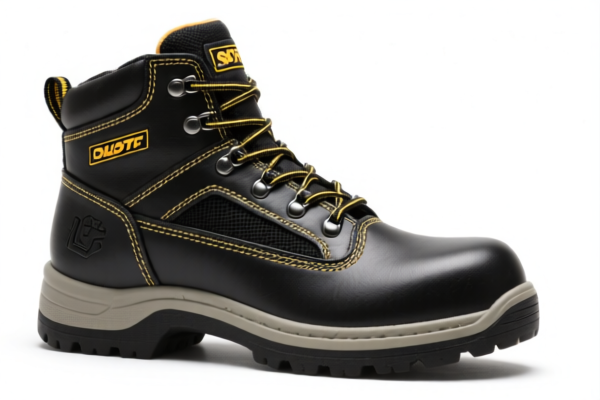
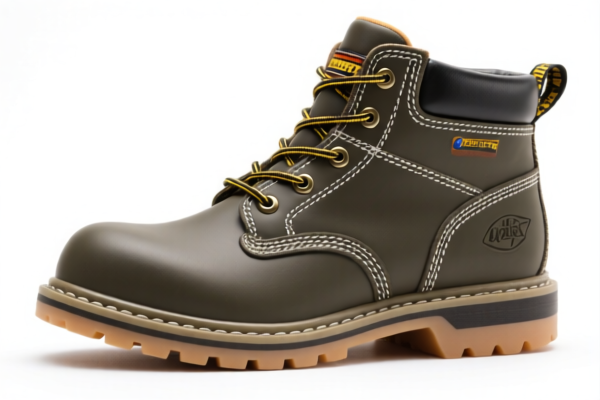
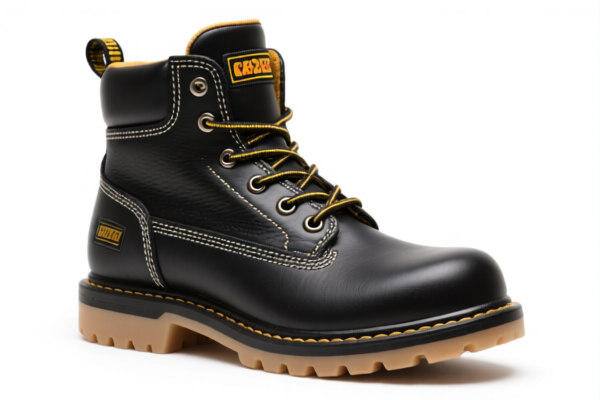
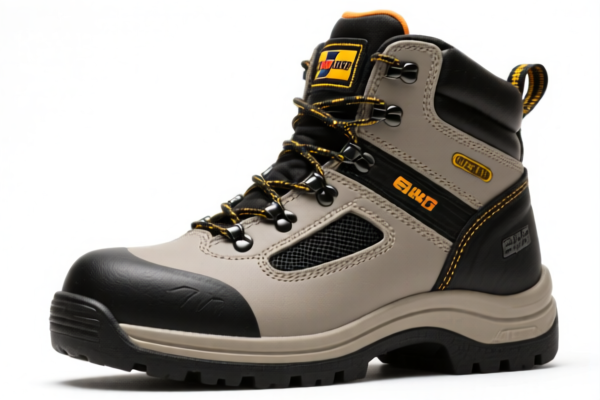
AI Analysis
🥾 Short Boots: Plastic Sole & Protective Metal Toe (Safety/Work Boots)
🌐 HS Code Reference & Customs Clearance Guide | 2026 Latest Tariff Analysis | Professional Clearance Strategy
📌 I. Product Definition & Classification: Do You Understand "Safety Boots"?
Short Boots with Plastic Sole and Protective Metal Toe are specialized footwear designed for industrial, construction, or safety applications. They are defined by two critical features: 1. Material: The outer sole and upper are made of rubber or plastic. 2. Structure: They cover the ankle but do not cover the knee. 3. Special Feature: They contain a protective metal toe cap (safety toe), classifying them as Safety Footwear.
⚠️ Key Distinction Point:
- If the boot has a metal toe protector and is intended for work/safety purposes, it must be classified under specific "Safety Shoe" subheadings (e.g.,6401.92.90.30).
- If the boot is not designated for safety/work use (even if it has a toe cap but is marketed as fashion), it may fall under general "Other Footwear" categories (e.g.,6402.91.40.x).
- If classified incorrectly as a general plastic product rather than footwear, it falls under Chapter 39, which is a major compliance risk.
📦 II. HS Code Classification Details (2026 Latest Tariff Authority Comparison)
| HS Code | Product Description | Applicability | Special Features |
|---|---|---|---|
6401.92.90.30 |
Plastic/Rubber Short Boots, Safety/Work Use (Metal Toe Included) | Construction, Industrial Safety, Factory Work | ✅ Yes: Designed for work safety; covers ankle; metal toe protector present |
6401.92.90.60 |
Plastic/Rubber Short Boots, General Use (Non-Specific Gender/Use) | Casual Wear, Rain Boots (Non-Safety) | ❌ No: General purpose, not specifically for work safety |
6402.91.40.67 |
Other Footwear, Rubber/Plastic Upper, Ankle Covering | Fashion Boots, Casual Shoes | ❌ No: Does not explicitly claim safety/work attributes; generic classification |
6402.91.40.50 |
Other Footwear, Plastic Upper, Ankle Covering (Fallback) | General Plastic Shoes | ❌ No: Fallback category for non-specific footwear |
3926.90.99.89 |
Plastic Articles (Other), Finished Boot Shape | Misclassified Plastic Product | ❌ No: Incorrect classification; should be footwear (Ch 64), not plastic article (Ch 39) |
🔍 Critical Warning:
- Safety/Work Boots (6401.92.90.30) have a 55% Total Tax Rate due to US trade measures.
- General/Fashion Boots (6402.91.40.x) have a 16% Total Tax Rate.
- Misclassification Risk: Declaring a safety boot as a general fashion boot to save on taxes is fraud. Customs may reclassify and impose penalties.
- Chapter 39 Error: Never declare a boot as "Plastic Product" (3926.90.99.89) unless it is a non-wearable plastic model. Footwear belongs in Chapter 64.
💰 III. 2026 Latest Tariff Rate Breakdown (Including Additional Duties & Policies)
✅ Applicable Country: United States (US)
✅ Origin: China (CN)
✅ Effective Date: 2025 November 10 onwards (and subsequent imports)
🎯 1. 6401.92.90.30 —— Plastic Short Boots (Safety/Work Use)
| Item | Details |
|---|---|
| Base Tariff | 37.5% (ad valorem) |
| Section 301 / Additional Tariff | +7.5% |
| Section 122 Tariff | +10% |
| Total Tax Rate | 55.0% |
| Tax Calculation | CIF Value × 55% |
| De Minimis Exemption | ❌ Not Eligible |
| Legal Basis Path | Section 301: 9903.88.01 → Section 122: 9903.01.25 → USITC:6401.92.90.30 |
📌 Explanation:
- This code is for safety/work boots made of rubber/plastic with an outer sole.
- The 55% rate is extremely high. It includes the base duty, the 301 additional tariff, and the 122 tariff.
- Must have proof of safety function (e.g., ASTM/ANSI standards, metal toe cap specification) to justify this code.
🎯 2. 6401.92.90.60 —— Plastic Short Boots (General Use)
| Item | Details |
|---|---|
| Base Tariff | 37.5% |
| Section 301 / Additional Tariff | +7.5% |
| Section 122 Tariff | +10% |
| Total Tax Rate | 55.0% |
| Tax Calculation | CIF Value × 55% |
| De Minimis Exemption | ❌ Not Eligible |
| Legal Basis Path | Section 301: 9903.88.01 → Section 122: 9903.01.25 → USITC:6401.92.90.60 |
📌 Note:
- Even if not explicitly labeled "safety," if it’s a rubber/plastic boot covering the ankle, it falls under Heading 6401, which attracts the same high tariffs.
- There is no tax advantage between Code 30 and Code 60 in terms of total rate (both 55%). The difference lies in compliance documentation.
🎯 3. 6402.91.40.67 & 6402.91.40.50 —— Other Plastic/Rubber Footwear
| Item | Details |
|---|---|
| Base Tariff | 6.0% |
| Section 301 / Additional Tariff | 0.0% |
| Section 122 Tariff | +10% |
| Total Tax Rate | 16.0% |
| Tax Calculation | CIF Value × 16% |
| De Minimis Exemption | ❌ Not Eligible |
| Legal Basis Path | Section 122: 9903.01.25 → USITC:6402.91.40.67 / 6402.91.40.50 |
📌 Warning:
- These codes apply to non-6401 footwear (e.g., sandals, slippers, or boots that don’t meet the "outer sole rubber/plastic" strict definition for 6401, or are classified as "other").
- Do NOT use these for safety boots if they clearly fall under 6401. Misclassification can lead to audits.
- If your boot is indeed a "safety boot" with a metal toe, using 6402 codes is illegal evasion if it doesn’t fit the technical definition of 6402.
🎯 4. 3926.90.99.89 —— Plastic Articles (Misclassified)
| Item | Details |
|---|---|
| Base Tariff | 5.3% |
| Section 301 / Additional Tariff | +7.5% |
| Section 122 Tariff | +10% |
| Total Tax Rate | 22.8% |
| Tax Calculation | CIF Value × 22.8% |
| De Minimis Exemption | ❌ Not Eligible |
| Legal Basis Path | Section 301: 9903.88.01 → Section 122: 9903.01.25 → USITC:3926.90.99.89 |
📌 Danger Zone:
- This is for non-footwear plastic products.
- Declaring boots as "plastic articles" is a high-risk customs violation.
- Even though the rate (22.8%) is lower than 55%, the legal risk of penalties, seizure, and blacklisting is severe.
🛠️ IV. Customs Clearance Practical Advice (Combat Pitfall Guide)
✅ 1. Required Documentation Checklist (Non-Negotiable)
| Document | Mandatory? | Explanation |
|---|---|---|
| ✅ Product Specification Sheet | ✔️ | Must clearly state: "Metal Toe Protector," "Rubber/Plastic Outer Sole," "Ankle Height." |
| ✅ Safety Compliance Certificate | ✔️ | ASTM F2413 / ANSI Z41 certification (if claiming safety use). |
| ✅ Product Photos | ✔️ | Clear images of the toe cap (metal), sole material, and label. |
| ✅ Commercial Invoice | ✔️ | Must accurately describe the product as "Safety Boots" or "Work Boots" with HS Code. |
| ✅ Packing List | ✔️ | Detail quantity, weight, and dimensions. |
| ✅ Origin Certificate | ✔️ | To verify China origin for tariff application. |
✅ 2. Declaration Tips (Key Mantras)
🔥 "Metal Toe = Safety? No! Material Defines Chapter 64!"
| Scenario | Correct Declaration | Wrong Declaration |
|---|---|---|
| Safety Boot with Metal Toe | HS Code: 6401.92.90.30Name: "Safety Work Boot, Plastic Sole, Metal Toe" |
Name: "Plastic Shoe" → Risk of reclassification to 3926 or penalty |
| General Rubber Boot (Rain Boot) | HS Code: 6401.92.90.60Name: "Rubber Short Boot, Casual Use" |
Name: "Safety Boot" without cert → Audit risk |
| Fashion Plastic Boot | HS Code: 6402.91.40.67Name: "Plastic Fashion Boot" |
Name: "Work Boot" → False declaration |
| Plastic Mannequin Boot | HS Code: 3926.90.99.89Name: "Plastic Display Model" |
Name: "Wearable Boot" → Major violation |
✅ 3. Special Case Handling
| Scenario | Handling Advice |
|---|---|
| OEM Safety Boots | Provide OEM order + Safety Cert (ASTM/ANSI). Clearly state "Metal Toe" in invoice. |
| Boots with Removable Toe Cap | Still classified as safety footwear if designed for it. Provide technical drawing. |
| Mixed Shipment (Safety + Fashion) | Separate HS Codes! - Safety Boots: 6401.92.90.30 (55%)- Fashion Boots: 6402.91.40.67 (16%)Do not mix in one line item. |
| Claiming "De Minimis" Exemption | ❌ Impossible. All these codes are subject to Section 301 and 122 tariffs. No $800 exemption. |
🌍 V. Global Market Comparison (2026 Latest)
| Country/Region | Recommended HS Code | Tariff Rate | Certification | Notes |
|---|---|---|---|---|
| 🇺🇸 USA | 6401.92.90.30 (Safety)6402.91.40.67 (General) |
55% (Safety/6401) 16% (General/6402) |
ASTM F2413 (if safety) | Highest risk market. 55% is punitive. Avoid misclassification. |
| 🇨🇳 China | 6401.92.90 |
5-8% | CCC (if applicable) | Lower base tariff, no US punitive tariffs. |
| 🇪🇺 EU | 6401.92 / 6402.91 |
0-10% (LDC) / ~10% (General) | CE Marking | No Section 301/122 tariffs. Lower cost than US. |
| 🇬🇧 UK | 6401.92 / 6402.91 |
0-10% | UKCA Marking | Post-Brexit, aligns with EU but requires UKCA. |
📌 Conclusion:
- USA is the most expensive market for plastic/rubber boots due to Section 301 and 122 tariffs.
- Safety boots (6401) face the highest tariff (55%).
- General plastic boots (6402) are cheaper (16%) but must strictly meet the "Other Footwear" definition.
📌 VI. Common Mistakes & Pitfall Guide (Blood Lessons)
❌ Mistake 1: Declaring Safety Boots as "Plastic Parts" (3926) to save tax
👉 Consequence: Customs reclassifies → Penalty + Back Duty + Legal Action.
👉 Reality: Even if the rate is 22.8%, the risk is not worth it. The product is clearly footwear.
❌ Mistake 2: Using 6402 codes for Safety Boots to get 16% instead of 55%
👉 Consequence: Audit triggered by "Metal Toe" declaration mismatch → Seizure & Fine.
👉 Reality: Safety boots with rubber/plastic soles legally belong in 6401.
❌ Mistake 3: Claiming "De Minimis" ($800) for these boots
👉 Consequence: Rejected by Customs. Section 301 and 122 tariffs apply to all shipments from China, regardless of value.
👉 Reality: You must pay duty at the border.
❌ Mistake 4: Mixing Safety and Fashion Boots in one HS Code
👉 Consequence: Partial seizure or forced reclassification of the entire shipment.
👉 Reality: Separate HS Codes and line items.
✅ Correct Approach:
"Safety Work Boot, ASTM F2413 Compliant, Rubber Outer Sole, Plastic Upper, Metal Toe Protector, Model XYZ, Chinese Origin"
🎯 VII. Conclusion: Precise Classification Saves Money and Avoids Disaster
🎯 Remember the Mantra:
🔹 "Metal Toe = 55% Tariff (if 6401)"
🔹 "No Safety Claim = 16% Tariff (if 6402)"
🔹 "Never Mix Chapters! Footwear is Chapter 64!"
🔹 "De Minimis Does NOT Apply to China Origin Boots!"
📌 Pro Tip:
If your business volume is high, consider Advance Ruling (Pre-classification) with US Customs and Border Protection (CBP) to lock in the HS Code and avoid post-entry audits.
For non-US markets (EU, Asia), the tariff burden is significantly lower, making diversification a strategic option.
📣 Immediate Action:
📞 Consult a Professional Customs Broker
📄 Provide Safety Certificates & Product Specs
🚀 Ensure Accurate HS Code Declaration to Avoid 55% Trap!
✨ Professional Clearance Starts with Accurate Classification!
💼 Your Profit Margin Depends on Your HS Code Strategy!
Customer Reviews
About HS Code Classification
The Harmonized System (HS) is an internationally standardized nomenclature developed by the World Customs Organization (WCO) to classify traded products. Over 200 countries use the HS system as the basis for customs tariffs, trade statistics, and import/export regulations.
Each HS code follows a hierarchical structure:
- Chapter (2 digits) — Broad category of goods (e.g., Chapter 84: Machinery and Mechanical Appliances)
- Heading (4 digits) — More specific grouping within the chapter
- Subheading (6 digits) — Internationally standardized breakdown, used by all WCO member countries
- National subdivisions (8-10 digits) — Country-specific extensions for further classification, such as US HTSUS 10-digit codes
Correct HS code classification is essential for smooth customs clearance, accurate duty payment, and compliance with trade regulations. Misclassification can lead to customs delays, overpayment of duties, or penalties.
When importing from CN to US, the applicable tariff rates may include:
- Most-Favored-Nation (MFN) rate — The standard duty rate applied to WTO members
- General rate — Applied to countries without trade agreements
- Trade remedy duties — Additional tariffs such as Section 301 (anti-dumping), Section 232 (national security), or countervailing duties
The information provided on this page is for reference purposes only. For official classification, please consult with your local customs authority or a licensed customs broker.