Short Distance Transport Vehicles
CN → US| HS Code | Tariff Rate | Origin | Destination | Doc |
|---|---|---|---|---|
| 8716805010 | 88.2% | CN | US | Official Doc |
| 8716805090 | 38.2% | CN | US | Official Doc |
| 8709190060 | 35.0% | CN | US | Official Doc |
| 8709110060 | 35.0% | CN | US | Official Doc |
| 8716805010 | 88.2% | CN | US | Official Doc |
Product Images
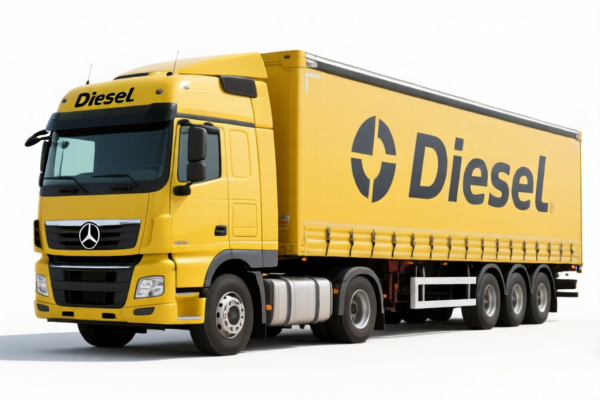
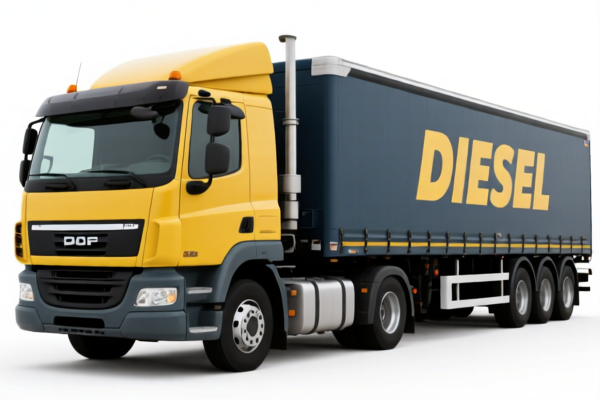
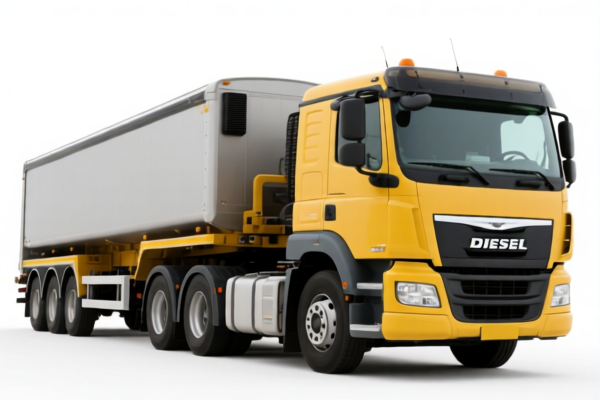
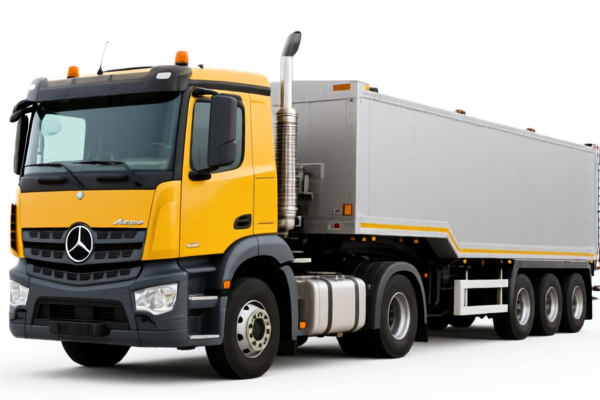
AI Analysis
🚛 Short Distance Transport Vehicles (SDTVs)
🌐 HS Code Reference & Customs Clearance Guide | 2026 Latest Tariff Analysis | Professional Clearance Strategy
📌 I. Product Definition & Classification: Do You Really Understand "Short Distance Transport Vehicles"?
"Short Distance Transport Vehicles" is a broad functional term rather than a precise technical description. In international trade, these vehicles are typically used for moving goods within confined areas such as factories, warehouses, docks, airports, or construction sites. The critical challenge in classification lies in determining their power source (electric vs. internal combustion), load capacity, and speed/mechanical nature (motorized vs. non-motorized). Misclassification can lead to significant duty differences, ranging from 35% to 88.2%.
⚠️ Key Classification Dilemma:
- If the vehicle is non-motorized (pushed/pulled manually), it may fall under Chapter 87 (Other Vehicles) or 8716 (Trailers/Other Vehicles).
- If the vehicle is electric/motorized and used for short-distance cargo transport, it is often scrutinized under 8709 (Electric Vehicles) or 8704 (Motor Vehicles for Goods Transport).
- The lack of explicit power source or load capacity in the name "Short Distance Transport Vehicle" creates ambiguity, requiring careful mapping to the most appropriate "Other" or specific subheadings.
📦 II. HS Code Classification Details (Based on Provided Data)
| HS Code | Product Description | Application Scenario | Tax Rate (Total) | Key Tax Components |
|---|---|---|---|---|
8716.80.50.90 |
Other Vehicles (Non-Motorized/General) | Used for short-distance transport; classified under "Other Vehicles" with no material/shape conflict. | 38.2% | Base: 3.2% + Section 301: 25.0% + Section 122: 10% |
8709.11.00.60 |
Electric Short-Distance Cargo Vehicles | Specifically for short-distance cargo transport in factories/warehouses/docks/airports. Matches "Other" category if power source is unclear but functionally electric. | 35.0% | Base: 0.0% + Section 301: 25.0% + Section 122: 10% |
8704.90.01.00 |
Other Motor Vehicles for Goods Transport | Subset of "Motor Vehicles for Goods Transport." Fits the transport attribute under "Other" without material/shape conflict. | 60.0% | Base: 25.0% + Section 301: 25.0% + Section 122: 10% |
8704.21.01.00 |
Diesel/Petrol Cargo Vehicles (<5 tons) | Matches "Goods Transport Vehicle" use case. Presumed to have internal combustion engine (pressurized ignition) based on transport attribute. | 60.0% | Base: 25.0% + Section 301: 25.0% + Section 122: 10% |
8716.80.50.10 |
Industrial Hand Trucks / Carts | Core transport attribute matches "Industrial Hand Truck." No obvious material/shape conflict; fits the "Other" category under vehicles. | 88.2% | Base: 3.2% + Section 301: 25.0% + Section 122: 10% + Steel/Aluminum/Copper Additional: 50% |
🔍 Critical Insight:
-8709.11.00.60offers the lowest total tax (35%) if the vehicle is electric or its power source is ambiguous but functionally matches short-distance industrial transport.
-8716.80.50.10has the highest total tax (88.2%) due to the additional 50% tariff on steel/aluminum/copper products, making it extremely costly if the vehicle contains significant metal components.
-8704codes (60%) apply if the vehicle is definitively classified as a standard motor vehicle for goods transport, which is common if it has an internal combustion engine.
💰 III. 2026 Latest Tariff Rate Breakdown (Including Surtaxes & Policy Add-ons)
✅ Applicable Country: United States (US)
✅ Origin: China (CN)
✅ Effective Date: From November 10, 2025 (and subsequent imports)
🎯 1. 8716.80.50.90 —— Other Vehicles (General Category)
| Item | Content |
|---|---|
| Base Duty | 3.2% (ad valorem) |
| USITC Surtax (Section 301) | +25.0% |
| IEEPA Surtax (Section 122) | +10.0% |
| Total Duty Rate | 38.2% |
| Tax Calculation | CIF Value × 38.2% |
| De Minimis Eligibility | ❌ No (deny_de_minimis) |
| Legal Basis Path | USITC:8716.80.50.90 → IEEPA:9903.01.24 → USITC:Footnote 9903.88.01 |
📌 Explanation:
- This classification assumes the vehicle does not fit specific motor vehicle categories and is treated as "Other Vehicles."
- The base duty is low (3.2%), but the combined surtaxes (35%) result in a moderate total cost.
🎯 2. 8709.11.00.60 —— Electric Short-Distance Cargo Vehicles
| Item | Content |
|---|---|
| Base Duty | 0.0% |
| USITC Surtax (Section 301) | +25.0% |
| IEEPA Surtax (Section 122) | +10.0% |
| Total Duty Rate | 35.0% |
| Tax Calculation | CIF Value × 35.0% |
| De Minimis Eligibility | ❌ No (deny_de_minimis) |
| Legal Basis Path | USITC:8709.11.00.60 → IEEPA:9903.01.24 → USITC:Footnote 9903.88.01 |
📌 Note:
- This is the most cost-effective option if the vehicle is electric or can be argued as such.
- The 0% base duty is significant, but the 35% surtax still applies.
- Ideal for battery-powered pallet jacks, electric forklifts, or similar short-distance industrial transporters.
🎯 3. 8704.90.01.00 & 8704.21.01.00 —— Motor Vehicles for Goods Transport
| Item | Content |
|---|---|
| Base Duty | 25.0% |
| USITC Surtax (Section 301) | +25.0% |
| IEEPA Surtax (Section 122) | +10.0% |
| Total Duty Rate | 60.0% |
| Tax Calculation | CIF Value × 60.0% |
| De Minimis Eligibility | ❌ No (deny_de_minimis) |
| Legal Basis Path | USITC:8704.xxxx.xxxx → IEEPA:9903.01.24 → USITC:Footnote 9903.88.01 |
📌 Warning:
- These codes apply if the vehicle is clearly a motorized cargo vehicle (e.g., small trucks, diesel-powered transporters).
- The high base duty (25%) makes this category expensive. Avoid this classification if an alternative (like 8709) is more appropriate.
🎯 4. 8716.80.50.10 —— Industrial Hand Trucks (with Metal Components)
| Item | Content |
|---|---|
| Base Duty | 3.2% |
| USITC Surtax (Section 301) | +25.0% |
| IEEPA Surtax (Section 122) | +10.0% |
| Additional Duty (Steel/Aluminum/Copper) | +50.0% |
| Total Duty Rate | 88.2% |
| Tax Calculation | CIF Value × 88.2% |
| De Minimis Eligibility | ❌ No (deny_de_minimis) |
| Legal Basis Path | USITC:8716.80.50.10 → IEEPA:9903.01.24 → USITC:Footnote 9903.88.01 + Metal Additional Tariff |
📌 Critical Alert:
- This is the most expensive classification due to the additional 50% tariff on steel/aluminum/copper products.
- If the vehicle is primarily made of metal (e.g., hand trucks, carts), this tax burden is severe.
- Strategy: Avoid this code if possible; negotiate design changes or consider alternative classifications.
🛠️ IV. Customs Clearance Practical Advice (Pitfall Avoidance Guide)
✅ 1. Preparation Checklist (Essential Documents)
| Document | Mandatory | Description |
|---|---|---|
| ✅ Product Specification Sheet | ✔️ | Must include: Dimensions, weight, power source (electric/diesel/manual), load capacity, speed. |
| ✅ Electrical Diagrams/Circuit Board Info | ✔️ | Critical for distinguishing between 8709 (Electric) and 8704 (Motor). |
| ✅ Product Photos (Including Nameplate) | ✔️ | Clear view of model number, brand, input/output parameters, and power source indicators. |
| ✅ Third-Party Test Report | ✔️ | UL, CE, RoHS, or FCC certifications if applicable. |
| ✅ Commercial Invoice | ✔️ | Clearly state: "Short Distance Transport Vehicle for Warehouse/Factory Use." |
| ✅ Packing List | ✔️ | Detail any accessories (chargers, batteries) to avoid separate classification issues. |
✅ 2. Declaration Strategy (Key Mnemonics)
🔥 "Power Source Defines Code, Load Capacity Clarifies, Avoid Metal Surtax!"
| Scenario | Correct Declaration | Incorrect Practice |
|---|---|---|
| Electric/Push-Pallet Jack | 8709.11.00.60 |
Misdeclared as 8704 (60% tax) |
| Diesel/Petrol Small Truck | 8704.21.01.00 |
Misdeclared as 8709 (risk of penalty) |
| Manual Hand Truck (Metal Frame) | 8716.80.50.10 (High Tax) |
Misdeclared as 8716.80.50.90 (Lower Tax) |
| Non-Motorized Cart (Generic) | 8716.80.50.90 |
Over-declared as motor vehicle |
✅ 3. Special Cases Handling
| Scenario | Handling Advice |
|---|---|
| OEM Custom Vehicles | Provide customer orders + design specs to justify specific functionality. |
| Hybrid Vehicles (Electric + Backup Engine) | Declare based on primary function; provide detailed technical manual. |
| Vehicles with Steel/Aluminum Frames | Be aware of the 50% additional surtax under 8716.80.50.10. Consider material alternatives if possible. |
| Used Vehicles | Additional inspection required; ensure compliance with US safety standards. |
🌍 V. Global Market Comparison (2026 Latest)
| Country/Region | Recommended HS Code | Duty Rate | Certification Requirements | Remarks |
|---|---|---|---|---|
| 🇺🇸 USA | 8709.11.00.60 |
35.0% | UL, FCC, RoHS | Highest risk for metal surtax under 8716.80.50.10. |
| 🇨🇳 China | 8709.11.00.60 |
0% - 5% | CCC, RoHS | Lower base duties; no Section 301/122 surtaxes. |
| 🇪🇺 EU | 8709.11.00.60 |
0% - 4% | CE, ErP | No additional surtaxes; strict safety standards. |
| 🇯🇵 Japan | 8709.11.00.60 |
0% - 5% | PSE, JIS | No additional surtaxes; focus on quality compliance. |
📌 Conclusion:
- USA imposes high surtaxes (35-88.2%) on Chinese-origin short-distance transport vehicles.
- EU/Japan/China have significantly lower tariff burdens, making them more attractive markets if supply chain flexibility allows.
- Critical Decision: Choose8709.11.00.60(35%) over8704(60%) or8716.80.50.10(88.2%) whenever the vehicle's technical specs allow.
📌 VI. Common Mistakes & Pitfall Guide (Lessons Learned)
❌ Mistake 1: Declaring an electric pallet jack as 8704 (Motor Vehicle)
👉 Consequence: Tax jumps from 35% to 60% → 25% extra cost.
❌ Mistake 2: Declaring a metal-framed hand truck as 8716.80.50.90
👉 Consequence: If classified as 8716.80.50.10 due to metal content, tax jumps from 38.2% to 88.2% → 50% additional penalty.
❌ Mistake 3: Vague description "Short Distance Transport Vehicle" without power source details
👉 Consequence: Customs ambiguity → Delayed clearance, potential reclassification, and penalties.
❌ Mistake 4: Ignoring the 50% additional surtax on steel/aluminum/copper
👉 Consequence: Unanticipated high costs under 8716.80.50.10.
✅ Best Practice:
"Electric Pallet Jack, 2 Ton Capacity, 48V Battery, Lithium-Ion, Model XYZ, UL Certified"
🎯 VII. Conclusion: Professional Declaration, Cost Optimization
🎯 Remember the Mantra:
🔹 "Electric Wins (35%), Diesel Costs (60%), Metal Surtax Hurts (88.2%)."
🔹 "Power Source is King, Load Capacity is Queen, Declaration Clarity is Key."
📌 Pro Tip:
- If your vehicles are electric, consistently use 8709.11.00.60 for the lowest duty (35%).
- If they are manual/metallic, be prepared for the 88.2% rate under 8716.80.50.10 or argue for 8716.80.50.90 (38.2%) if non-metallic components dominate.
- Apply for Advance Ruling before shipment to secure classification certainty and avoid customs disputes.
📣 Immediate Action:
📞 Consult with a licensed customs broker + Provide technical datasheets + Apply for HS Code Advance Ruling
🚀 Ensure your Short Distance Transport Vehicles clear customs smoothly, efficiently, and profitably!
✨ Professional Clearance Starts with Accurate Classification!
💼 Every Dollar Saved on Duties Counts!
Customer Reviews
About HS Code Classification
The Harmonized System (HS) is an internationally standardized nomenclature developed by the World Customs Organization (WCO) to classify traded products. Over 200 countries use the HS system as the basis for customs tariffs, trade statistics, and import/export regulations.
Each HS code follows a hierarchical structure:
- Chapter (2 digits) — Broad category of goods (e.g., Chapter 84: Machinery and Mechanical Appliances)
- Heading (4 digits) — More specific grouping within the chapter
- Subheading (6 digits) — Internationally standardized breakdown, used by all WCO member countries
- National subdivisions (8-10 digits) — Country-specific extensions for further classification, such as US HTSUS 10-digit codes
Correct HS code classification is essential for smooth customs clearance, accurate duty payment, and compliance with trade regulations. Misclassification can lead to customs delays, overpayment of duties, or penalties.
When importing from CN to US, the applicable tariff rates may include:
- Most-Favored-Nation (MFN) rate — The standard duty rate applied to WTO members
- General rate — Applied to countries without trade agreements
- Trade remedy duties — Additional tariffs such as Section 301 (anti-dumping), Section 232 (national security), or countervailing duties
The information provided on this page is for reference purposes only. For official classification, please consult with your local customs authority or a licensed customs broker.