Short Sleeve Dance Clothing
CN → US| HS Code | Tariff Rate | Origin | Destination | Doc |
|---|---|---|---|---|
| 6114200010 | 28.3% | CN | US | Official Doc |
| 6109100012 | 34.0% | CN | US | Official Doc |
| 6104230036 | 0.0% | CN | US | Official Doc |
| 6205202031 | 37.2% | CN | US | Official Doc |
| 6205202026 | 37.2% | CN | US | Official Doc |
Product Images
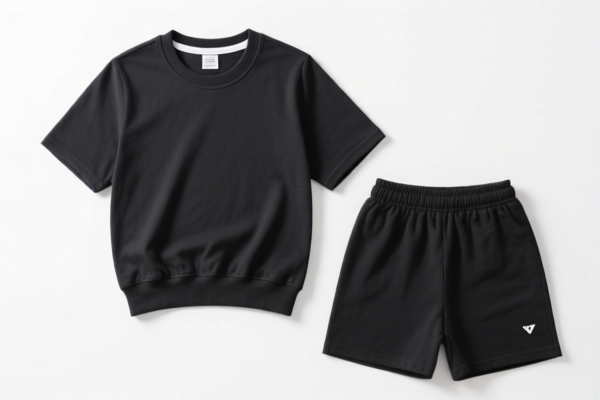
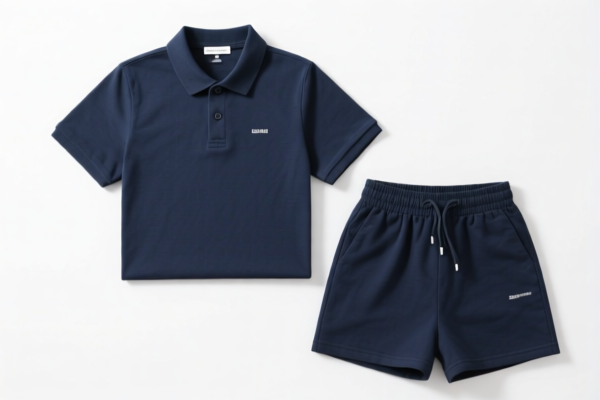
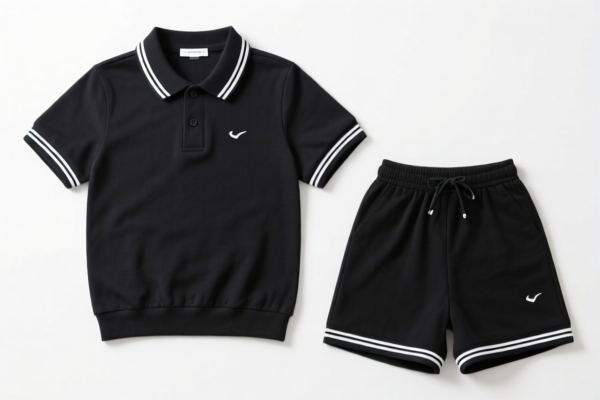
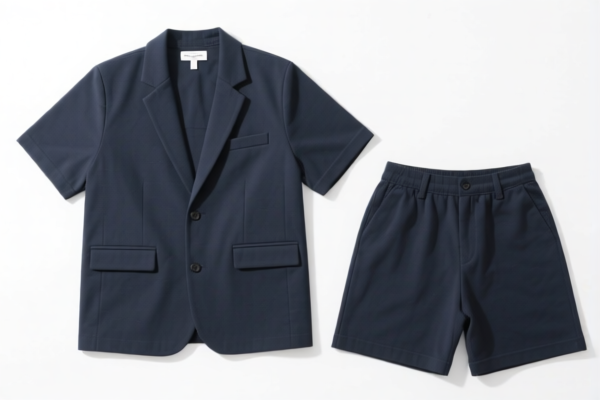
AI Analysis
💃 Short Sleeve Dance Clothing (K/S Dancewear)
🌐 HS Code Reference & Customs Clearance Guide | 2026 Latest Tariff Analysis | Professional-Level Strategy
📌 I. Product Definition & Classification: Do You Really Understand "Short Sleeve Dancewear"?
Short sleeve dance clothing covers a wide range of performance wear, typically made from knitted or woven synthetic fibers or cotton blends. In international trade, the classification depends heavily on fabric construction (Knitted vs. Woven), material composition (Synthetic vs. Cotton), and garment type (T-shirt vs. Shirt).
Key Distinction Points:
- Knitted (61xx): Stretchy, jersey, or mesh fabrics (e.g., leotards with short sleeves, performance t-shirts).
- Woven (62xx): Structured fabrics like poplin, polyester blends (e.g., button-down dance shirts, rigid performance tops).
⚠️ Critical Warning:
- If it is a knitted T-shirt or jersey top → Look at Chapter 61.
- If it is a woven shirt/blouse → Look at Chapter 62.
- Misclassification leads to significant tariff discrepancies due to US trade restrictions (Section 301, 122, etc.).
📦 II. HS Code Classification Details (2026 Latest Tariff Authority)
Below are the specific HS Codes and tax rates extracted from the provided data for short sleeve dancewear:
| HS Code | Product Description | Material/Construction | Total Tax Rate |
|---|---|---|---|
6114.20.00.10 |
Long-sleeve dance costume* | Knitted/Knitted, Cotton or Synthetic Blend | 28.3% |
6109.10.00.12 |
Short-sleeve T-shirts | Knitted, Cotton/Polyester | 34.0% |
6104.23.00.36 |
Short-sleeve Shirts/Blouses | Woven/Synthetic (Ensemble parts) | Rate of individual garment + 17.5% |
6205.20.20.31 |
Short-sleeve Shirts | Woven, Cotton/Mix | 37.2% |
6205.20.20.26 |
Short-sleeve Men's Shirts | Woven, Cotton | 37.2% |
📌 Note on HS Code
6114.20.00.10:
Although the input is "Short Sleeve," the data provided for this specific code describes "Long-sleeve" dance costumes. If your product is truly short-sleeve knitted dancewear, it may fall under other 6114 subheadings not listed here, or be misclassified if you strictly follow this data row. Please verify sleeve length. For generic short-sleeve knitted tops,6109.10.00.12(T-shirts) or6104.23.00.36(Shirts) are more likely candidates depending on structure.
💰 III. 2026 Latest Tariff Rate Breakdown (Including Surcharges)
✅ Applicable Country: United States (US)
✅ Origin: China (CN)
✅ Effective Time: Current Trade Restrictions Apply
🎯 1. 6109.10.00.12 – Short-Sleeve T-Shirts (Knitted)
Most common for casual dance practice wear or undergarments.
| Item | Detail |
|---|---|
| Base Tariff | 16.5% |
| Section 301 Surcharge | +7.5% |
| Section 122 Tariff | +10% |
| Total Tax Rate | 34.0% |
| Calculation Basis | CIF Value × 34.0% |
| De Minimis Eligibility | ❌ Not Eligible (High tariff rate typically disqualifies low-value shipments from Section 321 exemption in strict interpretations) |
| Legal Path | Base Tariff: 16.5% + Surcharge: 7.5% + Section 122: 10% |
📌 Explanation:
- Knitted cotton/polyester T-shirts are subject to a high base duty.
- The addition of Section 301 and Section 122 tariffs brings the total cost burden to 34% of the product value.
🎯 2. 6205.20.20.31 & 6205.20.20.26 – Woven Shirts (Cotton/Mix)
Typical for formal dance costumes, ballroom shirts, or structured performance tops.
| Item | Detail |
|---|---|
| Base Tariff | 19.7% |
| Section 301 Surcharge | +7.5% |
| Section 122 Tariff | +10% |
| Total Tax Rate | 37.2% |
| Calculation Basis | CIF Value × 37.2% |
| De Minimis Eligibility | ❌ Not Eligible |
| Legal Path | Base Tariff: 19.7% + Surcharge: 7.5% + Section 122: 10% |
📌 Explanation:
- Woven shirts have a higher base duty (19.7%) than knitted T-shirts (16.5%).
- The total tax rate of 37.2% is the highest in this dataset, making cost control critical for woven dance apparel.
🎯 3. 6104.23.00.36 – Short-Sleeve Woven/Synthetic Shirts
Often applies to sets or ensembles where individual items are entered separately.
| Item | Detail |
|---|---|
| Base Tariff | "Rate applicable to each garment in the ensemble if separately entered" |
| Section 301 Surcharge | +7.5% |
| Section 122 Tariff | +10% |
| Total Tax Rate | Variable + 17.5% (Surcharge sum) |
| Legal Path | Base Rate (Varies) + Surcharge: 7.5% + Section 122: 10% |
📌 Explanation:
- This code is complex. If the garment is part of an ensemble but entered separately, you must calculate the base rate for that specific item, then add the 17.5% in combined surcharges (7.5% + 10%).
🎯 4. 6114.20.00.10 – Knitted Dance Costumes (Note: Data says Long-Sleeve)
For specialized dance costumes.
| Item | Detail |
|---|---|
| Base Tariff | 10.8% |
| Section 301 Surcharge | +7.5% |
| Section 122 Tariff | +10% |
| Total Tax Rate | 28.3% |
| Calculation Basis | CIF Value × 28.3% |
| Legal Path | Base Tariff: 10.8% + Surcharge: 7.5% + Section 122: 10% |
📌 Explanation:
- Specialized "dance costumes" may qualify for a lower base duty (10.8%) compared to standard apparel.
- However, verify sleeve length. If your product is short-sleeve, ensure it doesn't get misclassified here if the description explicitly requires "long-sleeve."
🛠️ IV. Customs Clearance Practical Advice (Avoiding Pitfalls)
✅ 1. Preparation Checklist (Non-Negotiable)
| Document | Required | Notes |
|---|---|---|
| Product Specifications | ✔️ | Material composition (e.g., 95% Cotton/5% Spandex), knit/weave structure. |
| Photos (Labeled) | ✔️ | Front/back view, showing sleeve length (short vs. long), closures (buttons vs. pullover). |
| Commercial Invoice | ✔️ | Must clearly state "Dance Costume" or "T-Shirt," not generic "Garment." |
| Origin Certificate | ✔️ | To confirm CN origin and apply correct surcharges. |
| Care Label | ✔️ | Helps verify material claims. |
✅ 2. Classification Strategy (Key Mantra)
🔥 “Knit is 61, Woven is 62; Check Sleeve Length, Check Fabric Type!”
| Scenario | Correct HS Code Category | Risk of Error |
|---|---|---|
| Knitted T-shirt for dance practice | 6109.10.00.12 (34.0%) |
Low. Standard classification. |
| Woven Button-Down Dance Shirt | 6205.20.20.31/26 (37.2%) |
Medium. Must prove it's a "shirt" (collar, cuffs, buttons). |
| Specialized Leotard/Dance Costume | 6114.20.00.10 (28.3%) |
High. Ensure it fits the "dance costume" definition and sleeve length matches description. |
| Synthetic Blend Ensemble | 6104.23.00.36 (Variable) |
High. Complex calculation; requires precise itemization. |
✅ 3. Special Considerations
| Situation | Advice |
|---|---|
| Short vs. Long Sleeve | The data for 6114.20.00.10 specifies "Long-sleeve". If you import short-sleeve dance costumes, do NOT force them into this code if the description is strict. Look for other 6114 subheadings or use 6109/6104. |
| Material Mismatch | If you declare "Cotton" but it's "Polyester," customs may reclassify to a higher tax bracket. Be accurate. |
| "Dance" Specificity | Using the term "Dance Costume" might help justify classification under 6114, but ensure the item isn't just a regular T-shirt with a print. Functional design matters. |
🌍 V. Global Market Comparison (2026 Focus)
| Market | Key HS Code for Dancewear | Approx. Total Duty | Notes |
|---|---|---|---|
| 🇺🇸 USA | 6109 / 6205 / 6114 |
28.3% – 37.2% | Heavy surcharges (Section 301 + 122) apply to CN origin. |
| 🇨🇳 China | Various | 5% – 14% | Lower base duties, no Section 301/122 surcharges on imports. |
| 🇪🇺 EU | Various | 8% – 12% | No Section 122 equivalent; generally lower than US. |
| 🇨🇦 Canada | Various | 16% – 18% | Generally moderate, no US-style punitive tariffs. |
📌 Conclusion:
- The USA is the most expensive market for Chinese-made dancewear due to the cumulative effect of Base + Section 301 + Section 122 tariffs.
- Woven shirts (6205) are taxed higher than knitted T-shirts (6109) or costumes (6114).
📌 VI. Common Errors & Pitfalls (Lessons Learned)
❌ Error 1: Classifying a short-sleeve T-shirt as a "Dance Costume" (6114) to get a lower base rate (10.8% vs 16.5%).
👉 Risk: Customs may reject if the item lacks specific dance costume features (seams, specialized cut) or if the "long-sleeve" description in 6114.20.00.10 is violated.
👉 Result: Re-classification, penalties, and delays.
❌ Error 2: Ignoring Section 122 Tariffs (10%).
👉 Risk: Underestimating total landed cost.
👉 Result: Margin erosion. Always calculate Base + 7.5% + 10%.
❌ Error 3: Misidentifying Knitted vs. Woven.
👉 Risk: Knitted (Ch 61) and Woven (Ch 62) have different base rates and legal definitions.
👉 Result: Wrong HS Code, potential fraud allegations if done intentionally.
✅ Correct Approach:
“Short Sleeve Dance T-Shirt, Knitted, 100% Cotton, Model ABC” → Use
6109.10.00.12(34.0%).
“Men’s Woven Dance Shirt, Cotton, Button-Down” → Use6205.20.20.31(37.2%).
🎯 VII. Conclusion: Precision Pays Off
🎯 Remember the Mantra:
🔹 “Base + 7.5 + 10 = Total Pain”
🔹 “Woven is more expensive than Knit”
🔹 “Check Sleeve Length on Code 6114”
📌 Pro Tip:
If you are importing large volumes, consider applying for Exclusions from Section 301 or 122 tariffs if available, or explore duty drawback programs.
Always request a Pre-Ruling from US Customs and Border Protection (CBP) if your product falls into a gray area (e.g., is it a "costume" or just a "T-shirt"?).
📣 Action Item:
📞 Verify Fabric Construction: Is it Knitted or Woven?
📞 Confirm Sleeve Length: Does it match the HS Code description?
📞 Calculate Landed Cost: Use the 28.3% - 37.2% range for accurate pricing.
✨ Smart Classification Saves Big Money!
💼 Don’t let 37.2% tariffs eat your profits!
Customer Reviews
About HS Code Classification
The Harmonized System (HS) is an internationally standardized nomenclature developed by the World Customs Organization (WCO) to classify traded products. Over 200 countries use the HS system as the basis for customs tariffs, trade statistics, and import/export regulations.
Each HS code follows a hierarchical structure:
- Chapter (2 digits) — Broad category of goods (e.g., Chapter 84: Machinery and Mechanical Appliances)
- Heading (4 digits) — More specific grouping within the chapter
- Subheading (6 digits) — Internationally standardized breakdown, used by all WCO member countries
- National subdivisions (8-10 digits) — Country-specific extensions for further classification, such as US HTSUS 10-digit codes
Correct HS code classification is essential for smooth customs clearance, accurate duty payment, and compliance with trade regulations. Misclassification can lead to customs delays, overpayment of duties, or penalties.
When importing from CN to US, the applicable tariff rates may include:
- Most-Favored-Nation (MFN) rate — The standard duty rate applied to WTO members
- General rate — Applied to countries without trade agreements
- Trade remedy duties — Additional tariffs such as Section 301 (anti-dumping), Section 232 (national security), or countervailing duties
The information provided on this page is for reference purposes only. For official classification, please consult with your local customs authority or a licensed customs broker.