Short Wallet
CN → US| HS Code | Tariff Rate | Origin | Destination | Doc |
|---|---|---|---|---|
| 4202316000 | 43.0% | CN | US | Official Doc |
| 4202322000 | 55.0% | CN | US | Official Doc |
Product Images
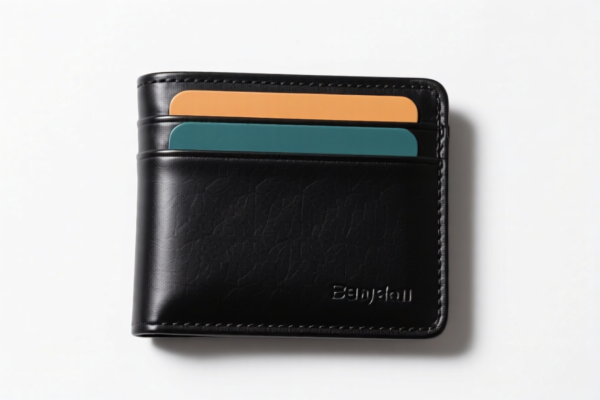
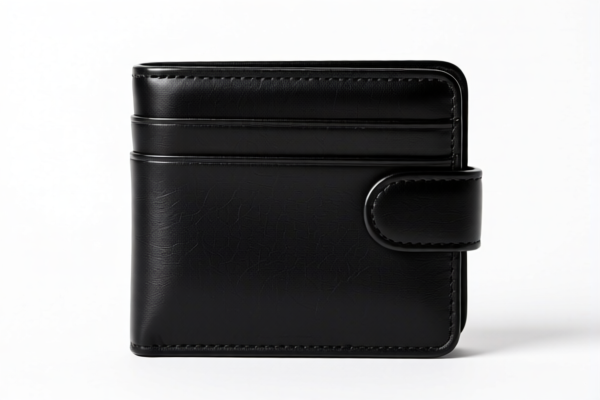
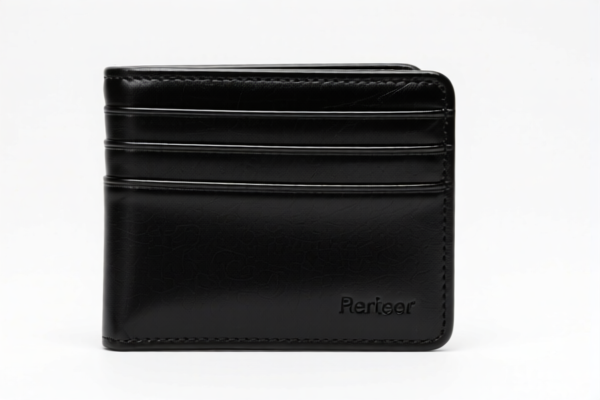
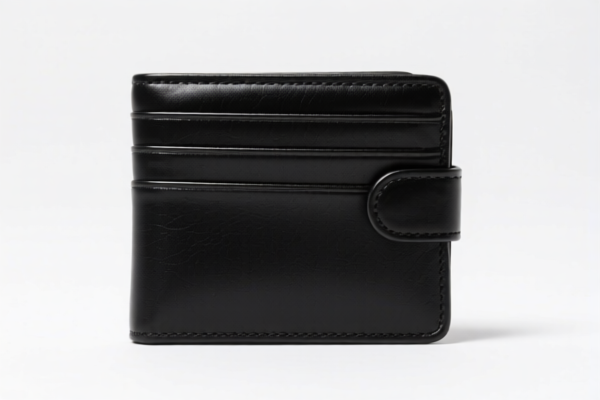
AI Analysis
👛 Short Wallets (Leather, Plastics, Textiles)
🌐 HS Code Reference & Customs Clearance Guide | 2024-2025 Latest Tariff Analysis | Professional Entry Strategies
📌 I. Product Definition & Classification: Do You Know Your "Short Wallet"?
A Short Wallet (often referred to as a "bi-fold," "trifold," or simply "wallet" in trade data) is a small container specifically designed to be carried in a pocket or handbag. In international trade, these are strictly classified under Heading 4202.
Crucially, the classification depends entirely on the outer surface material:
1. Leather/Composition Leather (Category A)
- Includes genuine leather, artificial leather (PU/PVC leather), and reconstituted leather.
- Typical items: Business card holders, checkbook covers, simple bi-folds with a leather-like exterior.
2. Plastic Sheeting or Textile Materials (Category B)
- Includes PVC, polyurethane (PU), nylon, polyester, canvas, or rubberized fabric.
- Typical items: Nylon cardholders, PVC coin purses, fabric billfolds.
⚠️ Key Distinction Point:
- If the outer surface is Leather → Go to 4202.31.xxxx
- If the outer surface is Plastic/Textile → Go to 4202.32.xxxx
- Do NOT classify under "General Accessories" or "Fashion Items" outside of Chapter 42; this is a specific container classification.
📦 II. HS Code Classification Details (Latest Tariff Authority Match)
Based on the provided <DATA>, here are the precise HS codes and their corresponding descriptions for "Short Wallets."
| HS Code | Product Description (Official Text) | Material Type | Typical Use Case |
|---|---|---|---|
4202.31.60.00 |
Articles of a kind normally carried in the pocket or in the handbag: With outer surface of leather or of composition leather: Other | Leather (Genuine, Artificial, Composition) | Leather business card holders, leather checkbook covers, premium leather bi-folds. |
4202.32.20.00 |
Articles of a kind normally carried in the pocket or in the handbag: With outer surface of sheeting of plastics or of textile materials: With outer surface of sheeting of plastics: Other | Plastic Sheeting (PVC, PU, Rubber, Vinyl) | Nylon wallets, PVC coin purses, synthetic leather wallets, textile billfolds. |
🔍 Critical Note:
- Both codes fall under "Articles of a kind normally carried in the pocket or in the handbag".
-4202.31.60.00is for Leather/Composition Leather.
-4202.32.20.00is for Plastic Sheeting (which includes many synthetic materials often mistaken for leather, such as high-quality PU that is technically classified as plastic sheeting in this specific subheading structure if not meeting the "composition leather" definition strictly, but typically4202.32.20.00captures the "Plastic/Textile" bucket in the provided data).
💰 III. 2024-2025 Tariff Rate Detail (Zero Duty)
✅ Applicable Country: United States (US)
✅ Origin: Any Origin (Not specifically restricted to China in the tax data provided)
✅ Effective Time: Current Tariff Schedule
🎯 1. 4202.31.60.00 – Short Wallets (Leather/Composition Leather)
| Item | Content |
|---|---|
| Base Tariff | 0.0% |
| Additional Tariff (Section 301/Other) | 0.0% |
| Total Effective Tax Rate | 0.0% |
| Tax Calculation | CIF Value × 0% = $0 |
| De Minimis Eligibility | ✅ Yes (Generally applies, subject to value limits under $800 for de minimis entry) |
| Legal Basis | US HTS 2024/2025 Harmonized Tariff Schedule |
📌 Explanation:
- This is a duty-free classification for short wallets made of leather or composition leather.
- There are no additional Section 301 tariffs listed for this specific HS code in the provided data.
- This makes it a highly competitive product for importers targeting the US market.
🎯 2. 4202.32.20.00 – Short Wallets (Plastic Sheeting)
| Item | Content |
|---|---|
| Base Tariff | 0.0% |
| Additional Tariff (Section 301/Other) | 0.0% |
| Total Effective Tax Rate | 0.0% |
| Tax Calculation | CIF Value × 0% = $0 |
| De Minimis Eligibility | ✅ Yes |
| Legal Basis | US HTS 2024/2025 Harmonized Tariff Schedule |
📌 Explanation:
- This is also a duty-free classification.
- Even if the wallet is made of PVC, Nylon, or Polyester, the tax rate remains 0.0%.
- No surcharges or anti-dumping duties are indicated for this code in the dataset.
🛠️ IV. Customs Clearance Practical Advice (Real-World Pitfall Avoidance)
✅ 1. Essential Documentation Checklist (Do Not Miss)
| Document | Must Provide? | Description |
|---|---|---|
| ✅ Commercial Invoice | ✔️ | Must clearly state "Short Wallet" and specify material (e.g., "Polyester Wallet" or "PU Leather Wallet"). |
| ✅ Product Photos | ✔️ | Clear images showing the outer surface material. This is critical for customs officers to verify if it's leather vs. plastic/textile. |
| ✅ Material Composition Statement | ✔️ | Specify % of outer material (e.g., "100% Nylon Outer," "80% Cow Leather Outer"). |
| ✅ Packing List | ✔️ | Detail net weight and quantity. |
| ✅ Brand Information | ✔️ | If branded, provide trademark authorization to avoid IP issues. |
✅ 2. Declaration Tips (Key Mantras)
🔥 “Material Dictates Code, Pocket Dictates Heading!”
| Scenario | Correct Declaration | Wrong Practice |
|---|---|---|
| Wallet with Leather Look | If it's Artificial Leather (PU) classified as "Composition Leather" → 4202.31.60.00If it's Pure Plastic/PVC → 4202.32.20.00 |
Saying "Fashion Bag" → Misclassification Risk |
| Wallet Made of Nylon | Use 4202.32.20.00 (Plastic/Textile) |
Misclassifying as Leather → Potential Audit |
| Large Travel Wallet | If it exceeds "pocket/handbag" size (e.g., large clutch), it might fall under 4202.92 (Travel Bags) |
Using Short Wallet Code for Large Bags → Duty Discrepancy |
| Card Holder Only | Still 4202.31 or 4202.32 as it is a "wallet" article |
Misclassifying as "Other" → Delayed Clearance |
✅ 3. Special Case Handling
| Situation | Handling Advice |
|---|---|
| Mixed Material (e.g., Leather Body + Plastic Zipper) | Classified based on the outer surface material. If leather is the main outer surface, use 4202.31.60.00. |
| Set of Wallet + Keychain | Declare as a Set. The principal component determines the HS code. If wallet is principal, use wallet code. |
| Gift Sets with Non-Leather Items | Ensure the invoice value reflects the set value. If non-dutiable items are included, they may be grouped under the same 0% rate if HS codes align. |
| Counterfeit/Imitation Brands | Strictly Prohibited. Even with 0% duty, IP violations lead to seizure, fines, and blacklisting. |
🌍 V. Global Market Clearance Comparison (2024-2025)
| Country/Region | Recommended HS Code | Tariff Rate | Certification Requirements | Notes |
|---|---|---|---|---|
| 🇺🇸 USA | 4202.31.60.00 or 4202.32.20.00 |
0.0% | None specific for duty | Duty-Free! |
| 🇨🇳 China | 4202.31.60.00 or 4202.32.20.00 |
0% - 10%* | None | Import tax may apply depending on origin FTA |
| 🇪🇺 EU | 4202.31.10 or 4202.32.90 |
0% - 12%* | CE (if electronic) | Varies by member state |
| 🇬🇧 UK | 4202.31 or 4202.32 |
4.5%* | UKCA (if applicable) | Post-Brexit tariffs may apply |
| 🇯🇵 Japan | 4202.31 or 4202.32 |
0%* | None | Generally duty-free for most origins |
📌 Conclusion:
- The USA offers a 0% duty rate for these specific short wallet codes, making it a cost-effective market.
- Always verify if the "Composition Leather" meets the US definition; otherwise, it may be classified as plastic, which is also 0% in this dataset, so the risk is low.
- For other markets, check local FTAs (Free Trade Agreements) for potential reductions.
📌 VI. Common Mistakes & Pitfall Guide (Lessons from Experience)
❌ Mistake 1: Classifying a Nylon Wallet as Leather (4202.31)
👉 Consequence: Customs may reject the declaration, demand reclassification, or impose penalties if the duty rate was supposed to be different in other jurisdictions. In the US, both are 0%, but accuracy is still required for data reporting.
❌ Mistake 2: Classifying a Large Clutch Bag as a Short Wallet
👉 Consequence: Large clutches are often "Travel Bags" (4202.92). Misclassification can lead to higher duties if the travel bag code has a tax rate (e.g., 4.5% in EU).
❌ Mistake 3: Ignoring Material Composition
👉 Consequence: If the wallet is 50% Leather and 50% Plastic, it must be classified based on the essential character. If leather is the outer surface, use 4202.31.60.00. Incorrect material declaration leads to audits.
✅ Correct Practice:
"Short Bi-Fold Wallet, Outer Surface: 100% Polyurethane (Plastic Sheeting), Internal: Fabric, 8 Card Slots, 2 Bill Folds, Model XYZ"
🎯 VII. Conclusion: Professional Declaration, Save Time, Lower Costs!
🎯 Remember the Mantra:
🔹 "Leather is 31, Plastic is 32, Both are 0% in the US!"
🔹 "Check the Outer Surface, Not the Inside!"
📌 Pro Tip:
If you are importing small quantities (<$800) into the USA, you can use De Minimis entry (Section 321) for 0% duty and no formal entry paperwork, making short wallets extremely easy to ship via courier (DHL, FedEx, UPS).
📣 Immediate Action:
📞 Verify Material: Confirm if your wallet is "Leather/Composition Leather" or "Plastic/Textile."
📝 Label Correctly: Use precise descriptions like "PU Leather Wallet" or "Nylon Wallet."
🚀 Ship Smart: Use De Minimis for small batches to avoid formal customs entry fees.
✨ Professional Customs Clearance Starts with Accurate Classification!
💼 Every Cent Saved is a Cent Earned!
Customer Reviews
About HS Code Classification
The Harmonized System (HS) is an internationally standardized nomenclature developed by the World Customs Organization (WCO) to classify traded products. Over 200 countries use the HS system as the basis for customs tariffs, trade statistics, and import/export regulations.
Each HS code follows a hierarchical structure:
- Chapter (2 digits) — Broad category of goods (e.g., Chapter 84: Machinery and Mechanical Appliances)
- Heading (4 digits) — More specific grouping within the chapter
- Subheading (6 digits) — Internationally standardized breakdown, used by all WCO member countries
- National subdivisions (8-10 digits) — Country-specific extensions for further classification, such as US HTSUS 10-digit codes
Correct HS code classification is essential for smooth customs clearance, accurate duty payment, and compliance with trade regulations. Misclassification can lead to customs delays, overpayment of duties, or penalties.
When importing from CN to US, the applicable tariff rates may include:
- Most-Favored-Nation (MFN) rate — The standard duty rate applied to WTO members
- General rate — Applied to countries without trade agreements
- Trade remedy duties — Additional tariffs such as Section 301 (anti-dumping), Section 232 (national security), or countervailing duties
The information provided on this page is for reference purposes only. For official classification, please consult with your local customs authority or a licensed customs broker.