Short boots with plastic outsole and protective metal toe cap
CN → US| HS Code | Tariff Rate | Origin | Destination | Doc |
|---|---|---|---|---|
| 6401929060 | 55.0% | CN | US | Official Doc |
| 6401929030 | 55.0% | CN | US | Official Doc |
| 6402914067 | 16.0% | CN | US | Official Doc |
| 3926909989 | 22.8% | CN | US | Official Doc |
| 6402914050 | 16.0% | CN | US | Official Doc |
Product Images
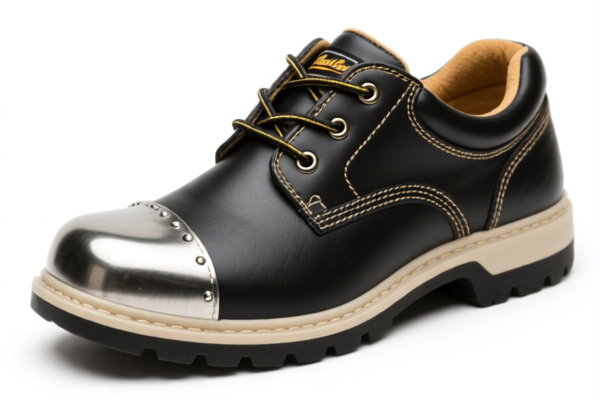
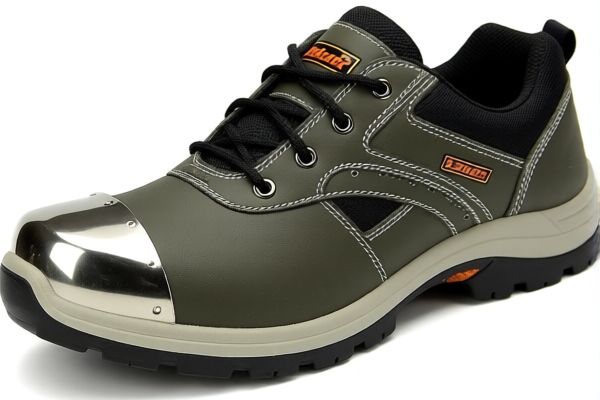
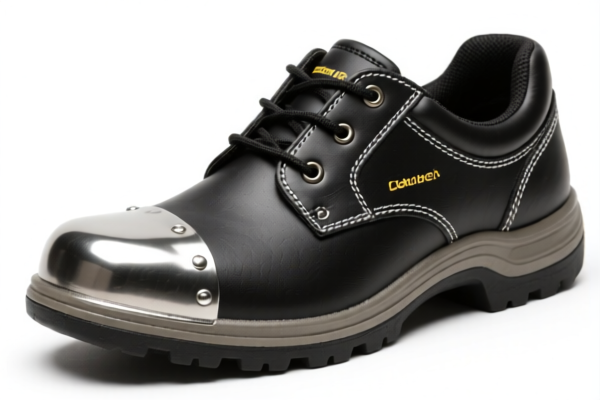
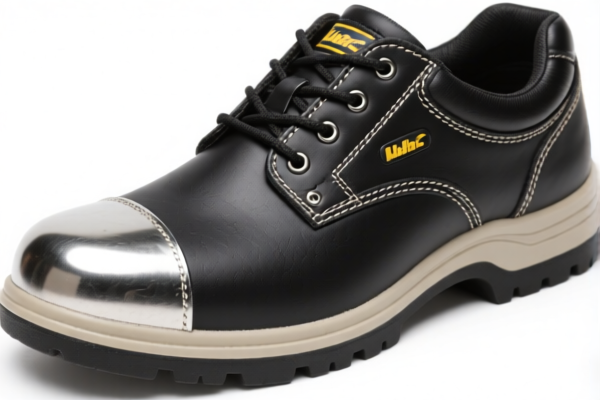
AI Analysis
🥾 Safety Boots with Plastic Outsole & Metal Toe Cap (Protective Footwear)
🌐 HS Code Reference & Customs Clearance Guide | 2026 Latest Tariff Analysis | Professional Compliance Strategy 📌 I. Product Definition & Classification: Do You Know "Safety Boots"?
Safety boots are specialized protective footwear designed to protect the wearer's feet from industrial hazards. The key feature here is the Protective Metal Toe Cap (often meeting ASTM F2413 or ISO 20345 standards) combined with a Plastic Outsole.
In international trade, they are primarily categorized under Footwear with Outer Soles of Rubber or Plastics, specifically those designed for protection. The presence of the toe cap and the specific material composition (plastic outsole/upper) drives the classification.
⚠️ Key Classification Point:
- If the outer sole is plastic/rubber AND it has protective features (like metal toe cap) → It is generally considered "Protective Footwear" or "Special Purpose Footwear" under Chapter 64. - If the upper is also plastic/rubber, it falls under 6402 or 6401 depending on specific construction and water-proofing features. - ⚠️ Do NOT misclassify as generic plastic shoes (6402.91) if they have specific protective safety certifications, as this can lead to duty disputes.
📦 II. HS Code Classification Details (Based on Provided Data)
According to the provided dataset, the classification of "Short boots with plastic outsole and protective metal toe cap" leads to several possible HS Codes, primarily driven by the specific duty rates and tariff details associated with them.
| HS Code | Product Description (from Data) | Key Features | Total Tax Rate | Tax Breakdown |
|---|---|---|---|---|
6401.92.90.60 |
Plastic short ankle boots, outsole is plastic. | Meets the characteristic of rubber/plastic and covers the ankle. | 55.0% | Base: 37.5% Add-on: 7.5% Section 122: 10% |
6401.92.90.30 |
Plastic short ankle boots, outsole is plastic. | Fits work shoe attributes, covers ankle but not knee. | 55.0% | Base: 37.5% Add-on: 7.5% Section 122: 10% |
6402.91.40.67 |
Plastic short ankle boots, upper is plastic. | Covers ankle, belongs to other non-specific purpose footwear. | 16.0% | Base: 6.0% Add-on: 0.0% Section 122: 10% |
3926.90.99.89 |
Plastic products, plastic short ankle boots. | Belongs to the category of other plastic products. | 22.8% | Base: 5.3% Add-on: 7.5% Section 122: 10% |
6402.91.40.50 |
Plastic short ankle boots, upper is plastic. | Covers ankle, belongs to other footwear. | 16.0% | Base: 6.0% Add-on: 0.0% Section 122: 10% |
🔍 Critical Insight:
The data shows a significant divergence in tax rates (16% to 55%) for what appears to be a similar product. This usually depends on: 1. Chapter Interpretation: Is it viewed as "Footwear" (Ch 64) or "Plastic Articles" (Ch 39)? 2. Specific Purpose: Is it declared as "Work/Safety Shoes" (often higher scrutiny/duty) or "General Fashion/Utility"? 3. Material Breakdown: "Plastic outsole" vs. "Plastic upper".
💰 III. 2026 Latest Tariff Rate Detail (Including Surcharges)
✅ Applicable Country: United States (US)
✅ Origin: China (CN)
✅ Effective Date: Post-2025 policies including Section 301, Section 122, and Base Duties.
🎯 1. High-Tax Category: 6401.92.90.60 & 6401.92.90.30 (55.0% Total)
These codes classify the boots as water-resistant or specific work footwear with plastic outsoles, attracting higher base duties due to "work shoe" attributes or specific construction features.
| Item | Detail |
|---|---|
| Base Duty | 37.5% |
| Section 301 Add-on | 7.5% |
| Section 122 Tariff | 10% |
| Total Tax Rate | 55.0% |
| Calculation | CIF Value × 55% |
| De Minimis Exemption | ❌ Not Eligible |
| Legal Path | HTSUS 6401.92.90 → Section 301 List 4 → Section 122 Proclamation |
📌 Explanation:
- The 37.5% base rate is typical for certain imported footwear from China. - The 7.5% Section 301 tariff applies to many footwear items from China. - The 10% Section 122 tariff is a recent enforcement addition for specific goods. - Total 55% is a very high barrier. Proper classification is critical.
🎯 2. Low-Tax Category: 6402.91.40.67 & 6402.91.40.50 (16.0% Total)
These codes classify the boots as plastic upper/lower footwear that is not specifically designated as "water-resistant footwear" (6401) or "protective safety footwear" with high base duties. Note: Section 122 (10%) still applies, but the base duty is much lower (6.0%).
| Item | Detail |
|---|---|
| Base Duty | 6.0% |
| Section 301 Add-on | 0.0% (Exempted or not applicable for this subheading) |
| Section 122 Tariff | 10% |
| Total Tax Rate | 16.0% |
| Calculation | CIF Value × 16% |
| De Minimis Exemption | ❌ Not Eligible (Section 122 usually negates de minimis for covered goods) |
| Legal Path | HTSUS 6402.91.40 → Section 122 Proclamation |
📌 Explanation:
- This is the preferred classification if the product can be argued as general "plastic footwear" rather than "specialized safety/work footwear" with high base duties. - The 0% Section 301 is a significant saving compared to the 55% category. - Critical: You must prove the boots do not fit the stricter definition of "water-resistant rubber/plastic footwear" (6401) or that they fall under the general "other footwear" (6402) basket which has lower base rates.
🎯 3. Alternative Classification: 3926.90.99.89 (22.8% Total)
This classifies the boots not as footwear, but as other plastic articles. This is a risky classification if the item is clearly footwear, but sometimes used if the boots are considered more "plastic accessory" than functional footwear.
| Item | Detail |
|---|---|
| Base Duty | 5.3% |
| Section 301 Add-on | 7.5% |
| Section 122 Tariff | 10% |
| Total Tax Rate | 22.8% |
| Risk | HIGH. Customs may reject this if the item is undeniably footwear. |
📌 Explanation:
- Lower base duty (5.3%) than Chapter 64 footwear. - However, misclassification of footwear as plastic articles can lead to penalties, seizures, or forced reclassification with back-duties.
🛠️ IV. Customs Clearance Practical Advice (Real-World Pitfall Guide)
✅ 1. Preparation Checklist (Do Not Miss Anything)
| Document | Required | Description |
|---|---|---|
| ✅ Product Specification Sheet | ✔️ | Must detail: Material of Upper (Plastic?), Outsole (Plastic?), Toe Cap (Metal?), Heel Height, Waterproofing status. |
| ✅ Safety Certification | ✔️ | ASTM F2413-18 or ISO 20345 certificates for the "Protective Metal Toe Cap". This is crucial for proving "Safety Shoe" status. |
| ✅ Product Photos | ✔️ | Clear shots of the toe cap (if visible), outsole material, and interior. |
| ✅ Commercial Invoice | ✔️ | Must clearly state "Plastic Ankle Boots with Metal Toe Cap" and intended use (Industrial/Safety vs. Fashion). |
| ✅ Bill of Lading/Packing List | ✔️ | Consistent with invoice. |
✅ 2. Classification Strategy (Key Mnemonics)
🔥 "Waterproof = 6401 (High Duty); Non-Waterproof/Plastic Upper = 6402 (Lower Duty); Plastic Product = 3926 (Risky)"
| Scenario | Correct HS Code | Duty | Wrong Classification | Consequence |
|---|---|---|---|---|
| Waterproof plastic boots | 6401.92.90.xx |
55% | 6402 |
Under-declaration penalty |
| Non-waterproof plastic boots (General) | 6402.91.40.xx |
16% | 6401 |
Over-taxation (save money) |
| Industrial Safety Boots (High Protection) | 6401 or 6402 |
16-55% | 3926 |
Misclassification risk |
| Plastic Fashion Boots (No Safety) | 6402.91.40.xx |
16% | 6401 |
If not waterproof |
📌 Important:
- The Metal Toe Cap suggests "Safety Shoe". However, if the outsole is plastic and it is not waterproof, it may fall under 6402. - If customs deems it a "Work Shoe" with specific protective standards, they may push for 6401 or apply stricter scrutiny. - Avoid3926unless the boots are very rudimentary and not clearly intended for wearing as primary footwear.
✅ 3. Special Situations
| Situation | Handling Advice |
|---|---|
| OEM Safety Boots | Provide ASTM/ISO certificates. Declare "Safety Footwear" but argue for 6402 if non-waterproof to save duty. |
| Mixed Materials | If the upper is partly fabric/plastic, the classification changes. Ensure "Plastic Upper" is dominant if targeting 6402.91.40. |
| Section 122 Impact | All codes above include a 10% Section 122 tariff. No exemption. Factor this into cost. |
| De Minimis | No exemption for these codes from China due to Section 301 and Section 122. Full duty applies at entry. |
🌍 V. Global Market Comparison (2026 Latest)
| Country/Region | Recommended HS Code | Duty Rate (China Origin) | Certification Req. | Notes |
|---|---|---|---|---|
| 🇺🇸 USA | 6402.91.40.xx (Preferred) |
16% (Base 6% + S122 10%) | ASTM F2413 (if safety) | Avoid 6401 (55%) unless waterproof. |
| 🇨🇳 China | 6402.91.40.xx |
10-14% (Import Duty) | CCC (if applicable) | Lower import duty, but different system. |
| 🇪🇺 EU | 6402.91.xx |
~14% | CE (PPE Regulation) | Safety boots require CE PPE marking. |
| 🇬🇧 UK | 6402.91.xx |
~14% | UKCA | Post-Brexit rules apply. |
| 🇨🇦 Canada | 6402.91.xx |
0-16% (MFN) | CSA Z195 | Check USMCA if origin shifts. |
📌 Conclusion:
- USA is the most challenging market due to high Section 301 and Section 122 tariffs. - Minimizing duty requires careful argumentation for 6402.91.40 (16%) over 6401.92.90 (55%). - Evidence is key: Show that the boots are NOT waterproof to avoid 6401.
📌 VI. Common Errors & Pitfalls (Lessons Learned)
❌ Error 1: Declaring "Waterproof" when it's not.
👉 Consequence: Customs may still classify as 6401 if material suggests water resistance, leading to 55% duty.
✅ Fix: Be accurate. If not waterproof, state "Non-Waterproof Plastic Boots".
❌ Error 2: Using 3926 for functional safety boots.
👉 Consequence: Customs inspection may reveal it's footwear, resulting in misclassification penalties and retroactive duties (16-55%).
✅ Fix: Use Chapter 64 for any item clearly designed as footwear.
❌ Error 3: Ignoring Section 122.
👉 Consequence: Budgeting for 6-37.5% duty only, only to be hit with an extra 10%.
✅ Fix: Always add 10% Section 122 to your cost model for China-origin goods.
❌ Error 4: Missing Safety Certifications.
👉 Consequence: If declared as "Safety Boots" but no ASTM/ISO cert provided, customs may question the "Protective" claim, leading to delays.
✅ Fix: Have certificates ready for audit.
🎯 VII. Conclusion: Professional Classification Saves Money
🎯 Remember the Mnemonic:
🔹 "Non-Waterproof Plastic Boots = 6402.91.40 = 16% Total Duty!"
🔹 "Waterproof or High-Safety Work Boots = 6401.92.90 = 55% Total Duty!"
🔹 "Section 122 is 10% on ALL China Footwear."
📌 Pro Tip:
If your boots are not waterproof and have a plastic upper/outsole, aggressively pursue the 6402.91.40.xx classification. Provide evidence that they are not "rubber/plastic waterproof footwear" (6401). This single step can save you 39% in duty (from 55% to 16%).
📣 Immediate Action:
📞 Consult a customs broker to review your product samples and specifications.
📄 Request a Binding Ruling from US Customs (CBP) if the volume is high, to lock in the 16% rate.
🚀 Optimize your supply chain and cost structure knowing the 16% vs 55% risk.
✨ Professional clearance starts with precise classification!
💼 Every percentage point saved is pure profit!
Customer Reviews
About HS Code Classification
The Harmonized System (HS) is an internationally standardized nomenclature developed by the World Customs Organization (WCO) to classify traded products. Over 200 countries use the HS system as the basis for customs tariffs, trade statistics, and import/export regulations.
Each HS code follows a hierarchical structure:
- Chapter (2 digits) — Broad category of goods (e.g., Chapter 84: Machinery and Mechanical Appliances)
- Heading (4 digits) — More specific grouping within the chapter
- Subheading (6 digits) — Internationally standardized breakdown, used by all WCO member countries
- National subdivisions (8-10 digits) — Country-specific extensions for further classification, such as US HTSUS 10-digit codes
Correct HS code classification is essential for smooth customs clearance, accurate duty payment, and compliance with trade regulations. Misclassification can lead to customs delays, overpayment of duties, or penalties.
When importing from CN to US, the applicable tariff rates may include:
- Most-Favored-Nation (MFN) rate — The standard duty rate applied to WTO members
- General rate — Applied to countries without trade agreements
- Trade remedy duties — Additional tariffs such as Section 301 (anti-dumping), Section 232 (national security), or countervailing duties
The information provided on this page is for reference purposes only. For official classification, please consult with your local customs authority or a licensed customs broker.