Shorts
CN → US| HS Code | Tariff Rate | Origin | Destination | Doc |
|---|---|---|---|---|
| 6112310010 | 35.9% | CN | US | Official Doc |
| 6112390010 | 30.7% | CN | US | Official Doc |
| 6211118010 | 25.0% | CN | US | Official Doc |
| 6211111010 | 37.8% | CN | US | Official Doc |
| 3926909989 | 22.8% | CN | US | Official Doc |
Product Images
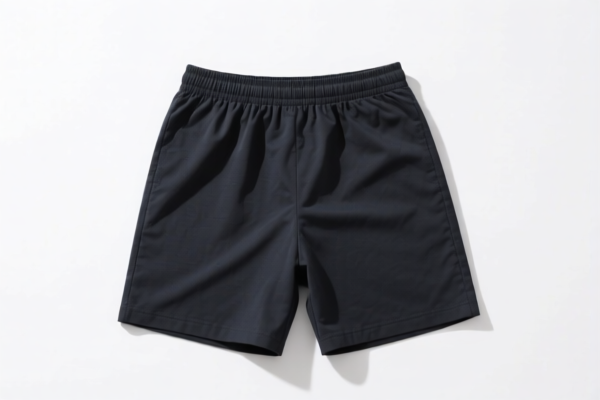
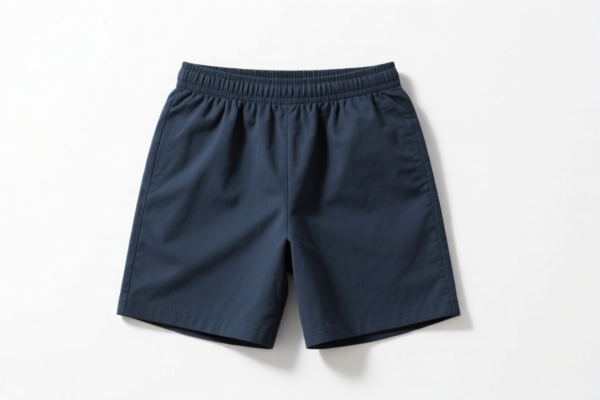


AI Analysis
🏊♂️ Shorts (Swim & Beachwear)
🌐 HS Code Reference & Customs Clearance Guide | 2026 Latest Tariff Breakdown | Strategic Import Strategy
📌 I. Product Definition & Classification: Are You Sure You Know "Shorts"?
In international trade, Shorts are a highly category-sensitive product. The distinction lies not just in the word "shorts," but in the fabric composition, construction method (knitted vs. woven), and specific intended use (swimwear vs. general beachwear). Misclassification leads to massive tariff discrepancies.
Key Classification Logic: * Knitted Swim Shorts: Made from synthetic fibers (Nylon, Polyester) via knitting → Chapter 61. * Woven/Other Material Swim Shorts: Made from cotton, polyester, or other woven textiles → Chapter 62. * Plastic/Synthetic Fiber Swim Shorts: If the primary material is classified as plastic articles → Chapter 39.
⚠️ Critical Distinction:
- If the item is Knitted and for Swimming →归入 6112.31 or 6112.39.
- If the item is Woven (Non-knitted) and for Swimming →归入 6211.11.
- If the item is primarily Plastic/Artificial Fiber treated as an article →归入 3926.90.
📦 II. HS Code Classification Details (2026 Latest Tariff Reference)
Based on the specific product details provided, here is the authoritative mapping of HS Codes to their corresponding tariff structures.
| HS Code | Product Description | Material/Construction | Applicable Scenario |
|---|---|---|---|
| 6112.31.00.10 | Knitted Swim Shorts | Synthetic Fibers (Knitted) | Classic athletic swim trunks, quick-dry nylon/polyester knits. |
| 6112.39.00.10 | Other Knitted Swim Shorts | Cotton, Polyester, or Nylon (Knitted) | Casual beach shorts, cotton swim trunks, non-synthetic blends. |
| 6211.11.80.10 | Men's Non-Knitted Swim Shorts | Other Textile Materials (Woven) | Woven board shorts, linen swim shorts, traditional surf shorts. |
| 6211.11.10.10 | Non-Knitted Swim Shorts | Artificial/Synthetic Fibers (Woven) | Synthetic woven swim trunks (distinct from knitted). |
| 3926.90.99.89 | Swim Shorts (Plastic/Synthetic) | Plastic or Synthetic Fiber Articles | Articles where the material is primarily classified as plastic (e.g., molded plastic shorts or specific synthetic composites). |
🔍 Key Reminder:
- Knitted vs. Woven is the primary divider between Chapter 61 and Chapter 62.
- Material Composition (Synthetic vs. Cotton vs. Other) determines the specific sub-category.
- Chapter 39 applies only if the product is primarily defined as a plastic article rather than a textile garment.
💰 III. 2026 Tariff Rate Breakdown (US Market Analysis)
✅ Applicable Country: United States (US)
✅ Country of Origin: China (CN)
✅ Effective Date: 2025 onwards (Latest Policy)
🎯 1. 6112.31.00.10 – Knitted Swim Shorts (Synthetic Fibers)
| Item | Content |
|---|---|
| Base Tariff | 25.9% |
| Section 301 (Additional) Tariff | 0.0% |
| "122-Clause" Tariff | 10.0% |
| Total Tax Rate | 35.9% |
| Tax Calculation | CIF Value × 35.9% |
| Legal Basis | Base Duty (25.9%) + Section 122 Clause (10%) |
📌 Explanation:
- This is the highest tax bracket for knitted swimwear.
- Note: Unlike other categories, there is no Section 301 "Add-on" tax (0.0%), but the base duty is high (25.9%) plus the 122-Clause tariff.
- Total: 35.9% is a significant cost factor for synthetic knit swim trunks.
🎯 2. 6112.39.00.10 – Other Knitted Swim Shorts (Cotton/Poly/Nylon)
| Item | Content |
|---|---|
| Base Tariff | 13.2% |
| Section 301 (Additional) Tariff | 7.5% |
| "122-Clause" Tariff | 10.0% |
| Total Tax Rate | 30.7% |
| Tax Calculation | CIF Value × 30.7% |
| Legal Basis | Base Duty (13.2%) + Section 301 (7.5%) + Section 122 (10%) |
📌 Explanation:
- Commonly used for cotton or blended knit swim shorts.
- The combination of Base (13.2%) + Section 301 (7.5%) + 122-Clause (10%) results in a 30.7% total.
- Warning: This category carries a Section 301 surcharge, unlike the synthetic knit category above.
🎯 3. 6211.11.80.10 – Men's Non-Knitted Swim Shorts (Other Materials)
| Item | Content |
|---|---|
| Base Tariff | 7.5% |
| Section 301 (Additional) Tariff | 7.5% |
| "122-Clause" Tariff | 10.0% |
| Total Tax Rate | 25.0% |
| Tax Calculation | CIF Value × 25.0% |
| Legal Basis | Base Duty (7.5%) + Section 301 (7.5%) + Section 122 (10%) |
📌 Explanation:
- Woven (Non-knitted) swim shorts generally enjoy lower base duties.
- Total: 25.0% is the most competitive rate among the "Textile" categories due to a low base tariff (7.5%).
- Ideal for Board Shorts or Woven Surf Shorts.
🎯 4. 6211.11.10.10 – Non-Knitted Swim Shorts (Artificial/Synthetic)
| Item | Content |
|---|---|
| Base Tariff | 27.8% |
| Section 301 (Additional) Tariff | 0.0% |
| "122-Clause" Tariff | 10.0% |
| Total Tax Rate | 37.8% |
| Tax Calculation | CIF Value × 37.8% |
| Legal Basis | Base Duty (27.8%) + Section 122 (10%) |
📌 Explanation:
- Highest Tariff! This category suffers from a very high Base Tariff (27.8%).
- Even though Section 301 is 0.0%, the total reaches 37.8%.
- Strategy Alert: Avoid this code if possible unless the material is strictly defined as "Artificial Fiber" in a woven form that cannot be classified elsewhere.
🎯 5. 3926.90.99.89 – Swim Shorts (Plastic/Synthetic Articles)
| Item | Content |
|---|---|
| Base Tariff | 5.3% |
| Section 301 (Additional) Tariff | 7.5% |
| "122-Clause" Tariff | 10.0% |
| Total Tax Rate | 22.8% |
| Tax Calculation | CIF Value × 22.8% |
| Legal Basis | Base Duty (5.3%) + Section 301 (7.5%) + Section 122 (10%) |
📌 Explanation:
- Lowest Tariff in the list (22.8%).
- This classification applies if the shorts are legally defined as Plastic Articles rather than Textiles (e.g., specific molded plastic swimwear or non-textile synthetic composites).
- Strategy: If your product composition allows for this classification (often rare for standard fabric shorts), it offers the best savings.
🛠️ IV. Customs Clearance Practical Advice (Pitfall Avoidance)
✅ 1. Material & Construction Verification (Crucial)
| Feature | Action | Reason |
|---|---|---|
| Knitting vs. Weaving | Confirm via fabric sample or production line. | Knitted = Ch. 61 (High Base). Woven = Ch. 62 (Variable). |
| Fiber Content | Check lab report (e.g., 85% Nylon, 15% Spandex). | Determines "Synthetic" (6112.31) vs "Cotton/Poly" (6112.39). |
| Article Type | Is it a garment or a plastic article? | Plastic = 3926.90 (Lowest Tariff 22.8%). |
✅ 2. Declaration Tips
🔥 "Material Truth, Construction Accuracy, Avoid 37.8% Trap!"
| Scenario | Correct Declaration | Incorrect/High Cost Scenario |
|---|---|---|
| Woven Board Shorts | Use 6211.11.80.10 (25.0%) | Misclassify as Knitted → 30.7% or 35.9% |
| Synthetic Knitted Trunks | Use 6112.31.00.10 (35.9%) | Misclassify as Plastic → 3926.90 (Risk of Refusal) |
| Cotton Swim Shorts | Use 6112.39.00.10 (30.7%) | Misclassify as Woven → 25.0% (Possible Audit Risk) |
| Artificial Fiber Woven | Use 6211.11.10.10 (37.8%) | Avoid if possible (Highest cost) |
✅ 3. Special Handling for "Section 122" & "Section 301"
| Clause | Impact | Strategy |
|---|---|---|
| Section 122 (10%) | Applies to ALL listed HS Codes. | Cannot be avoided. Factor this 10% into cost modeling. |
| Section 301 (7.5%) | Applies to 6112.39, 6211.11.80, 3926.90. | Check if material can shift to 6112.31 or 6211.11.10 to avoid this 7.5% surcharge (though base duty may rise). |
| Base Duty | Ranges from 5.3% to 27.8%. | 3926.90 (5.3%) is the most attractive base. |
🌍 V. Global Market Comparison (2026 Tariff Landscape)
| Region | Recommended HS Code | Tariff Rate (CN Origin) | Certification | Note |
|---|---|---|---|---|
| 🇺🇸 USA | 6211.11.80.10 |
25.0% (Lowest Textile) | CE + ASTM | High Section 122 + 301 impact |
| 🇪🇺 EU | 6112.31.00 |
12% | CE + REACH | No Section 122/301 |
| 🇨🇳 China | 6112.31.00 |
5% | CCC | Domestic export friendly |
| 🇦🇺 AU | 6112.39.00 |
10% | RCM | Standard textile rate |
📌 Conclusion:
- USA is the most complex market for swim shorts due to the Section 122 (10%) and Section 301叠加 (Stacking).
- Woven swim shorts (6211.11.80) offer the best balance of 25% total tariff.
- Plastic classification (3926.90) offers the lowest tariff (22.8%) but requires strict material proof.
📌 VI. Common Mistakes & Pitfalls (Learn from Others)
❌ Mistake 1: Treating all "Shorts" as 6112.31 regardless of weave.
👉 Result: You might pay 37.8% (Woven Artificial) or 30.7% (Cotton Knitted) instead of 25.0%.
❌ Mistake 2: Ignoring the "Section 122" 10% surcharge.
👉 Result: Underestimating landed cost by 10% across all categories.
❌ Mistake 3: Trying to misclassify Textile Shorts as "Plastic" (3926.90).
👉 Result: Customs may reject the classification, demand re-declaration, and impose penalties.
❌ Mistake 4: Confusing "Swim Shorts" with "Beach Shorts" (non-swim).
👉 Result: Different HS Codes apply if not specifically for swimming. Ensure description says "Swim".
✅ Correct Approach:
"Men's Woven Board Shorts, 85% Polyester / 15% Spandex, Quick-Dry, Lined, Model XYZ, Certified for Saltwater Swimming."
🎯 VII. Conclusion: Precision is Profit!
🎯 Remember the Strategy:
🔹 "Woven is King" (6211.11.80) = 25% Total (Lowest Textile Cost)
🔹 "Plastic is Lucky" (3926.90) = 22.8% Total (Best Overall, if valid)
🔹 "Avoid the 37.8% Trap" (6211.11.10)
🔹 "Always add the 10% Section 122 Tax"
📌 Pro Tip:
If your supply chain allows, consider re-designing swim shorts to be Woven (6211.11.80) rather than Knitted to save 5.7%~12.8% in total taxes.
Verify Material Composition before shipping to avoid customs disputes.
📣 Action Now:
📞 Contact your Customs Broker + Provide Fabric Swatches + Request HS Code Pre-Ruling
🚀 Optimize your HS Code, Slash your Tariff, Maximize your Profit!
✨ Professional Classification, Seamless Clearance!
💼 Every Dollar Saved Starts with the Right HS Code!
Customer Reviews
About HS Code Classification
The Harmonized System (HS) is an internationally standardized nomenclature developed by the World Customs Organization (WCO) to classify traded products. Over 200 countries use the HS system as the basis for customs tariffs, trade statistics, and import/export regulations.
Each HS code follows a hierarchical structure:
- Chapter (2 digits) — Broad category of goods (e.g., Chapter 84: Machinery and Mechanical Appliances)
- Heading (4 digits) — More specific grouping within the chapter
- Subheading (6 digits) — Internationally standardized breakdown, used by all WCO member countries
- National subdivisions (8-10 digits) — Country-specific extensions for further classification, such as US HTSUS 10-digit codes
Correct HS code classification is essential for smooth customs clearance, accurate duty payment, and compliance with trade regulations. Misclassification can lead to customs delays, overpayment of duties, or penalties.
When importing from CN to US, the applicable tariff rates may include:
- Most-Favored-Nation (MFN) rate — The standard duty rate applied to WTO members
- General rate — Applied to countries without trade agreements
- Trade remedy duties — Additional tariffs such as Section 301 (anti-dumping), Section 232 (national security), or countervailing duties
The information provided on this page is for reference purposes only. For official classification, please consult with your local customs authority or a licensed customs broker.