Shoulder Pad
CN → US| HS Code | Tariff Rate | Origin | Destination | Doc |
|---|---|---|---|---|
| 3926904590 | 38.5% | CN | US | Official Doc |
| 6117809570 | 32.1% | CN | US | Official Doc |
| 6217108500 | 24.6% | CN | US | Official Doc |
| 6217109550 | 32.1% | CN | US | Official Doc |
| 3926909989 | 22.8% | CN | US | Official Doc |
Product Images
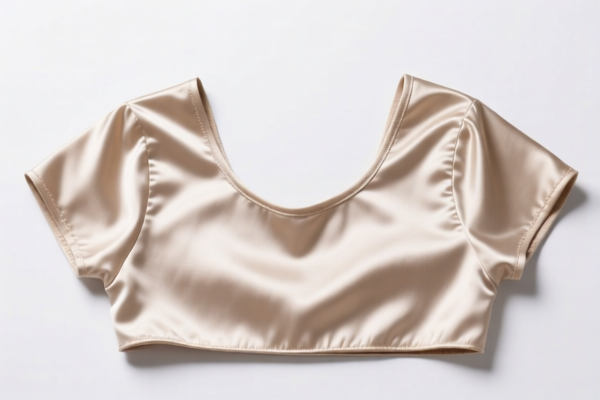
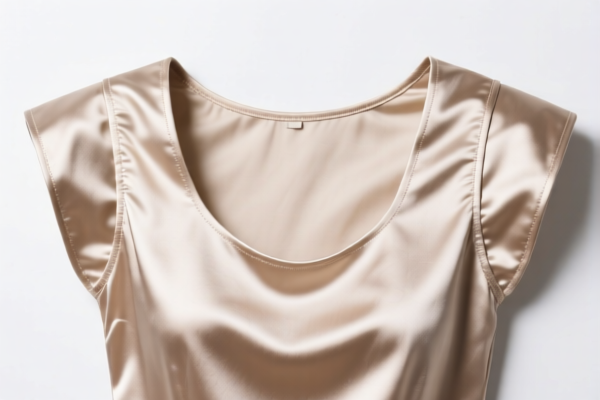
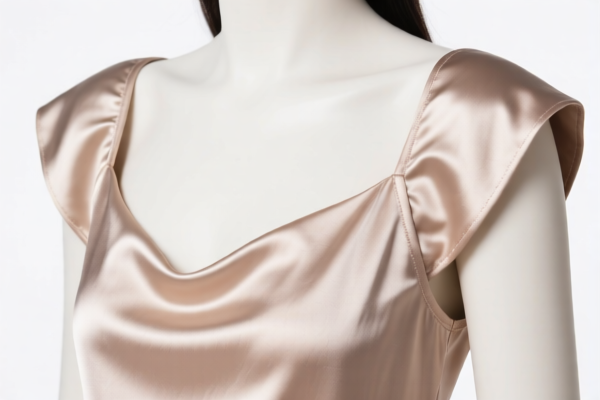
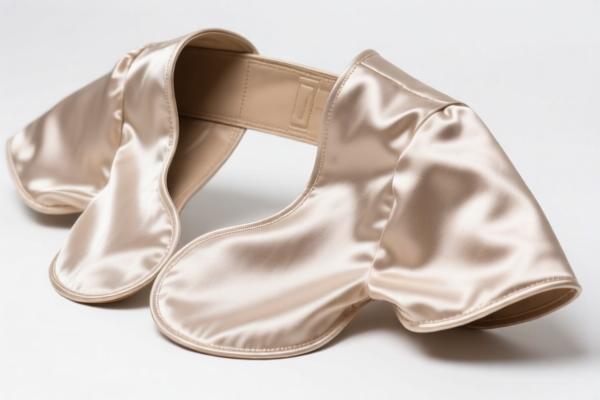
AI Analysis
🎽 Shoulder Pads (Garment Accessories & Structural Components)
🌐 HS Code Reference & Customs Clearance Guide | 2026 Latest Tariff Analysis | Strategic Classification Strategy
📌 I. Product Definition & Classification: Do You Truly Understand "Shoulder Pads"?
Shoulder pads are essential structural components in the fashion and garment industry, used to enhance the silhouette, provide shape, and support the weight of heavy fabrics. In international trade, they are generally classified as "Parts and Accessories of Clothing" rather than standalone garments or simple plastic goods. However, the specific material composition significantly influences the HS Code and the resulting tariff burden.
⚠️ Key Distinction Points:
- Fabric/Synthetic Textile Materials: Typically classified under Chapter 61 or 62 as "Parts of Clothing."
- Plastic/Rubber Materials: Classified under Chapter 39 as "Miscellaneous Plastic Articles."
- Finished Garment Status: If fully assembled into a jacket, they are no longer "pads" but part of the garment. Here, we focus on the discrete accessories.
📦 II. HS Code Classification Details (2026 Latest Tariff Authority Comparison)
| HS Code | Product Description | Material Inference | Application Scenario |
|---|---|---|---|
3926.90.45.90 |
Plastic Gaskets/Washers/Pads | Plastic (Non-textile) | Structural plastic supports, rigid shoulder inserts |
6117.80.95.70 |
Other Made-up Clothing Accessories | Non-Cotton, Non-Wool, Non-Fine Animal Hair | Synthetic fiber shoulder pads (knitted/crocheted) |
6217.10.85.00 |
Other Made-up Clothing Accessories | Textile or Sponge Material | Woven fabric shoulder pads, foam-filled inserts |
6217.10.95.50 |
Other Parts and Accessories of Clothing | Other Materials | Specialized industrial or mixed-material shoulder components |
3926.90.99.89 |
Other Plastic Articles | Plastic or Synthetic Fiber (Unspecified) | General plastic-based shoulder structures not elsewhere specified |
🔍 Important Reminder:
- Fabric/Sponge shoulder pads generally fall under Chapter 61/62 (Textiles/Garments).
- Hard Plastic shoulder inserts may fall under Chapter 39 (Plastics).
- Misclassification Risk: Declaring a textile shoulder pad as "Plastic" (HS 39) or vice versa can lead to customs delays, penalties, and incorrect duty assessment.
💰 III. 2026 Latest Tariff Rate Breakdown (Including Surcharges & Policy Add-ons)
✅ Applicable Country: United States (US)
✅ Country of Origin: China (CN)
✅ Effective Date: From November 10, 2025 (and subsequent imports)
🎯 1. 3926.90.45.90 —— Plastic Gaskets/Washers/Pads (Plastic Material)
| Item | Content |
|---|---|
| Base Tariff | 3.5% (ad valorem) |
| USITC Surcharge (Section 301) | +25.0% |
| IEEPA Surcharge (Section 122) | +10.0% |
| Total Tariff Rate | 38.5% |
| Duty Calculation | CIF Value × 38.5% |
| De Minimis Exemption | ❌ Not Eligible (Deny de minimis for Section 301/IEEPA goods) |
| Legal Basis Path | IEEPA:9903.01.25 → USITC:3926.90.45.90 → FOOTNOTE:9903.88.01 |
📌 Explanation:
- Although the base rate is low (3.5%), the heavy surcharges bring the total to 38.5%.
- This code is suitable for rigid plastic shoulder structures, not soft textile inserts.
🎯 2. 6117.80.95.70 —— Other Made-up Clothing Accessories (Non-Cotton/Non-Wool)
| Item | Content |
|---|---|
| Base Tariff | 14.6% |
| USITC Surcharge (Section 301) | +7.5% |
| IEEPA Surcharge (Section 122) | +10.0% |
| Total Tariff Rate | 32.1% |
| Duty Calculation | CIF Value × 32.1% |
| De Minimis Exemption | ❌ Not Eligible |
| Legal Basis Path | IEEPA:9903.01.25 → USITC:6117.80.95.70 |
📌 Explanation:
- Applies to synthetic fiber (e.g., polyester, nylon) knitted or crocheted shoulder pads.
- Higher base rate than plastics, but lower Section 301 surcharge (7.5% vs 25%).
🎯 3. 6217.10.85.00 —— Other Made-up Clothing Accessories (Textile/Sponge)
| Item | Content |
|---|---|
| Base Tariff | 14.6% |
| USITC Surcharge (Section 301) | +0.0% |
| IEEPA Surcharge (Section 122) | +10.0% |
| Total Tariff Rate | 24.6% |
| Duty Calculation | CIF Value × 24.6% |
| De Minimis Exemption | ❌ Not Eligible |
| Legal Basis Path | IEEPA:9903.01.25 → USITC:6217.10.85.00 |
📌 Explanation:
- Most Economical Option among the list!
- Applies to woven fabric shoulder pads or sponge/foam inserts.
- Key Advantage: 0% Section 301 Surcharge.
🎯 4. 6217.10.95.50 —— Other Parts and Accessories of Clothing (Other)
| Item | Content |
|---|---|
| Base Tariff | 14.6% |
| USITC Surcharge (Section 301) | +7.5% |
| IEEPA Surcharge (Section 122) | +10.0% |
| Total Tariff Rate | 32.1% |
| Duty Calculation | CIF Value × 32.1% |
| De Minimis Exemption | ❌ Not Eligible |
| Legal Basis Path | IEEPA:9903.01.25 → USITC:6217.10.95.50 |
📌 Explanation:
- A "catch-all" for textile accessories not specified elsewhere in 6217.10.
- Higher tax than6217.10.85.00due to the 7.5% Section 301 surcharge.
🎯 5. 3926.90.99.89 —— Other Plastic Articles (Unspecified)
| Item | Content |
|---|---|
| Base Tariff | 5.3% |
| USITC Surcharge (Section 301) | +7.5% |
| IEEPA Surcharge (Section 122) | +10.0% |
| Total Tariff Rate | 22.8% |
| Duty Calculation | CIF Value × 22.8% |
| De Minimis Exemption | ❌ Not Eligible |
| Legal Basis Path | IEEPA:9903.01.25 → USITC:3926.90.99.89 |
📌 Explanation:
- Second most economical option.
- Applies to general plastic shoulder components not covered by the more specific3926.90.45.90.
- Note: The Section 301 surcharge is only 7.5%, significantly lower than the 25% for specific plastic gaskets.
🛠️ IV. Customs Clearance Practical Advice (Combat Pitfall Guide)
✅ 1. Preparation Checklist (Non-negotiable)
| Document | Required | Description |
|---|---|---|
| ✅ Product Specification Sheet | ✔️ | Detailed material composition (e.g., "Polyester Fiber, Foam Filled") |
| ✅ Material Certificate | ✔️ | Proof of fabric/plastic type to justify HS Code |
| ✅ Product Photos (Clear) | ✔️ | Show texture, thickness, and any labels |
| ✅ Commercial Invoice | ✔️ | Clearly state "Shoulder Pads (Garment Accessories)" |
| ✅ Packing List | ✔️ | Indicate net weight/gross weight accurately |
✅ 2. Declaration Tips (Key Mantras)
🔥 "Material Defines Code, Textile Lowers Tax, Plastic Needs Care!"
| Scenario | Correct Declaration | Incorrect Practice |
|---|---|---|
| Fabric/Sponge Shoulder Pads | 6217.10.85.00 (24.6% Total) |
Declaring as Plastic → Risk of misclassification |
| Synthetic Fiber (Knitted) Pads | 6117.80.95.70 (32.1% Total) |
Declaring as General Plastic → Higher duty |
| Rigid Plastic Inserts | 3926.90.99.89 (22.8% Total) |
3926.90.45.90 (38.5% Total) → Overpaying 15.7%! |
| Mixed Material (Unspecified) | 6217.10.95.50 (32.1% Total) |
Ambiguous description → Customs audit risk |
✅ 3. Special Case Handling
| Scenario | Handling Advice |
|---|---|
| Sponge/Foam Pads | Best classified under 6217.10.85.00 for lowest tax (24.6%). Ensure it's not purely plastic. |
| Hard Plastic Shells | Check if it fits 3926.90.99.89 (22.8%) rather than 3926.90.45.90 (38.5%). The key is whether it's considered a "gasket/washer." |
| OEM Custom Pads | Provide design drawings showing material layers. |
| Packaged in Sets | Declare as a set if sold together, but ensure the main component dictates the code. |
🌍 V. Global Market Comparison (2026 Latest)
| Country/Region | Recommended HS Code | Tariff Rate (China Origin) | Notes |
|---|---|---|---|
| 🇺🇸 USA | 6217.10.85.00 |
24.6% | Lowest among textile options; 0% Sec 301 |
| 🇺🇸 USA | 3926.90.99.89 |
22.8% | Lowest overall if plastic |
| 🇨🇳 China | 6217.10.85.00 |
14.6% | No surcharges for domestic import |
| 🇪🇺 EU | 6217.10.85.00 |
12% | No Section 301/IEEPA issues |
| 🇬🇧 UK | 6217.10.85.00 |
12% | Post-Brexit tariff structure |
📌 Conclusion:
- The US market imposes significant tariffs on Chinese origin goods due to Section 301 and IEEPA.
- Textile/Sponge shoulder pads (6217.10.85.00) are more tax-efficient than Plastic Gaskets (3926.90.45.90).
- General Plastic Articles (3926.90.99.89) offer the lowest overall rate (22.8%) for plastic items.
📌 VI. Common Errors & Pitfalls (Blood Lessons)
❌ Error 1: Declaring Sponge Shoulder Pads as Plastic Gaskets (3926.90.45.90)
👉 Consequence: Tariff jumps from 24.6% to 38.5%. You pay 15% more unnecessarily!
❌ Error 2: Declaring Synthetic Fiber Pads as General Plastic (3926.90.99.89)
👉 Consequence: Customs may reclassify to 6117.80.95.70 (32.1%) or impose penalties for misdeclaration.
❌ Error 3: Using vague descriptions like "Garment Parts" without specifying material
👉 Consequence: Customs holds the shipment for material verification → Delays + Demurrage fees.
❌ Error 4: Assuming "De Minimis" ($800) applies
👉 Consequence: Incorrect. Section 301 and IEEPA surcharges do not qualify for de minimis exemption. All shipments are subject to full duty.
✅ Correct Practice:
"Shoulder Pads, Made-up, Synthetic Fabric with Foam Filling, for Garments, Model XYZ"
→ Use6217.10.85.00(24.6%)
🎯 VII. Conclusion: Professional Declaration, Time-Saving, Cost-Effective!
🎯 Remember the Mantra:
🔹 "Textile/Sponge: 24.6% (Best for Fabric)"
🔹 "General Plastic: 22.8% (Best for Plastic)"
🔹 "Plastic Gasket: 38.5% (Avoid if possible!)"
🔹 "No De Minimis Exemption for Surcharges!"
📌 Tip:
If your shoulder pads are made of unique composite materials, consult a customs broker for a Pre-Ruling (Advance Ruling) to confirm the correct HS Code and avoid unexpected costs.
📣 Immediate Action:
📞 Contact a professional customs broker + Provide Material Specs + Apply for HS Code Pre-Ruling
🚀 Ensure your shoulder pads pass customs smoothly, efficiently, and profitably!
✨ Professional Customs Clearance Starts with Accurate Classification!
💼 Every cent of your cost deserves precise calculation!
Customer Reviews
About HS Code Classification
The Harmonized System (HS) is an internationally standardized nomenclature developed by the World Customs Organization (WCO) to classify traded products. Over 200 countries use the HS system as the basis for customs tariffs, trade statistics, and import/export regulations.
Each HS code follows a hierarchical structure:
- Chapter (2 digits) — Broad category of goods (e.g., Chapter 84: Machinery and Mechanical Appliances)
- Heading (4 digits) — More specific grouping within the chapter
- Subheading (6 digits) — Internationally standardized breakdown, used by all WCO member countries
- National subdivisions (8-10 digits) — Country-specific extensions for further classification, such as US HTSUS 10-digit codes
Correct HS code classification is essential for smooth customs clearance, accurate duty payment, and compliance with trade regulations. Misclassification can lead to customs delays, overpayment of duties, or penalties.
When importing from CN to US, the applicable tariff rates may include:
- Most-Favored-Nation (MFN) rate — The standard duty rate applied to WTO members
- General rate — Applied to countries without trade agreements
- Trade remedy duties — Additional tariffs such as Section 301 (anti-dumping), Section 232 (national security), or countervailing duties
The information provided on this page is for reference purposes only. For official classification, please consult with your local customs authority or a licensed customs broker.