Shoulder Strap
CN → US| HS Code | Tariff Rate | Origin | Destination | Doc |
|---|---|---|---|---|
| 6217109550 | 32.1% | CN | US | Official Doc |
| 3926904000 | 12.8% | CN | US | Official Doc |
| 6117808500 | 32.1% | CN | US | Official Doc |
| 6217108500 | 24.6% | CN | US | Official Doc |
| 6117809570 | 32.1% | CN | US | Official Doc |
Product Images


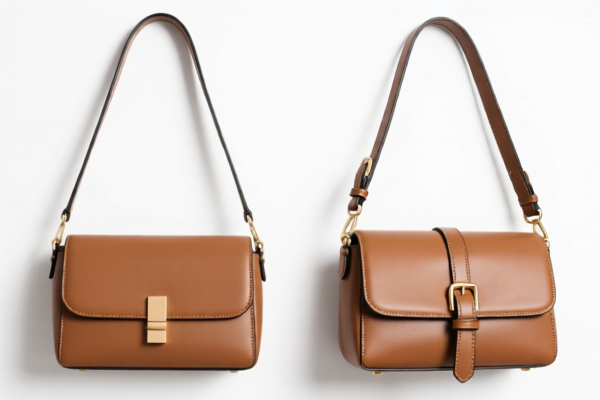
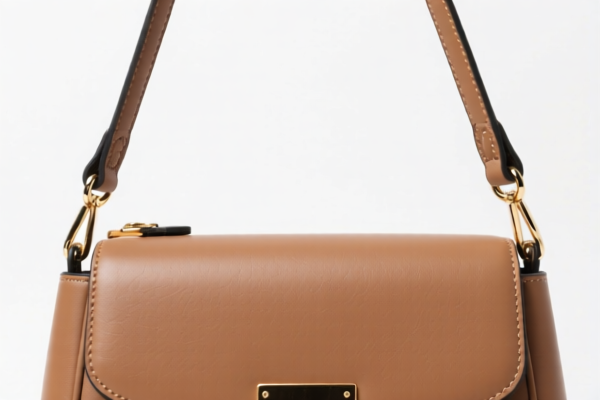
AI Analysis
🎉 🎈 Shoulder Strap (Party / Festive Strap)
🌐 HS Code Reference & Customs Clearance Guide | 2026 Latest Tariff Breakdown | Strategic Entry Strategy for Party Accessories
📌 One, Product Definition & Classification: Do You Really Know the "Shoulder Strap"?
The Shoulder Strap (often called a Party Strap, Bandolier, or Festival Accessory) is a versatile fashion item used primarily for decorative purposes, carrying light items (phones, wallets, cameras), or as a costume piece for events (Halloween, cosplay, music festivals).
In international trade, its classification depends entirely on MATERIAL and MANUFACTURING METHOD (Knitted vs. Woven vs. Plastic):
- Plastic/Polymer Straps: Made of molded plastic or woven polyester threads that function as synthetic fibers → Chapter 39 (Plastics).
- Textile Straps (Woven): Made from cotton, polyester, or blended fabrics (woven process) → Chapter 62 (Other Made Up Clothing Articles).
- Textile Straps (Knitted): Made via knitting or crocheting machines → Chapter 61 (Knitted or Crocheted Articles).
- Decorative Specifics: Items specifically designed as hairbands or similar decorative fasteners → Specific subheadings under Chapter 61/62.
⚠️ Key Differentiation Point:
- Material: Is it hard plastic or flexible fabric?
- Construction: Is it knitted (loops) or woven (threads)?
- Function: Is it a generic accessory or a specific "hairband/necktie" substitute?
Incorrect classification can lead to a tax jump from ~12% to ~32% (or more)!
📦 Two, Detailed HS Code Classification (2026 Latest Tariff Reference)
Based on the specific material and manufacturing of your Party Shoulder Strap, here are the 5 applicable HS Codes and their tax implications:
| HS Code | Classification Summary | Material/Type | Total Tariff Rate (CN Origin) | Tax Detail Breakdown |
|---|---|---|---|---|
3926.90.40.00 |
Plastic/Polymer Strap | Made of Plastic or Polyester Fiber | 12.8% | Base: 2.8% + Section 301 (Add-on): 0% + Section 122 (China-specific): 10% |
6217.10.85.00 |
Decorative Accessory | Woven, Decorative (similar to Hairbands) | 24.6% | Base: 14.6% + Section 301 (Add-on): 0% + Section 122 (China-specific): 10% |
6217.10.95.50 |
Other Clothing Accessory | Woven, General Accessory (Non-specific) | 32.1% | Base: 14.6% + Section 301 (Add-on): 7.5% + Section 122 (China-specific): 10% |
6117.80.85.00 |
Knitted/Crocheted Accessory | Knitted Fabric (Fleece, Jersey, etc.) | 32.1% | Base: 14.6% + Section 301 (Add-on): 7.5% + Section 122 (China-specific): 10% |
6117.80.95.70 |
Other Knitted Accessory | Knitted, Other Materials (Misc) | 32.1% | Base: 14.6% + Section 301 (Add-on): 7.5% + Section 122 (China-specific): 10% |
🔍 Critical Note:
- Chapter 39 is the ONLY route for plastic/rubber straps, offering the lowest tax base (2.8%). - Chapter 61 & 62 (Textiles) are subject to higher base tariffs (14.6%) plus potential Section 301 "Add-on" duties depending on the specific sub-category. - Section 122 (10%): This is a mandatory punitive tariff on Chinese-origin goods for specific categories (often textiles and plastics). It applies to ALL the above HS codes.
💰 Three, 2026 Tariff Rate Deep Dive & Policy Analysis
✅ Target Market: United States (US)
✅ Origin: China (CN)
✅ Applicable Policy: Section 301 + Section 122 (China-specific measures)
✅ Effective Date: Current regime (2025-2026)
🎯 1. 3926.90.40.00 – The "Plastic" Advantage (Lowest Tax)
- Description: Shoulder straps made of Plastic or Polyester (Synthetic fibers counted as plastic goods in this context).
- Tax Structure:
- Base Tariff: 2.8% (Very low for plastics).
- Section 301 (Add-on): 0.0% (No extra duty for this specific plastic sub-category).
- Section 122: 10.0% (Mandatory China-specific tariff).
- TOTAL: 12.8%.
- Strategy: If your strap is made of polymer resin, molded plastic, or woven polyester treated as plastic, fight for this code. It saves ~19% compared to textile codes.
🎯 2. 6217.10.95.50, 6117.80.85.00, 6117.80.95.70 – The "Textile" Trap (High Tax)
- Description: Woven fabric accessories (
6217) or Knitted/Crocheted accessories (6117). - Tax Structure:
- Base Tariff: 14.6%.
- Section 301 (Add-on): 7.5% (Applicable for "Other Made Up Clothing Articles" and "Other Knitted Articles").
- Section 122: 10.0%.
- TOTAL: 32.1%.
- Risk: Misclassifying a polyester woven strap as "Textile" instead of "Plastic" doubles your tax burden.
🎯 3. 6217.10.85.00 – The "Decorative" Middle Ground
- Description: Specifically for Decorative items like hairbands, neckties, or similar decorative straps.
- Tax Structure:
- Base Tariff: 14.6%.
- Section 301 (Add-on): 0.0% (No extra Section 301 for this specific decorative sub-category).
- Section 122: 10.0%.
- TOTAL: 24.6%.
- Strategy: If the strap is purely decorative (e.g., a glittery ribbon or specific hair accessory style), this code is better than the "Other" textile codes, but still higher than Plastic.
🛠️ Four, Practical Customs Clearance Advice (Risk Avoidance)
✅ 1. Material Evidence is King
| Material | Correct HS Code | Tax Saving Strategy |
|---|---|---|
| Hard Plastic / Polymer | 3926.90.40.00 |
Save 19.3% vs. Textile. Must prove it is not just "fabric". |
| Woven Fabric (Cotton/Poly) | 6217.10.95.50 |
Accept 32.1% tax. Cannot avoid Section 301 here. |
| Knitted Fabric | 6117.80.85.00 |
Accept 32.1% tax. Common for "festival" stretchy straps. |
📌 Declaration Tip: In the description, clearly state "Plastic Strap" or "Polymer Accessory" for
3926. If it is fabric, specify "Woven" or "Knitted" to avoid being lumped into the highest tax bracket.
✅ 2. Avoid "De Minimis" Traps
- Warning: Many small party accessories qualify for "De Minimis" (Section 321) for shipments under $800.
- Crucial: Even for De Minimis, Section 122 (10%) often applies and must be declared.
- Risk: Do not under-value the shipment to avoid taxes. The system flags "Party Straps" as high-risk.
✅ 3. Documentation Checklist
To clear customs smoothly, ensure your commercial invoice includes:
* Precise Material: "100% Polyester (Plastic)" vs "100% Cotton (Textile)".
* Usage: "Party Decoration Accessory" (Matches 6217.10.85.00 description).
* Origin: Must clearly state "Made in China" to trigger the correct Section 122 rate.
* Photos: Include a close-up of the material texture. Customs officers need to see if it's woven or molded plastic.
🌍 Five, Comparative Analysis: What if it's not China?
| Origin | HS Code | Total Tax Impact | Strategy |
|---|---|---|---|
| 🇨🇳 China | All 5 Codes | 12.8% ~ 32.1% | High Risk. Factor in Section 122 (10%). |
| 🇻🇳 Vietnam | 3926.90.40.00 |
~2.8% | Excellent. Avoids Section 122 & Section 301. |
| 🇲🇽 Mexico | 3926.90.40.00 |
~2.8% | Excellent. USMCA free trade benefits may apply. |
💡 Strategic Insight: If your product volume is high, sourcing production outside China (e.g., Vietnam or Mexico) for the Plastic Strap (
3926.90.40.00) can reduce your total tax from 32.1% to ~2.8%.
📌 Six, Common Mistakes & Pitfalls
❌ Mistake 1: Calling everything "Textile" * Error: Describing a polyester woven strap as "Textile Accessory" when it qualifies as Plastic. * Consequence: Tax jumps from 12.8% to 32.1%. Loss of 19.3%.
❌ Mistake 2: Ignoring "Section 122" * Error: Only calculating Base Tariff (e.g., 14.6%) and forgetting the 10% China surcharge. * Consequence: Under-declaring value leads to Penalties + Back Taxes + Delays.
❌ Mistake 3: Vague Descriptions
* Error: "Party Accessory" without specifying material.
* Consequence: Customs may audit and classify it as the highest tax bracket (32.1%) by default due to ambiguity.
🎯 Seven, Conclusion & Action Plan
🎯 The Golden Rule:
"Plastic = 12.8% (Win). Knitted/Woven Textile = 32.1% (Lose). Decorative = 24.6% (Middle)."
✅ Action Steps:
1. Verify Material: Is it hard plastic or soft fabric?
2. Select Code: Use 3926.90.40.00 for plastic; 6117 or 6217 for fabric.
3. Calculate Landed Cost: Include the mandatory 10% Section 122 tariff in your pricing.
4. Prepare Docs: Have photos and material specs ready for customs.
📣 Final Advice:
For Party Shoulder Straps, the difference between 12.8% and 32.1% is a matter of material classification. Do not guess! Get a Pre-Classification Ruling from CBP if the material is ambiguous.
Smart Sourcing + Accurate HS Code = Maximum Profit Margin!
✨ Customs Clearance Made Clear!
💼 Don't let misclassification eat your margin!
Customer Reviews
About HS Code Classification
The Harmonized System (HS) is an internationally standardized nomenclature developed by the World Customs Organization (WCO) to classify traded products. Over 200 countries use the HS system as the basis for customs tariffs, trade statistics, and import/export regulations.
Each HS code follows a hierarchical structure:
- Chapter (2 digits) — Broad category of goods (e.g., Chapter 84: Machinery and Mechanical Appliances)
- Heading (4 digits) — More specific grouping within the chapter
- Subheading (6 digits) — Internationally standardized breakdown, used by all WCO member countries
- National subdivisions (8-10 digits) — Country-specific extensions for further classification, such as US HTSUS 10-digit codes
Correct HS code classification is essential for smooth customs clearance, accurate duty payment, and compliance with trade regulations. Misclassification can lead to customs delays, overpayment of duties, or penalties.
When importing from CN to US, the applicable tariff rates may include:
- Most-Favored-Nation (MFN) rate — The standard duty rate applied to WTO members
- General rate — Applied to countries without trade agreements
- Trade remedy duties — Additional tariffs such as Section 301 (anti-dumping), Section 232 (national security), or countervailing duties
The information provided on this page is for reference purposes only. For official classification, please consult with your local customs authority or a licensed customs broker.