Shower Curtain
CN → US| HS Code | Tariff Rate | Origin | Destination | Doc |
|---|---|---|---|---|
| 6303910010 | 27.8% | CN | US | Official Doc |
| 6303192110 | 16.4% | CN | US | Official Doc |
| 6307909891 | 24.5% | CN | US | Official Doc |
| 6307908500 | 23.3% | CN | US | Official Doc |
| 5803009090 | 35.0% | CN | US | Official Doc |
Product Images
AI Analysis
🚿 Shower Curtain (Bath Curtains & Textile Coverings)
🌐 HS Code Reference & Customs Clearance Guide | 2026 Tariff Analysis for Textile Products | Strategic Logistics Strategy
📌 I. Product Definition & Classification: Do You Know What a "Shower Curtain" Really Is?
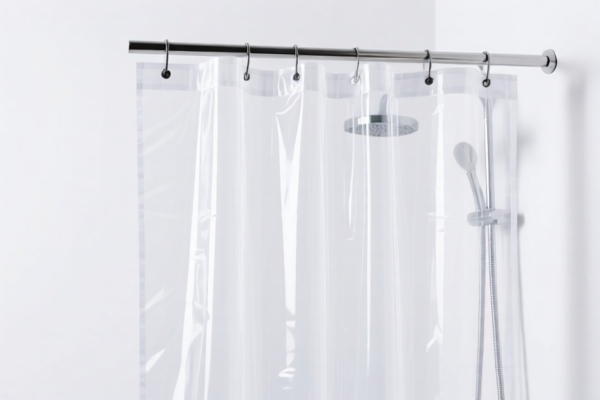
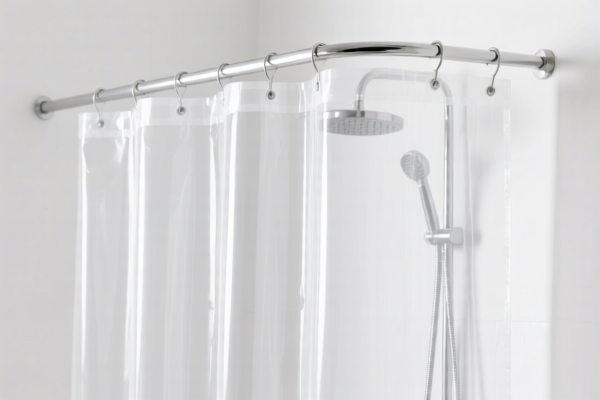
A Shower Curtain is a textile barrier used in bathrooms to prevent water from splashing out of the shower or bathtub. In international trade, its classification depends strictly on material composition (cotton vs. synthetic) and functional category (curtain vs. general textile article).
Key Distinctions: * Category A: Textile Curtains (6303): Specifically designed for window or shower covering. If the material is Cotton, it falls under specific subheadings. If Synthetic, it has different subheadings. * Category B: Other Textile Articles (6307): If the item is deemed a "finished article" that doesn't fit the strict definition of a curtain (e.g., specific non-standard shapes) or is made of specific synthetic blends not covered under 6303. * Category C: Yarns & Fabrics (5803): If the product is essentially netting or a specific type of mesh fabric, even if intended for a shower.
⚠️ Critical Classification Logic:
- Material Check: Is it primarily Cotton (Natural) or Polyester/Nylon (Synthetic/Man-made)?
- End-Use Check: Is it a functional "curtain" or a "general textile article"?
- Structure Check: Is it a woven mesh/netting?
📦 II. HS Code Classification Details (Based on Provided Data)
Based on the provided dataset, here are the 5 potential HS Codes for Shower Curtains, ranging from 16.4% to 35.0% total tax rates.
| HS Code | Product Summary & Logic | Material Inference | Total Tax Rate | Key Tax Components |
|---|---|---|---|---|
| 6303.19.21.10 | Most Likely Match: Perfectly matches "Curtain" form and usage. | Artificial Fibers or Mixed Cotton (Non-specific) | 16.4% | Base: 6.4% Section 301: 0% Section 122: 10% |
| 6303.91.00.10 | Cotton Variant: Matches curtain form. Specifically implies Cotton content. | Cotton or Polyester Blends (Textile) | 27.8% | Base: 10.3% Section 301: 7.5% Section 122: 10% |
| 6307.90.98.91 | Alternative Category: Classified as a "Made-up Article" (General Textile). | Textile Fabric (General) | 24.5% | Base: 7.0% Section 301: 7.5% Section 122: 10% |
| 6307.90.85.00 | Synthetic Variant: "Other made-up textile articles" containing synthetic fibers (Polyester/Cotton). | Polyester or Cotton (Synthetic focus) | 23.3% | Base: 5.8% Section 301: 7.5% Section 122: 10% |
| 5803.00.90.90 | Mesh/Net Variant: Classified as non-narrow woven fabric/netting. | Textile Material (Net/Mesh) | 35.0% | Base: 0.0% Section 301: 25.0% Section 122: 10% |
🔍 Analysis of Data:
- 6303.19.21.10 offers the lowest tax (16.4%) if the curtain is made of synthetic fibers but fits the strict "Curtain" definition. - 6303.91.00.10 is the standard for Cotton curtains but carries a higher tax (27.8%) due to the 7.5% Section 301 duty. - 5803.00.90.90 is the highest tax (35.0%). This applies only if the product is legally defined as a "netting" or specific fabric type rather than a finished curtain, despite the 0% base duty, the 25% Section 301 penalty wipes it out. - 6307 codes act as a "catch-all" if the product does not strictly meet the technical definition of a curtain (6303), resulting in moderate taxes (23.3% - 24.5%).
💰 III. 2026 Tax Rate Breakdown & Policy Logic
✅ Origin: China (CN)
✅ Market: United States (US)
✅ Timeframe: 2026 Tariff Regime (Based on provided data)
🎯 1. 6303.19.21.10 (Synthetic Curtain) – The "Sweet Spot"
- Base Duty: 6.4% (Standard MFN rate for textile curtains).
- Section 301 (USITC): 0.0% (No additional punitive tariff applied to this specific subheading in the provided data).
- Section 122 (China Specific): 10% (Mandatory additional tariff for Chinese goods).
- Total: 16.4%.
- Strategy: Highly Recommended if the material is synthetic. This is the most cost-effective entry point for shower curtains.
🎯 2. 6303.91.00.10 (Cotton Curtain) – The Standard
- Base Duty: 10.3% (Higher base for cotton textiles).
- Section 301 (USITC): 7.5% (Applicable to this specific cotton classification).
- Section 122: 10%.
- Total: 27.8%.
- Strategy: Inevitable if selling 100% cotton. No escape from the 301 duty here.
🎯 3. 6307.90.98.91 & 6307.90.85.00 (General Textile Articles)
- Base Duty: 7.0% / 5.8%.
- Section 301: 7.5% (Applied to both).
- Section 122: 10%.
- Total: 24.5% / 23.3%.
- Strategy: Use only if the product design disqualifies it from being a "Curtain" (6303). The tax difference between 6303 and 6307 is negligible (1-3%), but the risk of misclassification is high.
🚫 4. 5803.00.90.90 (Mesh/Netting) – Avoid if Possible!
- Base Duty: 0.0%.
- Section 301: 25.0% (Extremely high punitive tariff for this fabric type).
- Section 122: 10%.
- Total: 35.0%.
- Warning: This rate is the highest. Do not classify a finished shower curtain as "Netting" unless it is literally a piece of mesh fabric without curtain hardware or treatment.
📌 Tax Policy Insight:
- Section 301 (The "Adder"): The biggest cost driver for non-synthetic or cotton items is the 7.5% Section 301 tariff. - Section 122: A flat 10% surcharge on Chinese-origin textiles. - The "Curtain" Advantage: Only 6303.19.21.10 escapes the Section 301 7.5% hike, making it the gold standard for synthetic shower curtains.
🛠️ IV. Customs Clearance & Logistics Strategy
✅ 1. Documentation Checklist (Must-Have)
| Document | Requirement | Why It Matters |
|---|---|---|
| Material Composition Sheet | Critical: Must specify % Cotton vs. % Polyester/Other. | Determines if you are 6303.91 (Cotton, 27.8%) or 6303.19 (Synthetic, 16.4%). |
| Product Photos | Show the full curtain, grommets, hooks, and hem. | Proves it is a finished curtain (6303) and not just fabric or netting (5803). |
| Technical Specification | Dimensions, weight, and "finished article" status. | Confirms it fits the "Curtain" definition to avoid the high 5803 rate. |
| Commercial Invoice | Must clearly state "Shower Curtain" and material type. | Prevents "General Article" misclassification (6307). |
| Origin Certificate | Proves country of origin (China). | Mandatory for Section 122 calculation. |
✅ 2. Classification Strategy (The "Avoid the Trap" Guide)
| Scenario | Recommended HS Code | Risk Level | Action |
|---|---|---|---|
| 100% Synthetic Curtain | 6303.19.21.10 | 🟢 Low | Best Option: Avoids the 7.5% Section 301 surcharge. |
| 100% Cotton Curtain | 6303.91.00.10 | 🟡 Medium | Accept the 27.8% rate; no cheaper legal alternative exists. |
| Poly-Cotton Blend | 6303.91.00.10 (if Cotton >50%) OR 6303.19.21.10 (if Synthetic >50%) | 🟡 Medium | Check the dominant fiber weight. If 51% Cotton, it's 27.8%. |
| Mesh/Netting Style | 5803.00.90.90 | 🔴 High | Avoid unless it is purely a mesh sheet. The 35% tax makes it unprofitable. |
| Unclear/Custom Design | 6307.90.98.91 | 🟡 Medium | Safe "fallback" if it doesn't look like a standard curtain, but costs ~23%. |
🔥 Golden Rule:
"Synthetic Wins" – If you can shift your material to 100% synthetic (Polyester/Viscose), you save 11.4% in taxes (16.4% vs 27.8%).
"Don't Call it Netting" – Unless it is literally a mesh, do not use 5803. The 25% Section 301 penalty destroys margins.
✅ 3. Special Cases & Pitfalls
| Case | Common Mistake | Correct Action |
|---|---|---|
| "Waterproof" Coating | Claiming it's a technical fabric (5803). | It is still a curtain (6303) if the primary function is covering. |
| Vinyl/PVC Curtains | Sometimes confused with plastics. | If it has a textile backing, it's Textile (6303). If pure plastic, different code (not in this list). |
| Set with Rings/Hooks | Splitting the sale into "Curtain" + "Accessories". | Ship as one unit. The curtain is the principal item. Accessories don't change the HS code. |
| Sample vs. Commercial | Calling it a sample to avoid tax. | Illegal. Samples must be declared. Tax applies regardless of "commercial intent." |
🌍 V. Quick Comparison: Market Impact (2026)
| Product Type | HS Code | Total Tax (China Origin) | Margin Impact | Recommendation |
|---|---|---|---|---|
| Synthetic Shower Curtain | 6303.19.21.10 |
16.4% | 🟢 Best | Target this! Lowest tax, no Section 301 adder. |
| Cotton Shower Curtain | 6303.91.00.10 |
27.8% | 🟡 Moderate | Acceptable for premium markets. |
| General Textile Article | 6307.90.98.91 |
24.5% | 🟡 Moderate | Use only if design prevents 6303 classification. |
| Mesh/Net Curtain | 5803.00.90.90 |
35.0% | 🔴 Worst | Avoid. High risk of audit and low margin. |
📌 VI. Final Expert Advice
- Material is King: Before manufacturing, decide on Polyester (Synthetic). It qualifies for 6303.19.21.10, saving you nearly 11.4% in duty compared to Cotton.
- Define "Curtain": Ensure your product clearly has the shape, grommets, or rod-pocket of a curtain. If it looks like a piece of fabric or netting, Customs will likely force you into the 5803 (35%) or 6307 (24%) buckets.
- Avoid the 5803 Trap: The 25% Section 301 tariff on 5803.00.90.90 is devastating. Only use this code if you are importing raw mesh fabric, not a finished shower curtain.
- Invoice Precision: Always write "Synthetic Shower Curtain" or "Cotton Shower Curtain" on the commercial invoice. Vague terms like "Textile Article" invite audits.
🚀 Pro Tip:
If your supply chain allows, shift production to 100% Polyester products. The tax savings (16.4% vs 27.8%) are significant enough to justify retooling, especially for high-volume imports.
✨ Smart Clearance Starts with Smart Classification!
💼 Don't let a wrong HS code eat 35% of your profit. Get it right.
Customer Reviews
About HS Code Classification
The Harmonized System (HS) is an internationally standardized nomenclature developed by the World Customs Organization (WCO) to classify traded products. Over 200 countries use the HS system as the basis for customs tariffs, trade statistics, and import/export regulations.
Each HS code follows a hierarchical structure:
- Chapter (2 digits) — Broad category of goods (e.g., Chapter 84: Machinery and Mechanical Appliances)
- Heading (4 digits) — More specific grouping within the chapter
- Subheading (6 digits) — Internationally standardized breakdown, used by all WCO member countries
- National subdivisions (8-10 digits) — Country-specific extensions for further classification, such as US HTSUS 10-digit codes
Correct HS code classification is essential for smooth customs clearance, accurate duty payment, and compliance with trade regulations. Misclassification can lead to customs delays, overpayment of duties, or penalties.
When importing from CN to US, the applicable tariff rates may include:
- Most-Favored-Nation (MFN) rate — The standard duty rate applied to WTO members
- General rate — Applied to countries without trade agreements
- Trade remedy duties — Additional tariffs such as Section 301 (anti-dumping), Section 232 (national security), or countervailing duties
The information provided on this page is for reference purposes only. For official classification, please consult with your local customs authority or a licensed customs broker.