Shower Rack
CN → US| HS Code | Tariff Rate | Origin | Destination | Doc |
|---|---|---|---|---|
| 3924900500 | 20.6% | CN | US | Official Doc |
| 3924905650 | 20.9% | CN | US | Official Doc |
| 7326908688 | 87.9% | CN | US | Official Doc |
| 9403200082 | 85.0% | CN | US | Official Doc |
| 9403200078 | 85.0% | CN | US | Official Doc |
Product Images
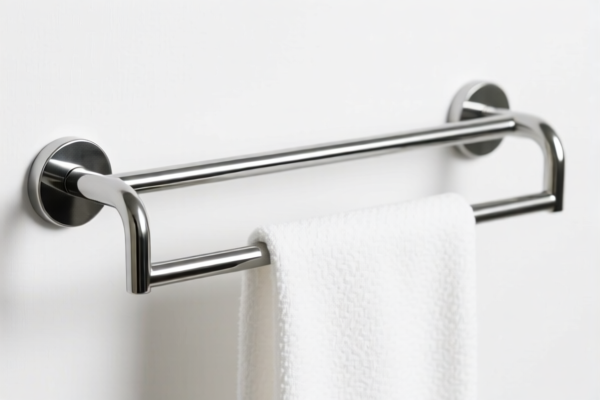

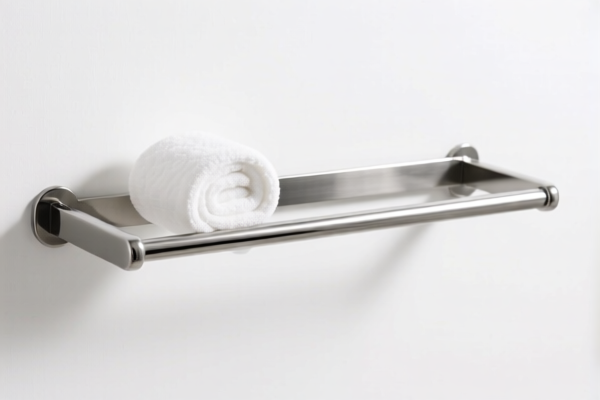

AI Analysis
🚿 Shower Racks (Bathroom Storage Solutions)
🌐 HS Code Reference & Customs Clearance Guide | 2026 Latest Tariff Analysis | Professional Entry Strategy
📌 I. Product Definition & Classification: Do You Really Understand “Shower Racks”?
Shower racks are bathroom accessories designed to hold toiletries, towels, and other items. In international trade, classification depends heavily on material composition and functional definition. They are generally split into three main categories:
- Plastic Bathroom Accessories: Items made primarily of plastic (ABS, PP, PVC) intended for holding bath items.
- Metal Bathroom Furniture/Articles: Items made of iron, steel, aluminum, or copper, often classified as furniture or other metal articles.
- Shelving Units: Items classified under specific shelving codes regardless of material, often due to structural design.
⚠️ Key Distinction Point:
- If the item is plastic and used for bathroom storage → Classified under Chapter 39.
- If the item is metal → It triggers significantly higher tariffs due to Section 301 (25%) and Section 122 (10%) levies on steel/aluminum/copper products.
- If classified as shelving (Chapter 94), it may bypass some material-specific penalties but faces other structural duties.
📦 II. HS Code Classification Details (2026 Latest Tariff Authority Comparison)
| HS Code | Product Description | Applicable Scenario | Material | Total Tax Rate |
|---|---|---|---|---|
3924.90.05.00 |
Bathroom shelves/racks, plastic material, for bath/toiletry items | Bathroom/Toiletry plastic accessories | Plastic | 20.6% |
3924.90.56.50 |
Bathroom shelves/racks, plastic material, categorized as household goods | Household plastic storage items | Plastic | 20.9% |
7326.90.86.88 |
Bathroom shelves/racks, metal material, classified as other iron/steel articles | Other iron/steel manufactured articles | Iron/Steel | 87.9% |
9403.20.00.82 |
Bathroom shelves/racks, metal or other materials, classified as shelves/racks | Shelving/racking apparatus | Metal/Others | 85.0% |
9403.20.00.78 |
Bathroom shelves/racks, metal material, classified as other metal furniture | Other metal furniture | Metal | 85.0% |
🔍 Key Reminder:
- Plastic vs. Metal: There is a massive tariff disparity. Plastic racks (~20%) are significantly cheaper to import than metal racks (~85-88%) due to US trade policies. - Chapter 73 vs. Chapter 94: Metal racks can be tricky. If viewed as "furniture" or "shelving," they fall under Chapter 94 (85%). If viewed as "other articles of iron/steel," they fall under Chapter 73 (87.9%). Both are penalized heavily by Section 301 and 122.
💰 III. 2026 Latest Tariff Rate Breakdown (Including Surtaxes & Policy Add-ons)
✅ Applicable Country: United States (US)
✅ Origin: China (CN)
✅ Effective Time: Current applicable rates based on ongoing Section 301 and Section 122 regulations.
🎯 1. 3924.90.05.00 & 3924.90.56.50 —— Plastic Bathroom Racks
These codes apply to plastic bathroom accessories. While the base duty is low, the total cost is impacted by specific Chinese-origin surcharges.
| Item | Content |
|---|---|
| Base Duty Rate | 3.1% - 3.4% (Ad Valorem) |
| Section 301 Surtax | +7.5% (USITC Footnote for plastic/bathroom items) |
| Section 122 Surtax | +10% (Specific surcharge on certain Chinese goods) |
| Total Tax Rate | ~20.6% - 20.9% |
| Tax Calculation | CIF Value × 20.6%/20.9% |
| De Minimis Exemption | ❌ No (Subject to full duty calculation) |
| Legal Basis Path | USITC:3924.90.05.00 → Section 301:7.5% → Section 122:10% |
📌 Explanation:
- The 7.5% is a standard Section 301 tariff applied to many plastic goods from China. - The 10% is the "Section 122" tariff, a specific legislative surcharge on Chinese imports. - Total Effective Rate: Just over 20%, which is relatively moderate compared to metal goods.
🎯 2. 7326.90.86.88 —— Metal Bathroom Racks (Iron/Steel Articles)
This code classifies metal racks as "other articles of iron or steel." This triggers the highest penalty tier due to the additional 50% surcharge on steel/aluminum/copper products.
| Item | Content |
|---|---|
| Base Duty Rate | 2.9% (Ad Valorem) |
| Section 301 Surtax | +25.0% (Standard Section 301) |
| Section 122 Surtax | +10% |
| Steel/Aluminum/Copper Surcharge | +50% (Specific penalty for ferrous/non-ferrous metals) |
| Total Tax Rate | 87.9% |
| Tax Calculation | CIF Value × 87.9% |
| De Minimis Exemption | ❌ No |
| Legal Basis Path | USITC:7326.90.86.88 → Section 301:25% → Section 122:10% → Steel/Copper Surcharge:50% |
📌 Warning:
- The 50% surcharge is the killer here. It applies specifically to Steel, Aluminum, and Copper products. - Total Effective Rate: 87.9%. This makes importing metal shower racks from China extremely expensive unless a duty mitigation strategy is used.
🎯 3. 9403.20.00.82 & 9403.20.00.78 —— Metal Bathroom Racks (Shelving/Furniture)
Even if classified as "furniture" or "shelving" to potentially avoid some "article" classifications, these codes still attract the heavy 50% metal surcharge and standard Section 301 duties.
| Item | Content |
|---|---|
| Base Duty Rate | 0.0% (Ad Valorem - often 0% for furniture/shelving base rate) |
| Section 301 Surtax | +25.0% |
| Section 122 Surtax | +10% |
| Steel/Aluminum/Copper Surcharge | +50% |
| Total Tax Rate | 85.0% |
| Tax Calculation | CIF Value × 85.0% |
| De Minimis Exemption | ❌ No |
| Legal Basis Path | USITC:9403.20.00.XX → Section 301:25% → Section 122:10% → Steel/Copper Surcharge:50% |
📌 Note:
- Although the Base Duty is 0%, the additive surcharges (25% + 10% + 50%) result in an 85.0% total rate. - There is no significant advantage to classifying metal racks as "furniture" vs. "other articles" regarding the total tax burden. Both are penalized heavily.
🛠️ IV. Customs Clearance Practical Advice (实战避坑指南)
✅ 1. Preparation Checklist (Non-negotiable)
| Document | Required? | Explanation |
|---|---|---|
| ✅ Product Specifications | ✔️ | Must clearly state Material (Plastic vs. Metal). If mixed, specify % composition. |
| ✅ Material Certificate | ✔️ | For metal racks, prove if it's Steel, Aluminum, or Copper. This determines the 50% surcharge applicability. |
| ✅ Photos of Product | ✔️ | Show structure, hooks, and any plastic/metal mix. |
| ✅ Commercial Invoice | ✔️ | Describe accurately: "Plastic Bathroom Shelf" vs. "Steel Bathroom Rack." |
| ✅ Packing List | ✔️ | Ensure weight and dimensions match the declaration. |
✅ 2. Declaration Strategy (Key Mantra)
🔥 "Material Defines Rate: Plastic is Cheap, Metal is Expensive!"
| Scenario | Correct Declaration | Wrong Approach |
|---|---|---|
| Plastic Rack | 3924.90.05.00 or 3924.90.56.50 |
Mislabel as metal → Unnecessary audit |
| All-Metal Rack | 7326.90.86.88 or 9403.20.00.XX |
Try to claim as plastic → Fraud risk |
| Mixed Material Rack | Analyze principal material. If >50% plastic, try Chapter 39. If >50% metal, expect 85%+ duty. | Ignore mix ratio → Customs may reclassify and fine |
| Non-Chinese Origin | Provide Country of Origin Certificate (e.g., Vietnam, Thailand) | Claim China origin to avoid Section 301/122 if not true → Severe Penalty |
✅ 3. Special Handling for Metal Goods
| Issue | Advice |
|---|---|
| High Duty on Metal | Consider sourcing metal racks from non-China countries (Vietnam, Thailand, Mexico) to avoid the 25% Section 301 and 10% Section 122, though the 50% steel surcharge may still apply depending on US rulings. |
| Plastic Preference | Strongly recommend transitioning to plastic (ABS/PP) or bamboo/wood alternatives if possible to cut duties from ~85% to ~20%. |
| Pre-Ruling | For large shipments, apply for a Binding Tariff Information (BTI) or US CBP Ruling to confirm if a mixed-material rack can be classified under the more favorable plastic code. |
🌍 V. Global Market Comparison (2026 Update)
| Country/Region | Recommended HS Code | Est. Duty (China Origin) | Notes |
|---|---|---|---|
| 🇺🇸 USA | 3924.90.05.00 (Plastic) |
20.6% | Best option for plastic. Metal is 85%+. |
| 🇪🇺 EU | 3924.00 / 7326.90 |
Varied (0-6.5%) | No Section 301/122. Lower duties for metal. |
| 🇨🇳 China | 3924.90 / 7326.90 |
Varied | Export from China to China (domestic) has no export duty. |
| 🇬🇧 UK | 3924.00 / 7326.90 |
Varied | Post-Brexit rules apply. Generally lower than US for metal. |
📌 Conclusion:
- USA is the most punitive market for Chinese-manufactured bathroom racks, especially metals. - Plastic racks (Chapter 39) are the only viable option for cost-effective export to the US from China. - Metal racks face a near-doubling of costs (85-88%) due to cumulative tariffs.
📌 VI. Common Mistakes & Pitfalls (Lessons Learned)
❌ Mistake 1: Declaring a Steel Rack as "Plastic Coated Steel" without justification
👉 Result: Customs rejects the claim if the base material is steel. Duty remains 87.9%.
❌ Mistake 2: Ignoring the Section 122 10% Surcharge in cost calculations
👉 Result: Profit margins shrink unexpectedly. Both plastic and metal racks pay this.
❌ Mistake 3: Using 9403 for metal racks thinking it avoids Section 301
👉 Result: 9403 still incurs the 25% Section 301 + 50% Metal Surcharge = 85%. No saving.
❌ Mistake 4: Assuming "Shower Caddy" is different from "Shower Rack"
👉 Result: HS Codes are based on function and material, not marketing names. "Caddy," "Rack," "Shelf" are treated similarly if material is the same.
✅ Correct Approach:
"Plastic Bathroom Shelf, ABS Material, for Shampoo Bottles, Model XYZ"
→ Use3924.90.05.00→ Pay ~20.6%.
🎯 VII. Conclusion: Professional Declaration, Save Costs!
🎯 Remember the Mantra:
🔹 "Plastic is King in the US: ~20% Tax. Metal is Trapped: ~85% Tax."
🔹 "Don't mix materials if you can avoid it. Keep it 100% plastic for safety."
🔹 "Section 301 + Section 122 + Steel Surcharge = The Holy Trinity of High Duties!"
📌 Pro Tip:
If you must import metal racks, consider:
1. Sourcing from Vietnam/Thailand (avoid Section 301, but check Steel Surcharge rules).
2. Using Plastic/Metal Hybrid: Ensure the plastic component is dominant (>50% by weight/value) and declare under Chapter 39 with strong evidence.
3. Applying for Exclusions: Check if your specific HTS code currently has Section 301 exclusions available.
📣 Immediate Action:
📞 Audit your BOM (Bill of Materials): Is it 100% plastic?
📦 Choose3924.90.05.00if plastic.
🚀 Avoid metal imports from China unless your margin can absorb 85%+ duties.
✨ Smart Classification Starts with Material Awareness!
💼 Every percentage point saved is pure profit!
Customer Reviews
About HS Code Classification
The Harmonized System (HS) is an internationally standardized nomenclature developed by the World Customs Organization (WCO) to classify traded products. Over 200 countries use the HS system as the basis for customs tariffs, trade statistics, and import/export regulations.
Each HS code follows a hierarchical structure:
- Chapter (2 digits) — Broad category of goods (e.g., Chapter 84: Machinery and Mechanical Appliances)
- Heading (4 digits) — More specific grouping within the chapter
- Subheading (6 digits) — Internationally standardized breakdown, used by all WCO member countries
- National subdivisions (8-10 digits) — Country-specific extensions for further classification, such as US HTSUS 10-digit codes
Correct HS code classification is essential for smooth customs clearance, accurate duty payment, and compliance with trade regulations. Misclassification can lead to customs delays, overpayment of duties, or penalties.
When importing from CN to US, the applicable tariff rates may include:
- Most-Favored-Nation (MFN) rate — The standard duty rate applied to WTO members
- General rate — Applied to countries without trade agreements
- Trade remedy duties — Additional tariffs such as Section 301 (anti-dumping), Section 232 (national security), or countervailing duties
The information provided on this page is for reference purposes only. For official classification, please consult with your local customs authority or a licensed customs broker.