Shrimp
CN → US| HS Code | Tariff Rate | Origin | Destination | Doc |
|---|---|---|---|---|
| 030619 | 0.0% | CN | US | Official Doc |
| 030614 | 0.0% | CN | US | Official Doc |
Product Images
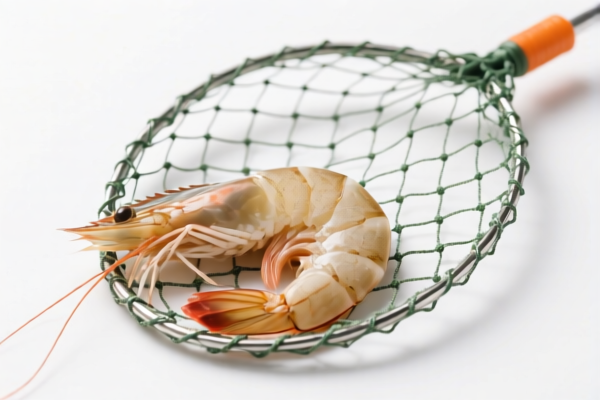
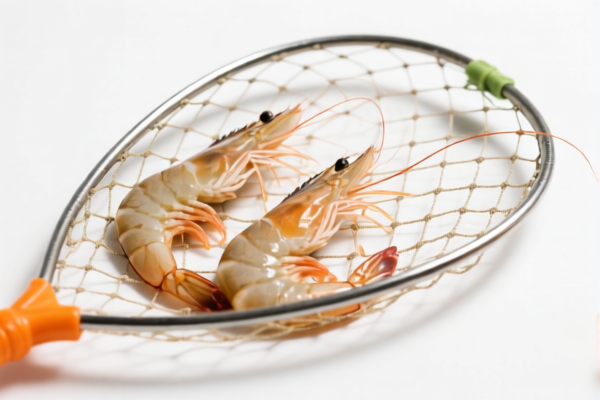
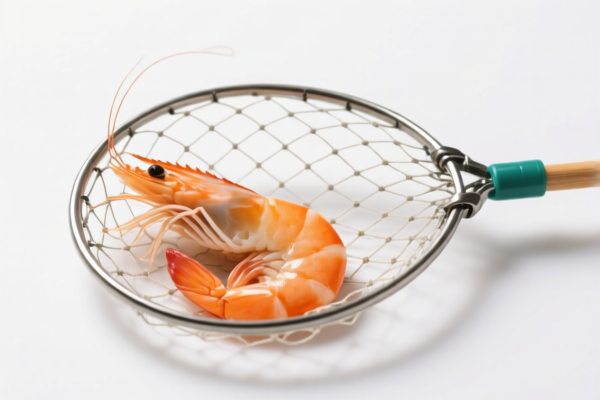
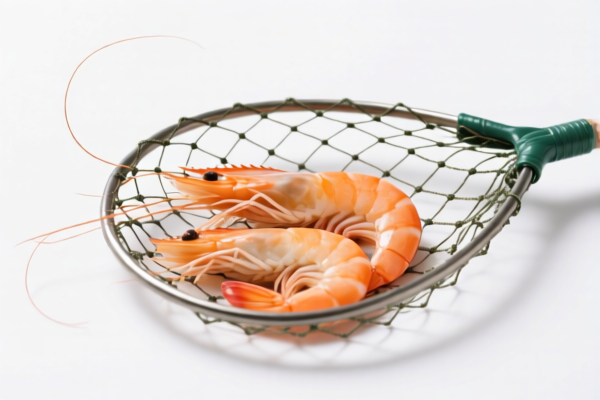
AI Analysis
🦐 Shrimp (Fresh, Chilled, Frozen, or Prepared)
🌐 HS Code Reference & Customs Clearance Guide | 2026 Latest Tariff Analysis | Professional Clearance Strategy
📌 I. Product Definition & Classification: Do You Really Know "Shrimp"?
Shrimp (including prawns) are among the most traded seafood products globally. In international trade, they are categorized based on state (live/fresh vs. frozen/prepared) and species (marine vs. freshwater). Misclassification is common and can lead to severe penalties due to anti-dumping duties and health regulations.
Two Main Categories:
- Live, Fresh, or Chilled Shrimp (Marine): Raw, unprocessed marine shrimp intended for human consumption.
- Frozen or Prepared Shrimp: Includes frozen whole shrimp, peeled/deveined shrimp, cooked shrimp, or shrimp in brine.
⚠️ Key Distinction Point: - If Live, Fresh, or Chilled (not frozen) → Generally falls under Chapter 3, Heading 0306. - If Frozen → Also generally falls under Chapter 3, Heading 0306, but duty rates vary significantly. - If Prepared/Preserved (e.g., cooked, seasoned, in brine) → May fall under Chapter 16 (1605).
📦 II. HS Code Classification Details (2026 Latest Tariff Authoritative Comparison)
| HS Code | Product Description | Application Scenario | State of Shrimp |
|---|---|---|---|
0306.11.00.00 |
Crustaceans, whether in shell or not, live, fresh or chilled; Shrimps and prawns, in shell, live, fresh or chilled | Live market shrimp, fresh chilled whole shrimp | ✅ Live/Fresh/Chilled |
0306.12.00.00 |
Crustaceans... live, fresh or chilled; Shrimps and prawns, peeled, live, fresh or chilled | Peeled but not frozen shrimp (rare, highly perishable) | ✅ Live/Fresh/Chilled |
0306.13.00.00 |
Crustaceans... frozen; Shrimps and prawns, in shell, frozen | Frozen whole shrimp with shell (common in trade) | ❌ Frozen |
0306.14.00.00 |
Crustaceans... frozen; Shrimps and prawns, peeled, frozen | Frozen peeled/deveined shrimp (most common import) | ❌ Frozen |
0306.19.00.00 |
Crustaceans... frozen; Shrimps and prawns, other, frozen | Other frozen forms (tails, blocks, etc.) | ❌ Frozen |
1605.20.00.00 |
Crustaceans, prepared or preserved; Shrimps and prawns, prepared or preserved | Cooked, canned, dried, or seasoned shrimp | ✅ Prepared |
🔍 Key Reminder: - Frozen vs. Fresh: The physical state (temperature) is the primary classifier. "Chilled" means kept below 0°C but not frozen. "Frozen" means solidified. - Peeled vs. In Shell: This affects the sub-heading but often not the base duty rate for frozen items in some jurisdictions. However, it is critical for quota and anti-dumping calculations. - Prepared Shrimp: If shrimp are cooked, dried, or in brine for preservation beyond the initial freezing process, they move to Chapter 16 (1605).
💰 III. 2026 Latest Tariff Rate Details (Including Surcharge Taxes)
✅ Applicable Country: United States (US) ✅ Origin: China (CN) Note: Shrimp from China, India, Vietnam, Thailand, Indonesia, Malaysia, Ecuador, Brazil, and India are subject to specific anti-dumping/countervailing duties. ✅ Effective Time: 2026 (Current Anti-Dumping Duty Orders still in effect)
🎯 1. 0306.11.00.00 – Shrimp, in shell, live/fresh/chilled
| Item | Content |
|---|---|
| Base Duty | 0% (MFN) |
| Anti-Dumping Duty (AD) | Varies by Country. - China: ~100% - 200%+ (Check latest order) - India: ~45% - Vietnam: ~15% - Ecuador: 0% (No AD/CVD) |
| Countervailing Duty (CVD) | Applied in addition to AD for some countries (e.g., China, India). |
| Total Tax Impact | Extremely High for China/India/Vietnam. 0% for Ecuador/Brazil. |
| Minimum Entry Value | $2,500 (De Minimis does NOT apply to anti-dumping duties) |
| Legal Basis | USITC:0306.11.00.00 → DOC:Shrimp Anti-Dumping Orders |
📌 Explanation: - The US has ongoing anti-dumping (AD) and countervailing duty (CVD) orders on shrimp from China, India, Vietnam, Thailand, Indonesia, and Malaysia. - Ecuador, Brazil, Belize, and Bangladesh are NOT subject to these duties (or have 0% rates), making them preferred sources for duty-free/low-duty entry. - Anti-dumping duties are calculated separately from standard tariffs and are assessed on a case-by-case basis based on the exporter's margin.
🎯 2. 0306.14.00.00 – Shrimp, peeled, frozen
| Item | Content |
|---|---|
| Base Duty | 0% (MFN) |
| Anti-Dumping Duty (AD) | Same as above: Depends heavily on origin. |
| - China | ~100% - 200%+ |
| - Vietnam | ~15% - 50% (fluctuates) |
| - Ecuador | 0% |
| Countervailing Duty (CVD) | Applicable for certain origins. |
| Total Tax Impact | Same as above. The HS code detail (peeled) does not exempt from AD/CVD. |
| Legal Basis | USITC:0306.14.00.00 → DOC:Shrimp Anti-Dumping Orders |
📌 Note: - Even if the shrimp are "peeled," the AD/CVD rates remain tied to the country of origin, not the processing level. - Belize and Bangladesh often benefit from lower or no duties compared to Asian origins.
🛠️ IV. Customs Clearance Practical Advice (Practical Pitfall Avoidance Guide)
✅ 1. Essential Documentation Checklist (Non-Negotiable)
| Document | Must Provide | Notes |
|---|---|---|
| ✅ FDA Prior Notice | ✔️ | Must be filed before arrival. |
| ✅ Certificate of Analysis (COA) | ✔️ | Temperature logs, antibiotic testing (Chloramphenicol, Nitrofurans). |
| ✅ Health Certificate | ✔️ | From the country of origin, certifying fitness for human consumption. |
| ✅ Bill of Lading (B/L) | ✔️ | Must show "Shrimp" clearly, not generic "Seafood." |
| ✅ Anti-Dumping Declaration | ✔️ | Must specify exporter and producer to determine AD rate. |
| ✅ Entry Summary (CBP Form 7501) | ✔️ | Accurate HS Code and country of origin. |
| ✅ Form FDA 2877 (if applicable) | ✔️ | For seafood inspection. |
✅ 2. Declaration Tips (Critical Keywords)
🔥 “Specify Origin, Not Just 'Shrimp'. Antibiotics Matter.”
| Scenario | Correct Declaration | Incorrect Practice |
|---|---|---|
| Frozen Peeled Shrimp from Ecuador | 0306.14.00.00 |
"Shrimp" → Audited for AD! |
| Live Shrimp from Vietnam | 0306.11.00.00 |
"Prawns" → Misdescription |
| Cooked Shrimp from Thailand | 1605.20.00.00 |
0306.19.00.00 → Wrong Chapter! |
| Shrimp with High Antibiotic Levels | Detained/Re-exported | Hidden in invoice → Seizure! |
✅ 3. Special Cases Handling
| Scenario | Handling Advice |
|---|---|
| Shrimp from China | Expect AD rates over 100%. Ensure supplier is on the Approved List of the Department of Commerce. |
| Shrimp from Vietnam | Often subject to AD ~15-50%. Verify if "re-exported from China" to avoid circumvention duties. |
| Shrimp from Ecuador | 0% AD/CVD. Preferred origin for duty optimization. |
| Antibiotic Testing | FDA tests for Chloramphenicol, Nitrofurans, and Malachite Green. Ensure lab tests are recent (within 6 months). |
| Allergen Labeling | Must declare "Contains Shellfish" on US labels. |
🌍 V. Global Market Clearance Comparison (2026 Latest)
| Country/Region | Recommended HS Code | Tariff (China Origin) | Certification Requirements | Notes |
|---|---|---|---|---|
| 🇺🇸 United States | 0306.14.00.00 |
100-200%+ (AD/CVD) | FDA + HACCP | High Risk. Use Ecuador/Brazil. |
| 🇨🇳 China | 0306.14.00.00 |
10-15% (Import Duty) | CIQ + HACCP | Major exporter. Low import duty. |
| 🇪🇺 European Union | 0306.14.00.00 |
0-6% (MFN) | EC Health Certificate + Residue Limits | Strict residue monitoring. |
| 🇯🇵 Japan | 0306.14.00.00 |
3.5-7% | JICA Health Certificate | High quality standards. |
| 🇬🇧 United Kingdom | 0306.14.00.00 |
0-12% | UK Health Certificate | Post-Brexit rules apply. |
📌 Conclusion: - USA is the most expensive market for shrimp due to Anti-Dumping Duties. - Ecuador and Brazil are the most competitive origins for US imports due to 0% AD/CVD. - EU and Japan have lower duties but stricter residue/residue limits.
📌 VI. Common Errors & Pitfall Guide (Lessons Learned)
❌ Error 1: Declaring "Shrimp" without specifying country of origin. 👉 Consequence: CBP applies highest AD rate or flags for review → Delays and penalties.
❌ Error 2: Misclassifying "Cooked Shrimp" as "Frozen Shrimp" (0306 instead of 1605).
👉 Consequence: Wrong duty rate and FDA hold for unregistered facility.
❌ Error 3: Not testing for antibiotics. 👉 Consequence: FDA Detention (Form 483) → Ship seized or destroyed.
❌ Error 4: Using "Shrimp" instead of "Prawns" when required. 👉 Consequence: Minor discrepancy, but can lead to customs queries if not consistent with invoice.
✅ Correct Practice:
"Frozen Peeled Shrimp, Origin: Ecuador, Frozen at Sea, Certified FDA, No Antibiotics Detected, HS: 0306.14.00.00"
🎯 VII. Conclusion: Smart Sourcing, Safe Clearance!
🎯 Remember:
🔹 "Check Origin, Not Just HS. Ecuador/Brazil = Low Duty. China/India = High Duty." 🔹 "Antibiotics = Zero Tolerance. Test Early, Clear Fast." 🔹 "Prepared Shrimp goes to Chapter 16. Don't misclassify!"
📌 Pro Tip:
- If importing to the US, prioritize Ecuador, Brazil, Belize, or Bangladesh.
- If importing to EU/Japan, ensure residue limits are met (especially for India/Vietnam).
- Always pre-clear with a customs broker to determine the specific AD rate for your supplier.
📣 Immediate Action:
📞 Contact a Customs Broker + Verify Supplier's AD/CVD Status + Request FDA Test Reports 🚀 Let your shrimp, clear smoothly, avoid seizures, and maximize profit!
✨ Professional Clearance Starts with Accurate Classification! 💼 Every Pound of Shrimp, Worth Calculating!
Customer Reviews
About HS Code Classification
The Harmonized System (HS) is an internationally standardized nomenclature developed by the World Customs Organization (WCO) to classify traded products. Over 200 countries use the HS system as the basis for customs tariffs, trade statistics, and import/export regulations.
Each HS code follows a hierarchical structure:
- Chapter (2 digits) — Broad category of goods (e.g., Chapter 84: Machinery and Mechanical Appliances)
- Heading (4 digits) — More specific grouping within the chapter
- Subheading (6 digits) — Internationally standardized breakdown, used by all WCO member countries
- National subdivisions (8-10 digits) — Country-specific extensions for further classification, such as US HTSUS 10-digit codes
Correct HS code classification is essential for smooth customs clearance, accurate duty payment, and compliance with trade regulations. Misclassification can lead to customs delays, overpayment of duties, or penalties.
When importing from CN to US, the applicable tariff rates may include:
- Most-Favored-Nation (MFN) rate — The standard duty rate applied to WTO members
- General rate — Applied to countries without trade agreements
- Trade remedy duties — Additional tariffs such as Section 301 (anti-dumping), Section 232 (national security), or countervailing duties
The information provided on this page is for reference purposes only. For official classification, please consult with your local customs authority or a licensed customs broker.