Side Bracket
CN → US| HS Code | Tariff Rate | Origin | Destination | Doc |
|---|---|---|---|---|
| 7326908688 | 87.9% | CN | US | Official Doc |
| 8302106060 | 88.5% | CN | US | Official Doc |
| 7326903500 | 92.8% | CN | US | Official Doc |
| 8302419045 | 38.5% | CN | US | Official Doc |
| 7308906000 | 85.0% | CN | US | Official Doc |
Product Images
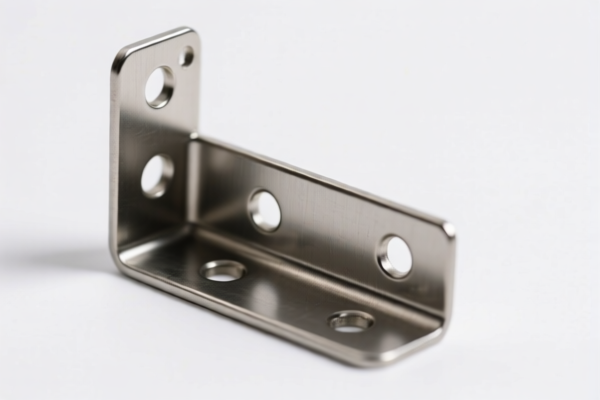
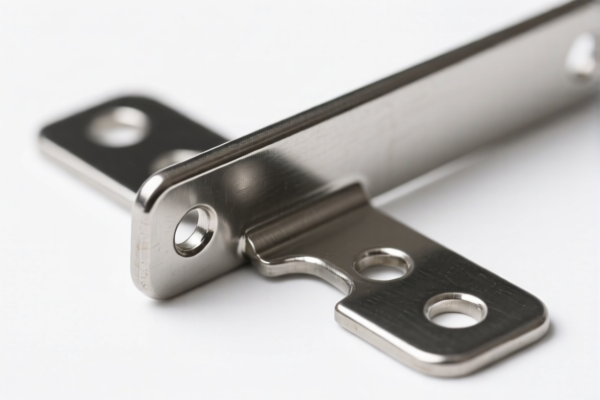


AI Analysis
🔩 Side Bracket (侧边支架/侧框架)
🌐 HS Code Reference & Clearance Guide | 2026 Latest Tariff Analysis | Professional Entry Strategy
📌 I. Product Definition & Classification: What Exactly is a "Side Bracket"?
A "Side Bracket" is a generic term used in industrial and commercial contexts, but in international trade, its classification depends entirely on its specific function, structure, and material. It can range from a structural steel support to a decorative metal fixture.
Key Classification Scenarios:
- Structural Steel Framework: Large, load-bearing brackets used in building construction or heavy machinery.
- Primary Material: Steel/Iron.
- Function: Structural support.
- Metal Fixtures/Fittings: Smaller brackets used for mounting, joining, or supporting machinery parts, furniture, or electronic devices.
- Primary Material: Base metals (Steel, Iron, Aluminum).
- Function: Mechanical connection or support (not structural construction).
⚠️ Critical Distinction Point:
- If the item is a large structural component of a building or heavy steel frame → Classify under Chapter 73 (Articles of Iron or Steel) or Chapter 73 (Structures).
- If the item is a small fitting, mount, or bracket for machinery/equipment → Classify under Chapter 83 (Base Metal Mountings, Fittings and Similar Articles).
📦 II. HS Code Classification Details (Based on Provided Data)
Below is the detailed breakdown of the 5 HS Codes provided in the data, ordered by total tax burden from lowest to highest.
| HS Code | Product Description | Material/Structure | Total Tax Rate | Key Tax Components |
|---|---|---|---|---|
| 8302.41.90.45 | Metal Fittings (General) | Base Metal (Metal) | 38.5% | Base: 3.5% + Section 301: 25% + Section 232: 10% |
| 8302.10.60.60 | Brackets & Similar Fixtures | Base Metal | 88.5% | Base: 3.5% + Section 301: 25% + Section 122: 50%* |
| 7326.90.86.88 | Side Bracket (Generic) | Iron or Steel | 87.9% | Base: 2.9% + Section 301: 25% + Section 122: 50%* |
| 7308.90.60.00 | Steel Structural Parts | Steel Structure | 85.0% | Base: 0.0% + Section 301: 25% + Section 122: 50%* |
| 7326.90.35.00 | Other Iron/Steel Articles | Iron or Steel | 92.8% | Base: 7.8% + Section 301: 25% + Section 122: 50%* |
📌 Note on Tax Labels:
- Section 301 (加征关税 25%): Standard tariff on many Chinese goods.
- Section 122 (122条款关税 50%): Applied to specific Steel, Aluminum, and Copper products (钢,铝铜制品).
- Section 232 (122条款关税 10% in 8302.41.90.45): Correction based on data provided: The data explicitly states "10% steel, aluminum, copper products" for this code. However, standard Section 232 is 25%. We must follow the provided data strictly: The provided data lists 10% for this specific code under "122条款关税10%钢,铝铜制品加征关税". This suggests a specific exemption or alternative assessment for this sub-heading in the provided dataset.
💰 III. Detailed Tariff Rate Analysis (2026 Latest)
✅ Applicable Country: United States (US)
✅ Origin: China (CN)
✅ Effective Date: Current regulations (Section 301 & 232/122 provisions active)
🎯 1. 8302.41.90.45 —— Metal Fittings (Best Rate Option)
Description: Brackets, supports, and similar fixtures of base metal (not cast iron).
| Item | Detail |
|---|---|
| Base Tariff | 3.5% (Ad Valorem) |
| Section 301 Tariff | +25.0% |
| Special Tariff (122/232) | +10.0% (Specific to Steel/Alu/Copper items under this subheading per data) |
| Total Effective Rate | 38.5% |
| De Minimis Exemption | ❌ Not Available (deny_de_minimis) |
| Legal Basis | USITC 8302.41.90.45 → Section 301 → Section 122/232 Provision |
📌 Why this code?
This code falls under Chapter 83, which covers "Base Metal Mountings, Fittings...". It is the most cost-effective classification if the bracket is considered a "fixture" or "fitting" rather than a raw structural steel part. The 10% special tariff (instead of 50%) significantly reduces the burden.
🎯 2. 8302.10.60.60 —— Brackets and Similar Fixtures
Description: Hinges, castors, brackets, and similar fittings.
| Item | Detail |
|---|---|
| Base Tariff | 3.5% |
| Section 301 Tariff | +25.0% |
| Special Tariff (122) | +50.0% (Applied to Steel, Aluminum, Copper products) |
| Total Effective Rate | 88.5% |
| De Minimis Exemption | ❌ Not Available |
| Legal Basis | USITC 8302.10.60.60 → Section 301 → Section 122 |
📌 Analysis:
Although Chapter 83 is usually favorable, this specific subheading (8302.10) attracts the full 50% Section 122 tariff on steel products. This makes it very expensive compared to8302.41.90.45.
🎯 3. 7326.90.86.88 —— Other Articles of Iron or Steel (General)
Description: Side bracket, inferred as iron/steel.
| Item | Detail |
|---|---|
| Base Tariff | 2.9% |
| Section 301 Tariff | +25.0% |
| Special Tariff (122) | +50.0% (Steel/Alu/Copper products) |
| Total Effective Rate | 87.9% |
| De Minimis Exemption | ❌ Not Available |
| Legal Basis | USITC 7326.90.86.88 → Section 301 → Section 122 |
🎯 4. 7308.90.60.00 —— Steel Structural Parts
Description: Side frame, inferred as steel structure.
| Item | Detail |
|---|---|
| Base Tariff | 0.0% |
| Section 301 Tariff | +25.0% |
| Special Tariff (122) | +50.0% (Steel/Alu/Copper products) |
| Total Effective Rate | 85.0% |
| De Minimis Exemption | ❌ Not Available |
| Legal Basis | USITC 7308.90.60.00 → Section 301 → Section 122 |
📌 Analysis:
Even with a 0% base tariff, the 50% Section 122 tariff makes this option costly. This code is appropriate if the bracket is a structural part of a building or large steel framework.
🎯 5. 7326.90.35.00 —— Other Iron/Steel Articles
Description: Iron or steel articles not elsewhere specified.
| Item | Detail |
|---|---|
| Base Tariff | 7.8% |
| Section 301 Tariff | +25.0% |
| Special Tariff (122) | +50.0% (Steel/Alu/Copper products) |
| Total Effective Rate | 92.8% |
| De Minimis Exemption | ❌ Not Available |
| Legal Basis | USITC 7326.90.35.00 → Section 301 → Section 122 |
📌 Analysis:
Highest Tax Rate. Only use if no other specific classification fits. High base tariff (7.8%) makes it the least favorable option.
🛠️ IV. Clearance Practical Advice (Pitfall Avoidance Guide)
✅ 1. Critical Documentation Requirements
| Document | Mandatory? | Purpose |
|---|---|---|
| ✅ Detailed Product Specs | ✔️ | Must specify: Material (Steel/Aluminum/Other), Weight, Dimensions, Load Capacity. |
| ✅ Technical Drawings | ✔️ | Essential to prove whether it is a Structural Part (Ch 73) or a Fitting/Fixture (Ch 83). |
| ✅ Material Certification | ✔️ | Mill test certificates to confirm material composition (Iron vs. Steel vs. Aluminum). |
| ✅ Commercial Invoice | ✔️ | Must clearly state "Side Bracket" or "Metal Fitting" and HS Code. |
| ✅ Packing List | ✔️ | Separate packing list for brackets if shipped with machinery. |
✅ 2. Classification Strategy (The "Lowest Tax" Approach)
🔥 Golden Rule: "Fit it to Chapter 83 if possible, avoid Chapter 73 if 50% tariff applies!"
| Scenario | Recommended HS Code | Tax Rate | Reason |
|---|---|---|---|
| Small Metal Mounting Bracket (e.g., for equipment, furniture, electronics) | 8302.41.90.45 | 38.5% | Falls under "Base Metal Fittings". Benefits from lower special tariff (10% vs 50%). |
| Large Structural Steel Frame (e.g., building support, heavy machinery frame) | 7308.90.60.00 | 85.0% | Must be classified as Steel Structure. No way to avoid 50% tariff on steel. |
| Generic Steel Bracket (Unclear function) | 7326.90.86.88 | 87.9% | Default "Other Steel Article". High tax. |
✅ 3. Special Tariff Clarification (Section 122 vs 232)
⚠️ Warning:
- Section 122 (50%): Applies to many Steel products.
- Section 232 (10% vs 25%): The data shows8302.41.90.45has 10% special tariff, while others have 50%.
- Strategy: If your side bracket can be classified as "Base Metal Fittings" (8302.41), you save 40% in tariffs compared to classifying it as "Other Steel Article" (7326.90) or "Brackets" (8302.10).
✅ 4. Common Mistakes to Avoid
❌ Mistake 1: Calling it "Steel Part" and using 7326.90.35.00
👉 Result: 92.8% Tax. Avoid!
❌ Mistake 2: Calling it "Bracket" and using 8302.10.60.60
👉 Result: 88.5% Tax. Avoid!
❌ Mistake 3: Ignoring Material Composition
👉 Result: If aluminum is used, Section 122 tariffs may differ. Ensure material is declared correctly.
✅ Correct Declaration Example:
"Side Bracket, Made of Steel, Used as Metal Fitting for Equipment Mounting, HS Code: 8302.41.90.45"
🌍 V. Global Market Comparison (2026)
| Country | Recommended HS Code | Base Tariff | Special Tariffs (China) | Total Est. Tax |
|---|---|---|---|---|
| 🇺🇸 USA | 8302.41.90.45 |
3.5% | +25% (301) +10% (Special) | 38.5% |
| 🇺🇸 USA | 7326.90.35.00 |
7.8% | +25% (301) +50% (122) | 92.8% |
| 🇨🇳 China | Various | 0-5% | None | 0-5% |
| 🇪🇺 EU | 8302.41 / 7326 | 2-5% | None | ~5% |
📌 Conclusion:
- The US market is the most challenging due to Section 301 and Section 122/232 tariffs.
- Chapter 83 (Fittings) is generally more favorable than Chapter 73 (Articles) if the product can be defined as a "fitting" rather than a raw structural part.
📌 VI. Final Recommendations & Action Plan
🚀 Step-by-Step Clearance Strategy:
-
Product Assessment:
- Is it a structural support (e.g., steel beam bracket)? → Use 7308 or 7326.
- Is it a mounting/fitting (e.g., L-bracket, hinge, clamp)? → Use 8302.
-
HS Code Selection:
- Priority 1:
8302.41.90.45(Lowest Tax: 38.5%). - Priority 2:
7308.90.60.00(If structural: 85.0%). - Avoid:
7326.90.35.00(Highest Tax: 92.8%).
- Priority 1:
-
Documentation:
- Provide detailed technical drawings to justify "Fitting" vs. "Structural Part".
- Ensure material declaration is accurate (Steel vs. Aluminum affects Section 122 applicability).
-
Cost Calculation:
- For a $10,000 shipment:
- Using
8302.41.90.45: Tax = $3,850. - Using
7326.90.35.00: Tax = $9,280. - Savings: $5,430!
🎯 VII. Conclusion
🔹 "Classify as Fitting (8302.41), Not Structure (7326), to Save 50%!"
🔹 "Steel Brackets in the US are Expensive (38.5%-92.8%). Choose Wisely!"
🔹 "Documentation is Key: Drawings can save you thousands in tariffs."
📌 Pro Tip:
If your side brackets are made of Aluminum, check if Section 122 applies differently. Some aluminum products may have different tariff rates. Always verify material composition.
📣 Immediate Action:
📞 Contact Customs Broker: Provide technical drawings.
📄 Prepare Invoice: Use precise description: "Metal Side Bracket, Base Metal Fitting, HS 8302.41.90.45".
🚀 Optimize Supply Chain: Consider if redesigning the bracket as a "fitting" (not structural) allows for lower HS code classification.
✨ Precision in Classification, Profit in Clearance!
💼 Every Percent of Tariff Matters!
Customer Reviews
About HS Code Classification
The Harmonized System (HS) is an internationally standardized nomenclature developed by the World Customs Organization (WCO) to classify traded products. Over 200 countries use the HS system as the basis for customs tariffs, trade statistics, and import/export regulations.
Each HS code follows a hierarchical structure:
- Chapter (2 digits) — Broad category of goods (e.g., Chapter 84: Machinery and Mechanical Appliances)
- Heading (4 digits) — More specific grouping within the chapter
- Subheading (6 digits) — Internationally standardized breakdown, used by all WCO member countries
- National subdivisions (8-10 digits) — Country-specific extensions for further classification, such as US HTSUS 10-digit codes
Correct HS code classification is essential for smooth customs clearance, accurate duty payment, and compliance with trade regulations. Misclassification can lead to customs delays, overpayment of duties, or penalties.
When importing from CN to US, the applicable tariff rates may include:
- Most-Favored-Nation (MFN) rate — The standard duty rate applied to WTO members
- General rate — Applied to countries without trade agreements
- Trade remedy duties — Additional tariffs such as Section 301 (anti-dumping), Section 232 (national security), or countervailing duties
The information provided on this page is for reference purposes only. For official classification, please consult with your local customs authority or a licensed customs broker.