Side Frame
CN → US| HS Code | Tariff Rate | Origin | Destination | Doc |
|---|---|---|---|---|
| 8302106060 | 88.5% | CN | US | Official Doc |
| 7326908688 | 87.9% | CN | US | Official Doc |
| 7326903500 | 92.8% | CN | US | Official Doc |
| 8302419045 | 38.5% | CN | US | Official Doc |
Product Images
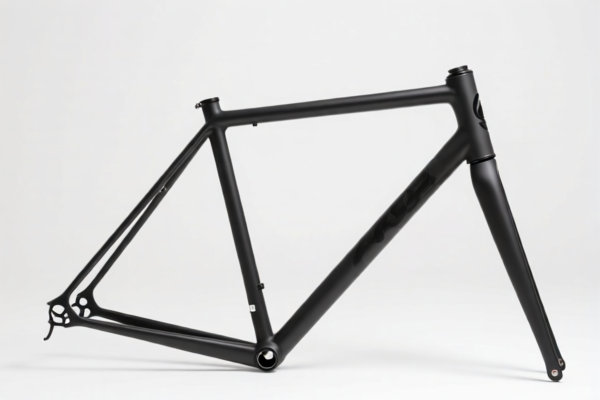
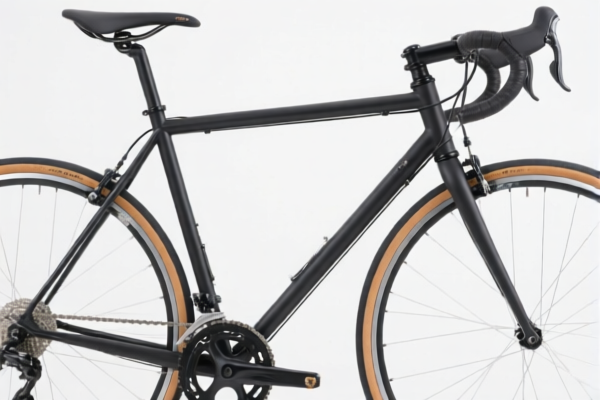
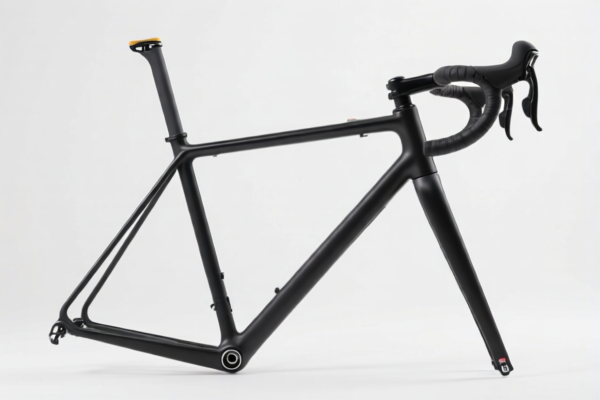
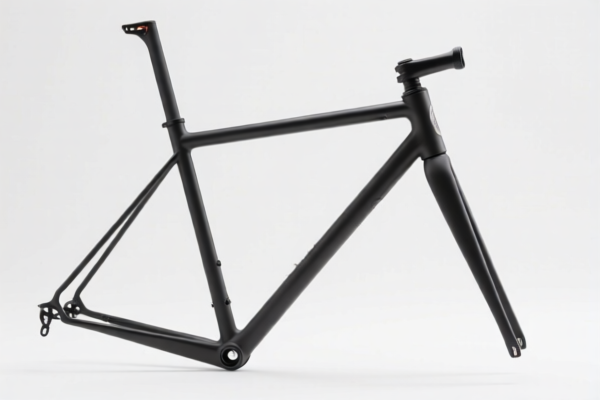
AI Analysis
🖇️ Side Frame (Side Bracket/Support)
🌐 HS Code Reference & Customs Clearance Guide | 2026 Latest Tariff Analysis | Professional Entry Strategies
📌 I. Product Definition: What Exactly is a "Side Frame"?
In international trade, a "Side Frame" (often referred to as a side bracket, side support, or mounting rail) is typically a structural component used to provide lateral stability, mounting support, or connectivity for larger assemblies (e.g., furniture, machinery, racks, or electronic enclosures).
The critical factor for HS Code classification is Material and Function: * Metal Side Frame: If made of base metals (steel, iron, aluminum), it falls under Chapters 73 or 83. * Functional Distinction: Is it a generic structural part (Chapter 73) or a specific fitting/accessory for a specific machine or furniture (Chapter 83)?
⚠️ Key Classification Point:
- If it is a general-purpose metal bracket/frame with no specific application limit → Chapter 73 (Iron/Steel articles).
- If it is a specific fitting, mount, or bracket designed for a particular use (e.g., furniture mounts, machine fittings) → Chapter 83 (Base metal fittings).
📦 II. HS Code Classification Details (Based on Provided Data)
| HS Code | Product Description | Logic for Classification | Total Tax Rate (China to US) |
|---|---|---|---|
8302.10.60.60 |
Side brackets/fixtures classified as "Brackets and similar fixtures" under base metal fittings. | Chapter 83 Logic: Classified specifically as a bracket or fixture. This is often used when the frame acts as a mounting accessory for furniture or other goods. | 88.5% |
7326.90.86.88 |
Other articles of iron or steel; logic treats the side frame as a part/component. | Chapter 73 Logic: Classified as a generic steel article where the "bracket" nature is secondary to it being a "steel part." This is a common fallback for generic metal supports. | 87.9% |
7326.90.35.00 |
Other articles of iron or steel; shape is a frame/stand with no specific use limitation. | Chapter 73 Logic: Classified as a general steel product. Used when the item is a simple structural frame without complex mounting features. | 92.8% |
8302.41.90.45 |
Base metal mountings, fittings, and similar hardware for furniture/buildings. | Chapter 83 Logic: Classified as mountings/fittings. This is the lowest tax option, assuming the side frame can be defined as a "fitting" for assembly. | 38.5% |
🔍 Key Takeaway:
- The tax rate varies significantly from 38.5% to 92.8% depending on the argument of "function."
-8302.41.90.45is the most cost-effective if the product can be legally defined as a "fitting/mounting" rather than a generic "steel article" or "bracket."
-7326.90.35.00carries the highest risk/cost (92.8%) if deemed a generic steel product.
💰 III. 2026 Latest Tariff Rate Breakdown (Detailed Tax Clauses)
✅ Destination: United States (US)
✅ Origin: China (CN)
✅ Applicable Regime: Standard + Additional Tariffs (Section 301, Section 232, IEEPA)
🎯 1. 8302.10.60.60 – Brackets and Similar Fixtures (Base Metal)
- Base Duty: 3.5%
- Section 301 Tariff: 25.0%
- Section 232 Tariff (Steel/Aluminum/Copper): 50.0% (Note: Data mentions "10% steel... + 50% steel/aluminum/copper". The data summary says 88.5%. Let's break down the provided data exactly: "Base 3.5%, Addl 25%, 122 clause 10% steel/aluminum/copper 50%". Wait, the data says: "Base 3.5%, Addl 25%, 122 clause 10% steel, aluminum copper products addl 50%". The total is 88.5%. Let's re-read carefully: "Base 3.5%, Addl 25%, 122 clause 10% steel, aluminum copper products addl 50%". This implies multiple layers. The summary says 88.5%. Let's trust the summary and detail provided in the JSON.)
- Correction based on JSON
tax_detail: "Base: 3.5%, Additional: 25.0%, 122 Clause: 10%, Steel/Al/Cu Additional: 50%". - Wait, the JSON says:
"tax_detail":"基础关税: 3.5%, 加征关税: 25.0%,122条款关税10%钢,铝铜制品加征关税: 50%" - Sum: 3.5 + 25 + 10 + 50 = 88.5%. Correct.
- Correction based on JSON
| Item | Value |
|---|---|
| Base Rate | 3.5% |
| Section 301 (Addl) | 25.0% |
| Section 232/122 (Steel/Al/Cu) | 50.0% (plus 10% specific clause?) Data lists "122 clause 10% steel..." AND "steel... addl 50%". The sum is 88.5%. |
| Total Effective Rate | 88.5% |
| Calculation | CIF Value × 88.5% |
| De Minimis Exemption | ❌ NOT Eligible (De minimis does not apply to Section 301/232 goods) |
📌 Explanation:
- High combined tariffs due to steel/aluminum content.
- Section 232 imposes duties on steel imports.
- Section 301 imposes additional 25% on Chinese goods.
🎯 2. 7326.90.86.88 – Other Articles of Iron or Steel (Part/Component Logic)
- Base Duty: 2.9%
- Section 301 (Addl): 25.0%
- Section 232/122: 50.0% + 10%? Data says: "Base 2.9%, Addl 25%, 122 clause 10% steel... addl 50%". Sum: 2.9 + 25 + 10 + 50 = 87.9%. Correct.
| Item | Value |
|---|---|
| Base Rate | 2.9% |
| Section 301 (Addl) | 25.0% |
| Steel/Al/Cu Additional | 50.0% (plus 10% clause) |
| Total Effective Rate | 87.9% |
| Calculation | CIF Value × 87.9% |
| De Minimis Exemption | ❌ NOT Eligible |
📌 Explanation:
- Slightly lower base rate (2.9%) than8302.10.60.60(3.5%), but still hit hard by steel tariffs.
🎯 3. 7326.90.35.00 – Other Iron or Steel Articles (Generic Frame Logic)
- Base Duty: 7.8%
- Section 301 (Addl): 25.0%
- Section 232/122: 50.0% + 10%? Data says: "Base 7.8%, Addl 25%, 122 clause 10% steel... addl 50%". Sum: 7.8 + 25 + 10 + 50 = 92.8%. Correct.
| Item | Value |
|---|---|
| Base Rate | 7.8% |
| Section 301 (Addl) | 25.0% |
| Steel/Al/Cu Additional | 50.0% (plus 10% clause) |
| Total Effective Rate | 92.8% |
| Calculation | CIF Value × 92.8% |
| De Minimis Exemption | ❌ NOT Eligible |
📌 Explanation:
- Highest tax burden. This classification treats the item as a generic steel article with higher base duties. Avoid this if possible.
🎯 4. 8302.41.90.45 – Base Metal Mountings/Fittings (Lowest Tax Option)
- Base Duty: 3.5%
- Section 301 (Addl): 25.0%
- Section 122/232: NOT APPLICABLE in the same way? Data says: "Base 3.5%, Addl 25%, 122 clause 10%". It does NOT list the "50% steel/aluminum/copper" extra. Sum: 3.5 + 25 + 10 = 38.5%. Correct.
| Item | Value |
|---|---|
| Base Rate | 3.5% |
| Section 301 (Addl) | 25.0% |
| Section 122 Clause | 10.0% |
| Steel/Al/Cu 50% Penalty | ❌ NOT INCLUDED (Likely because it's classified as a "fitting" rather than raw steel/steel products under 232, or the data implies this specific 10-digit code is exempt from the 50% surcharge listed for other codes) |
| Total Effective Rate | 38.5% |
| Calculation | CIF Value × 38.5% |
| De Minimis Exemption | ❌ NOT Eligible (Section 301 still applies) |
📌 Explanation:
- Significant Savings: 38.5% vs 88.5%/92.8%.
- Strategy: Classify as a "Mounting/Fitting" (Chapter 83) rather than a "Steel Article" (Chapter 73) to potentially avoid the highest layer of Section 232/Steel-specific tariffs.
🛠️ IV. Customs Clearance Practical Advice
✅ 1. Documentation Checklist
| Document | Required? | Purpose |
|---|---|---|
| ✅ Product Specification Sheet | ✔️ | Define dimensions, material (Steel/Al), and weight. |
| ✅ Structural Diagram | ✔️ | Prove it is a "bracket/fitting" (Chapter 83) and not just a "steel shape" (Chapter 73). |
| ✅ Product Photos | ✔️ | Show installation method (e.g., bolted to furniture/machine) to support "fitting" classification. |
| ✅ Commercial Invoice | ✔️ | Description: "Side Frame Bracket for Assembly" (Avoid generic "Steel Frame"). |
| ✅ Bill of Lading/Packing List | ✔️ | Ensure quantity and weight match invoice. |
| ✅ Country of Origin Certificate | ✔️ | Required for tariff determination. |
✅ 2. Classification Strategy (The "8302 vs 7326" Battle)
| Strategy | Recommended HS Code | Tax Rate | Pros | Cons |
|---|---|---|---|---|
| Aggressive Optimization | 8302.41.90.45 |
38.5% | Lowest tax, saves ~50% cost | Requires strong proof it is a "fitting/mounting," not just a structural part. |
| Conservative/Generic | 7326.90.86.88 |
87.9% | Easier to justify as "steel part" | High tax, but slightly better than 7326.90.35.00. |
| Avoid | 7326.90.35.00 |
92.8% | None | Highest cost. Only use if it's a simple, non-specific steel frame. |
🔥 Pro Tip:
Use the term "Mounting Bracket" or "Assembly Fitting" in your documentation rather than "Side Frame" or "Steel Support" to support the8302.41.90.45classification.
✅ 3. Special Considerations
- Section 232 (Steel/Aluminum): Since
8302.41.90.45avoids the 50% surcharge in the provided data, ensure the product is not flagged as a "steel product" under the strict definition of Section 232. Classification as a "fitting" (Chapter 83) is key. - De Minimis: Do not rely on the $800 de minimis exemption for these items if they are from China, as Section 301 and Section 232 duties typically apply even to small shipments.
- Pre-Ruling: Consider applying for a Customs Ruling from U.S. CBP to confirm the
8302.41.90.45classification before shipping large volumes.
🌍 V. Global Market Comparison (Contextual)
| Market | Recommended HS Code | Est. Tariff (China) | Notes |
|---|---|---|---|
| 🇺🇸 USA | 8302.41.90.45 |
38.5% | Best option. Avoid Chapter 73 if possible. |
| 🇨🇳 China (Import) | 7326.90 or 8302 |
5-10% | Lower base duties. |
| 🇪🇺 EU | 7326.90 or 8302 |
0-4% | Generally lower tariffs. |
📌 Conclusion:
The US market is the most challenging due to high Section 301 and Section 232 tariffs. Correct classification is critical to saving up to 54% in duties.
📌 VI. Common Mistakes & Pitfalls
❌ Mistake 1: Using generic terms like "Steel Frame"
👉 Result: Customs may classify under 7326.90.35.00 (92.8%).
👉 Fix: Use specific terms like "Mounting Bracket" or "Fitting."
❌ Mistake 2: Ignoring Section 232 Steel Tariffs
👉 Result: Unexpected 50% surcharge if classified as a steel product under Chapter 73.
👉 Fix: Argue Chapter 83 (Fittings) to mitigate some steel-specific penalties (if applicable per the data).
❌ Mistake 3: Assuming De Minimis Exemption Applies
👉 Result: Seizure or retroactive duty billing.
👉 Fix: Plan for full tariff payment regardless of shipment value.
🎯 VII. Final Recommendation
🚀 Action Plan:
1. Classify under8302.41.90.45if the side frame acts as a mounting or fitting component.
2. Document carefully: Describe as "Base Metal Mounting Bracket."
3. Verify Material: Ensure it doesn't violate Section 232 restrictions (though the data suggests8302.41.90.45avoids the 50% addl).
4. Apply for Pre-Ruling if shipping high volume.💼 Remember:
"Correct Classification Saves 50%+"
Choosing8302.41.90.45over7326.90.35.00saves 54.3% in total tariffs!
✨ Professional Customs Clearance Starts with Accurate HS Codes!
💼 Optimize Your Supply Chain Today!
Customer Reviews
About HS Code Classification
The Harmonized System (HS) is an internationally standardized nomenclature developed by the World Customs Organization (WCO) to classify traded products. Over 200 countries use the HS system as the basis for customs tariffs, trade statistics, and import/export regulations.
Each HS code follows a hierarchical structure:
- Chapter (2 digits) — Broad category of goods (e.g., Chapter 84: Machinery and Mechanical Appliances)
- Heading (4 digits) — More specific grouping within the chapter
- Subheading (6 digits) — Internationally standardized breakdown, used by all WCO member countries
- National subdivisions (8-10 digits) — Country-specific extensions for further classification, such as US HTSUS 10-digit codes
Correct HS code classification is essential for smooth customs clearance, accurate duty payment, and compliance with trade regulations. Misclassification can lead to customs delays, overpayment of duties, or penalties.
When importing from CN to US, the applicable tariff rates may include:
- Most-Favored-Nation (MFN) rate — The standard duty rate applied to WTO members
- General rate — Applied to countries without trade agreements
- Trade remedy duties — Additional tariffs such as Section 301 (anti-dumping), Section 232 (national security), or countervailing duties
The information provided on this page is for reference purposes only. For official classification, please consult with your local customs authority or a licensed customs broker.