Signal Blocker Box
CN → US| HS Code | Tariff Rate | Origin | Destination | Doc |
|---|---|---|---|---|
| 7326190080 | 87.9% | CN | US | Official Doc |
| 8538908160 | 38.5% | CN | US | Official Doc |
| 8538100000 | 85.0% | CN | US | Official Doc |
| 7610900080 | 65.7% | CN | US | Official Doc |
| 7610900040 | 90.7% | CN | US | Official Doc |
Product Images
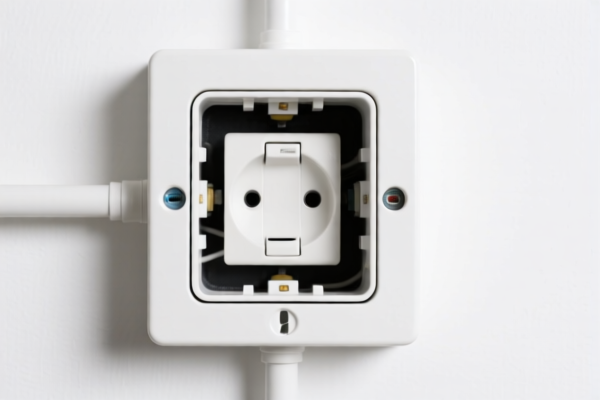
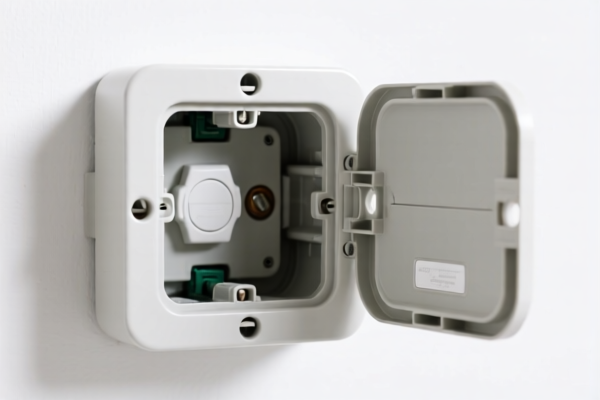
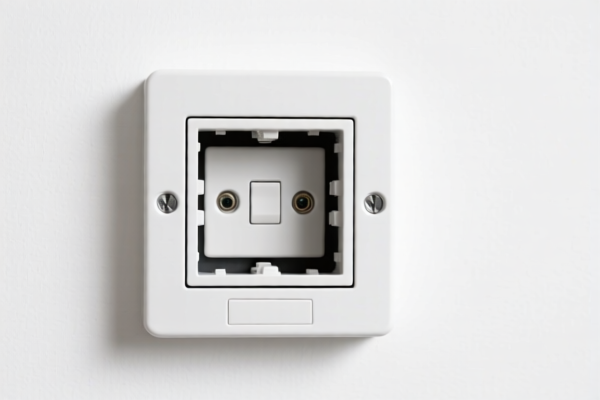
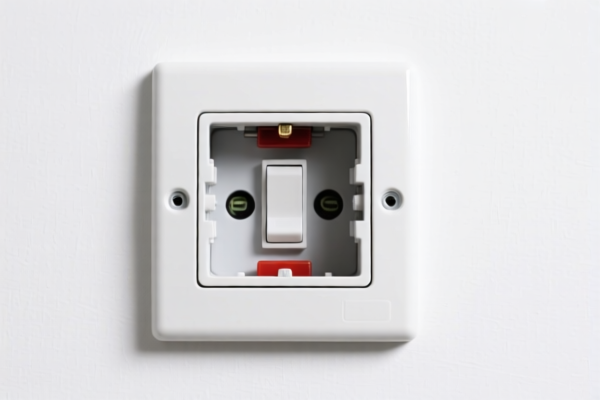
AI Analysis
🚫 Signal Blocker Box (RF Shielding Enclosures)
🌐 HS Code Reference & Customs Clearance Guide | 2026 Latest Tariff Analysis | Professional Clearance Strategy
📌 I. Product Definition & Classification: What Exactly Is a "Signal Blocker Box"?
A Signal Blocker Box (also known as an RF Shielding Box, Faraday Cage, or Enclosure) is a specialized container designed to attenuate or block electromagnetic fields. Its primary function is to prevent external radio frequency (RF) signals from entering or exiting the enclosure, thereby protecting electronic devices from interference or unauthorized transmission.
In international trade, the classification of these boxes depends strictly on two factors:
1. Material Composition: Is it made of steel, aluminum, or other metals?
2. Functional Role: Is it a standalone structural component, a part of a larger control system, or a protective accessory for electronic equipment?
⚠️ Key Distinction:
- If the box is primarily a structural metal container without specific electronic circuitry → It falls under Chapter 73 (Steel) or Chapter 76 (Aluminum).
- If the box is specifically designed as a part or accessory for a control panel, switchboard, or electronic device → It may fall under Chapter 85 (Electrical Machinery).
📦 II. HS Code Classification Matrix (Based on Provided Data)
| HS Code | Material/Function Description | Total Tax Rate | Key Tariff Components |
|---|---|---|---|
| 7326.19.00.80 | Steel Material. Classified as "Other articles of iron or steel." | 87.9% | Base: 2.9% + Section 301: 25% + Section 232: 50% |
| 8538.90.81.60 | Accessory Part. Classified as "Other parts of good of heading 85.35, 85.36, or 85.37" (Control Switches/Panels). | 38.5% | Base: 3.5% + Section 301: 25% + Section 232: 0%* |
| 8538.10.00.00 | Electronic Component. Classified as "Switches, control panels, consoles, desks, cabinets, and other bases." | 85.0% | Base: 0.0% + Section 301: 25% + Section 232: 50% |
| 7610.90.00.80 | Aluminum Material. Classified as "Other structures and parts of structures" (Aluminum). | 65.7% | Base: 5.7% + Section 301: 0% + Section 232: 50% |
| 7610.90.00.40 | Aluminum Construction. Classified as "Buildings and parts of buildings" (Decorative/Structural Aluminum). | 90.7% | Base: 5.7% + Section 301: 25% + Section 232: 50% |
*Note: For 8538.90.81.60, the "122 Clause" (Section 232) is listed as 0% in the provided data, implying it may not trigger the 50% steel/aluminum tariff if not classified under 232 criteria, but 301 applies.
💰 III. Detailed Tariff Breakdown & Legal Basis
✅ Applicable Market: United States (US)
✅ Origin: China (CN)
✅ Effective Time: Current 2026 Tariff Structure
🎯 1. 7326.19.00.80 – Steel Signal Blocker Box
Scenario: The box is made of steel and does not fit specific electronic component descriptions.
| Item | Detail |
|---|---|
| Base Duty | 2.9% |
| Section 301 (Trade War) | +25.0% |
| Section 232 (Steel/Aluminum) | +50.0% |
| Total Effective Rate | 87.9% |
| Calculation | CIF Value × 87.9% |
| De Minimis Exemption | ❌ Denied (High tariff items generally excluded) |
📌 Explanation:
- Section 232 (50%): Applies because the product is made of steel.
- Section 301 (25%): Applies to all Chinese-origin goods in this list.
- Total Burden: Extremely high. This classification is financially punitive for steel enclosures.
🎯 2. 8538.90.81.60 – Accessory for Control Panels
Scenario: The box is marketed specifically as a protective shield or part for a switchboard, control console, or electrical apparatus.
| Item | Detail |
|---|---|
| Base Duty | 3.5% |
| Section 301 (Trade War) | +25.0% |
| Section 232 (Steel/Aluminum) | 0.0% (As per provided data) |
| Total Effective Rate | 38.5% |
| Calculation | CIF Value × 38.5% |
| De Minimis Exemption | ❌ Denied |
📌 Explanation:
- Lowest Tariff Option: At 38.5%, this is the most cost-effective classification IF the product can be legitimately defined as a part/accessory of electrical control gear (Heading 85.35-85.37).
- Risk: Customs may challenge this if the box is generic. You must prove its specific integration with control panels.
🎯 3. 8538.10.00.00 – Control Panel Base/Console
Scenario: The box is considered a "console, desk, cabinet, or base" for electronic equipment.
| Item | Detail |
|---|---|
| Base Duty | 0.0% |
| Section 301 (Trade War) | +25.0% |
| Section 232 (Steel/Aluminum) | +50.0% |
| Total Effective Rate | 85.0% |
| Calculation | CIF Value × 85.0% |
| De Minimis Exemption | ❌ Denied |
📌 Explanation:
- While the base duty is 0%, the Section 232 steel tariff (50%) spikes the total. This suggests the box contains significant steel content.
- Warning: High risk of audit if declared as a generic "base."
🎯 4. 7610.90.00.80 – Aluminum Structure (Non-Construction)
Scenario: The box is made of aluminum and is used as a general structural component or enclosure.
| Item | Detail |
|---|---|
| Base Duty | 5.7% |
| Section 301 (Trade War) | 0.0% (As per provided data) |
| Section 232 (Steel/Aluminum) | +50.0% |
| Total Effective Rate | 65.7% |
| Calculation | CIF Value × 65.7% |
| De Minimis Exemption | ❌ Denied |
📌 Explanation:
- Aluminum vs. Steel: Aluminum triggers the 232 tariff (50%) but not the 301 tariff (25%) in this specific data entry (likely due to specific trade agreements or tariff exclusions for certain aluminum categories).
- Savings: Significantly cheaper than steel (87.9% vs 65.7%).
🎯 5. 7610.90.00.40 – Aluminum Construction/Building Material
Scenario: The box is deemed a "building part" or decorative aluminum structure.
| Item | Detail |
|---|---|
| Base Duty | 5.7% |
| Section 301 (Trade War) | +25.0% |
| Section 232 (Steel/Aluminum) | +50.0% |
| Total Effective Rate | 90.7% |
| Calculation | CIF Value × 90.7% |
| De Minimis Exemption | ❌ Denied |
📌 Explanation:
- Most Expensive Option: Combines both 301 (25%) and 232 (50%) tariffs.
- Misclassification Risk: Declaring a signal blocker as "building material" is likely incorrect unless it is permanently installed in a facility.
🛠️ IV. Customs Clearance Strategy & Recommendations
✅ 1. Material Selection is Key to Cost Savings
| Material | Best HS Code | Total Tax | Recommendation |
|---|---|---|---|
| Steel | 7326.19.00.80 |
87.9% | ❌ Avoid if possible due to high cost. |
| Aluminum | 7610.90.00.80 |
65.7% | ✅ Better Option: Lower tax than steel. |
| Electrical Part | 8538.90.81.60 |
38.5% | 🏆 Best Option: Lowest tax, but requires specific documentation. |
✅ 2. Documentation & Declaration Tips
For 8538.90.81.60 (The "Low Tax" Route):
- Description: Do NOT use generic terms like "Signal Blocker Box."
- Correct Description: "RF Shielding Enclosure, designed as an accessory for industrial control switchboards, made of [Material], non-conductive coating."
- Supporting Docs:
- Circuit diagrams showing integration with control panels.
- Technical manuals stating its function as a "part of" electrical apparatus.
- Customer orders specifying it is for use with specific machinery (e.g., CNC machines, switchgear).
For 7610.90.00.80 (The "Aluminum" Route):
- Description: "Aluminum Alloy Enclosure for Electronic Equipment, General Purpose."
- Supporting Docs:
- Material Certification (showing aluminum content).
- Specifications sheet.
- Photos showing the aluminum finish and structure.
For Steel Options (7326 / 8538.10):
- Warning: Both incur the 50% Section 232 tariff.
- Mitigation: Ensure the steel content is declared accurately. If the box is primarily aluminum with steel fasteners, argue for aluminum classification.
✅ 3. Critical Compliance Checklist
| Requirement | Action Item |
|---|---|
| Product Name | Avoid "Signal Jammer" (illegal in many jurisdictions). Use "RF Shielding Enclosure" or "Faraday Cage." |
| Material Declaration | Must be explicit: "100% Aluminum Alloy" or "Carbon Steel." |
| Function Description | Emphasize "Shielding," "Protection," or "Accessory" rather than "Jamming." |
| Country of Origin | Clearly mark "Made in China." |
| Pre-Ruling | Consider applying for an Advance Ruling from US Customs (CBP) if shipping large volumes, to lock in the 38.5% rate. |
🌍 V. Global Comparison & Risks
| Country | Recommended HS Code | Est. Duty | Notes |
|---|---|---|---|
| 🇺🇸 USA | 8538.90.81.60 |
38.5% | Lowest rate if classified as electrical part. Steel/Aluminum parts face 232 tariffs. |
| 🇪🇺 EU | 8538.90 |
~2.7% | Generally lower duties, but strict CE/FCC EMC regulations apply. |
| 🇨🇳 China | 8538.90 |
0-5% | Imports of shielding materials may be exempt or low-duty. |
⚠️ Legal Warning:
- Signal Blocking/Jamming is illegal in many countries (including the US, EU, and China) for civilian use.
- Customs Note: Do not describe the product as a "Signal Jammer" or "Cell Phone Blocker." Use "Shielding Enclosure" or "Protective Case" to avoid seizure for violating communication laws. The product must be for shielding (protection), not jamming (interference).
🎯 VI. Conclusion & Action Plan
🎯 Strategic Recommendation:
1. Choose Aluminum over Steel to avoid double tariffs (301 + 232) where possible.
2. Aim for 8538.90.81.60 (38.5%) by proving the box is an accessory for control panels/electrical gear.
3. Rebrand the Product: Use terms like "EMC Shielding Enclosure" or "RF Protective Cabinet."
4. Prepare Technical Files: Have engineering drawings ready to prove integration with electrical systems.
🔥 Golden Rule:
"Classification Dictates Cost. Description Dictates Compliance.
38.5% is the goal. 90% is the risk. Shield, don't Jam!"
✨ Professional Clearance Starts with Accurate Classification!
💼 Minimize Duties, Maximize Compliance, Secure Your Supply Chain.
Customer Reviews
About HS Code Classification
The Harmonized System (HS) is an internationally standardized nomenclature developed by the World Customs Organization (WCO) to classify traded products. Over 200 countries use the HS system as the basis for customs tariffs, trade statistics, and import/export regulations.
Each HS code follows a hierarchical structure:
- Chapter (2 digits) — Broad category of goods (e.g., Chapter 84: Machinery and Mechanical Appliances)
- Heading (4 digits) — More specific grouping within the chapter
- Subheading (6 digits) — Internationally standardized breakdown, used by all WCO member countries
- National subdivisions (8-10 digits) — Country-specific extensions for further classification, such as US HTSUS 10-digit codes
Correct HS code classification is essential for smooth customs clearance, accurate duty payment, and compliance with trade regulations. Misclassification can lead to customs delays, overpayment of duties, or penalties.
When importing from CN to US, the applicable tariff rates may include:
- Most-Favored-Nation (MFN) rate — The standard duty rate applied to WTO members
- General rate — Applied to countries without trade agreements
- Trade remedy duties — Additional tariffs such as Section 301 (anti-dumping), Section 232 (national security), or countervailing duties
The information provided on this page is for reference purposes only. For official classification, please consult with your local customs authority or a licensed customs broker.