Silicate Mortar
CN → US| HS Code | Tariff Rate | Origin | Destination | Doc |
|---|---|---|---|---|
| 3824500010 | 35.0% | CN | US | Official Doc |
| 3824500050 | 35.0% | CN | US | Official Doc |
Product Images
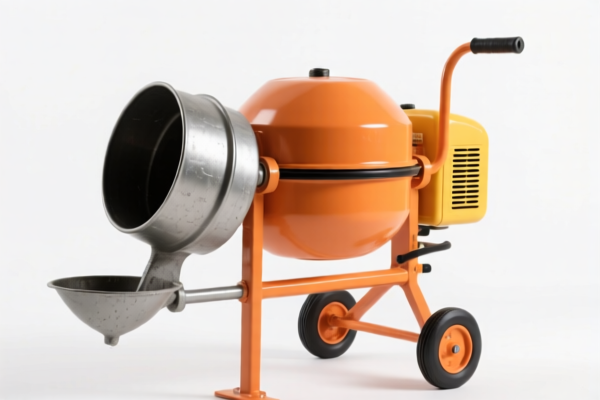
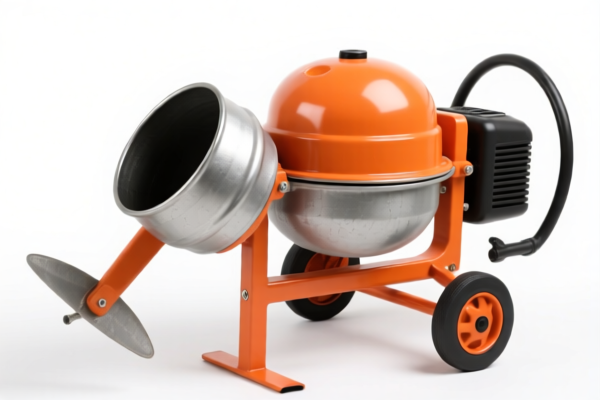
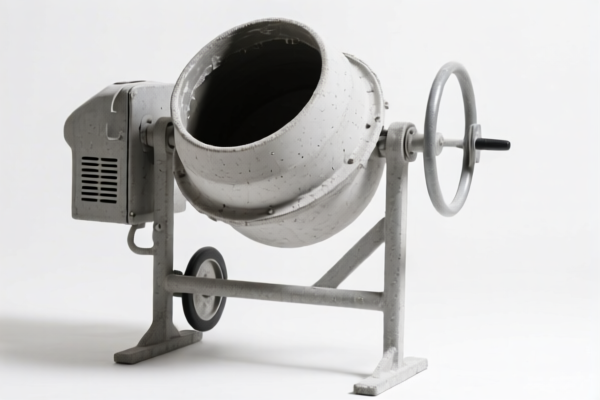
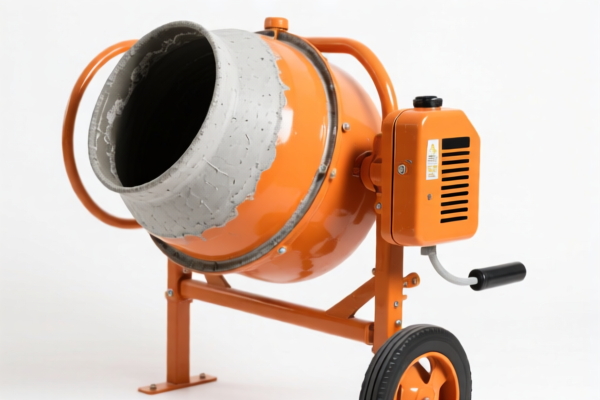
AI Analysis
🧱 Silicate Mortar (Chemical Prepared Binders)
🌐 HS Code Reference & Customs Clearance Guide | 2026 Latest Tariff Analysis | Professional Strategy
📌 I. Product Definition & Classification: What Exactly is "Silicate Mortar"?
Silicate Mortar, in the context of international trade and customs classification, is NOT a simple construction cement or dry mix for laying bricks. It is classified under Chapter 38 as a Prepared Binder or Chemical Preparation.
In the foundry and casting industry, "Silicate Mortar" typically refers to Sodium Silicate-based binders used for preparing molds and cores. These are chemical preparations where natural silicates are treated or mixed to create a bonding agent for sand molds.
Key Distinction: * Construction Mortar (Chapter 38 Exclusion): Standard cement/concrete for building walls is often excluded or classified differently if it does not fit the "chemical preparation" definition strictly, but Prepared binders for foundry molds have a specific subheading. * Foundry Binder (Chapter 38 Inclusion): If the product is a chemical mixture (silicate + additives) specifically designed to bind sand for metal casting molds, it falls under 3824.
⚠️ Critical Classification Point:
- If the product is a "Wet" (liquid/paste) prepared binder for foundry molds → 3824.50.00.10
- If the product is "Other" (dry powder, other forms, or not explicitly wet) → 3824.50.00.50
📦 II. HS Code Classification Details (2026 Latest Tariff Authority)
Based on the provided data, there are two specific HS Codes for this product category under Chapter 38.
| HS Code | Product Description | State/Form | Foundry Application |
|---|---|---|---|
3824.50.00.10 |
Wet Nonrefractory mortars and concretes | Liquid, Slurry, Paste | Wet sand molds, liquid silicate binders |
3824.50.00.50 |
Other Nonrefractory mortars and concretes | Dry Powder, Granules, Other Forms | Dry sand core binders, other chemical preparations |
🔍 Key Reminder:
- Both codes fall under 3824.50: "Prepared binders for foundry molds or cores." - The distinction is purely based on the physical state ("Wet" vs. "Other"). - Refractory products (those capable of withstanding very high temperatures without melting/deforming) are excluded from this specific subheading and may fall under different codes. Ensure your product is Nonrefractory.
💰 III. 2026 Latest Tariff Rate Breakdown (Including Surcharges)
✅ Applicable Country: United States (US)
✅ Country of Origin: China (CN) (Implied by the 25% surcharge structure in the data)
✅ Effective Date: Current USITC and Trade Act provisions
🎯 1. 3824.50.00.10 —— Prepared Binders for Foundry Molds (Wet)
| Item | Content |
|---|---|
| Base Tariff Rate | 0.0% (Ad Valorem) |
| Section 301 Surcharge | +25.0% |
| Total Effective Tax | 25.0% |
| Tax Calculation | CIF Value × 25% |
| De Minimis Exemption | ❌ Not Applicable (This code is subject to full taxation) |
| Legal Basis | HTSUS 3824.50.00.10 + USITC Footnote 301 (China-specific) |
📌 Explanation:
- The base duty is 0%, which makes it attractive before surcharges. - However, due to Section 301 Trade Actions against China, a 25% additional tariff is applied. - Total Cost Impact: 25% of the declared value. This is a significant cost factor that must be calculated into your landed cost.
🎯 2. 3824.50.00.50 —— Prepared Binders for Foundry Molds (Other)
| Item | Content |
|---|---|
| Base Tariff Rate | 0.0% (Ad Valorem) |
| Section 301 Surcharge | +25.0% |
| Total Effective Tax | 25.0% |
| Tax Calculation | CIF Value × 25% |
| De Minimis Exemption | ❌ Not Applicable |
| Legal Basis | HTSUS 3824.50.00.50 + USITC Footnote 301 (China-specific) |
📌 Note:
- Like the "Wet" category, "Other" forms (e.g., dry binders) face the same 25% surcharge. - There is no tariff advantage for choosing "Other" over "Wet" in terms of percentage. The decision should be based on accurate product description (state of matter).
🛠️ IV. Customs Clearance Practical Advice (Real-World Pitfall Avoidance)
✅ 1. Required Documentation Checklist (Non-Negotiable)
| Document | Mandatory | Explanation |
|---|---|---|
| ✅ Product Specification Sheet | ✔️ | Must specify: Chemical composition (Silicate %), physical state (Wet/Dry), and intended use (Foundry Mold Binder). |
| ✅ Material Safety Data Sheet (MSDS/SDS) | ✔️ | Critical for chemical products. Must confirm it is Nonrefractory and describe handling hazards. |
| ✅ Commercial Invoice | ✔️ | Clearly state: "Prepared Binder for Foundry Molds, Sodium Silicate Based, Nonrefractory." Avoid vague terms like "Construction Cement." |
| ✅ Certificate of Origin | ✔️ | To confirm China origin for Section 301 applicability. |
| ✅ Packing List | ✔️ | Specify net/gross weight and volume. |
✅ 2. Declaration Strategy (Key Mnemonics)
🔥 "State Determines Code, Origin Determines Tax!"
| Scenario | Correct Declaration | Wrong Declaration | Risk |
|---|---|---|---|
| Liquid Silicate Binder | 3824.50.00.10 ("Wet") |
3824.50.00.50 ("Other") |
Misclassification risk; potential penalty. |
| Dry Powder Binder | 3824.50.00.50 ("Other") |
3824.50.00.10 ("Wet") |
Misclassification risk; potential penalty. |
| Standard Building Cement | Not 3824 | 3824.50.00.10 |
High Risk: Rejection, reclassification to Chapter 25 (Cement), plus penalties. |
| Refractory Foundry Sand | Not 3824 | 3824.50.00.10 |
High Risk: Refractory materials are excluded from this specific subheading. |
✅ 3. Special Case Handling
| Situation | Handling Advice |
|---|---|
| Is it Refractory? | If the binder is designed for high-temperature refractory applications, it does not belong in 3824.50. Consult with a customs broker for potential Chapter 69 or other chemical chapters. |
| Mixed Shipments | If you ship both Wet and Dry binders, they must be declared on separate lines with their respective HS codes. Do not lump them under one code. |
| Chemical Ingredients | Ensure the MSDS clearly states the product is a mixture/preparation of natural products (silicates), not just raw silicate sand. This qualifies it for Chapter 38. |
🌍 V. Global Market Comparison (2026 Latest)
| Country/Region | Recommended HS Code | Tariff Rate (China Origin) | Notes |
|---|---|---|---|
| 🇺🇸 USA | 3824.50.00.10 / .50 |
25.0% | Base 0% + 25% Section 301 Surcharge. |
| 🇨🇳 China | 3824.50.00 |
Varies (Import Duty) | Usually low (0-5%) for chemical binders. Check specific PRC tariff list. |
| 🇪🇺 EU | 3824.50 |
3.7% (Standard) | No US-style 301 surcharge. CAD (Collecting Administrative Duty) may apply. |
| 🇨🇦 Canada | 3824.50 |
0% (MFN) | Preferential rates may apply if origin is verified. |
| 🇲🇽 Mexico | 3824.50 |
0% (Under USMCA) | If manufactured in Mexico with sufficient regional value content. |
📌 Conclusion:
- USA has the highest cost burden due to the 25% surcharge. - EU/Canada/Mexico offer significantly lower tariff burdens. - Supply Chain Strategy: Consider sourcing or manufacturing in non-China countries if targeting the US market to mitigate the 25% additional duty.
📌 VI. Common Errors & Pitfalls (Lessons Learned)
❌ Error 1: Declaring "Silicate Mortar" as "Construction Cement" (Chapter 25).
👉 Consequence: Customs may reclassify it as a chemical preparation, apply 3824 rates, and levy penalties for incorrect declaration. Or vice versa: if it is actually construction cement, misdeclaring as 3824 could lead to duty evasion findings.
❌ Error 2: Ignoring the "Wet" vs. "Other" distinction.
👉 Consequence: Audit risk. If you declare "Wet" but customs inspectors test the product and find it's a powder, you face misclassification penalties.
❌ Error 3: Failing to prove "Nonrefractory" status.
👉 Consequence: If the product is used in high-temp foundry applications (refractory), it may be excluded from 3824.50. Provide technical data sheets proving it is NOT refractory.
✅ Correct Practice:
"Prepared Binder for Foundry Molds, Sodium Silicate Based, Liquid State, Nonrefractory, HS 3824.50.00.10, Origin: China"
🎯 VII. Conclusion: Precision Classification, Cost Optimization!
🎯 Remember the Key Rules:
🔹 "Wet is .10, Other is .50."
🔹 "China Origin = 25% Surcharge on Top of 0% Base."
🔹 "Nonrefractory Only!"
🔹 "Chemical Prep, Not Just Sand!"
📌 Pro Tip:
If your volume is high, consider Advance Ruling from CBP to confirm the "Wet" vs. "Other" classification and the "Nonrefractory" status. This provides legal certainty and protects against future audits.
📣 Immediate Action:
📞 Contact a licensed customs broker
📄 Provide SDS and Product Specs
🚀 Ensure your commercial invoice accurately reflects the state (Wet/Other) and chemical nature.
✨ Professional customs clearance starts with accurate classification!
💼 Your profit margin depends on every percentage point of tax!
Customer Reviews
About HS Code Classification
The Harmonized System (HS) is an internationally standardized nomenclature developed by the World Customs Organization (WCO) to classify traded products. Over 200 countries use the HS system as the basis for customs tariffs, trade statistics, and import/export regulations.
Each HS code follows a hierarchical structure:
- Chapter (2 digits) — Broad category of goods (e.g., Chapter 84: Machinery and Mechanical Appliances)
- Heading (4 digits) — More specific grouping within the chapter
- Subheading (6 digits) — Internationally standardized breakdown, used by all WCO member countries
- National subdivisions (8-10 digits) — Country-specific extensions for further classification, such as US HTSUS 10-digit codes
Correct HS code classification is essential for smooth customs clearance, accurate duty payment, and compliance with trade regulations. Misclassification can lead to customs delays, overpayment of duties, or penalties.
When importing from CN to US, the applicable tariff rates may include:
- Most-Favored-Nation (MFN) rate — The standard duty rate applied to WTO members
- General rate — Applied to countries without trade agreements
- Trade remedy duties — Additional tariffs such as Section 301 (anti-dumping), Section 232 (national security), or countervailing duties
The information provided on this page is for reference purposes only. For official classification, please consult with your local customs authority or a licensed customs broker.