Silicon carbide grinding wheels
CN → US| HS Code | Tariff Rate | Origin | Destination | Doc |
|---|---|---|---|---|
| 6805200000 | 35.0% | CN | US | Official Doc |
| 6805301000 | 35.0% | CN | US | Official Doc |
| 6804221000 | 0.0% | CN | US | Official Doc |
Product Images
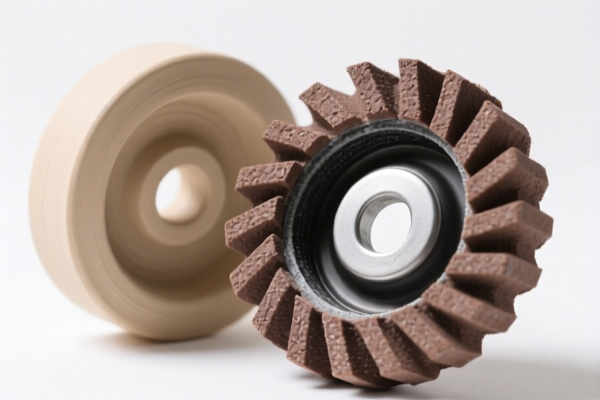
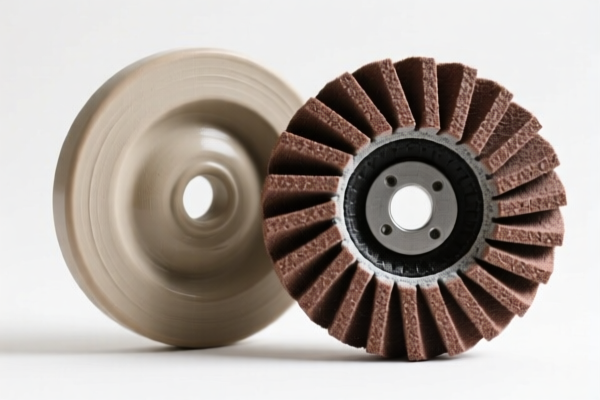
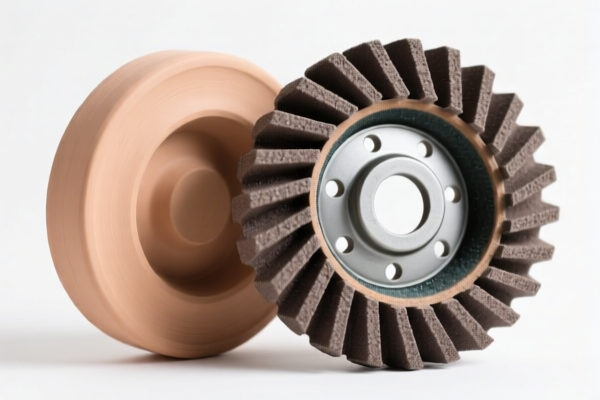
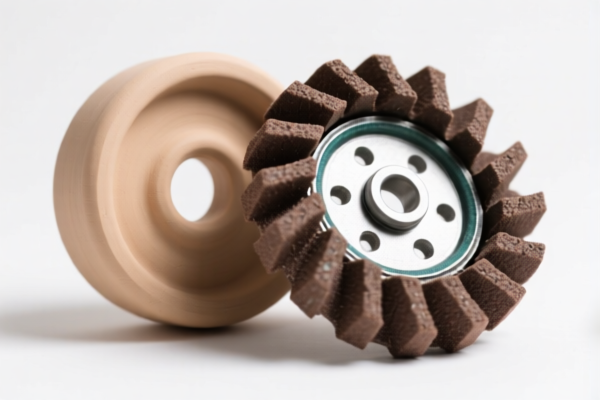
AI Analysis
🎡 Silicon Carbide Grinding Wheels (Abrasive Products)
🌐 HS Code Reference & Clearance Guide | 2026 Latest Tariff Analysis | Professional Customs Strategy
📌 I. Product Definition & Classification: What Exactly is a "Grinding Wheel"?
Silicon Carbide Grinding Wheels are essential industrial consumables used for grinding, polishing, and cutting hard materials. In international trade, they are classified based on their binding method and form, not just the abrasive material itself. The key distinction lies in whether the abrasive is bonded into a solid wheel or attached to a backing material (like paper or cloth).
⚠️ Critical Distinction:
- Bonded Abrasives (Solid Wheels/Blocs): Abrasive grains bound together with a ceramic, resin, or rubber bond to form a rigid shape. → Often grouped under 6804 (Resurfaced Stone/Agglomerated Abrasive Products).
- Backed Abrasives (Sandpaper/Files): Abrasive grains adhered to a flexible backing (paper, cloth, film). → Grouped under 6805 (Sandpaper/Files).
📦 II. HS Code Classification Details (2026 Latest Tariff Authority Comparison)
Based on the provided data, here is how Silicon Carbide products are classified into specific HS Codes:
| HS Code | Product Description | Applicability | Key Feature |
|---|---|---|---|
6804.22.10.00 |
Resurfaced stone, agglomerated abrasive products, articles thereof; of synthetic or natural corundum | Solid grinding tools, bonded abrasives | Bonded/Resurfaced: Abrasive is bound into a solid form (wheel/bloc), not on a flexible backing. |
6805.20.00.00 |
Sandpaper with a backing of paper | Flexible abrasive sheets on paper backing | Paper Backing: Silicon carbide attached to paper. |
6805.30.10.00 |
Sandpaper with a backing of other materials | Flexible abrasive sheets on non-paper backing (cloth, film, etc.) | Other Backing: Silicon carbide attached to non-paper base, meeting band/strip definition. |
🔍 Key Clarification:
- If the product is a solid grinding wheel (common in industrial machining), it typically falls under 6804.22.10.00 as a "resurfaced stone/agglomerated abrasive product."
- If the product is sandpaper or abrasive sheets (common in woodworking or polishing), it falls under 6805.20.00.00 or 6805.30.10.00 depending on the backing material.
💰 III. 2026 Latest Tariff Rate Breakdown (Including Surcharges, Policy Add-ons)
✅ Applicable Country: United States (US)
✅ Origin: China (CN)
✅ Effective Date: 2025/2026 (Current applicable rates)
🎯 1. 6804.22.10.00 —— Resurfaced Stone/Agglomerated Abrasive Products (Solid Wheels/Bonds)
| Item | Content |
|---|---|
| Base Tariff | 5¢/kg + 2% (ad valorem) |
| USITC Surcharge | +25% (Section 301) |
| IEEPA Surcharge | +10% (Section 122/IEEPA for China) |
| Total Effective Rate | 5¢/kg + 2% + 35% (Total 35% ad valorem + specific duty) |
| Tax Calculation | (CIF Value × 2%) + (Weight × 5¢/kg) + (CIF Value × 35%) |
| De Minimis Exemption? | ❌ Not Applicable (High tariff products usually excluded) |
| Legal Basis Path | IEEPA:9903.01.25 → USITC:6804.22.10.00 → FOOTNOTE:301 |
📌 Explanation:
- Base Rate: Includes a specific duty (5¢/kg) and an ad valorem rate (2%).
- Surcharges: 25% (Section 301) + 10% (IEEPA/Section 122) = 35% total surcharge on the ad valorem portion.
- Note: This code typically applies to bonded abrasive wheels (solid form).
🎯 2. 6805.20.00.00 —— Sandpaper with Paper Backing
| Item | Content |
|---|---|
| Base Tariff | 0% |
| USITC Surcharge | +25% (Section 301) |
| IEEPA Surcharge | +10% (Section 122/IEEPA for China) |
| Total Effective Rate | 35% (Ad valorem) |
| Tax Calculation | CIF Value × 35% |
| De Minimis Exemption? | ❌ Not Applicable |
| Legal Basis Path | IEEPA:9903.01.25 → USITC:6805.20.00.00 → FOOTNOTE:301 |
📌 Explanation:
- Base Rate: 0% duty.
- Surcharges: 25% + 10% = 35% total surcharge.
- Note: Applies to silicon carbide sandpaper on paper backing.
🎯 3. 6805.30.10.00 —— Sandpaper with Other Backing (Band/Strip Definition)
| Item | Content |
|---|---|
| Base Tariff | 0% |
| USITC Surcharge | +25% (Section 301) |
| IEEPA Surcharge | +10% (Section 122/IEEPA for China) |
| Total Effective Rate | 35% (Ad valorem) |
| Tax Calculation | CIF Value × 35% |
| De Minimis Exemption? | ❌ Not Applicable |
| Legal Basis Path | IEEPA:9903.01.25 → USITC:6805.30.10.00 → FOOTNOTE:301 |
📌 Explanation:
- Base Rate: 0% duty.
- Surcharges: 25% + 10% = 35% total surcharge.
- Note: Applies to silicon carbide abrasive products on non-paper backings, meeting the definition of bands/strips.
🛠️ IV. Customs Clearance Practical Advice (Real-World Pitfall Avoidance)
✅ 1. Preparation Checklist (Essential Documents)
| Document | Required | Notes |
|---|---|---|
| ✅ Product Specification Sheet | ✔️ | Must detail: Abrasive type (Silicon Carbide), Grit size, Bond type (if solid), Backing material (if flexible), Dimensions, Weight. |
| ✅ Composition Data | ✔️ | Percentage of silicon carbide vs. binder/backing. |
| ✅ Product Photos | ✔️ | Clear images showing the product shape (wheel vs. sheet) and packaging. |
| ✅ Commercial Invoice | ✔️ | Must clearly state: "Silicon Carbide Abrasive Product," HS Code, and Country of Origin. |
| ✅ Packing List | ✔️ | Net weight must be accurate (critical for 6804 specific duty). |
✅ 2. Classification Tips (Key Rules)
🔥 “Shape Defines Code: Solid vs. Flexible”
| Scenario | Correct HS Code | Reason |
|---|---|---|
| Solid Grinding Wheel (Bonded abrasive) | 6804.22.10.00 |
Resurfaced stone/agglomerated abrasive product. Subject to 5¢/kg + 35%. |
| Sandpaper on Paper | 6805.20.00.00 |
Flexible abrasive on paper backing. Subject to 35%. |
| Abrasive Belt on Cloth | 6805.30.10.00 |
Flexible abrasive on non-paper backing (band/strip). Subject to 35%. |
| Ceramic Grinding Wheel | 6804.22.10.00 |
Same as silicon carbide solid wheels. |
⚠️ Warning:
- Do NOT misclassify a solid grinding wheel as sandpaper. The 5¢/kg specific duty in6804is unique and must be accounted for.
- Do NOT misclassify sandpaper as a grinding wheel. You may face penalties for incorrect classification.
✅ 3. Special Cases
| Case | Handling Advice |
|---|---|
| OEM Private Label | Provide brand authorization to avoid IP issues, but tariff rates remain the same. |
| Mixed Shipments | If sending both wheels and sandpaper, declare them separately with distinct HS Codes. |
| High-Value Industrial Tools | Ensure the invoice value reflects the true CIF value to avoid under-valuation claims. |
🌍 V. Global Market Comparison (2026 Latest)
| Country/Region | Recommended HS Code | Tariff Rate (China Origin) | Notes |
|---|---|---|---|
| 🇺🇸 USA | 6804.22.10.00 / 6805.xxxxxx |
35% + 5¢/kg (Solid) or 35% (Flexible) | High surcharges apply. |
| 🇨🇳 China | 6804.22.10.00 / 6805.xxxxxx |
5-10% | Standard import duty, no surcharges. |
| 🇪🇺 EU | 6804.22.00 / 6805.xxxxxx |
0-3% | No Section 301/IEEPA equivalents. |
| 🇯🇵 Japan | 6804.22 / 6805 |
0-3% | Low tariff, easy clearance. |
📌 Conclusion:
- The USA imposes significant additional tariffs on Chinese-origin abrasive products.
- The EU, Japan, and China have much lower tariff barriers, making them more cost-effective markets if sourcing from China.
📌 VI. Common Mistakes & Pitfall Guide
❌ Mistake 1: Classifying a solid grinding wheel as sandpaper (6805)
👉 Consequence: Avoids the 5¢/kg duty but risks misclassification penalties and potential higher duties if audited.
❌ Mistake 2: Under-declaring the weight of 6804 products
👉 Consequence: Since 6804 has a specific duty (5¢/kg), under-reporting weight leads to underpayment of duties and fines.
❌ Mistake 3: Ignoring the backing material for 6805
👉 Consequence: Misclassifying paper-backed as cloth-backed (6805.20 vs. 6805.30) may lead to incorrect HS Code selection, though tax rates are similar in this case.
❌ Mistake 4: Not declaring Origin clearly
👉 Consequence: If origin is not clearly China, you may not be charged the 35% surcharge, but customs audits will catch this, leading to back taxes + penalties.
✅ Correct Declaration Example:
"Silicon Carbide Grinding Wheel, 100mm Diameter, Bonded Abrasive, Made in China, HS Code 6804.22.10.00"
OR
"Silicon Carbide Sandpaper, 10x10cm, Paper Backing, Made in China, HS Code 6805.20.00.00"
🎯 VII. Conclusion: Precision in Classification, Savings in Customs!
🎯 Remember the Rules:
🔹 "Solid Wheel? Use 6804 (5¢/kg + 35%). Flexible Sheet? Use 6805 (35%)."
🔹 "35% Surcharge is Real: 25% + 10%. Plan Your Costs!"
📌 Tips:
- If shipping bulk industrial wheels, ensure weight declarations are accurate due to the specific duty.
- If shipping sandpaper, focus on correct backing material classification.
- Consider pre-classification rulings if dealing with complex hybrid abrasive products.
📣 Immediate Action:
📞 Consult with a licensed customs broker to verify your specific product’s HS Code.
📦 Double-check weight and composition data before shipping.
💼 Save costs by avoiding misclassification penalties!
✨ Professional Clearance, Starting from Accurate Classification!
💼 Every cent counts in global trade!
Customer Reviews
About HS Code Classification
The Harmonized System (HS) is an internationally standardized nomenclature developed by the World Customs Organization (WCO) to classify traded products. Over 200 countries use the HS system as the basis for customs tariffs, trade statistics, and import/export regulations.
Each HS code follows a hierarchical structure:
- Chapter (2 digits) — Broad category of goods (e.g., Chapter 84: Machinery and Mechanical Appliances)
- Heading (4 digits) — More specific grouping within the chapter
- Subheading (6 digits) — Internationally standardized breakdown, used by all WCO member countries
- National subdivisions (8-10 digits) — Country-specific extensions for further classification, such as US HTSUS 10-digit codes
Correct HS code classification is essential for smooth customs clearance, accurate duty payment, and compliance with trade regulations. Misclassification can lead to customs delays, overpayment of duties, or penalties.
When importing from CN to US, the applicable tariff rates may include:
- Most-Favored-Nation (MFN) rate — The standard duty rate applied to WTO members
- General rate — Applied to countries without trade agreements
- Trade remedy duties — Additional tariffs such as Section 301 (anti-dumping), Section 232 (national security), or countervailing duties
The information provided on this page is for reference purposes only. For official classification, please consult with your local customs authority or a licensed customs broker.