Silicone Body Scrubber
CN → US| HS Code | Tariff Rate | Origin | Destination | Doc |
|---|---|---|---|---|
| 3924905650 | 20.9% | CN | US | Official Doc |
| 3924900500 | 20.6% | CN | US | Official Doc |
| 9603298090 | 0.0% | CN | US | Official Doc |
Product Images
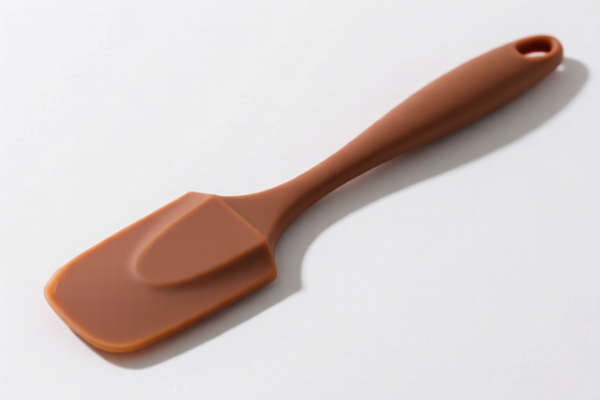
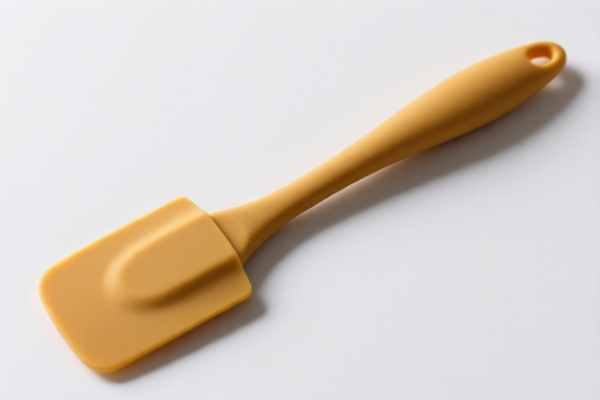
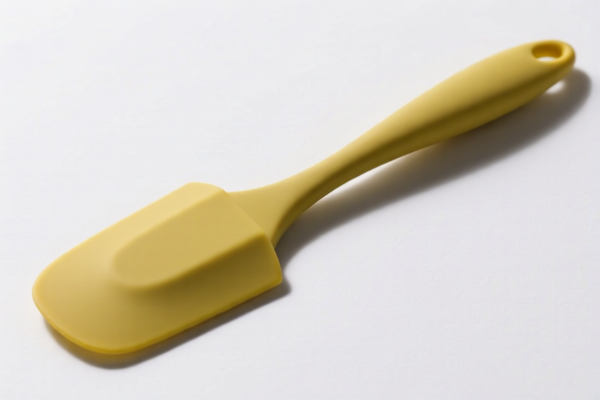
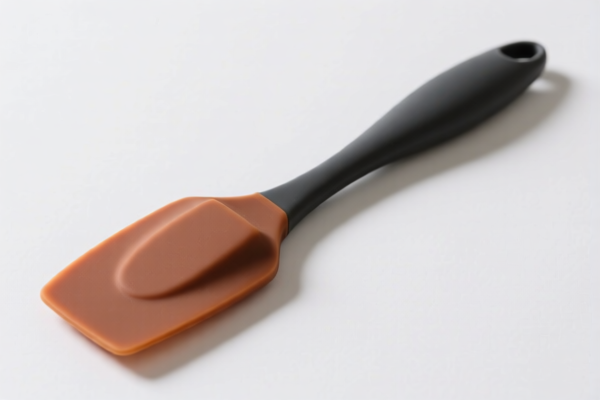
AI Analysis
🚿 Silicone Body Scrubber (Silicone Bath Brush)
🌐 HS Code Classification & Customs Clearance Guide | 2026 Updated Tariff Analysis | Strategic Entry Strategies
📌 I. Product Definition: What Exactly Is a "Silicone Body Scrubber"?
A Silicone Body Scrubber is a personal care tool designed for human hygiene, specifically for exfoliating and cleaning the body during bathing. In international trade, the classification hinges on two critical factors:
1. Material Composition: Pure silicone vs. Silicone/Plastic/Composite.
2. Structural Design: Simple handheld vs. Long-handled (which changes the nature from a simple sponge/brush to a "toilet/household brush").
⚠️ Critical Distinction:
- If it is a simple handheld pad or sponge-like item → It falls under Chapter 39 (Plastics) as a household/hygiene article.
- If it has a distinct long handle intended for reaching the back, it may be classified under Chapter 96 (Brooms/Brushes) as a "brush for the human body."
📦 II. HS Code Classification Details (2026 Latest Tariff Data)
Based on the provided data, there are three distinct classification paths depending on the specific product design:
| HS Code | Product Description | Material/Structure | Use Case |
|---|---|---|---|
3924.90.56.50 |
Silicone Bath Brush, Plastic Hygiene Item | Pure Silicone | Simple handheld scrubbing pad or brush. |
3924.90.05.00 |
Silicone Bath Brush, Plastic Household/Hygiene Item | Plastic / Synthetic Rubber | Composite material or mixed component design. |
9603.29.80.90 |
Long-Handle Silicone Bath Brush | Silicone (with handle) | Body cleaning brush with a long handle for back washing. |
🔍 Key Insight:
- The shift from Chapter 39 to Chapter 96 is driven by the handle. Chapter 96 explicitly covers "brooms, brushes... for the human body." If your product has a rigid handle,9603.29.80.90is the correct classification. - Within Chapter 39, the material dictates the sub-heading: Pure silicone goes to...56.50, while plastic/rubber blends go to...05.00.
💰 III. Detailed Tariff Rate Breakdown (US Market / China Origin)
✅ Target Market: United States (US)
✅ Origin: China (CN)
✅ Applicable Policies: Base Tariff + Section 301 (Trade War) + Section 122 (Tariffs)
🎯 1. 3924.90.56.50 —— Silicone Bath Brush (Pure Silicone)
| Item | Detail |
|---|---|
| Base Tariff | 3.4% |
| Additional Tariff (Sec. 301) | 7.5% |
| Section 122 Tariff | 10.0% |
| Total Effective Tax Rate | 20.9% |
| Calculation Basis | Ad Valorem (Percentage of CIF Value) |
| De Minimis Exemption? | ❌ NO (High tariff rates usually disqualify packages from the $800 de minimis exemption in strict customs interpretations, though practice varies; however, for business imports, this is a hard cost). |
📌 Explanation:
- This is the standard rate for pure silicone hygiene products.
- The 20.9% total includes the base import duty, the additional trade war tariff, and the specific 122条款 tariff.
- Cost Impact: For a $100 shipment, expect ~$20.90 in duties/taxes alone.
🎯 2. 3924.90.05.00 —— Silicone Bath Brush (Plastic/Rubber Mix)
| Item | Detail |
|---|---|
| Base Tariff | 3.1% |
| Additional Tariff (Sec. 301) | 7.5% |
| Section 122 Tariff | 10.0% |
| Total Effective Tax Rate | 20.6% |
| Calculation Basis | Ad Valorem (Percentage of CIF Value) |
| De Minimis Exemption? | ❌ NO |
📌 Explanation:
- Slightly lower base rate (3.1% vs 3.4%) due to material composition.
- Still subject to the same heavy additional tariffs (7.5% + 10%).
- Savings: Only 0.3% lower than the pure silicone version. Not significant enough to change design solely for tax reasons.
🎯 3. 9603.29.80.90 —— Long-Handle Silicone Body Brush
| Item | Detail |
|---|---|
| Base Tariff | 0.3¢ each (Specific Rate) + 3.6% (Ad Valorem) |
| Additional Tariff (Sec. 301) | 0.0% (Note: Data shows 0.0% additional, likely due to specific footnote exemptions or classification nuances for brushes) |
| Section 122 Tariff | 10.0% |
| Total Effective Tax Rate | 3.6% + 10% + 0.3¢/unit |
| Calculation Basis | Hybrid: Per-unit fee + Percentage |
| De Minimis Exemption? | ⚠️ Check Specifics |
📌 Explanation:
- Major Advantage: The Base Tariff is significantly lower (3.6% vs 20%+ for Chapter 39).
- Section 122: Still applies at 10%.
- Section 301: Data indicates 0.0% additional tariff for this specific code (HS 9603). This is a crucial distinction.
- Total Impact: ~13.6% + $0.003 per unit. This is dramatically cheaper than the Chapter 39 classifications (20.9%).
- Warning: This ONLY applies if the product has a long handle and is explicitly marketed as a "brush" for the body. Simple sponges/pads do NOT qualify.
🛠️ IV. Customs Clearance Practical Advice (Risk Avoidance Guide)
✅ 1. Documentation Checklist (Mandatory)
| Document | Required? | Purpose |
|---|---|---|
| ✅ Product Photos | ✔️ | Must clearly show silicone texture, handle length, and bristles/nubs. |
| ✅ Material Composition Statement | ✔️ | Explicitly state: "100% Food-Grade Silicone" OR "Silicone head + Plastic handle." |
| ✅ Commercial Invoice | ✔️ | Description must match HS Code logic. E.g., "Silicone Body Brush with Long Handle" vs. "Silicone Bath Sponge." |
| ✅ Structure Diagram | ✔️ | Essential for 9603.29.80.90 to prove it is a "brush" with a handle, not just a "plastic article." |
✅ 2. Classification Strategy (The "Handle" Rule)
🔥 Golden Rule:
"No Handle = Chapter 39 (High Tax ~20.9%)
Long Handle = Chapter 96 (Lower Tax ~13.6% + 3.6%)"
| Product Type | Recommended HS Code | Estimated Total Cost Rate | Why? |
|---|---|---|---|
| Handheld Silicone Pad | 3924.90.56.50 |
20.9% | Pure silicone, no handle. Classified as plastic hygiene item. |
| Handheld Silicone Brush (No Long Handle) | 3924.90.05.00 |
20.6% | Composite material, small size. Classified as plastic household item. |
| Long-Handle Back Wash Brush | 9603.29.80.90 |
~13.6% + 0.3¢/unit | Classified as "Brush for Human Body." Lower Section 301 impact. |
✅ 3. Common Mistakes & Pitfalls
❌ Mistake 1: Calling a long-handle brush a "Bath Sponge" to simplify description.
👉 Risk: Customs may reject Chapter 96 and force Chapter 39 (20.9%), leading to overpayment or delayed clearance for reclassification.
❌ Mistake 2: Ignoring the "Section 122" tariff.
👉 Risk: All three codes have a 10% Section 122 tariff. Failing to account for this in landed cost calculations will erode margins.
❌ Mistake 3: Assuming "Silicone" automatically means "Low Tax."
👉 Risk: Silicone in Chapter 39 is treated as "Plastic" for duty purposes in many contexts, attracting high tariffs. Only Chapter 96 offers a structural tax advantage.
📌 V. Strategic Recommendations for Importers
- Optimize Product Design: If your margin is tight, consider adding a rigid long handle to your silicone scrubber. This shifts the classification from
3924(20.9%) to9603(~13.6%), saving nearly 7.3% in duties. - Precise Naming: Use terms like "Back Wash Brush" or "Long Handle Body Scrubber" in invoices for
9603.29.80.90. Avoid generic terms like "Bath Toy" or "Sponge." - Material Clarity: If sticking to
3924, specify "100% Silicone" to avoid disputes over "Plastic/Rubber" blends (3924.90.05.00). The tax difference is small, but consistency prevents customs queries. - Verify Section 122 Applicability: Ensure your customs broker confirms the 10% Section 122 tariff is being applied correctly for China-origin goods, as this is a recent and critical add-on.
🎯 VI. Conclusion
- For Simple Handheld Scrubbers: Expect ~20.9% total tax. No major optimization possible without changing the product.
- For Long-Handle Brushes: Expect ~13.6% + $0.003/unit. Significant savings.
- Key Takeaway: The physical structure (handle) is your best tool for tax optimization. Use it wisely!
💡 Pro Tip: Always request a Pre-Ruling from CBP if you are importing large volumes of long-handle brushes to lock in the
9603classification and confirm the Section 301 rate.
✨ Smart Classification = Higher Profit Margins!
💼 Don’t let complex tariffs wash away your gains!
Customer Reviews
About HS Code Classification
The Harmonized System (HS) is an internationally standardized nomenclature developed by the World Customs Organization (WCO) to classify traded products. Over 200 countries use the HS system as the basis for customs tariffs, trade statistics, and import/export regulations.
Each HS code follows a hierarchical structure:
- Chapter (2 digits) — Broad category of goods (e.g., Chapter 84: Machinery and Mechanical Appliances)
- Heading (4 digits) — More specific grouping within the chapter
- Subheading (6 digits) — Internationally standardized breakdown, used by all WCO member countries
- National subdivisions (8-10 digits) — Country-specific extensions for further classification, such as US HTSUS 10-digit codes
Correct HS code classification is essential for smooth customs clearance, accurate duty payment, and compliance with trade regulations. Misclassification can lead to customs delays, overpayment of duties, or penalties.
When importing from CN to US, the applicable tariff rates may include:
- Most-Favored-Nation (MFN) rate — The standard duty rate applied to WTO members
- General rate — Applied to countries without trade agreements
- Trade remedy duties — Additional tariffs such as Section 301 (anti-dumping), Section 232 (national security), or countervailing duties
The information provided on this page is for reference purposes only. For official classification, please consult with your local customs authority or a licensed customs broker.