Silicone Bumper
CN → US| HS Code | Tariff Rate | Origin | Destination | Doc |
|---|---|---|---|---|
| 8517790000 | 67.5% | CN | US | Official Doc |
| 4202929700 | 52.6% | CN | US | Official Doc |
| 8517130000 | 10.0% | CN | US | Official Doc |
| 4202929400 | 52.6% | CN | US | Official Doc |
| 7616991000 | 85.0% | CN | US | Official Doc |
Product Images
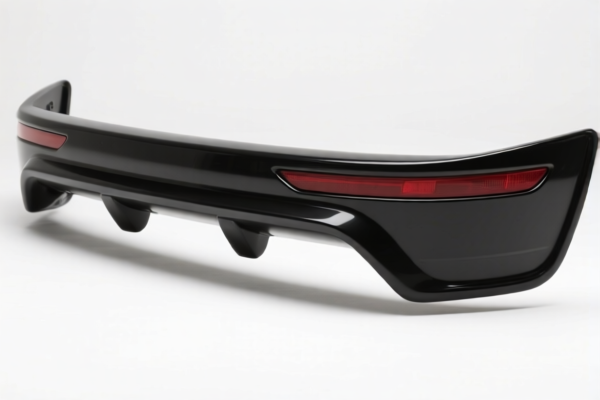
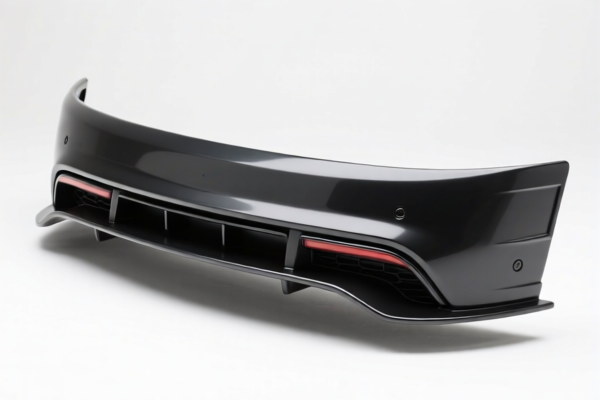
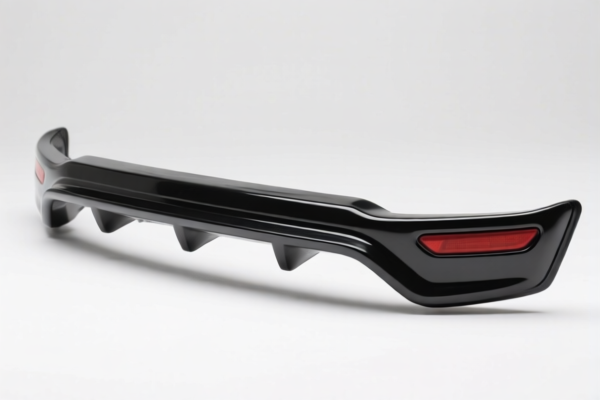
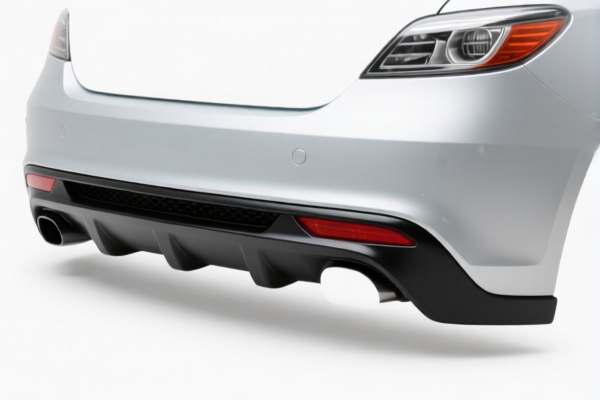
AI Analysis
🛡️ Silicone Bumper (Phone Protection Case)
🌐 HS Code Classification & Tariff Guide | 2026 Updated | Expert Customs Clearance Strategy
📌 One Product, Five Possible HS Codes — Know Which One Applies to You!
📦 一、Product Definition & Classification: What Exactly Is a "Silicone Bumper"?
A silicone bumper is a protective case or cover designed for smartphones, typically made from silicone or plastic materials, used to absorb shock, prevent scratches, and enhance grip. It is not a standalone device, but rather a component or accessory that supports or protects electronic equipment.
In international trade, the classification of a silicone bumper depends on: - Whether it functions as a protective shell or accessory - The material composition (plastic, silicone, fabric, metal) - Whether it is intended for use with communication devices
⚠️ Critical Insight:
- If it's a standalone protective case for a phone → likely 4202.92.97.00 or 4202.92.94.00
- If it's a component of a communication device → may fall under 8517.79.00.00 or 8517.13.00.00
- If it contains aluminum or metal parts → could be subject to 7616.99.10.00
📊 二、HS Code Breakdown (2026 Tariff Authority Reference)
| HS Code | Product Description | Material Assumption | Key Classification Logic | Applicable Tax |
|---|---|---|---|---|
8517.79.00.00 |
Protection case for communication devices (e.g., phones), treated as a component/part | Plastic or Silicone | Classified under "Parts of Telecommunication Equipment"; fits zero-attachment rule | 67.5% |
4202.92.97.00 |
Other cases, bags, or containers for personal use, not for tools or instruments | Plastic or Textile | Treated as protective shell/container, not a device part | 52.6% |
8517.13.00.00 |
Accessories for mobile phones (e.g., cases, mounts, chargers) | Plastic or Silicone | Classified as phone accessory under "parts of mobile telephones" | 10.0% |
4202.92.94.00 |
Cases for electronic equipment (e.g., tablets, phones), used for protection | Plastic or Textile | Matches "protective case" function; no conflict with material | 52.6% |
7616.99.10.00 |
Other aluminum articles, not specified elsewhere | Aluminum or Metal | Used as fallback when material suggests metal content | 85.0% |
🔍 Key Rule:
- If the bumper is designed specifically for a phone and acts as a protective housing, it can be classified under 8517.79.00.00 or 8517.13.00.00 (parts/accessory).
- If it's more like a container or bag, even if for phones, it falls under 4202.92.97.00 or 4202.92.94.00.
💰 三、2026 Tariff Breakdown (Detailed Tax Clause Analysis)
✅ Applicable Country: United States (US)
✅ Origin: China (CN)
✅ Effective Date: November 10, 2025 (and onward)
🎯 1. 8517.79.00.00 — Protection Case as Communication Device Part
| Tax Component | Rate | Legal Basis | Notes |
|---|---|---|---|
| Basic Tariff | 0.0% | HTSUS §8517.79.00 | Standard rate for parts |
| Section 301 (USITC) Additional Duty | 7.5% | USITC Footnote 9903.88.01 | From China-specific trade action |
| Section 122 (10% Tariff) | 10.0% | USITC 9903.01.25 | Applies to certain goods from China |
| Steel/Aluminum 50% Additional Duty | 50.0% | USITC 9903.01.24 | Only applies if metal content is present |
| Total Effective Rate | 67.5% | — | High-risk if metal detected |
📌 Explanation:
- This is not a standard accessory — it’s treated as a component of a communication device.
- The 50% steel/aluminum surcharge applies only if the bumper contains any metal (e.g., internal frame, metal insert).
- If purely silicone/plastic, the 50% surcharge does NOT apply → total = 17.5%
- But if any metal is present, total jumps to 67.5% → extremely high risk
🎯 2. 4202.92.97.00 — Protective Case as Container/Shell
| Tax Component | Rate | Legal Basis | Notes |
|---|---|---|---|
| Basic Tariff | 17.6% | HTSUS §4202.92.97 | Standard for similar containers |
| Section 301 (USITC) Additional Duty | 25.0% | USITC 9903.88.01 | China-specific trade action |
| Section 122 (10% Tariff) | 10.0% | USITC 9903.01.25 | Applies to Chinese-origin goods |
| Total Effective Rate | 52.6% | — | No 50% steel/aluminum surcharge unless metal present |
📌 Explanation:
- This code treats the bumper as a protective container, not a part of the phone.
- No 50% steel/aluminum surcharge applies here — only if metal is detected in material.
- Best choice if the bumper is purely plastic/silicone and not designed as a functional part.
🎯 3. 8517.13.00.00 — Phone Accessory (Low-Tax Option)
| Tax Component | Rate | Legal Basis | Notes |
|---|---|---|---|
| Basic Tariff | 0.0% | HTSUS §8517.13.00 | Standard for accessories |
| Section 301 (USITC) Additional Duty | 0.0% | — | No 301 duty applied to this subheading |
| Section 122 (10% Tariff) | 0.0% | — | Not subject to 122 clause |
| Total Effective Rate | 10.0% | — | Lowest possible tariff |
📌 Explanation:
- This is the most favorable code for phone accessories.
- No 301, no 122, no 50% surcharge — only 10% total.
- Only applies if the bumper is clearly labeled and marketed as a "phone accessory", not a part of the device.
🎯 4. 4202.92.94.00 — Cases for Electronic Equipment (Protective Function)
| Tax Component | Rate | Legal Basis | Notes |
|---|---|---|---|
| Basic Tariff | 17.6% | HTSUS §4202.92.94 | For protective cases |
| Section 301 (USITC) Additional Duty | 25.0% | USITC 9903.88.01 | China-specific |
| Section 122 (10% Tariff) | 10.0% | USITC 9903.01.25 | Applies to Chinese goods |
| Total Effective Rate | 52.6% | — | Same as 4202.92.97.00 |
📌 Explanation:
- Very similar to4202.92.97.00, but specifically for electronic equipment cases.
- No 50% steel/aluminum surcharge unless metal present.
- Best for non-communication devices (e.g., tablets, smartwatches).
🎯 5. 7616.99.10.00 — Aluminum Articles (Fallback for Metal-Containing Cases)
| Tax Component | Rate | Legal Basis | Notes |
|---|---|---|---|
| Basic Tariff | 0.0% | HTSUS §7616.99.10 | Standard for aluminum |
| Section 301 (USITC) Additional Duty | 25.0% | USITC 9903.88.01 | China-specific |
| Section 122 (10% Tariff) | 10.0% | USITC 9903.01.25 | Applies to Chinese goods |
| Steel/Aluminum 50% Surcharge | 50.0% | USITC 9903.01.24 | Applies to aluminum goods |
| Total Effective Rate | 85.0% | — | Highest risk |
📌 Explanation:
- Only applies if the bumper contains aluminum (e.g., metal frame, insert, or casing).
- Even if 99% silicone, if any aluminum is present, this code applies.
- Total tax: 85% — extremely punitive.
- Use only as last resort — avoid at all costs.
🛠️ 四、Customs Clearance Best Practices (Pro Tips to Avoid Penalties)
✅ 1. Essential Documentation (Must-Have)
| Document | Required? | Why It Matters |
|---|---|---|
| ✅ Product Photos (front, back, side, internal) | ✔️ | Show material, design, and whether metal is present |
| ✅ Material Test Report (e.g., silicone vs. aluminum) | ✔️ | Prove no metal → avoid 50% surcharge |
| ✅ Commercial Invoice | ✔️ | Must clearly state “Silicone Phone Bumper – Accessory” |
| ✅ Packing List | ✔️ | Show unit count, packaging type |
| ✅ Certificate of Origin (CO) | ✔️ | Required for tariff eligibility |
| ✅ Product Specification Sheet | ✔️ | Include dimensions, function, intended use |
| ✅ Declaration of No Metal Content | ✔️ | Critical for avoiding 50% surcharge |
✅ 2.申报技巧(Key Rules to Remember)
🔥 "Material First, Function Second — No Metal = Lower Tax!"
| Scenario | Correct HS Code | Why |
|---|---|---|
| Pure silicone bumper, no metal, marketed as accessory | 8517.13.00.00 |
Only 10% tax |
| Bumper with plastic/silicone, used as protective shell | 4202.92.97.00 or 4202.92.94.00 |
52.6% tax, but safe |
| Bumper with aluminum frame or insert | 7616.99.10.00 |
85% tax — avoid if possible |
| Bumper designed as part of phone system | 8517.79.00.00 |
67.5% if metal present, only 17.5% if pure plastic/silicone |
✅ 3. Special Cases & Mitigation Strategies
| Situation | Recommended Action |
|---|---|
| Bumper has metal frame | Use 7616.99.10.00 — but only if unavoidable |
| Uncertain material | Get a third-party lab test before shipment |
| Low-volume shipment | Consider de minimis exemption (if under $800, no duty) |
| High-volume export | Apply for Advance Ruling (Pre-Approval) from U.S. Customs |
| Shipment to EU/AU/JAP | Check local tariffs — many countries have no 301/122 surcharges |
🌍 五、Global Market Tariff Comparison (2026)
| Country | Recommended HS Code | Tariff | Certification | Notes |
|---|---|---|---|---|
| 🇺🇸 USA | 8517.13.00.00 |
10.0% (if no metal) | None | Best option |
| 🇨🇳 China | 8517.13.00.00 |
5% | CCC | No 301/122 |
| 🇪🇺 EU | 4202.92.97.00 |
0% (if CE) | CE | No 301/122 |
| 🇦🇺 Australia | 4202.92.97.00 |
5% | RCM | No 301 |
| 🇯🇵 Japan | 4202.92.97.00 |
0% | PSE | No 301 |
📌 Conclusion:
- USA is the only market with high additional tariffs (301, 122, 50% surcharge).
- China, EU, AU, JP are much more favorable — ideal for export.
🚨 Six Common Mistakes (Avoid These at All Costs!)
❌ Mistake 1: Using 8517.79.00.00 for a pure silicone bumper with no metal
👉 Result: You pay 67.5% instead of 10% → massive overpayment
❌ Mistake 2: Not testing for metal content
👉 Result: Customs finds aluminum → 50% surcharge applied retroactively
❌ Mistake 3: Declaring as “phone case” but using 4202.92.97.00 without proof
👉 Result: Misclassification → delayed release or seizure
❌ Mistake 4: Not providing material test report
👉 Result: Customs may assume metal presence → higher tax
❌ Mistake 5: Using 7616.99.10.00 without metal
👉 Result: 85% tax on a silicone product — financial disaster
✅ Best Practice:
"Declare clearly, test thoroughly, choose wisely — the right HS code saves thousands!"
🎯 Final Verdict: The Smart Way to Declare a Silicone Bumper
✅ Best HS Code:
8517.13.00.00
✅ Best Tax Rate: 10.0% (if no metal)
✅ Key to Success:
- Prove material is pure silicone/plastic
- Label as "phone accessory"
- Avoid any metal components
- Get lab test report ready
📌 Pro Tip: Apply for Advance Ruling (Pre-Approval)
📞 Contact U.S. Customs & Border Protection (CBP)
📄 Submit: Product photos, material test, invoice, description
📅 Get binding decision in 60–90 days
💡 Avoid surprises, lock in low tax rate, save time & money
📣 Act Now!
🚀 Your silicone bumper can cross borders smoothly — but only if you choose the right HS code.
💼 Don’t let a wrong classification cost you 85% in taxes.
✨ Precision Classification = Profit Protection
💼 Every dollar saved is a dollar earned.
🔍 Know your HS Code. Know your tax. Know your future.
Customer Reviews
About HS Code Classification
The Harmonized System (HS) is an internationally standardized nomenclature developed by the World Customs Organization (WCO) to classify traded products. Over 200 countries use the HS system as the basis for customs tariffs, trade statistics, and import/export regulations.
Each HS code follows a hierarchical structure:
- Chapter (2 digits) — Broad category of goods (e.g., Chapter 84: Machinery and Mechanical Appliances)
- Heading (4 digits) — More specific grouping within the chapter
- Subheading (6 digits) — Internationally standardized breakdown, used by all WCO member countries
- National subdivisions (8-10 digits) — Country-specific extensions for further classification, such as US HTSUS 10-digit codes
Correct HS code classification is essential for smooth customs clearance, accurate duty payment, and compliance with trade regulations. Misclassification can lead to customs delays, overpayment of duties, or penalties.
When importing from CN to US, the applicable tariff rates may include:
- Most-Favored-Nation (MFN) rate — The standard duty rate applied to WTO members
- General rate — Applied to countries without trade agreements
- Trade remedy duties — Additional tariffs such as Section 301 (anti-dumping), Section 232 (national security), or countervailing duties
The information provided on this page is for reference purposes only. For official classification, please consult with your local customs authority or a licensed customs broker.