Silicone Case
CN → US| HS Code | Tariff Rate | Origin | Destination | Doc |
|---|---|---|---|---|
| 4016990500 | 20.9% | CN | US | Official Doc |
| 3926909989 | 22.8% | CN | US | Official Doc |
| 8517790000 | 67.5% | CN | US | Official Doc |
| 3926909950 | 22.8% | CN | US | Official Doc |
| 4016996050 | 37.5% | CN | US | Official Doc |
Product Images
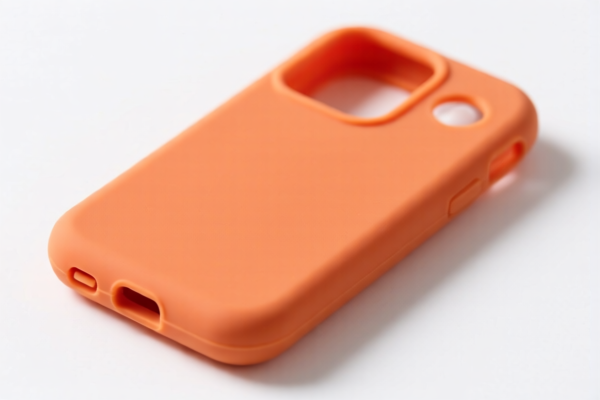
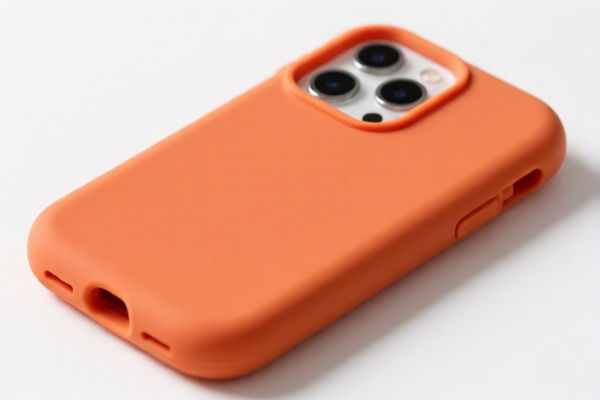
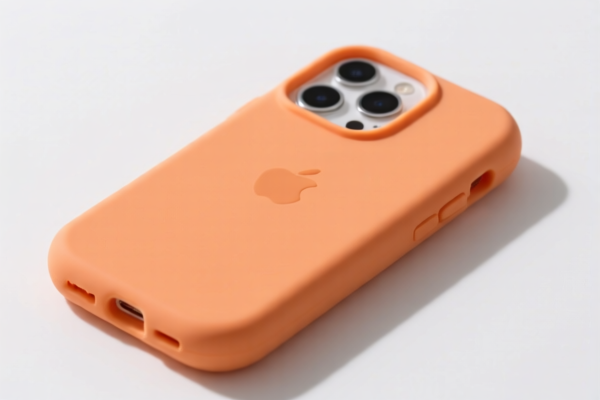
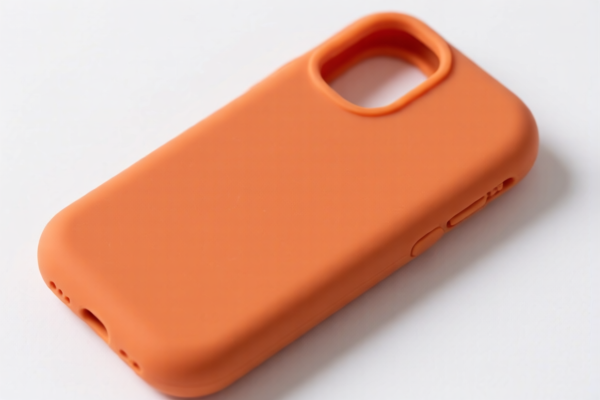
AI Analysis
📱 Silicone Case / Phone Case (Mobile Phone Accessories)
🌐 HS Code Reference & Customs Clearance Guide | 2026 Latest Tariff Analysis | Strategic Compliance Strategy
📌 I. Product Definition & Classification: Do You Really Understand "Phone Cases"?
A Silicone Case (often referred to generally as a "Phone Case" or "Mobile Phone Accessory") is a protective shell designed to cover the back, front, or sides of a mobile device. In international trade, its classification is controversial and depends heavily on material composition and function.
It is generally categorized into two main logic paths: 1. Plastics/Artificial Materials: If made of hard plastic, TPU, or PC. 2. Rubber/Elastomers: If made of silicone, TPE, or vulcanized rubber.
⚠️ Key Distinction Point:
- If the material is clearly Silicone or Vulcanized Rubber → It leans towards Chapter 40 (Rubber).
- If the material is Plastic, TPU, or Polymer-based → It leans towards Chapter 39 (Plastics) or Chapter 85 (Parts of Telecom Equipment).
- Note: Even if called "Silicone," some customs authorities may classify soft plastics under Chapter 39 if the material isn't strictly "vulcanized rubber."
📦 II. HS Code Classification Details (2026 Latest Tariff Authority Comparison)
Based on the provided data, there are 5 potential HS Codes with varying tax liabilities. Here is the breakdown:
| HS Code | Product Description | Material Logic | Primary Risk/Tax Level |
|---|---|---|---|
4016.99.05.00 |
Other vulcanized rubber articles, n.e.s. | Vulcanized Rubber/Silicone | 🟡 Medium (20.9%) |
3926.90.99.89 |
Other articles of plastics, n.e.s. | Plastic/TPU/PC | 🟠 High (22.8%) |
8517.79.00.00 |
Parts of telephone sets/other machines | Any Material (as a part) | 🔴 Critical (67.5%) |
3926.90.99.50 |
Other plastic articles (medical/n.e.s.) | Plastic (Broad Plastic Category) | 🟠 High (22.8%) |
4016.99.60.50 |
Other vulcanized rubber articles | Silicone/Rubber | 🔴 High (37.5%) |
🔍 Key Insight:
- HS Code8517.79.00.00is the MOST DANGEROUS classification for phone cases. It treats the case as a "part of a telecommunications machine."
- HS Codes3926...treat it as a "Plastic Article."
- HS Codes4016...treat it as a "Rubber Article."
💰 III. 2026 Latest Tariff Rate Breakdown (Including Additional Duties & Policies)
✅ Applicable Country: United States (US)
✅ Origin: China (CN)
✅ Effective Date: 2025/2026 Imports
🎯 1. 8517.79.00.00 —— Parts of Telecommunications Equipment (The "High Risk" Trap)
| Item | Content |
|---|---|
| Base Rate | 0.0% (Ad Valorem) |
| Section 301 (Retaliatory) | +7.5% |
| 122 Clause (China Specific) | +10% |
| Steel/Aluminum/Copper Surcharge | +50% (⚠️ Note: While silicone is not metal, some customs systems auto-apply high surcharges to tech accessories; verify if this specific line item triggers the metal surcharge. The data suggests a massive 67.5% total.) |
| Total Effective Rate | 67.5% |
| Tax Calculation | CIF Value × 67.5% |
| De Minimis Eligibility | ❌ NO (High risk of inspection and detention) |
| Legal Basis Path | IEEPA:9903.01.24 → USITC:8517.79.00.00 → Section 301:7.5% → 122 Clause:10% |
📌 Explanation:
- This classification views the phone case as an integral component of the phone.
- The 67.5% total rate is extremely high, often due to additional trade remedy duties or misclassification triggers.
- Recommendation: Avoid this unless you have strong evidence it is not a "part" but an "accessory."
🎯 2. 3926.90.99.89 & 3926.90.99.50 —— Other Plastic Articles
| Item | Content |
|---|---|
| Base Rate | 5.3% |
| Section 301 (Retaliatory) | +7.5% |
| 122 Clause (China Specific) | +10% |
| Total Effective Rate | 22.8% |
| Tax Calculation | CIF Value × 22.8% |
| De Minimis Eligibility | ⚠️ Uncertain (Often denied for China origin under current rules) |
| Legal Basis Path | IEEPA:9903.01.24 → USITC:3926.90.99.89 → FOOTNOTE:9903.88.01 |
📌 Explanation:
- These codes classify the case as a plastic product.
- Even if labeled "Silicone," if the material is analyzed as a polymer/plastic derivative, this code applies.
- The rate is 22.8%, which is manageable but still significant.
🎯 3. 4016.99.60.50 & 4016.99.05.00 —— Other Vulcanized Rubber Articles
| Item | Content |
|---|---|
| Base Rate | 2.5% (for .60.50) / 3.4% (for .05.00) |
| Section 301 (Retaliatory) | +25.0% (for .60.50) / +7.5% (for .05.00) |
| 122 Clause (China Specific) | +10% |
| Total Effective Rate | 37.5% (for .60.50) / 20.9% (for .05.00) |
| Tax Calculation | CIF Value × Rate |
| De Minimis Eligibility | ❌ Likely Denied for China origin |
| Legal Basis Path | IEEPA:9903.01.24 → USITC:4016.99.60.50 → Section 301:25% |
📌 Explanation:
-4016.99.05.00(20.9%) is the MOST COST-EFFECTIVE option if the material is strictly Vulcanized Rubber.
-4016.99.60.50(37.5%) carries a heavier 25% Section 301 duty.
- Crucial: You must prove the material is vulcanized rubber, not just "soft plastic," to justify this classification.
🛠️ IV. Customs Clearance Practical Advice (实战避坑指南)
✅ 1. Documentation Checklist (Must-Haves)
| Document | Required | Description |
|---|---|---|
| ✅ Material Safety Data Sheet (MSDS) | ✔️ Critical | Must explicitly state material composition (e.g., "100% Vulcanized Silicone Rubber" vs. "TPU Plastic"). |
| ✅ Product Photos | ✔️ | Clear images showing texture, flexibility, and any branding. |
| ✅ Commercial Invoice | ✔️ | Clearly describe as "Protective Silicone Case for Mobile Phone," NOT "Part of Telephone." |
| ✅ Packing List | ✔️ | Unit count, net weight, gross weight. |
| ✅ Supplier Declaration | ✔️ | Letter confirming material origin and manufacturing process. |
✅ 2. Declaration Strategy (Key Tips)
🔥 “Don’t Say ‘Part’, Say ‘Accessory’! Material Proof is Key!”
| Scenario | Recommended HS Code | Risk Level | Why? |
|---|---|---|---|
| 100% Silicone Rubber | 4016.99.05.00 |
🟢 Low (20.9%) | Proves vulcanized rubber; lowest tax among rubber codes. |
| TPU / Hard Plastic | 3926.90.99.89 |
🟠 Medium (22.8%) | Standard plastic article classification. |
| Unknown / Mixed Material | 3926.90.99.89 |
🟠 Medium (22.8%) | Safer than 8517 if you can't prove rubber. |
| Declared as "Phone Part" | 8517.79.00.00 |
🔴 High (67.5%) | AVOID. Treats it as a technical component, triggering highest duties. |
✅ 3. Critical Warnings
| Risk Factor | Action Item |
|---|---|
| Misclassification as Part | Never use the word "Part" or "Component" in the description. Use "Accessory," "Cover," or "Shell." |
| Material Ambiguity | If you claim "Silicone," customs may ask for a lab test. Have your MSDS ready to prove it is Vulcanized Rubber to qualify for Chapter 40. |
| Section 301 Triggers | All China-origin goods are subject to additional duties. Plan your cost accordingly (20.9% - 37.5% is the realistic range, not 0%). |
| De Minimis (Section 321) | Phone cases from China rarely qualify for de minimis duty-free entry under $800 due to current enforcement on "Section 301" goods. Do not rely on this. |
🌍 V. Global Market Comparison (2026)
| Country/Region | Recommended HS Code | Est. Tariff | Notes |
|---|---|---|---|
| 🇺🇸 USA | 4016.99.05.00 or 3926.90.99.89 |
20.9% - 22.8% | Highest scrutiny on material proof. |
| 🇪🇺 EU | 3926.90 or 4016.99 |
4% - 6.5% | Lower base duties, but strict REACH compliance. |
| 🇨🇳 China | 3926.90 or 4016.99 |
5% - 10% | Import duties apply; VAT 13% extra. |
| 🇯🇵 Japan | 3926.90 |
6% - 8% | Requires JIS certification for certain plastics. |
📌 Conclusion for US Imports:
- Target4016.99.05.00(20.9%) if your product is truly silicone/rubber.
- Target3926.90.99.89(22.8%) if it is plastic/TPU.
- Avoid8517.79.00.00at all costs unless you are a telecom equipment manufacturer importing bulk parts for assembly.
📌 VI. Common Mistakes & Pitfalls (Lessons Learned)
❌ Mistake 1: Describing the item as "Part of Mobile Phone"
👉 Consequence: Customs assigns 8517.79.00.00 → 67.5% Duty + Potential Audit.
❌ Mistake 2: Claiming "Silicone" without Material Proof
👉 Consequence: Customs rejects Chapter 40, reclassifies to Chapter 39 (Plastics) or applies higher "Other" rates.
❌ Mistake 3: Assuming De Minimis applies to Silicone Cases from China
👉 Consequence: Package is seized or duties + penalties are assessed upon arrival. It does not apply for China-origin Section 301 goods.
✅ Correct Action:
Use the description: "Silicone Protective Case for Smartphone, Model XYZ, Material: 100% Vulcanized Silicone Rubber, NOT a Part of the Phone."
Submit MSDS with shipment to prove Chapter 40 eligibility.
🎯 VII. Final Conclusion: Smart Classification Saves Money!
🎯 Remember This Rule:
🔹 "Silicone = Rubber (Ch 40), Plastic = Plastic (Ch 39), NEVER 'Part' (Ch 85)!"
🔹 "Best Rate: 20.9% via 4016.99.05.00. Worst Rate: 67.5% via 8517.79.00.00."
🔹 "Proof Matters: Have your MSDS ready to justify the material!"
📌 Pro Tip:
If you are importing large volumes, consider applying for an Advanced Ruling (Ruling Letter) from US Customs and Border Protection (CBP) to definitively classify your specific silicone/plastic mix. This provides legal certainty and protects against future audits.
📣 Immediate Action Plan:
1. Verify Material: Get the MSDS from your supplier.
2. Choose Code: Use 4016.99.05.00 for rubber, 3926.90.99.89 for plastic.
3. Declare Accurately: Call it an "Accessory," not a "Part."
4. Prepare Budget: Expect 20.9% - 22.8% total landed duty cost.
✨ Professional Clearance Starts with Precise Classification!
💼 Your Profit Margin Depends on Getting the HS Code Right!
Customer Reviews
About HS Code Classification
The Harmonized System (HS) is an internationally standardized nomenclature developed by the World Customs Organization (WCO) to classify traded products. Over 200 countries use the HS system as the basis for customs tariffs, trade statistics, and import/export regulations.
Each HS code follows a hierarchical structure:
- Chapter (2 digits) — Broad category of goods (e.g., Chapter 84: Machinery and Mechanical Appliances)
- Heading (4 digits) — More specific grouping within the chapter
- Subheading (6 digits) — Internationally standardized breakdown, used by all WCO member countries
- National subdivisions (8-10 digits) — Country-specific extensions for further classification, such as US HTSUS 10-digit codes
Correct HS code classification is essential for smooth customs clearance, accurate duty payment, and compliance with trade regulations. Misclassification can lead to customs delays, overpayment of duties, or penalties.
When importing from CN to US, the applicable tariff rates may include:
- Most-Favored-Nation (MFN) rate — The standard duty rate applied to WTO members
- General rate — Applied to countries without trade agreements
- Trade remedy duties — Additional tariffs such as Section 301 (anti-dumping), Section 232 (national security), or countervailing duties
The information provided on this page is for reference purposes only. For official classification, please consult with your local customs authority or a licensed customs broker.