Silicone Duckbill Cup
CN → US| HS Code | Tariff Rate | Origin | Destination | Doc |
|---|---|---|---|---|
| 3924102000 | 24.0% | CN | US | Official Doc |
| 3926901000 | 20.9% | CN | US | Official Doc |
| 3924104000 | 13.4% | CN | US | Official Doc |
Product Images
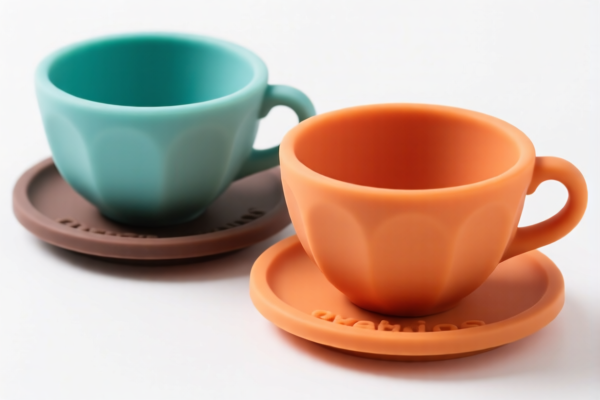
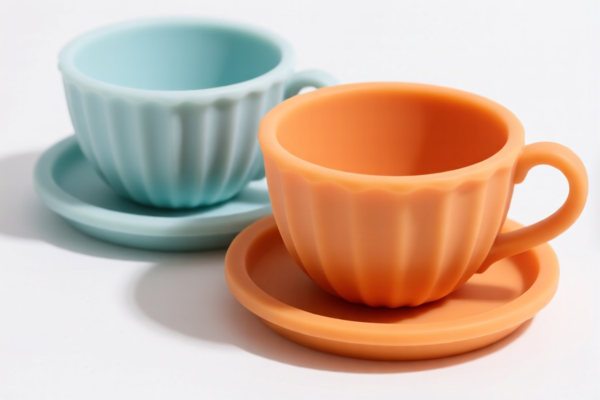
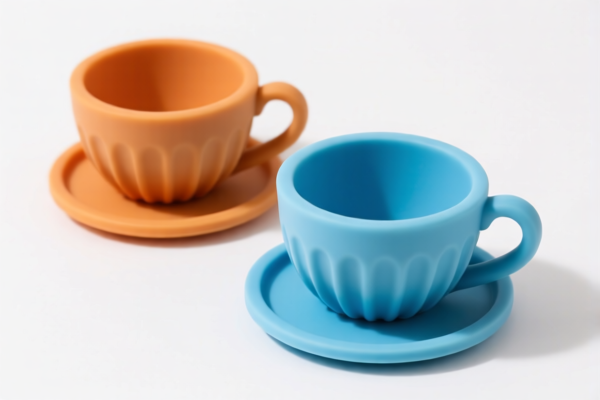
AI Analysis
🦆 Silicone Duckbill Cup: HS Code Classification & Customs Clearance Strategy | 2026 Tax & Compliance Guide
🌐 HS Code Reference & Customs Clearance Guide | 2026 Latest Tariff Analysis | Professional-Level Clearance Strategy
📌 1. Product Definition & Classification: What Exactly is a "Silicone Duckbill Cup"?
The Silicone Duckbill Cup is a specialized drinking vessel or container, typically characterized by its flexible silicone material and often a spout or "duckbill" shape designed for easy pouring or ergonomic drinking (commonly used for infants, pets, or outdoor sports).
In international trade, the classification hinges on two key factors: 1. Material: Silicone (classified as plastic/rubber under HS nomenclature). 2. Function/Use: Is it considered "tableware/kitchenware" (for human consumption) or "other plastic articles" (for general storage or non-dietary use)?
⚠️ Key Distinction Point:
- If primarily designed as tableware/drinkware for human use → Likely3924.10.xxxx
- If designed as a general-purpose container or other plastic article → Likely3926.90.10.00
📦 2. HS Code Classification Details (2026 Latest Tariff Reference)
| HS Code | Product Description | Application Scenario | Material/Form |
|---|---|---|---|
3924.10.20.00 |
Tableware & kitchenware of plastics | Silicone cups for human use (infant bottles, travel mugs) | Silicone (Plastic), Cup form, Tableware/Kitchenware |
3926.90.10.00 |
Other plastic articles | Silicone cups for non-tableware use or general containers | Plastic/Rubber, Container form, Other articles |
3924.10.40.00 |
Tableware & kitchenware of plastics | Silicone cups made from high polymer synthetic materials | High Polymer, Cup form, Tableware/Drinkware |
🔍 Key Reminder:
-3924.10.xxxxis the preferred category for items explicitly used as tableware or kitchenware.
-3926.90.10.00is a residual category for plastic articles not elsewhere specified, often used when the "tableware" intent is unclear or the item serves a different primary function.
💰 3. 2026 Latest Tariff Rate Breakdown (Including Duties & Surcharges)
✅ Applicable Country: United States (US)
✅ Origin: China (CN)
✅ Effective Date: Current rates apply as per latest trade data
🎯 1. 3924.10.20.00 — Tableware of Plastics (Silicone Cup)
| Item | Content |
|---|---|
| Base Duty | 6.5% |
| Section 301 Surcharge | 7.5% |
| Section 122 Tariff | 10% |
| Total Duty | 24.0% |
| Calculation Basis | CIF Value × 24.0% |
| De Minimis Eligibility | ❌ Not Eligible (High duty rate) |
| Legal Basis Path | Base:6.5% → Section301:7.5% → Section122:10% → Total:24.0% |
📌 Explanation:
- This is the highest tax bracket among the three options.
- It applies when the cup is clearly declared as tableware made of silicone (plastic).
- The combination of base duty, Section 301, and Section 122 tariffs results in a significant cost burden.
🎯 2. 3926.90.10.00 — Other Plastic Articles (Container)
| Item | Content |
|---|---|
| Base Duty | 3.4% |
| Section 301 Surcharge | 7.5% |
| Section 122 Tariff | 10% |
| Total Duty | 20.9% |
| Calculation Basis | CIF Value × 20.9% |
| De Minimis Eligibility | ❌ Not Eligible |
| Legal Basis Path | Base:3.4% → Section301:7.5% → Section122:10% → Total:20.9% |
📌 Note:
- Lower total duty (20.9%) compared to3924.10.20.00(24.0%).
- Applicable if the cup is classified as a general container or "other plastic article" rather than strict tableware.
- Suitable for items where the "tableware" designation is ambiguous or not the primary function.
🎯 3. 3924.10.40.00 — Tableware of Plastics (High Polymer)
| Item | Content |
|---|---|
| Base Duty | 3.4% |
| Section 301 Surcharge | 0.0% |
| Section 122 Tariff | 10% |
| Total Duty | 13.4% |
| Calculation Basis | CIF Value × 13.4% |
| De Minimis Eligibility | ❌ Not Eligible |
| Legal Basis Path | Base:3.4% → Section301:0.0% → Section122:10% → Total:13.4% |
📌 Key Advantage:
- Lowest duty rate (13.4%) among the three.
- Applicable when the item is made of high polymer synthetic materials and declared as tableware.
- Crucially: Section 301 surcharge is 0%, which significantly reduces the total cost.
- Requires precise material declaration and justification for "high polymer synthetic material" classification.
🛠️ 4. Customs Clearance Practical Advice (Pitfall Avoidance Guide)
✅ 1. Required Documentation Checklist
| Document | Mandatory | Description |
|---|---|---|
| ✅ Product Specifications | ✔️ | Material composition (silicone type), dimensions, capacity |
| ✅ Product Photos (with label) | ✔️ | Show shape, "duckbill" feature, brand, usage instructions |
| ✅ Commercial Invoice | ✔️ | Clearly state "Silicone Cup" and intended use (tableware vs. container) |
| ✅ Packing List | ✔️ | Detail quantity, weight, and packaging type |
| ✅ Certificate of Composition | ✔️ | Prove material is silicone/high polymer if claiming 3924.10.40.00 |
✅ 2. Declaration Strategy (Key Tips)
🔥 "Correct Classification Saves Money!"
| Scenario | Recommended HS Code | Duty Rate | Why? |
|---|---|---|---|
| Clear Tableware Use (Infant bottle, drinking cup) | 3924.10.20.00 |
24.0% | Safe but expensive |
| General Container / Ambiguous Use | 3926.90.10.00 |
20.9% | Moderate cost, less scrutiny on "tableware" definition |
| High Polymer Material + Tableware Use | 3924.10.40.00 |
13.4% | Lowest cost, but requires strong material proof |
📌 Warning:
- Misclassifying a3924.10.20.00item as3926.90.10.00to save 3.1% may trigger customs audits.
- For3924.10.40.00, ensure the material certificate supports "high polymer synthetic material" to avoid rejection.
✅ 3. Special Cases
| Case | Handling Advice |
|---|---|
| OEM/Private Label | Provide supplier invoice showing material composition; avoid generic "plastic cup" descriptions |
| Multi-Function Items (e.g., cup + lid + straw) | Declare as a single unit under the primary function (tableware) |
| Non-Standard Shapes | If not clearly "cup-like," consider 3926.90.10.00 to reduce classification risk |
🌍 5. Market Comparison & Clearance Risks
| Country/Region | Recommended HS Code | Duty Rate | Notes |
|---|---|---|---|
| 🇺🇸 USA | 3924.10.40.00 |
13.4% | Best rate; ensure material proof |
| 🇪🇺 EU | 3924.10.00 |
~6.5% | No Section 301/122; lower base duty |
| 🇨🇳 China | 3924.10.00 |
~6.5% | Domestic or import; standard tableware rate |
📌 Conclusion:
- USA is the most complex market due to multiple surcharges.
-3924.10.40.00offers the best savings (13.4%) if material and use are properly documented.
📌 6. Common Errors & Pitfalls
❌ Error 1: Declaring all silicone cups as 3924.10.20.00
👉 Consequence: Pay 24.0% duty unnecessarily.
✅ Fix: Check if 3924.10.40.00 or 3926.90.10.00 is applicable.
❌ Error 2: No material certificate for 3924.10.40.00
👉 Consequence: Customs reclassifies to 3924.10.20.00 (24.0%) or 3926.90.10.00 (20.9%).
✅ Fix: Provide supplier composition report.
❌ Error 3: Vague product name "Silicone Cup"
👉 Consequence: Customs may assume tableware (3924) and apply highest rate.
✅ Fix: Specify "Duckbill Drinking Cup, High Polymer Silicone."
🎯 7. Final Recommendations
🔹 "Choose
3924.10.40.00if possible: 13.4% duty vs. 24.0%!"
🔹 "Always provide material certificates for high polymer claims."
🔹 "If unsure,3926.90.10.00is a safer middle ground at 20.9%."
📌 Pro Tip:
- Apply for an Advance Ruling from US Customs if you have large volume shipments.
- Keep material test reports (e.g., FDA compliance for food contact) ready to support your classification.
📣 Immediate Action:
📞 Consult with a licensed customs broker to confirm HS Code eligibility.
📄 Prepare material composition documents for3924.10.40.00claims.
🚀 Optimize your supply chain costs by choosing the right HS Code!
✨ Professional Clearance, Precise Classification, Maximum Savings!
💼 Every percentage point matters in international trade!
Customer Reviews
About HS Code Classification
The Harmonized System (HS) is an internationally standardized nomenclature developed by the World Customs Organization (WCO) to classify traded products. Over 200 countries use the HS system as the basis for customs tariffs, trade statistics, and import/export regulations.
Each HS code follows a hierarchical structure:
- Chapter (2 digits) — Broad category of goods (e.g., Chapter 84: Machinery and Mechanical Appliances)
- Heading (4 digits) — More specific grouping within the chapter
- Subheading (6 digits) — Internationally standardized breakdown, used by all WCO member countries
- National subdivisions (8-10 digits) — Country-specific extensions for further classification, such as US HTSUS 10-digit codes
Correct HS code classification is essential for smooth customs clearance, accurate duty payment, and compliance with trade regulations. Misclassification can lead to customs delays, overpayment of duties, or penalties.
When importing from CN to US, the applicable tariff rates may include:
- Most-Favored-Nation (MFN) rate — The standard duty rate applied to WTO members
- General rate — Applied to countries without trade agreements
- Trade remedy duties — Additional tariffs such as Section 301 (anti-dumping), Section 232 (national security), or countervailing duties
The information provided on this page is for reference purposes only. For official classification, please consult with your local customs authority or a licensed customs broker.