Silicone Fixture
CN → US| HS Code | Tariff Rate | Origin | Destination | Doc |
|---|---|---|---|---|
| 4016935010 | 37.5% | CN | US | Official Doc |
| 3926908500 | 24.0% | CN | US | Official Doc |
| 4016993510 | 35.0% | CN | US | Official Doc |
| 3926904510 | 38.5% | CN | US | Official Doc |
| 7318220000 | 85.0% | CN | US | Official Doc |
Product Images
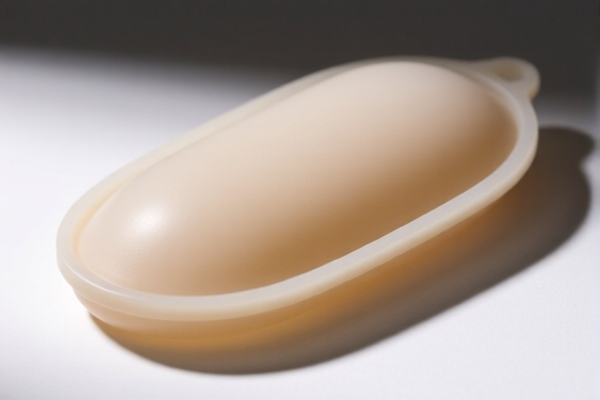
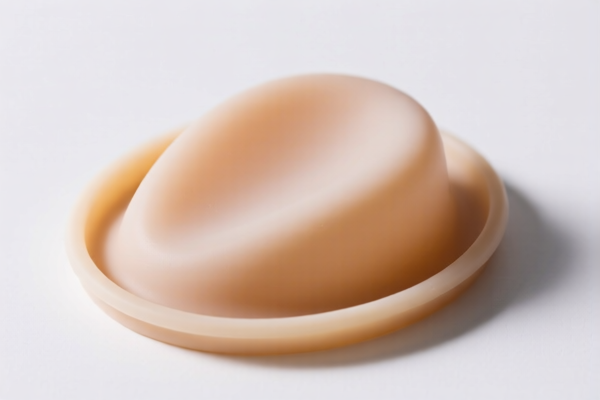
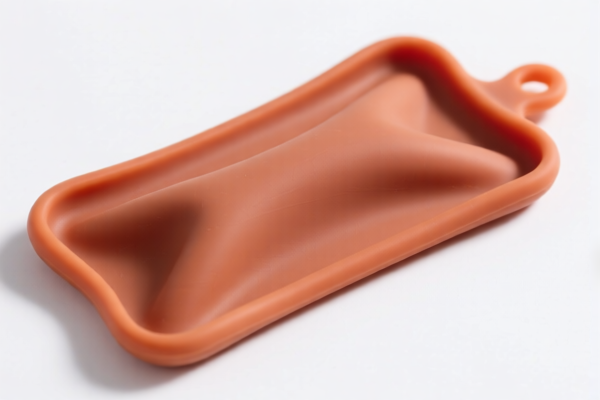
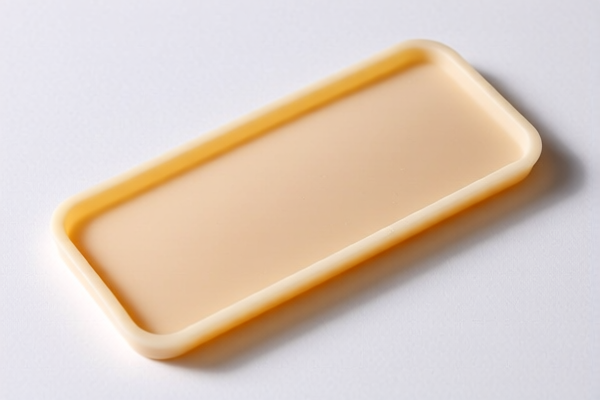
AI Analysis
🛠️ Silicone Fixtures: HS Code Classification & US Customs Clearance Strategy (2026 Guide)
🌐 HS Code Reference & Customs Clearance Guide | Latest Tariff Analysis for Silicone Fixtures
📌 I. Product Definition & Classification: What Exactly is a "Silicone Fixture" in Trade?
In international trade, "Silicone Fixture" (or Rubber/Plastic Fixtures/Clips/Rings) is a broad term. To ensure accurate customs clearance and avoid hefty penalties, you must distinguish the material and function precisely.
Key Distinction Logic: 1. Material is King: Is it Silicone Rubber (elastic, heat-resistant) or Plastic (rigid or semi-rigid)? * If Silicone Rubber → Look at Chapter 40 (Rubber and articles thereof). * If Plastic → Look at Chapter 39 (Plastics and articles thereof). 2. Form & Function: * Metal Hardware (Screws, bolts) → Chapter 73. * Non-Metal Fasteners/Clips/Rings → Chapter 39 or 40. * Seals/Gaskets → Specific sub-headings in Chapter 39 or 40.
⚠️ Critical Warning:
- Misclassifying Silicone as Plastic or vice versa is a common error leading to audits.
- Silicone is technically a rubber (elastomer). Therefore, Chapter 40 is often the most accurate for pure silicone fixtures, unless they are composite or explicitly plastic-coated.
📦 II. HS Code Classification Details (Based on Provided Data)
The following 5 HS Codes are the most likely candidates for "Silicone Fixtures" based on material (Rubber/Plastic) and form (Fixtures/Fasteners/Seals).
| HS Code | Product Description | Material Basis | Tax Rate | Key Deduction |
|---|---|---|---|---|
| 4016.93.50.10 | Rubber Fixtures / Parts | Silicone Rubber | 37.5% | Best Match for Pure Silicone. "Rubber" in name matches target class (Vulcanized Rubber). No material conflict. |
| 3926.90.85.00 | Other Plastic Articles | Plastic (Possible Mismatch) | 24.0% | Lower Tax, Higher Risk. Matches "Fixture/Clip" form. However, "Silicone" ≠ Plastic. Only use if product is actually plastic or composite. |
| 4016.99.35.10 | Other Rubber Articles (Seals/Seals) | Silicone Rubber | 35.0% | Good for Seals/Rings. If the "fixture" is primarily a seal or ring. Lower base duty (0%) but high surcharge. |
| 3926.90.45.10 | Plastic Parts/Accessories | Plastic (Possible Mismatch) | 38.5% | High Risk, High Tax. Matches "Parts/Accessories". If silicone is misidentified as plastic, tax is high. |
| 7318.22.00.00 | Metal Washers/Discs | Metal (Unlikely for Silicone) | 85.0% | AVOID. This is for Metal fixtures. Silicone fixtures do not belong here unless they have significant metal components that define their essential character. |
🔍 Analysis of Top Candidates:
- 4016.93.50.10 and 4016.99.35.10 are the most legally accurate for silicone rubber fixtures.
- 3926.90.85.00 offers the lowest tariff (24%) but carries the highest risk of reclassification if Customs determines the item is silicone (rubber), not plastic.
💰 III. 2026 Latest Tariff Rate Breakdown (US Market)
✅ Applicable Country: United States (US)
✅ Origin: China (CN) (Assumed based on "Section 301" and "122" tariffs in data)
✅ Effective Date: Post-2025 updates
🎯 1. 4016.93.50.10 – Rubber Fixtures (Recommended for Silicone)
| Item | Detail |
|---|---|
| Base Duty | 2.5% |
| Section 301 Surcharge | 25.0% |
| Section 122 Surcharge | 10.0% |
| Total Rate | 37.5% |
| Calculation | CIF Value × 37.5% |
| De Minimis Exemption | ❌ No (High tariff items are usually excluded from Section 321) |
| Legal Path | USITC:4016.93.50.10 → Section 301: 25% → Section 122: 10% |
📌 Explanation:
- This is the standard rubber fixture rate with all applicable US tariffs.
- Total 37.5% is significant but lower than the metal option.
🎯 2. 3926.90.85.00 – Plastic Articles (Lowest Tax, Highest Risk)
| Item | Detail |
|---|---|
| Base Duty | 6.5% |
| Section 301 Surcharge | 7.5% |
| Section 122 Surcharge | 10.0% |
| Total Rate | 24.0% |
| Calculation | CIF Value × 24.0% |
| De Minimis Exemption | ❌ No |
| Legal Path | USITC:3926.90.85.00 → Section 301: 7.5% → Section 122: 10% |
⚠️ Risk Alert:
- If Customs inspects the product and finds it is 100% Silicone (Rubber), they will reclassify it to Chapter 40.
- Penalty: You will owe the difference (37.5% - 24.0% = 13.5%) plus interest and potential fines for misdeclaration.
🎯 3. 4016.99.35.10 – Other Rubber Articles (Seals/Rings)
| Item | Detail |
|---|---|
| Base Duty | 0.0% |
| Section 301 Surcharge | 25.0% |
| Section 122 Surcharge | 10.0% |
| Total Rate | 35.0% |
| Calculation | CIF Value × 35.0% |
| Legal Path | USITC:4016.99.35.10 → Section 301: 25% → Section 122: 10% |
📌 Note:
- This is ideal if your "fixture" is a seal, gasket, or O-ring.
- 35.0% is cheaper than 37.5%, but the description must match "Other Rubber Articles" precisely.
🚫 4. 7318.22.00.00 – Metal Washers (DO NOT USE for Silicone)
| Item | Detail |
|---|---|
| Base Duty | 0.0% |
| Section 301 Surcharge | 25.0% |
| Steel/Aluminum/Copper Surcharge | 50.0% |
| Section 122 Surcharge | 10.0% |
| Total Rate | 85.0% |
| Reason to Avoid | Silicone is not metal. Misclassification leads to immediate audit and 85% tax. |
🛠️ IV. Customs Clearance Practical Advice (Real-World Pitfalls)
✅ 1. Documentation Checklist (Essential)
| Document | Required? | Notes |
|---|---|---|
| ✅ Material Declaration | YES | Must explicitly state "100% Silicone Rubber" or "Silicone Elastomer". Avoid vague terms like "Plastic" or "Composite" unless accurate. |
| ✅ Product Photos | YES | Show close-ups of texture. Silicone has a distinct matte/rubbery look vs. shiny plastic. |
| ✅ Structure Diagram | YES | If the fixture has metal inserts, declare the metal part separately or ensure the essential character is rubber. |
| ✅ Commercial Invoice | YES | Description must match HS Code. E.g., "Silicone Rubber Mounting Clip" vs. "Plastic Clip". |
| ✅ Test Report | YES | Provide a lab report confirming material composition (FTIR test) if asked. |
✅ 2. Declaration Tips (Key Mnemonics)
🔥 "Rubber is 40, Plastic is 39. Don't mix them up, or you'll pay more!"
| Scenario | Correct Declaration | HS Code | Risk |
|---|---|---|---|
| Pure Silicone Clip/Ring | "Silicone Rubber Fixture, Part No. XYZ" | 4016.93.50.10 or 4016.99.35.10 |
✅ Low |
| Plastic Clip (Mislabelled as Silicone) | "Plastic Fastener" | 3926.90.85.00 |
✅ Low |
| Silicone with Metal Insert | "Rubber Part with Metal Core" | 4016.93.50.10 (If rubber is essential) |
⚠️ Medium |
| Metal Fixture (Mislabelled as Silicone) | "Steel Washer" | 7318.22.00.00 |
✅ Low (but 85% tax) |
| Misdeclaration | "Plastic" for Silicone | 3926.90.85.00 |
❌ High Risk (Audit/Fines) |
✅ 3. Special Cases
| Situation | Recommendation |
|---|---|
| Composite Material (Silicone + Metal) | If rubber provides the essential function (e.g., grip, seal), classify under Chapter 40. Provide proof of essential character. |
| Silicone Coated Plastic | If plastic is the core, it may be Chapter 39. If silicone coating is thick and functional, Chapter 40. Get a pre-ruling. |
| Low-Value Shipments (De Minimis) | Even under $800, high-tariff items (37.5%) may not qualify for Section 321 exemption if they are on the Section 301 list. Check current list. |
🌍 V. Global Market Comparison (2026)
| Country | Recommended HS Code | Est. Duty (China Origin) | Notes |
|---|---|---|---|
| 🇺🇸 USA | 4016.93.50.10 |
37.5% | High tariffs due to Section 301 & 122. |
| 🇨🇳 China | 4016.93.50.10 |
~10-15% | Lower base duty, no US surcharges. |
| 🇪🇺 EU | 4016.93.50.10 |
~4-6% | No Section 301. CE marking required. |
| 🇬🇧 UK | 4016.93.50.10 |
~4-6% | Post-Brexit tariffs similar to EU. |
📌 Conclusion:
- USA is the most expensive market due to additional tariffs.
- Accuracy is critical in the US to avoid 85% (metal) or 37.5% (rubber) vs. 24% (plastic) risks.
📌 VI. Common Mistakes & How to Avoid Them (Lessons Learned)
❌ Mistake 1: Calling Silicone "Plastic" to save tax.
👉 Result: Customs lab tests reveal rubber. Reclassification to 37.5% + Penalties.
❌ Mistake 2: Using 7318.22.00.00 (Metal) for silicone fixtures.
👉 Result: 85% Tax. Completely wrong chapter.
❌ Mistake 3: Vague Description: "Fixture".
👉 Result: Customs assumes the worst (highest tax or incorrect classification). Always specify material.
✅ Correct Approach:
"Silicone Rubber Mounting Clip, Black, Heat Resistant, Part No. ABC-123"
🎯 VII. Conclusion: Professional Classification Saves Money!
🎯 Remember:
🔹 "Silicone = Rubber = Chapter 40."
🔹 "Plastic = Chapter 39."
🔹 "Metal = Chapter 73 (85% Tax!)."
🔹 "Misclassification = Audits & Fines."
📌 Pro Tip:
If your product is a composite (e.g., silicone sleeve on a metal clip), provide a material breakdown and functional analysis to prove that rubber is the essential character. This can sometimes justify Chapter 40 over Chapter 73.
📣 Immediate Action:
📞 Consult a Customs Broker to review your specific product photos.
📄 Request a Pre-Ruling from US Customs (CBP) if the value is high.
🚀 Ensure your invoice clearly states "Silicone Rubber" to prevent classification errors.
✨ Accurate Classification, Smooth Customs, Lower Costs!
💼 Don't let a 13.5% difference cost you thousands in penalties!
Customer Reviews
About HS Code Classification
The Harmonized System (HS) is an internationally standardized nomenclature developed by the World Customs Organization (WCO) to classify traded products. Over 200 countries use the HS system as the basis for customs tariffs, trade statistics, and import/export regulations.
Each HS code follows a hierarchical structure:
- Chapter (2 digits) — Broad category of goods (e.g., Chapter 84: Machinery and Mechanical Appliances)
- Heading (4 digits) — More specific grouping within the chapter
- Subheading (6 digits) — Internationally standardized breakdown, used by all WCO member countries
- National subdivisions (8-10 digits) — Country-specific extensions for further classification, such as US HTSUS 10-digit codes
Correct HS code classification is essential for smooth customs clearance, accurate duty payment, and compliance with trade regulations. Misclassification can lead to customs delays, overpayment of duties, or penalties.
When importing from CN to US, the applicable tariff rates may include:
- Most-Favored-Nation (MFN) rate — The standard duty rate applied to WTO members
- General rate — Applied to countries without trade agreements
- Trade remedy duties — Additional tariffs such as Section 301 (anti-dumping), Section 232 (national security), or countervailing duties
The information provided on this page is for reference purposes only. For official classification, please consult with your local customs authority or a licensed customs broker.