Silicone Folding Bowl
CN → US| HS Code | Tariff Rate | Origin | Destination | Doc |
|---|---|---|---|---|
| 3926907500 | 14.2% | CN | US | Official Doc |
| 3926909989 | 22.8% | CN | US | Official Doc |
| 3924104000 | 13.4% | CN | US | Official Doc |
| 3924102000 | 24.0% | CN | US | Official Doc |
Product Images
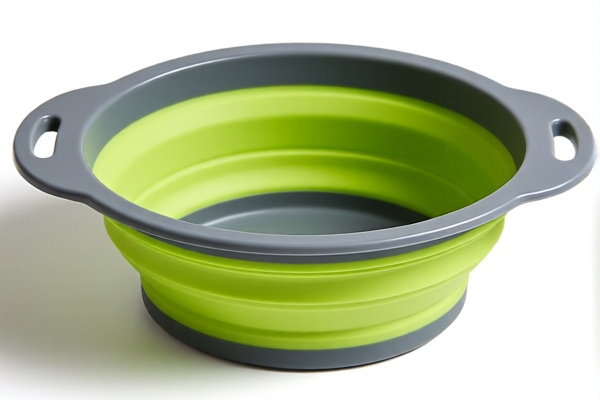
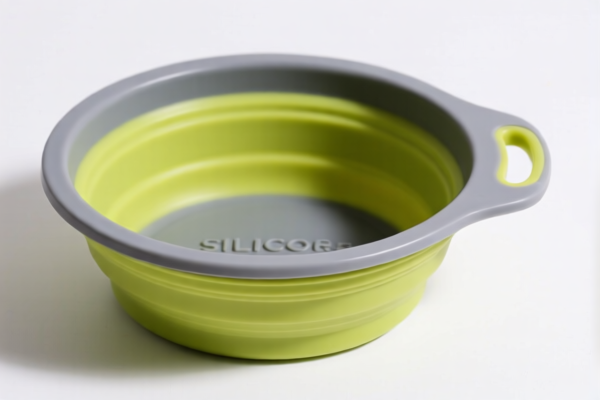
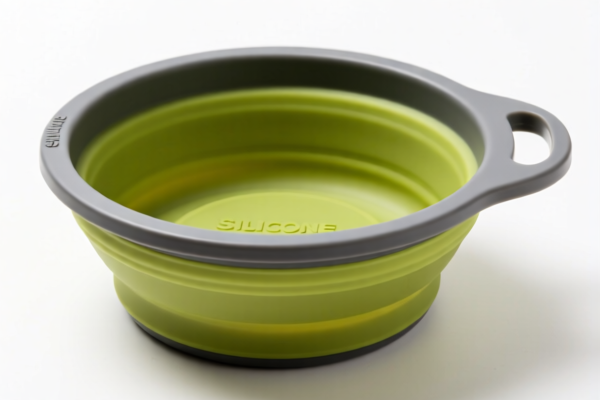
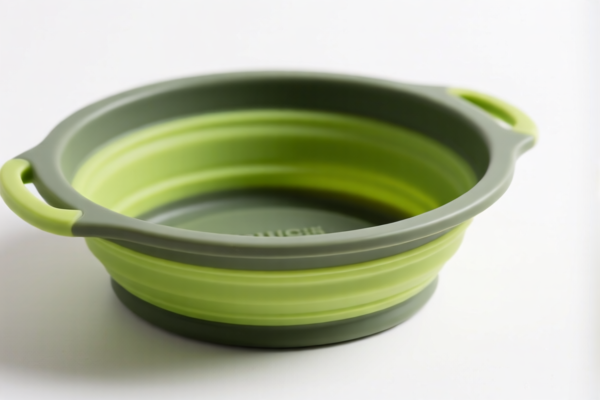
AI Analysis
🥗 Silicone Folding Bowl (Foldable Kitchenware)
🌐 HS Code Reference & Customs Clearance Guide | 2026 Latest Tariff Analysis | Professional Clearance Strategy
📌 Part I: Product Definition & Classification: Do You Really Know "Silicone Folding Bowl"?
Silicone Folding Bowls are versatile, space-saving kitchenware made from food-grade silicone. In international trade, they are often misunderstood as simple "plastic items" or generic "rubber articles." However, their primary function as utensils and intended use for food consumption are the decisive factors for HS Code classification.
⚠️ Key Distinction Points:
- If classified purely by material (Plastic/Synthetic Rubber) without considering specific use → Likely falls under Chapter 39.26 (Other articles of plastic) with higher tariffs.
- If classified by function/use (Tableware/Kitchenware) → Likely falls under Chapter 39.24 (Tableware & Kitchenware of Plastic) with potentially lower or optimized tariffs.
📦 Part II: HS Code Classification Details (Based on Provided Data)
| HS Code | Product Description | Tariff Rate | Tax Breakdown |
|---|---|---|---|
| 3926.90.75.00 | Classified as Other Plastic Articles. Material: Plastic/Synthetic Rubber. Form: Manufactured goods. | 14.2% | Base: 4.2% Section 301/Add: 0.0% Section 122: 10% |
| 3926.90.99.89 | Classified as Other Plastic Articles. Material: Plastic/Synthetic. Form: Manufactured goods. | 22.8% | Base: 5.3% Section 301/Add: 7.5% Section 122: 10% |
| 3924.10.40.00 | Classified as Tableware/Kitchenware. Material: Plastic/Synthetic. Usage: Meets definition of tableware & household items. | 13.4% | Base: 3.4% Section 301/Add: 0.0% Section 122: 10% |
| 3924.10.20.00 | Classified as Tableware (Bowls). Material: Plastic/Synthetic. Usage: Meets definition of tableware. | 24.0% | Base: 6.5% Section 301/Add: 7.5% Section 122: 10% |
🔍 Important Note:
- The classification heavily depends on whether Customs views the item as a "Plastic Article" (3926) or "Tableware" (3924). - Section 122 Tariff (10%) applies to ALL categories listed above, reflecting recent US import regulations on specific Chinese goods. - Section 301/Add (7.5%) applies only to specific sub-codes under both 3926 and 3924 chapters.
💰 Part III: 2026 Latest Tariff Rate Details (With Surcharges & Policy Additions)
✅ Applicable Country: USA (US)
✅ Origin: China (CN)
✅ Effective Time: Current (Based on provided data)
🎯 1. 3926.90.75.00 — Other Plastic Articles (Optimized Material Class)
| Item | Content |
|---|---|
| Total Rate | 14.2% |
| Base Tariff | 4.2% |
| Section 301/Add Tariff | 0.0% |
| Section 122 Tariff | 10.0% |
| Tax Calculation | CIF Value × 14.2% |
| De Minimis Eligibility | ❌ No (High tariff usually excludes de minimis benefits for direct shipments from CN) |
📌 Explanation:
- This code offers the lowest total tax (14.2%) among the "Plastic Article" classifications because it has 0% Section 301/Add tariff. - It assumes the product is treated as a general plastic article but benefits from a favorable base rate.
🎯 2. 3926.90.99.89 — Other Plastic Articles (General Plastic Class)
| Item | Content |
|---|---|
| Total Rate | 22.8% |
| Base Tariff | 5.3% |
| Section 301/Add Tariff | 7.5% |
| Section 122 Tariff | 10.0% |
| Tax Calculation | CIF Value × 22.8% |
| De Minimis Eligibility | ❌ No |
📌 Note:
- This is a higher-cost option. The 7.5% add-on tariff makes it significantly more expensive than3926.90.75.00. - Use this only if the product cannot meet the specific criteria for3926.90.75.00.
🎯 3. 3924.10.40.00 — Tableware (Optimized Use Class)
| Item | Content |
|---|---|
| Total Rate | 13.4% |
| Base Tariff | 3.4% |
| Section 301/Add Tariff | 0.0% |
| Section 122 Tariff | 10.0% |
| Tax Calculation | CIF Value × 13.4% |
| De Minimis Eligibility | ❌ No |
📌 Explanation:
- Lowest Total Rate (13.4%)!
- By classifying as Tableware (3924), you qualify for a lower base tariff (3.4%) and 0% Section 301/Add tariff. - Critical Requirement: Must prove it is used for eating/drinking (e.g., product photos showing food, marketing as "dining bowl").
🎯 4. 3924.10.20.00 — Tableware (Specific Bowl Class)
| Item | Content |
|---|---|
| Total Rate | 24.0% |
| Base Tariff | 6.5% |
| Section 301/Add Tariff | 7.5% |
| Section 122 Tariff | 10.0% |
| Tax Calculation | CIF Value × 24.0% |
| De Minimis Eligibility | ❌ No |
📌 Note:
- Despite being in the "Tableware" chapter, this specific sub-code has a high base rate (6.5%) and incurs the 7.5% add-on. - Avoid this code if3924.10.40.00is applicable, as it is the most expensive option.
🛠️ Part IV: Customs Clearance Practical Advice (Real-World Pitfall Guide)
✅ 1. Preparation Checklist (All Required)
| Document | Required | Explanation |
|---|---|---|
| ✅ Product Specifications | ✔️ | Material composition (Food-grade Silicone), dimensions, folding mechanism details. |
| ✅ Product Photos | ✔️ | Crucial: Show the bowl with food or in a dining setting to support 3924 (Tableware) classification. |
| ✅ Commercial Invoice | ✔️ | Clearly state: "Silicone Folding Bowl, for Food Service Use" (Avoid vague "Plastic Gift"). |
| ✅ Packing List | ✔️ | Detailed description matching the HS Code description. |
| ✅ Certificate of Origin | ✔️ | If applicable for non-China origins (though data implies China origin with Section 122). |
| ✅ FDA Compliance Doc | ✔️ | Proof of food-contact safety (essential for Chapter 3924). |
✅ 2. Declaration Strategy (Key Mantra)
🔥 "Classify by Use, Not Just Material! Tableware Wins Tax, Plastic Loses It!"
| Scenario | Correct Declaration | Risk of Wrong Declaration |
|---|---|---|
| Sold as Kitchen/Dining Item | 3924.10.40.00 (13.4%) |
If misclassified as 3926.90.99.89 → Cost +9.4% |
| Sold as Promotional Gift/General Use | 3926.90.75.00 (14.2%) |
If misclassified as 3926.90.99.89 → Cost +8.6% |
| Specific Bowl Shape (High Base Rate) | Avoid 3924.10.20.00 unless forced |
Using 3924.10.20.00 (24.0%) is much more expensive than 3924.10.40.00 (13.4%). |
📌 Key Insight:
-3924.10.40.00(13.4%) is the Sweet Spot: It combines the "Tableware" benefit (lower base, 0% add-on) with a favorable sub-category. -3926.90.75.00(14.2%) is the Backup: If Customs rejects the "Tableware" argument, this is the best "Plastic Article" option due to 0% add-on.
✅ 3. Special Cases Handling
| Situation | Handling Advice |
|---|---|
| OEM Custom Bowls | Provide customer design docs. Ensure marketing materials show food use to support 3924. |
| Mixed Container (Bowls + Spoons) | Declare separately if possible. Spoons may have different rates. If bundled, declare as "Tableware Set" under 3924. |
| Non-Food Use (e.g., Crafts) | Must declare under 3926 (Plastic Articles). Do not use 3924 unless for food. |
| Section 122 Applicability | All codes listed have 10% Section 122. No exemption currently visible for these HS codes. Factor this into profit margins. |
🌍 Part V: Cost Comparison Summary (2026 Latest)
| HS Code | Classification | Base | Add (301) | Sec 122 | Total Rate | Recommendation |
|---|---|---|---|---|---|---|
| 3924.10.40.00 | Tableware (Best) | 3.4% | 0.0% | 10.0% | 13.4% | 🥇 BEST OPTION |
| 3926.90.75.00 | Plastic Articles (Backup) | 4.2% | 0.0% | 10.0% | 14.2% | 🥈 GOOD BACKUP |
| 3926.90.99.89 | Plastic Articles (High) | 5.3% | 7.5% | 10.0% | 22.8% | 🥉 AVOID |
| 3924.10.20.00 | Tableware (Specific) | 6.5% | 7.5% | 10.0% | 24.0% | 🚫 WORST OPTION |
📌 Conclusion:
- Aim for3924.10.40.00. It is the most tax-efficient code. - Ensure product photos and descriptions explicitly mention "Food-Grade," "Dining," or "Tableware." - Avoid3924.10.20.00and3926.90.99.89due to the 7.5% add-on tariff, which is 10-10.6% more expensive than the best options.
📌 Part VI: Common Errors & Pitfalls (Lessons Learned)
❌ Mistake 1: Using generic terms like "Silicone Product" on the invoice.
👉 Consequence: Customs may default to the highest rate (3926.90.99.89 or 3924.10.20.00) due to lack of specific use definition.
❌ Mistake 2: Classifying as 3924.10.20.00 when 3924.10.40.00 is applicable.
👉 Consequence: Paying an extra 10.6% in taxes unnecessarily.
❌ Mistake 3: Ignoring Section 122.
👉 Consequence: Underestimating landed cost. 10% is mandatory for all these codes.
✅ Correct Practice:
"Silicone Folding Bowl, Food-Grade, 2024 Model, for Kitchen/Dining Use, BPA-Free, FDA Compliant"
🎯 Part VII: Conclusion: Smart Classification, Higher Profit!
🎯 Remember the Mantra:
🔹 "Tableware First (13.4%), Plastic Backup (14.2%), Avoid High Add-Ons (7.5%)!"
🔹 "Section 122 (10%) is Universal — Plan for It!"
🔹 "HS Code Defines Your Margin — Choose Wisely!"
📌 Pro Tip:
- If your supplier can provide an FDA Letter of Compliance and clear Food-Use Marketing, fight for 3924.10.40.00.
- If the item is a "Gift Set" or "Craft Item," be prepared for 3926 classification but try to secure 3926.90.75.00 (14.2%).
📣 Immediate Action:
📞 Consult your customs broker before shipping.
📸 Update product photos to emphasize food/dining context.
📝 Review commercial invoice descriptions against3924.10.40.00.
✨ Professional Clearance Starts with Accurate Classification!
💼 Save Up to 10.6% in Taxes by Choosing the Right HS Code!
Customer Reviews
About HS Code Classification
The Harmonized System (HS) is an internationally standardized nomenclature developed by the World Customs Organization (WCO) to classify traded products. Over 200 countries use the HS system as the basis for customs tariffs, trade statistics, and import/export regulations.
Each HS code follows a hierarchical structure:
- Chapter (2 digits) — Broad category of goods (e.g., Chapter 84: Machinery and Mechanical Appliances)
- Heading (4 digits) — More specific grouping within the chapter
- Subheading (6 digits) — Internationally standardized breakdown, used by all WCO member countries
- National subdivisions (8-10 digits) — Country-specific extensions for further classification, such as US HTSUS 10-digit codes
Correct HS code classification is essential for smooth customs clearance, accurate duty payment, and compliance with trade regulations. Misclassification can lead to customs delays, overpayment of duties, or penalties.
When importing from CN to US, the applicable tariff rates may include:
- Most-Favored-Nation (MFN) rate — The standard duty rate applied to WTO members
- General rate — Applied to countries without trade agreements
- Trade remedy duties — Additional tariffs such as Section 301 (anti-dumping), Section 232 (national security), or countervailing duties
The information provided on this page is for reference purposes only. For official classification, please consult with your local customs authority or a licensed customs broker.