Silicone Invisible Bra Pads 2 Pairs Round
CN → US| HS Code | Tariff Rate | Origin | Destination | Doc |
|---|---|---|---|---|
| 6212109040 | 34.4% | CN | US | Official Doc |
| 6212900090 | 24.1% | CN | US | Official Doc |
| 3926209050 | 15.0% | CN | US | Official Doc |
| 3926909989 | 22.8% | CN | US | Official Doc |
| 4016990500 | 20.9% | CN | US | Official Doc |
| 4016100000 | 35.0% | CN | US | Official Doc |
Product Images
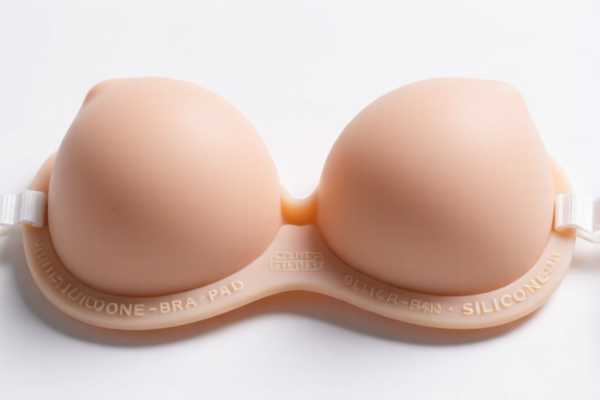
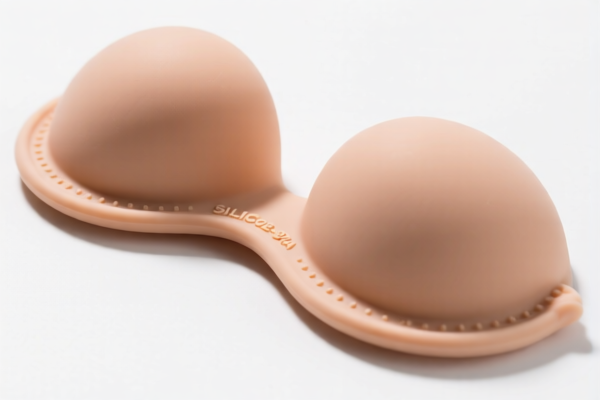
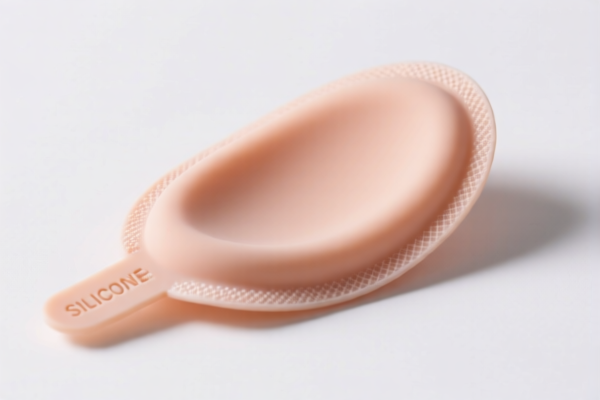
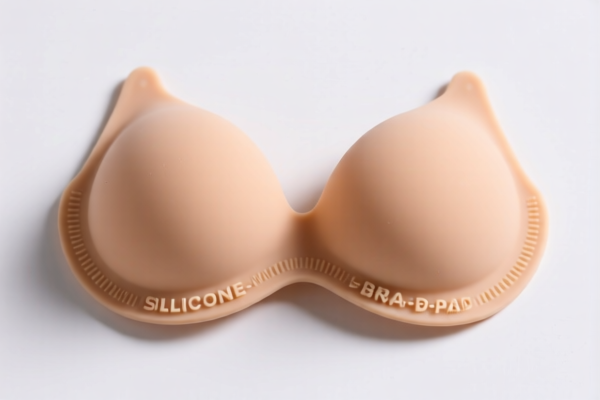
AI Analysis
👙 Silicone Invisible Bra Pads (2 Pairs, Round) – The Ultimate Wardrobe Hack
🌐 HS Code Reference & Customs Clearance Guide | 2026 Latest Tariff Analysis | Professional Clearance Strategy
📌 I. Product Definition & Classification: Do You Really Understand "Silicone Bra Pads"?
Silicone Invisible Bra Pads are essential undergarment accessories used to provide shape, coverage, and modesty for transparent, low-cut, or backless clothing. In international trade, they are classified not as "textiles" or "rubber" primarily, but as articles of apparel or articles of plastic, depending on their specific composition and construction.
Key Distinctions:
Textile-Based Pads: If the pad is primarily fabric with silicone coating only → Often classified under Heading 6212 (Brassieres, Girdles, etc.).
Pure Silicone/Plastic Pads: If the pad is molded solid silicone or plastic without a textile base → Classified under Heading 3926 (Articles of Plastics) or Heading 4016 (Rubber).
⚠️ Critical Classification Point:
- If the product is described as "Silicone Bra Pads" and is primarily molded silicone (elastic, rubber-like property), it may fall under 4016.10.00.00 (Cellular Rubber) or 4016.99.05.00 (Other Rubber Articles).
- However, if it is considered a "plastic article" (non-cellular, rigid or semi-rigid), it falls under 3926.20.90.50.
- Important Note for US Customs: Many "silicone" pads are technically classified as rubber (vulcanized) if they have elastomeric properties. However, some customs brokers argue for plastics (3926) if they are non-cellular. The data provided indicates a significant tax difference.
📦 II. HS Code Classification Details (2026 Latest Tariff Authority)
Based on the provided data, here are the potential HS Codes and their corresponding tax treatments for Silicone Invisible Bra Pads:
| HS Code | Product Description | Applicable Scenario | Tax Rate (US from CN) |
|---|---|---|---|
4016.99.05.00 |
Other articles of vulcanized rubber other than hard rubber: Household articles... | If classified as Rubber (e.g., thick, molded silicone acts as rubber) | 0.0% |
4016.10.00.00 |
Other articles of vulcanized rubber other than hard rubber: Of cellular rubber | If the silicone has a porous/cellular structure (rare for bra pads, but possible) | 25.0% |
6212.10.90.40 |
Brassieres, girdles, etc.: Brassieres: Other: Other | If considered a Textile Accessory or part of brassiere assembly | 0.0% |
6212.90.00.90 |
Brassieres, girdles, etc.: Other | If considered a Textile Accessory (e.g., fabric-backed silicone) | 0.0% |
3926.20.90.50 |
Other articles of plastics...: Articles of apparel and clothing accessories | If classified as Plastic (non-rubber, non-textile) | 0.0% |
3926.90.99.89 |
Other articles of plastics...: Other | If considered a generic plastic article, not specifically apparel | 12.8% |
🔍 Key Insight:
- The lowest tax rate is 0%, achieved through classifications 4016.99.05.00, 6212.10.90.40, 6212.90.00.90, and 3926.20.90.50.
- Risk Zone: Classification under 4016.10.00.00 (Cellular Rubber) incurs a 25% tariff.
- Avoid: Classification under 3926.90.99.89 incurs 12.8% tariff. This is often a "catch-all" category that should be avoided if a specific apparel/rubber code applies.
💰 III. 2026 Latest Tariff Rate Breakdown (Including Surcharges)
✅ Applicable Country: United States (US)
✅ Origin: China (CN)
✅ Effective Time: 2025 onwards (based on provided data)
🎯 1. 4016.99.05.00 – Rubber Articles (Non-Cellular)
| Item | Content |
|---|---|
| Base Tariff | 0.0% |
| Section 301 Surcharge | 0.0% |
| Total Tax | 0.0% |
| Legal Basis | USITC:4016.99.05.00 |
📌 Explanation:
- This code falls under "Other articles of vulcanized rubber... Household articles."
- If customs accepts that silicone pads are "rubber" and not "cellular," the tariff is 0%. This is a favorable classification for silicone products that are not foamed.
🎯 2. 4016.10.00.00 – Cellular Rubber Articles
| Item | Content |
|---|---|
| Base Tariff | 0.0% |
| Section 301 Surcharge | 25.0% |
| Total Tax | 25.0% |
| Legal Basis | USITC:4016.10.00.00 → Footnote 9903.88.01 |
📌 Warning:
- If the silicone is considered "cellular" (porous/foamed), it triggers the 25% Section 301 tariff.
- Most clear silicone bra pads are non-cellular (solid or gel-like), so this classification should be avoided unless the product is explicitly foamed.
🎯 3. 6212.10.90.40 & 6212.90.00.90 – Textile/Brassiere Articles
| Item | Content |
|---|---|
| Base Tariff | 0.0% |
| Section 301 Surcharge | 0.0% |
| Total Tax | 0.0% |
| Legal Basis | USITC:6212.10.90.40 / 6212.90.00.90 |
📌 Explanation:
- These codes are for textile-based brassieres or accessories.
- If your product has a fabric backing or is sold as part of a lingerie set, this is a strong candidate for 0% tariff.
- Pure silicone (no fabric) may not qualify, so this depends on product construction.
🎯 4. 3926.20.90.50 – Plastic Apparel Accessories
| Item | Content |
|---|---|
| Base Tariff | 0.0% |
| Section 301 Surcharge | 0.0% |
| Total Tax | 0.0% |
| Legal Basis | USITC:3926.20.90.50 |
📌 Explanation:
- This code is for plastic articles of apparel and clothing accessories.
- If customs views silicone as a plastic (non-rubber), this code is excellent because it is specifically for "apparel accessories," avoiding the higher general plastic tariff.
- Note: Some customs brokers prefer this over rubber codes for silicone to avoid "rubber" scrutiny.
🎯 5. 3926.90.99.89 – Other Plastic Articles (Avoid!)
| Item | Content |
|---|---|
| Base Tariff | 5.3% |
| Section 301 Surcharge | 7.5% |
| Total Tax | 12.8% |
| Legal Basis | USITC:3926.90.99.89 |
📌 Warning:
- This is a "catch-all" for plastic articles not specifically listed elsewhere.
- Do not use this code if your product can be classified under3926.20.90.50(Apparel Accessories).
- 12.8% is significantly higher than 0%, so precise description is key.
🛠️ IV. Customs Clearance Practical Advice (Avoid Pitfalls)
✅ 1. Preparation Checklist (All Documents Required)
| Document | Required | Notes |
|---|---|---|
| ✅ Product Photos | ✔️ | Clear images of front, back, and texture (to prove non-cellular if using 4016.99) |
| ✅ Material Composition | ✔️ | State % of Silicone, Fabric, or Plastic |
| ✅ Function Description | ✔️ | "Invisible Bra Pads for Clothing" |
| ✅ Commercial Invoice | ✔️ | Must match HS Code description exactly |
| ✅ Packing List | ✔️ | Include weight, dimensions, and pair count |
| ✅ Origin Certificate | ✔️ | If claiming preferential rates (if any) |
✅ 2. Classification Strategy (Key Takeaways)
🔥 "Silicone = Rubber OR Plastic? Fabric = Textile!"
| Scenario | Recommended HS Code | Tax | Why? |
|---|---|---|---|
| Pure Silicone, No Fabric | 4016.99.05.00 or 3926.20.90.50 |
0% | Best options. 4016 for rubber-like silicone; 3926 for plastic-like. |
| Silicone with Fabric Backing | 6212.10.90.40 or 6212.90.00.90 |
0% | Textile-based classification avoids rubber/plastic surcharges. |
| Foamed/Cellular Silicone | 4016.10.00.00 |
25% | Avoid if possible. Only use if product is explicitly foamed. |
| Generic Plastic Article | 3926.90.99.89 |
12.8% | Avoid. Use 3926.20.90.50 instead for apparel accessories. |
✅ 3. Special Cases
| Case | Handling Advice |
|---|---|
| OEM Custom Shapes | Provide design files. Still classified under same HS if material/function is same. |
| Sold in Sets (Bra + Pads) | Declare as "Bra" if pads are integral. Use 6212.10.90.40. |
| Silicone vs. Rubber Dispute | Provide Material Safety Data Sheet (MSDS) proving silicone composition. Customs may accept 3926 or 4016. |
| Cellular vs. Non-Cellular | Provide microscope images or density tests if challenged. Most bra pads are non-cellular. |
🌍 V. Global Market Comparison (2026)
| Country/Region | Recommended HS Code | Tariff | Notes |
|---|---|---|---|
| 🇺🇸 USA | 3926.20.90.50 or 4016.99.05.00 |
0% | Avoid 3926.90.99.89 (12.8%) and 4016.10.00.00 (25%) |
| 🇨🇳 China | 6212.90.00.90 |
~5% | Textile-based classification common |
| 🇪🇺 EU | 6212.90.90.00 |
0-4% | Dependent on material |
| 🇬🇧 UK | 6212.90.90.00 |
0-4% | Post-Brexit rules apply |
| 🇦🇺 Australia | 6212.90.00.90 |
5% | No major surcharges |
📌 Conclusion:
- USA is the most critical market due to Section 301 tariffs.
- Strategic Classification: Aim for 0% tariff by using3926.20.90.50(Plastic Apparel) or4016.99.05.00(Rubber Household).
- Avoid:4016.10.00.00(25%) and3926.90.99.89(12.8%).
📌 VI. Common Mistakes & Pitfalls (Lessons Learned)
❌ Mistake 1: Classifying as "Plastic Articles" under 3926.90.99.89
👉 Consequence: 12.8% tariff.
✅ Fix: Use 3926.20.90.50 (Apparel Accessories).
❌ Mistake 2: Classifying as "Cellular Rubber" 4016.10.00.00
👉 Consequence: 25% tariff.
✅ Fix: Prove non-cellular nature with product specs.
❌ Mistake 3: Ignoring Fabric Backing
👉 Consequence: Misclassification.
✅ Fix: If fabric-backed, use 6212 series (0% tariff).
✅ Correct Declaration Example:
"Silicone Invisible Bra Pads, Round Shape, 2 Pairs, Non-Cellular, For Undergarment Use, Model XYZ"
🎯 VII. Conclusion: Professional Declaration, Save Costs, Ensure Clearance!
🎯 Remember the Mantra:
🔹 "Silicone = Rubber or Plastic? Fabric = Textile."
🔹 "Use 3926.20 or 4016.99 for 0% Tariff."
🔹 "Avoid 3926.90 (12.8%) and 4016.10 (25%)."
📌 Pro Tip:
If your silicone pads are clear and non-textile, apply for an Advance Ruling from US Customs to confirm 3926.20.90.50 or 4016.99.05.00 before shipping. This ensures 0% tariff and avoids delays.
📣 Immediate Action:
📞 Contact a licensed customs broker + Provide product samples + Request HS Code Pre-Ruling
🚀 Ensure your Silicone Bra Pads clear customs smoothly, legally, and cost-effectively!
✨ Professional Customs Clearance Starts with Accurate Classification!
💼 Every cent saved in tariffs is profit earned!
Customer Reviews
About HS Code Classification
The Harmonized System (HS) is an internationally standardized nomenclature developed by the World Customs Organization (WCO) to classify traded products. Over 200 countries use the HS system as the basis for customs tariffs, trade statistics, and import/export regulations.
Each HS code follows a hierarchical structure:
- Chapter (2 digits) — Broad category of goods (e.g., Chapter 84: Machinery and Mechanical Appliances)
- Heading (4 digits) — More specific grouping within the chapter
- Subheading (6 digits) — Internationally standardized breakdown, used by all WCO member countries
- National subdivisions (8-10 digits) — Country-specific extensions for further classification, such as US HTSUS 10-digit codes
Correct HS code classification is essential for smooth customs clearance, accurate duty payment, and compliance with trade regulations. Misclassification can lead to customs delays, overpayment of duties, or penalties.
When importing from CN to US, the applicable tariff rates may include:
- Most-Favored-Nation (MFN) rate — The standard duty rate applied to WTO members
- General rate — Applied to countries without trade agreements
- Trade remedy duties — Additional tariffs such as Section 301 (anti-dumping), Section 232 (national security), or countervailing duties
The information provided on this page is for reference purposes only. For official classification, please consult with your local customs authority or a licensed customs broker.