Silicone Keychain
CN → US| HS Code | Tariff Rate | Origin | Destination | Doc |
|---|---|---|---|---|
| 7117907500 | 10.0% | CN | US | Official Doc |
| 3926909989 | 22.8% | CN | US | Official Doc |
| 3926902500 | 24.0% | CN | US | Official Doc |
| 7326908688 | 87.9% | CN | US | Official Doc |
| 7326903500 | 92.8% | CN | US | Official Doc |
Product Images
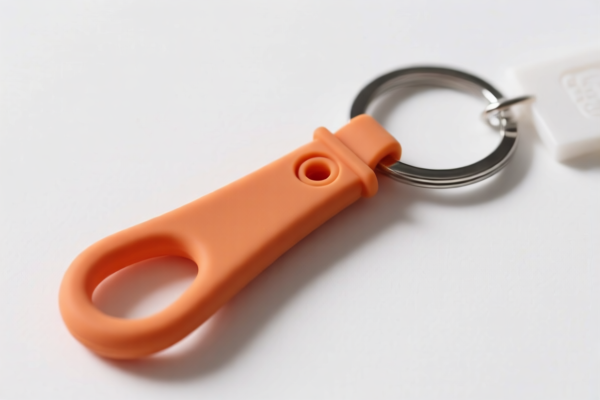
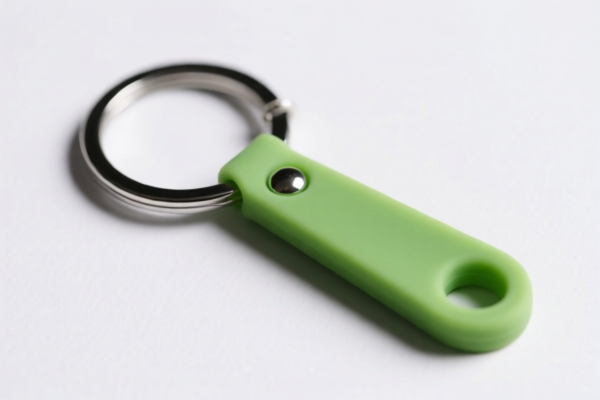
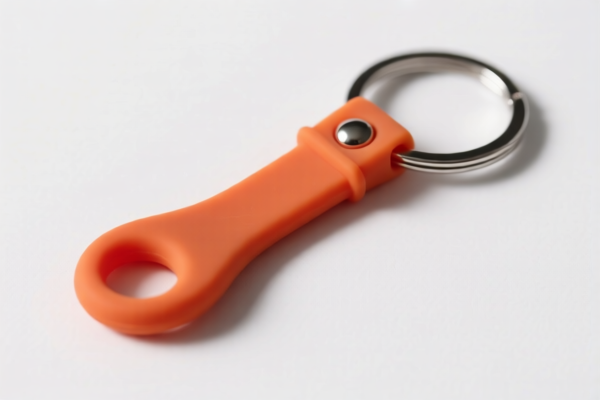
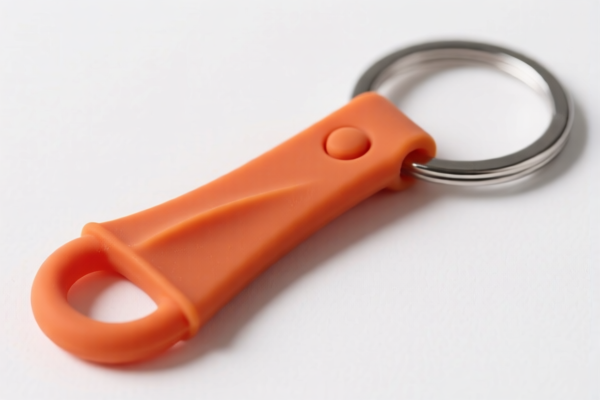
AI Analysis
🔑 Silicone Keychain (Polymer Keychains)
🌐 HS Code Reference & Customs Clearance Guide | 2026 Latest Tariff Analysis | Professional Clearance Strategy
📌 I. Product Definition & Classification: Do You Really Know "Silicone Keychain"?
Silicone keychains are flexible, durable accessories made primarily from silicone rubber (a type of polymer/plastic). In international trade, they often face complex classification debates: are they "imitation jewelry" or "plastic articles"? This distinction dramatically impacts the final duty rate, especially for imports into the United States.
Polymer-Based Keychains (Silicone/Plastic): Made entirely of silicone, plastic, or resin; no metal core. Metal-Based Keychains: Made of iron, steel, aluminum, or copper, even if they have silicone charms attached.
⚠️ Key Distinction Point:
- If the keychain is 100% silicone/plastic (including the ring itself) → Classified under Chapter 39 (Plastics) or Chapter 71 (Imitation Jewelry);
- If the keychain contains a metal component (iron/steel ring, lobster clasp, or frame) → Classified under Chapter 73 (Articles of Iron or Steel);
- Crucial Warning: For US imports, the presence of metal can trigger Section 301 tariffs up to 50%, drastically changing the total tax burden.
📦 II. HS Code Classification Details (2026 Latest Tariff Authority Comparison)
Based on the provided data, here are the five potential HS codes for silicone/keychain products, categorized by material composition:
| HS Code | Product Description | Material Composition | Key Classification Logic |
|---|---|---|---|
7117.90.75.00 |
Imitation Jewelry: Other | Silicone/Plastic | Classified as "Imitation Jewelry" (Chapter 71). This is often the lowest tax option for pure plastic/silicone keychains if deemed jewelry. |
3926.90.99.89 |
Other Plastic Articles | Silicone/Plastic | Classified as a general plastic article. Higher base tariff than imitation jewelry. |
3926.90.25.00 |
Other Plastic Articles | Silicone/Plastic | Another sub-category for plastic articles. Highest base tariff among plastic options. |
7326.90.86.88 |
Other Articles of Iron or Steel | Iron/Steel + Silicone | If the keychain has a metal ring or clasp, it falls here. High tax risk due to steel/aluminum/copper tariffs. |
7326.90.35.00 |
Other Articles of Iron or Steel | Iron/Steel | Similar to above, specific to steel articles. Highest tax risk. |
🔍 Key Insight:
- Pure Silicone keychains can sometimes qualify as Imitation Jewelry (7117.90.75.00) for lower taxes.
- Any Metal Part (even a small steel ring) pushes the item into Chapter 73, triggering massive Section 301 and Section 232 tariffs.
- Do not assume "Silicone Keychain" is always cheap to import; the metal content is the deal-breaker.
💰 III. 2026 Latest Tariff Rate Breakdown (Including Additional Taxes & Policies)
✅ Applicable Country: United States (US)
✅ Origin: China (CN)
✅ Effective Time: 2025/2026 (Current Trade War Policies)
🎯 1. 7117.90.75.00 —— Imitation Jewelry (Pure Silicone/Plastic)
Best Case Scenario for Pure Plastic Keychains
| Item | Detail |
|---|---|
| Base Duty Rate | 0.0% |
| Section 301 (Add-on) | 0.0% |
| Section 232 / 122 Clause | 10.0% |
| Total Tariff Rate | 10.0% |
| Tax Calculation | CIF Value × 10% |
| Legal Basis | Imputation under Chapter 71 (Imitation Jewelry) |
📌 Explanation:
- This is the most favorable classification for pure silicone keychains.
- The 10% rate likely refers to specific trade clause tariffs (e.g., Section 232 steel/aluminum is not applicable here since it's plastic, but some "122 clause" or specific trade measures may apply).
- No Section 301 (25%) applies because it is not classified as steel/plastic goods under the specific 301 list for this subheading.
🎯 2. 3926.90.99.89 —— Plastic Articles (General)
Standard Plastic Classification
| Item | Detail |
|---|---|
| Base Duty Rate | 5.3% |
| Section 301 (Add-on) | 7.5% |
| Section 232 / 122 Clause | 10.0% |
| Total Tariff Rate | 22.8% |
| Tax Calculation | CIF Value × 22.8% |
| Legal Basis | Chapter 39 (Plastics) + Trade Remedies |
📌 Explanation:
- Classified as a general plastic good.
- Suffers from Section 301 (7.5%) and Section 232/122 (10%).
- Total cost is more than double the "Imitation Jewelry" classification.
🎯 3. 3926.90.25.00 —— Plastic Articles (Specific Sub-category)
Highest Plastic Tax
| Item | Detail |
|---|---|
| Base Duty Rate | 6.5% |
| Section 301 (Add-on) | 7.5% |
| Section 232 / 122 Clause | 10.0% |
| Total Tariff Rate | 24.0% |
| Tax Calculation | CIF Value × 24.0% |
| Legal Basis | Chapter 39 (Plastics) + Trade Remedies |
📌 Explanation:
- Slightly higher base rate than3926.90.99.89.
- Same additional tariffs apply. Not recommended if7117.90.75.00is applicable.
🎯 4. 7326.90.86.88 —— Iron/Steel Articles (With Metal Parts)
High Risk: Steel Tariffs Apply
| Item | Detail |
|---|---|
| Base Duty Rate | 2.9% |
| Section 301 (Add-on) | 25.0% |
| Section 232 (Steel/Aluminum) | 50.0% (If deemed steel) |
| Section 122 Clause | 10.0% |
| Total Tariff Rate | 87.9% |
| Tax Calculation | CIF Value × 87.9% |
| Legal Basis | Chapter 73 (Iron/Steel) + Section 232 + Section 301 |
📌 Explanation:
- WARNING: If your "silicone keychain" has a steel ring, it falls here.
- The 50% Section 232 tariff for steel products is catastrophic.
- Even with a low base rate, the total tax is almost 90%.
🎯 5. 7326.90.35.00 —— Iron/Steel Articles (Specific)
Highest Tax Risk
| Item | Detail |
|---|---|
| Base Duty Rate | 7.8% |
| Section 301 (Add-on) | 25.0% |
| Section 232 (Steel/Aluminum) | 50.0% |
| Section 122 Clause | 10.0% |
| Total Tariff Rate | 92.8% |
| Tax Calculation | CIF Value × 92.8% |
| Legal Basis | Chapter 73 (Iron/Steel) + Section 232 + Section 301 |
📌 Explanation:
- This is the wor-case scenario.
- Do not import metal-core keychains into the US without careful planning.
🛠️ IV. Customs Clearance Practical Advice (Real-World Pitfall Guide)
✅ 1. Preparation Checklist (Non-negotiable)
| Document | Required? | Notes |
|---|---|---|
| ✅ Product Photos | ✔️ | Must clearly show if the keychain is 100% silicone or has a metal ring. |
| ✅ Material Declaration | ✔️ | Explicitly state: "100% Silicone, No Metal Parts" OR "Silicone with Steel Ring". |
| ✅ Composition Certificate | ✔️ | From lab or manufacturer confirming no iron/steel content if claiming 7117.90.75.00. |
| ✅ Commercial Invoice | ✔️ | Accurate description: "Silicone Keychain, No Metal Components". |
| ✅ Packing List | ✔️ | Weight and quantity must match invoice. |
✅ 2. Classification Strategy (Key Mantra)
🔥 "No Metal is 10%, Metal is 90%! Declare Correctly, Save Thousands!"
| Situation | Recommended HS Code | Risk Level |
|---|---|---|
| Pure Silicone Keychain (No metal ring/clasp) | 7117.90.75.00 |
🟢 Low (10%) |
| Plastic Keychain (No metal) | 3926.90.99.89 |
🟡 Medium (22.8%) |
| Silicone Keychain with Steel Ring | 7326.90.86.88 |
🔴 Critical (87.9%) |
| Silicone Keychain with Aluminum Ring | 7326.90.86.88 |
🔴 Critical (87.9%) |
📌 Critical Warning:
- Even if the keychain is 95% silicone, if it has a 1% steel ring, customs may classify it as Iron/Steel.
- Prevention: Use plastic or polymer rings instead of metal rings if you want to stay under 10% tariff.
✅ 3. Special Case Handling
| Scenario | Advice |
|---|---|
| Mixed Materials | If the keychain has both silicone and metal, consult a customs broker immediately. Do not self-classify as plastic. |
| Customs Audit | If audited, provide photos showing the ring is plastic. If it's metal, prepare for 87.9% duty. |
| De Minimis (Section 321) | Check if your shipment qualifies for de minimis (under $800). If yes, no duty applies. If over $800, duty applies. |
| Section 301 Exclusions | Check if your specific HS code has an exclusion (unlikely for steel, possible for some plastics). |
🌍 V. Global Market Comparison (2026)
| Market | Recommended HS Code | Estimated Duty (China Origin) | Notes |
|---|---|---|---|
| 🇺🇸 USA | 7117.90.75.00 |
10% | Best for pure silicone. Avoid metal. |
| 🇺🇸 USA | 7326.90.86.88 |
87.9% | Avoid if possible. |
| 🇪🇺 EU | 7117.90.00 |
~1.7% | No Section 301/232. Much easier. |
| 🇨🇳 China | 7117.90.00 |
0-10% | Import into China is cheaper. |
📌 Conclusion:
- USA is the hardest market for keychains due to Section 301 & 232 tariffs.
- Metal content is the enemy.
- Pure silicone/plastic is your friend.
📌 VI. Common Mistakes & Pitfalls (Lessons Learned)
❌ Mistake 1: Assuming "Silicone Keychain" is always cheap.
👉 Result: If it has a metal ring, you pay 87.9%.
✅ Fix: Check the ring material. Use plastic rings.
❌ Mistake 2: Declaring as "Plastic Articles" when it's "Imitation Jewelry".
👉 Result: Paying 22.8% instead of 10%.
✅ Fix: If it looks like jewelry (charm, decorative), try 7117.90.75.00.
❌ Mistake 3: Ignoring Section 232 (Steel/Aluminum).
👉 Result: Surprise 50% tariff on metal components.
✅ Fix: Exclude all metal parts if targeting US market with low duty.
🎯 VII. Conclusion: Professional Clearance, Save Money!
🎯 Remember:
🔹 "No Metal = 10%, Metal = 90%!"
🔹 "HS Code saves lives. Declare accurately!"
📌 Tips:
- If your keychains have metal rings, consider shifting production to a country not subject to Section 232 (e.g., Vietnam, Mexico) if exporting to the US.
- Or, redesign the keychain to use plastic/polymer rings.
- Always request a Pre-Decision (Advance Ruling) from US Customs (CBP) if you are unsure.
📣 Action Plan:
📞 Contact your customs broker + Provide photos of the ring + Confirm material composition.
🚀 Avoid 87.9% duty. Choose 10%.
✨ Professional clearance starts with accurate classification!
💼 Every dollar saved is pure profit!
Customer Reviews
About HS Code Classification
The Harmonized System (HS) is an internationally standardized nomenclature developed by the World Customs Organization (WCO) to classify traded products. Over 200 countries use the HS system as the basis for customs tariffs, trade statistics, and import/export regulations.
Each HS code follows a hierarchical structure:
- Chapter (2 digits) — Broad category of goods (e.g., Chapter 84: Machinery and Mechanical Appliances)
- Heading (4 digits) — More specific grouping within the chapter
- Subheading (6 digits) — Internationally standardized breakdown, used by all WCO member countries
- National subdivisions (8-10 digits) — Country-specific extensions for further classification, such as US HTSUS 10-digit codes
Correct HS code classification is essential for smooth customs clearance, accurate duty payment, and compliance with trade regulations. Misclassification can lead to customs delays, overpayment of duties, or penalties.
When importing from CN to US, the applicable tariff rates may include:
- Most-Favored-Nation (MFN) rate — The standard duty rate applied to WTO members
- General rate — Applied to countries without trade agreements
- Trade remedy duties — Additional tariffs such as Section 301 (anti-dumping), Section 232 (national security), or countervailing duties
The information provided on this page is for reference purposes only. For official classification, please consult with your local customs authority or a licensed customs broker.