Silicone Pig Beads
CN → US| HS Code | Tariff Rate | Origin | Destination | Doc |
|---|---|---|---|---|
| 3926909989 | 22.8% | CN | US | Official Doc |
| 7117907500 | 10.0% | CN | US | Official Doc |
| 7117905500 | 24.7% | CN | US | Official Doc |
| 9503000073 | 10.0% | CN | US | Official Doc |
| 9503000071 | 10.0% | CN | US | Official Doc |
Product Images
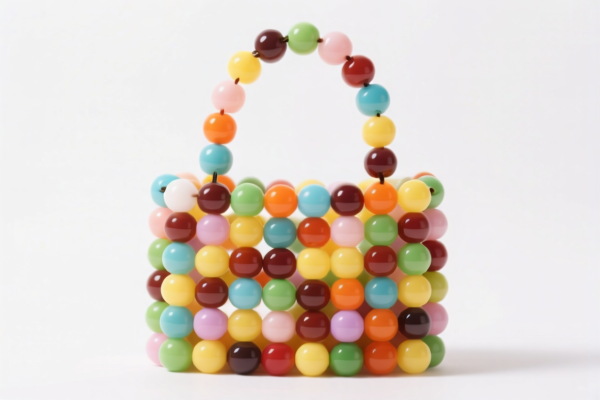
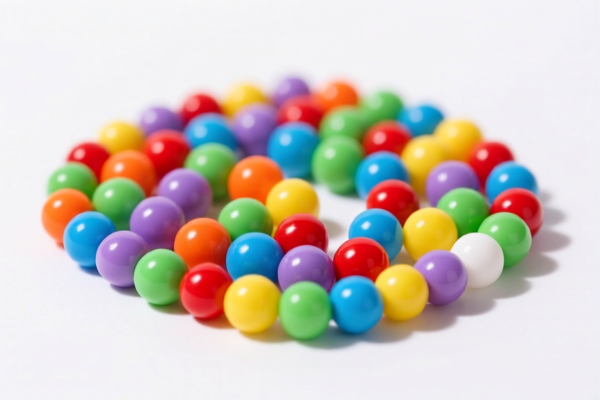
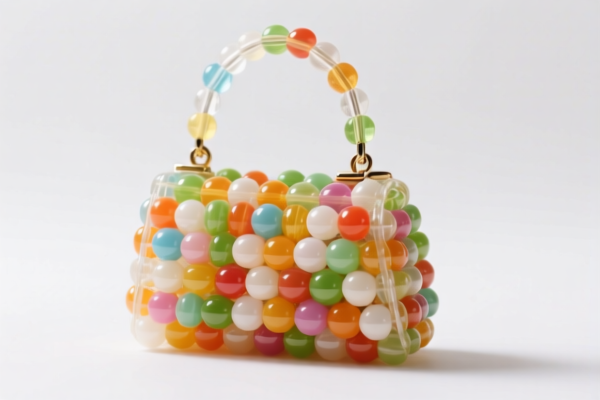
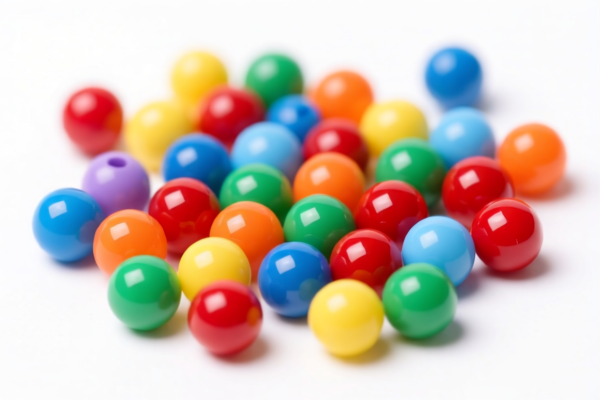
AI Analysis
🎨 Silicone Pig Beads: The Ultimate Guide to HS Code Classification & US Customs Clearance
🌐 HS Code Reference & Clearance Guide | 2026 Updated Tariff Analysis | Professional Level Compliance Strategy
📌 I. Product Definition & Classification: What Exactly Are "Silicone Pig Beads"?
Silicone Pig Beads are decorative or functional components made from silicone (a type of polymer/plastic). They are shaped like beads and often feature pig motifs (feminine/mascot designs) or are simply beads made of silicone used in jewelry/toys.
In international trade, the classification depends heavily on the primary use and material nature: * Material: Silicone is chemically classified as a plastic/polymer. * Form: Beads/Chunks. * Use Cases: Jewelry accessories, toy components, craft supplies.
⚠️ Critical Distinction:
- If used as jewelry components → Classified under Chapter 71 (Imitation Jewelry).
- If used as toy accessories → Classified under Chapter 95 (Toys).
- If used as general plastic articles → Classified under Chapter 39 (Plastics and articles thereof).
📦 II. HS Code Classification Details (2026 Latest Tariff Authority Comparison)
| HS Code | Product Description | Application Scenario | Total Tax Rate (US/China) |
|---|---|---|---|
3926.90.99.89 |
Other articles of plastic (Silicone as plastic) | General plastic beads, craft materials, non-jewelry/toy specific | 22.8% |
7117.90.75.00 |
Imitation jewelry components (Plastic/Silicone) | Beads used for making necklaces, bracelets, fashion accessories | 10.0% |
7117.90.55.00 |
Other imitation jewelry accessories | Beads categorized as decorative accessories for jewelry | 24.7% |
9503.00.00.73 |
Parts and accessories for toys | Beads used as components for children's toys, play sets | 10.0% |
9503.00.00.71 |
Toy accessories (Plastic/Silicone) | Beads classified specifically as toy辅材 (auxiliary materials) | 10.0% |
🔍 Key Reminder:
- Silicone is NOT metal or gemstone; it falls under Plastic (Ch. 39) or Imitation Jewelry (Ch. 71) or Toys (Ch. 95).
- The lowest tax rate (10.0%) is achieved when classified as Imitation Jewelry Components or Toy Accessories.
- The highest tax rate (24.7%) applies to general imitation jewelry accessories without specific component breakdown.
💰 III. 2026 Latest Tariff Rate Breakdown (Including Additional Taxes & Policy Surcharge)
✅ Applicable Country: United States (US)
✅ Origin: China (CN)
✅ Effective Time: 2025-11-10 onwards (including subsequent imports)
🎯 1. 3926.90.99.89 —— Other Plastic Articles (General Classification)
| Item | Content |
|---|---|
| Base Tariff | 5.3% (ad valorem) |
| Section 301 Surcharge | +7.5% |
| Section 122 Surcharge | +10% |
| Total Tax Rate | 22.8% |
| Tax Calculation | CIF Value × 22.8% |
| De Minimis Eligibility | ❌ No (deny_de_minimis) |
| Legal Basis Path | Section 122: 10% → Section 301: 7.5% → USITC: 5.3% |
📌 Explanation:
- This code is a "catch-all" for plastic articles not specifically categorized as jewelry or toys.
- High risk of audit: Customs may question why it’s not classified under the lower-tax jewelry or toy codes if the intent is clear.
🎯 2. 7117.90.75.00 —— Imitation Jewelry Components (Plastic/Silicone)
| Item | Content |
|---|---|
| Base Tariff | 0.0% |
| Section 301 Surcharge | 0.0% |
| Section 122 Surcharge | +10% |
| Total Tax Rate | 10.0% |
| Tax Calculation | CIF Value × 10.0% |
| De Minimis Eligibility | ❌ No (deny_de_minimis) |
| Legal Basis Path | Section 122: 10% → USITC: 0.0% |
📌 Note:
- This is the optimal classification for jewelry suppliers.
- Silicone beads used in necklaces, bracelets, or earrings fit here.
- Base tariff is 0%, only the 10% Section 122 applies.
🎯 3. 7117.90.55.00 —— Other Imitation Jewelry Accessories
| Item | Content |
|---|---|
| Base Tariff | 7.2% |
| Section 301 Surcharge | +7.5% |
| Section 122 Surcharge | +10% |
| Total Tax Rate | 24.7% |
| Tax Calculation | CIF Value × 24.7% |
| De Minimis Eligibility | ❌ No (deny_de_minimis) |
| Legal Basis Path | Section 122: 10% → Section 301: 7.5% → USITC: 7.2% |
📌 Caution:
- Avoid this code unless the beads are part of a finished accessory that cannot be clearly classified as "components."
- Highest cost option among jewelry-related codes.
🎯 4. 9503.00.00.73 & 9503.00.00.71 —— Toy Accessories
| Item | Content |
|---|---|
| Base Tariff | 0.0% |
| Section 301 Surcharge | 0.0% |
| Section 122 Surcharge | +10% |
| Total Tax Rate | 10.0% |
| Tax Calculation | CIF Value × 10.0% |
| De Minimis Eligibility | ❌ No (deny_de_minimis) |
| Legal Basis Path | Section 122: 10% → USITC: 0.0% |
📌 Note:
- Use this if beads are explicitly marketed for toys (e.g., LEGO-compatible beads, play dough accessories, children’s craft kits).
- Requires CPSC certification for US import.
- Same low tax rate as jewelry components.
🛠️ IV. Customs Clearance Practical Advice (Battle-Tested Pitfall Guide)
✅ 1. Required Documentation Checklist (Non-negotiable)
| Document | Mandatory? | Description |
|---|---|---|
| ✅ Product Specification Sheet | ✔️ | Material: Silicone (100% or blended), Color, Size, Weight |
| ✅ Product Photos | ✔️ | Clear images showing beads, packaging, and intended use (e.g., on a necklace vs. in a toy box) |
| ✅ Commercial Invoice | ✔️ | Must clearly state: "Silicone Beads for Jewelry/Toy" + HS Code |
| ✅ Packing List | ✔️ | Item weight, quantity, dimensions |
| ✅ Usage Declaration | ✔️ | Statement of intended use (Jewelry Component vs. Toy Accessory) |
| ✅ CPSC Certificate | ✔️ | Required if classified as Toy (9503.xxxx) |
| ✅ FCC/CE Certification | ✖️ | Not required for silicone beads unless electronic |
✅ 2. Declaration Strategy (Key Mnemonic)
🔥 "Use Defines Code, Jewelry & Toy Low, Plastic High, Be Clear or Pay!"
| Scenario | Correct HS Code | Incorrect Classification | Consequence |
|---|---|---|---|
| Beads for necklaces/bracelets | 7117.90.75.00 (10%) |
3926.90.99.89 (22.8%) |
Overpay 12.8% |
| Beads for children’s toys | 9503.00.00.73 (10%) |
3926.90.99.89 (22.8%) |
Overpay 12.8% |
| Beads for fashion jewelry | 7117.90.55.00 (24.7%) |
7117.90.75.00 (10%) |
Overpay 14.7% |
| Unclear/Generic | 3926.90.99.89 (22.8%) |
7117.90.75.00 (10%) |
Risk of Audit & Back Taxes |
✅ 3. Special Handling Tips
| Situation | Recommendation |
|---|---|
| Mixed Use (Jewelry & Toy) | Declare based on primary intended use. If 80% jewelry, use 7117.90.75.00. |
| OEM Custom Beads | Provide client design specs to prove "jewelry component" intent. |
| Packaging Shows Toys | If beads are packaged with toy instructions, customs will force 9503.xxxx. |
| Packaging Shows Jewelry | If beads are packaged with earrings/necklaces, use 7117.90.75.00. |
🌍 V. Global Market Clearance Comparison (2026 Latest)
| Country/Region | Recommended HS Code | Tax Rate | Certification | Remarks |
|---|---|---|---|---|
| 🇺🇸 USA | 7117.90.75.00 or 9503.00.00.73 |
10% | None (Jewelry) / CPSC (Toy) | Section 122 10% applies |
| 🇨🇳 China | 3926.90.99.90 |
~5% | None | Import duty may be lower |
| 🇪🇺 EU | 7117.19.90 |
0-4% | REACH | Low base tax, no Section 122 |
| 🇬🇧 UK | 7117.19.90 |
0-4% | UKCA | Post-Brexit rules apply |
📌 Conclusion:
- USA is the highest cost market due to Section 122 (10%) and Section 301 (7.5% for plastic).
- Optimal strategy: Classify as Jewelry Components or Toy Accessories to pay only 10% instead of 22.8%.
- China, EU, UK do not have Section 122 surcharge, making them more cost-effective for silicone goods.
📌 VI. Common Errors & Pitfall Guide (Blood & Tears Lessons)
❌ Error 1: Declaring Silicone Beads as "Plastic Parts" (3926)
👉 Result: Pay 22.8% instead of 10% → Loss of 12.8% profit margin!
❌ Error 2: Mixing Toy and Jewelry Declarations
👉 Result: Customs detention, additional duties, and storage fees.
❌ Error 3: Using Vague Descriptions like "Decorative Beads"
👉 Result: Customs may assign the highest default rate (3926.90.99.89) or demand reclassification.
❌ Error 4: Ignoring CPSC for Toy-Intended Beads
👉 Result: Shipment rejected or destroyed at US border.
✅ Correct Practice:
"Silicone Beads, 10mm, Pink, for Jewelry Making, Not for Children Under 3, Model XYZ, No Heavy Metals"
🎯 VII. Conclusion: Precision Classification Saves Money!
🎯 Remember the Mnemonic:
🔹 "Jewelry & Toy: 10%, Plastic: 22.8%!"
🔹 "Section 122 is 10%, Section 301 is 7.5%, Don't Pay Double!"
🔹 "HS Code Defines Tax, Declaration Defines Success!"
📌 Pro Tip:
If your silicone beads are primarily for jewelry, always declare under 7117.90.75.00.
If for toys, declare under 9503.00.00.73 and provide CPSC certification.
Avoid 3926 unless you are absolutely unsure, as it carries the highest tax burden.
📣 Immediate Action:
📞 Contact your customs broker with product photos and intended use statement.
🚀 Apply for Pre-Ruling (US CBP) if shipping large volumes.
💡 Save 12.8%+ on every shipment!
✨ Professional Clearance Starts with Precise Classification!
💼 Every Cent Saved is Profit Earned!
Customer Reviews
About HS Code Classification
The Harmonized System (HS) is an internationally standardized nomenclature developed by the World Customs Organization (WCO) to classify traded products. Over 200 countries use the HS system as the basis for customs tariffs, trade statistics, and import/export regulations.
Each HS code follows a hierarchical structure:
- Chapter (2 digits) — Broad category of goods (e.g., Chapter 84: Machinery and Mechanical Appliances)
- Heading (4 digits) — More specific grouping within the chapter
- Subheading (6 digits) — Internationally standardized breakdown, used by all WCO member countries
- National subdivisions (8-10 digits) — Country-specific extensions for further classification, such as US HTSUS 10-digit codes
Correct HS code classification is essential for smooth customs clearance, accurate duty payment, and compliance with trade regulations. Misclassification can lead to customs delays, overpayment of duties, or penalties.
When importing from CN to US, the applicable tariff rates may include:
- Most-Favored-Nation (MFN) rate — The standard duty rate applied to WTO members
- General rate — Applied to countries without trade agreements
- Trade remedy duties — Additional tariffs such as Section 301 (anti-dumping), Section 232 (national security), or countervailing duties
The information provided on this page is for reference purposes only. For official classification, please consult with your local customs authority or a licensed customs broker.