Silicone Pillow
CN → US| HS Code | Tariff Rate | Origin | Destination | Doc |
|---|---|---|---|---|
| 4016990500 | 20.9% | CN | US | Official Doc |
| 9404902030 | 23.5% | CN | US | Official Doc |
| 3926909989 | 22.8% | CN | US | Official Doc |
| 9404902090 | 23.5% | CN | US | Official Doc |
| 3926909989 | 22.8% | CN | US | Official Doc |
Product Images
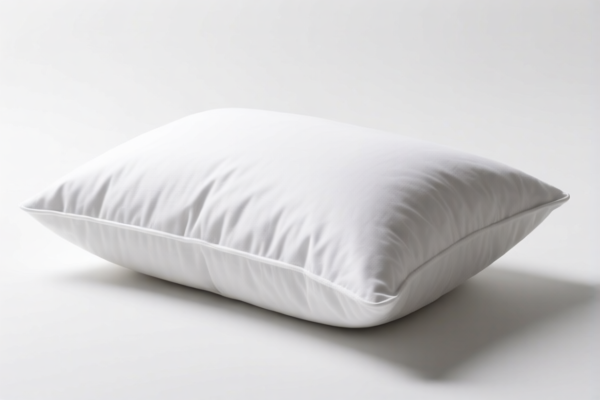
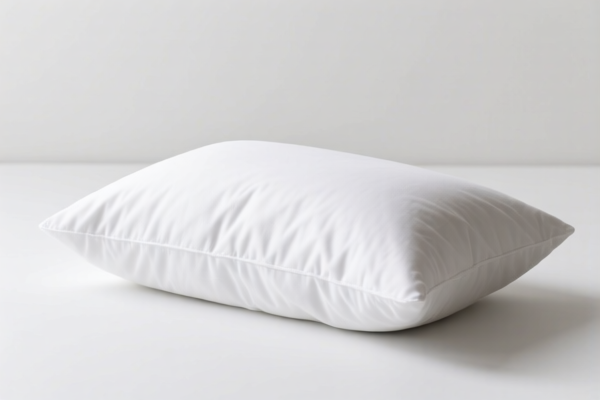
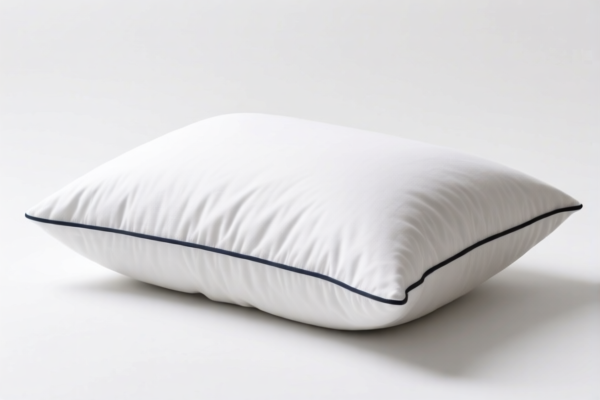
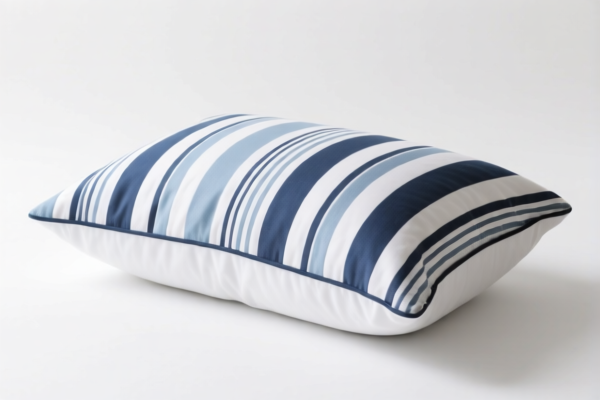
AI Analysis
🛌 Silicone Pillow (硅胶枕头)
🌐 HS Code Reference & Customs Clearance Guide | 2026 Latest Tariff Analysis | Professional Customs Strategy
📌 Part 1: Product Definition & Classification – What Exactly Is a "Silicone Pillow"?
The "Silicone Pillow" is a household item primarily used for sleeping or ergonomic support. In international trade, its classification depends heavily on the material composition (whether it is strictly treated as rubber, plastic, or a specific bedding article) and its form (pillow shape).
There are three main competitive classification paths for Silicone Pillows: 1. Rubber/Elastomer Path: If the silicone is considered a vulcanized rubber/elastomer. 2. Plastic/Synthetic Path: If the silicone is classified under plastic/synthetic materials. 3. Bedding/Article Path: If classified by its end-use as a pillow/filling article (HS Chapter 94).
⚠️ Key Distinction Point:
- If classified as Rubber: It falls under 4016.99.05.00
- If classified as Plastic: It falls under 3926.90.99.89
- If classified as Bedding/Pillow: It falls under 9404.90.20.30 or 9404.90.20.90
📦 Part 2: HS Code Classification Details (2026 Latest Tariff Authority Comparison)
| HS Code | Product Description | Application Scenario | Material Category |
|---|---|---|---|
4016.99.05.00 |
Silicone belongs to vulcanized rubber/elastomer materials; pillows as household items fit the rubber product attribute. | Household items made of silicone rubber/elastomer. | ✅ Rubber / Elastomer |
9404.90.20.30 |
Matching form is a pillow; filling is silicone/polymer; falls under "Other articles of bedding" with non-foam filling. | Pillows with silicone/polymer filling, non-foam. | 🛏️ Bedding / Filling Article |
3926.90.99.89 |
Silicone belongs to the plastic/synthetic material category; pillow is a finished product, fitting "Other plastic articles". | Finished products made of silicone (as plastic). | 🧴 Plastic / Synthetic Material |
9404.90.20.90 |
Product form is a pillow, material is silicone, meets requirements for "Articles of bedding... filled with any material or made of cellular rubber or plastic". | Pillows filled with any material or made of cellular materials. | 🛏️ Bedding / Filling Article |
3926.90.99.89 |
Silicone pillow material is silicone (plastic/synthetic), form is a product, fits the attribute of "Other plastic articles". | General plastic finished goods. | 🧴 Plastic / Synthetic Material |
🔍 Key Reminder:
- Note Duplication: HS Code3926.90.99.89appears twice with slightly different summaries but identical tax rates. Both refer to silicone as a plastic/synthetic. - Bedding vs. Material: Customs may argue whether the primary value is in the shape/function (Pillow, Ch 94) or the material (Rubber/Plastic, Ch 39/40). This is the biggest dispute point.
💰 Part 3: 2026 Latest Tariff Rate Breakdown (Including Surcharges & Policy Add-ons)
✅ Applicable Country: United States (US)
✅ Origin: China (CN)
✅ Effective Time: Including imports post-2025 (Standard Section 301 & IEEPA structure)
🎯 1. 4016.99.05.00 – Rubber/Elastomer Path (Vulcanized Silicone)
| Item | Content |
|---|---|
| Base Duty Rate | 3.4% (Ad Valorem) |
| Additional Duty (Section 301) | +7.5% (Part of 122 Clauses / Trade Action) |
| 122 Clause Duty | +10% (Specific Trade Restriction) |
| Total Duty Rate | 20.9% |
| Tax Calculation | CIF Value × 20.9% |
| De Minimis Exemption? | ❌ Not Applicable (High duty rates usually exclude small packages from de minimis benefits) |
| Legal Basis Path | Base Tariff: 3.4% → Section 301 Add-on: 7.5% → Clause 122: 10% |
📌 Explanation:
- This path treats the pillow as a rubber product. - The total 20.9% is the lowest among the options provided in the data. - Risk: Customs may reject this if they deem "Silicone" not as "Vulcanized Rubber" but as a "Plastic" or "Bedding Article".
🎯 2. 9404.90.20.30 – Bedding Path (Specific Filling Type)
| Item | Content |
|---|---|
| Base Duty Rate | 6.0% (Ad Valorem) |
| Additional Duty (Section 301) | +7.5% |
| 122 Clause Duty | +10% |
| Total Duty Rate | 23.5% |
| Tax Calculation | CIF Value × 23.5% |
| De Minimis Exemption? | ❌ Not Applicable |
| Legal Basis Path | Base Tariff: 6.0% → Section 301 Add-on: 7.5% → Clause 122: 10% |
📌 Explanation:
- This path treats the pillow as a Bedding Article with specific non-foam filling. - Higher base rate (6.0%) but potentially more accurate if the product is clearly marketed as a "Pillow". - Note:9404.90.20.90has the exact same tax rate (23.5%) and structure. The difference is only in the specific sub-category description (30 vs 90). Ensure your product spec matches the "Non-foam" description for .30.
🎯 3. 3926.90.99.89 – Plastic Path (Silicone as Plastic)
| Item | Content |
|---|---|
| Base Duty Rate | 5.3% (Ad Valorem) |
| Additional Duty (Section 301) | +7.5% |
| 122 Clause Duty | +10% |
| Total Duty Rate | 22.8% |
| Tax Calculation | CIF Value × 22.8% |
| De Minimis Exemption? | ❌ Not Applicable |
| Legal Basis Path | Base Tariff: 5.3% → Section 301 Add-on: 7.5% → Clause 122: 10% |
📌 Explanation:
- This path treats silicone as a Plastic/Synthetic Material. - The total 22.8% is in the middle. - Risk: Many customs authorities classify silicone strictly under rubber (Ch 40) or plastics (Ch 39). If classified as plastic, this rate applies.
🛠️ Part 4: Customs Clearance Practical Advice (Real-World Pitfall Guide)
✅ 1. Required Documentation Checklist (Missing Any = Delay)
| Document | Mandatory? | Description |
|---|---|---|
| ✅ Product Specification Sheet | ✔️ | Must detail: Material (100% Silicone vs. Hybrid), Fill Density, Shape, Hardness. |
| ✅ Material Composition Proof | ✔️ | Lab test report confirming if Silicone is treated as Rubber or Plastic. |
| ✅ Product Photos | ✔️ | Clear images of the pillow, tags, and packaging. Show it looks like a pillow, not raw rubber. |
| ✅ Commercial Invoice | ✔️ | Clearly state: "Silicone Pillow, Household Use, Model XYZ". Avoid vague terms like "Rubber Part". |
| ✅ Packing List | ✔️ | List net/gross weight. Ensure no loose accessories that could trigger separate classifications. |
| ✅ Certificate of Origin | ✔️ | Essential for determining origin-based tariffs (if applicable). |
✅ 2. Declaration Strategy (Key Mantra)
🔥 “Describe the Form, Specify the Material, Align the Tax!”
| Scenario | Correct Declaration | Incorrect Practice |
|---|---|---|
| Soft Silicone Pillow | Use 9404.90.20.30 or 9404.90.20.90 (Bedding) |
Declare as "Rubber Toy" or "Industrial Part" → Higher scrutiny. |
| Hard Silicone Ergonomic Pad | Use 4016.99.05.00 (Rubber) or 3926.90.99.89 (Plastic) |
Declare as "Pillow" → May be rejected if not soft/flexible. |
| Mixed Material Pillow | Breakdown if significant; otherwise, classify by essential character. | Vague "Mixed Material" → Customs will assess arbitrarily (likely higher tax). |
Critical Tip:
- If you declare9404(Bedding), ensure the product is clearly a "Pillow" for sleeping/rest.
- If you declare4016(Rubber) or3926(Plastic), ensure the material properties dominate the description.
✅ 3. Special Handling Cases
| Situation | Handling Advice |
|---|---|
| High-Value Medical Pillows | If used for medical therapy, check for exemptions, but generally still subject to duties. Provide medical device certification if claimed. |
| Samples vs. Commercial | For samples under $800 (De Minimis), verify if HS Code triggers exceptions. High-duty HS codes (20%+) may still be taxed even under de minimis depending on current CBP enforcement trends. Assume Taxable. |
| OEM/Private Label | Provide brand authorization letters to avoid IP issues at customs. |
🌍 Part 5: Global Market Comparison (2026 Latest)
| Country/Region | Recommended HS Code | Estimated Duty | Certification Requirements | Notes |
|---|---|---|---|---|
| 🇺🇸 United States | 4016.99.05.00 (Lowest: 20.9%) or 9404.90.20.30 (23.5%) |
20.9% - 23.5% | CPC (Children's Product) if for kids; General Compliance | Highest complexity due to Section 301 + Clause 122. |
| 🇨🇳 China | 4016.99.05.00 / 9404.90.20.30 |
~5-10% (Import) | CCC (if applicable) | Lower base tariffs, no US-style surcharges. |
| 🇪🇺 European Union | 9404.90 (Bedding) or 4016 (Rubber) |
~2.5-4.5% | CE Marking, REACH Compliance | No heavy political surcharges; focus on chemical safety. |
| 🇬🇧 United Kingdom | 9404.90 |
~3-4% | UKCA Marking | Post-Brexit rules apply; check specific UK HS codes. |
| 🇯🇵 Japan | 9404.90 |
~3-5% | JIS Standards | Generally low tariffs; focus on product safety. |
📌 Conclusion:
- The US market is the most expensive due to the layered tax structure (Base + 7.5% + 10%). - Cheapest US Route:4016.99.05.00(20.9%) is slightly cheaper than the Bedding path (23.5%). - EU/JP: Much more predictable and lower cost.
📌 Part 6: Common Mistakes & Pitfall Guide (Lessons from Blood & Tears)
❌ Mistake 1: Declaring as "Household Rubber Goods" (4016) when it's clearly a Pillow (9404)
👉 Consequence: Customs may reclassify to 9404 (23.5%) or audit for misdeclaration. If they accept 4016, you save 2.6%, but risk penalties if deemed incorrect.
❌ Mistake 2: Ignoring the "122 Clause" (10% surcharge)
👉 Consequence: Underestimating total landed cost. 20.9% is the real cost, not 3.4%.
❌ Mistake 3: Using "Plastic Pillow" for a Rubber-like Silicone
👉 Consequence: If material tests show vulcanized rubber properties, 3926 (22.8%) may be challenged in favor of 4016 (20.9%). Or vice versa. Consistency in testing is key.
❌ Mistake 4: Assuming De Minimis ($800) applies
👉 Consequence: With duties >20%, many high-value shipments or even bundled low-value items are NOT exempt under current CBP enforcement on Section 301 goods. Always pay duty upfront.
✅ Correct Approach:
“Silicone Pillow, Household Use, Made of 100% Silicone Elastomer, Model ABC, Certified for US Import.”
🎯 Part 7: Conclusion – Professional Declaration Saves Money!
🎯 Remember the Mantra:
🔹 “Rubber Path: 20.9%, Bedding Path: 23.5%, Plastic Path: 22.8%”
🔹 “Silicone is Ambiguous: Define it by Material OR Form, but Be Consistent!”
🔹 “20%+ Duty is Normal for US Imports: Budget Accordingly!”
📌 Pro Tip:
- If you want the lowest tax, try to classify under
4016.99.05.00(20.9%) by proving it’s a rubber/elastomer product.- If the product is distinctly a "Pillow" with specific bedding features,
9404.90.20.30(23.5%) is safer from a descriptive standpoint, despite the slightly higher tax.- Apply for an Advance Ruling with CBP if your shipment volume is large, to lock in the classification and avoid post-import audits.
📣 Immediate Action:
📞 Contact a licensed customs broker.
📸 Provide clear photos and material test reports.
📝 Choose between4016.99.05.00or9404.90.20.30based on your product’s physical properties.
🚀 Ensure smooth customs clearance, accurate tax calculation, and maximum profit margin!
✨ Professional Customs Clearance Starts with Accurate Classification!
💼 Every Dollar Saved in Duty is Pure Profit!
Customer Reviews
About HS Code Classification
The Harmonized System (HS) is an internationally standardized nomenclature developed by the World Customs Organization (WCO) to classify traded products. Over 200 countries use the HS system as the basis for customs tariffs, trade statistics, and import/export regulations.
Each HS code follows a hierarchical structure:
- Chapter (2 digits) — Broad category of goods (e.g., Chapter 84: Machinery and Mechanical Appliances)
- Heading (4 digits) — More specific grouping within the chapter
- Subheading (6 digits) — Internationally standardized breakdown, used by all WCO member countries
- National subdivisions (8-10 digits) — Country-specific extensions for further classification, such as US HTSUS 10-digit codes
Correct HS code classification is essential for smooth customs clearance, accurate duty payment, and compliance with trade regulations. Misclassification can lead to customs delays, overpayment of duties, or penalties.
When importing from CN to US, the applicable tariff rates may include:
- Most-Favored-Nation (MFN) rate — The standard duty rate applied to WTO members
- General rate — Applied to countries without trade agreements
- Trade remedy duties — Additional tariffs such as Section 301 (anti-dumping), Section 232 (national security), or countervailing duties
The information provided on this page is for reference purposes only. For official classification, please consult with your local customs authority or a licensed customs broker.