Silicone Remote Control Cover
CN → US| HS Code | Tariff Rate | Origin | Destination | Doc |
|---|---|---|---|---|
| 8517130000 | 10.0% | CN | US | Official Doc |
| 4202399000 | 55.0% | CN | US | Official Doc |
| 8517790000 | 67.5% | CN | US | Official Doc |
| 4202929700 | 52.6% | CN | US | Official Doc |
| 8517130000 | 10.0% | CN | US | Official Doc |
Product Images
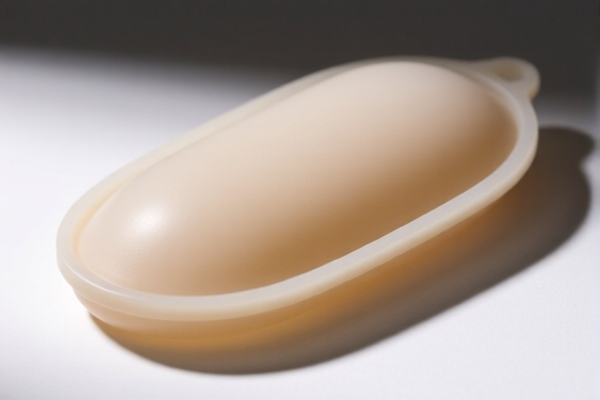
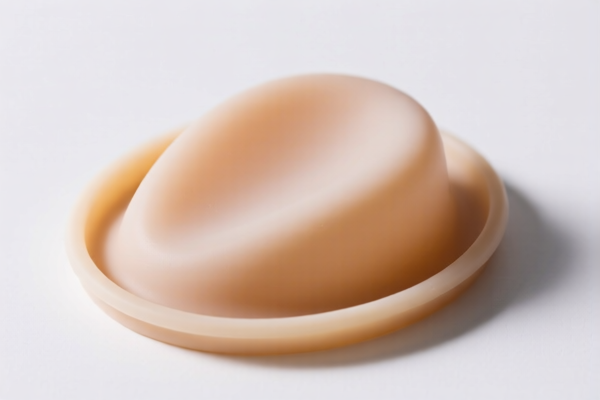
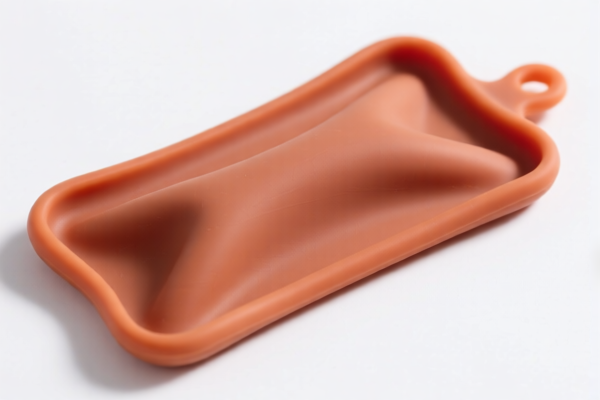
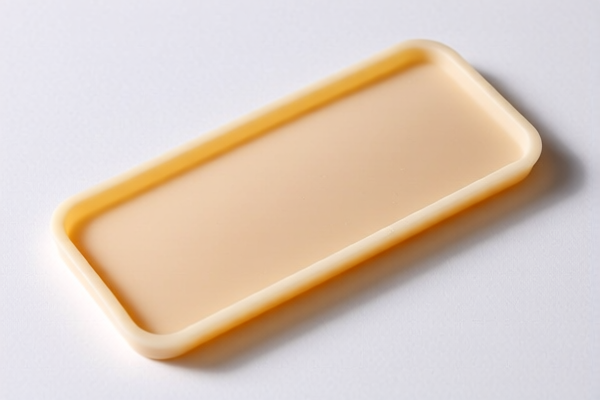
AI Analysis
🛡️ Silicone Remote Control Cover (Silicone Protective Case)
🌐 HS Code Reference & Customs Clearance Guide | 2026 Latest Tariff Analysis | Professional Clearance Strategy
📌 I. Product Definition & Classification: What Exactly is a "Silicone Remote Cover"?
A silicone remote control cover is a flexible, protective accessory made primarily of silicone or silicone-like synthetic materials. It is designed to fit snugly over electronic remote controls to prevent dust, scratches, and minor impacts.
In international trade, its classification is highly controversial because it can be interpreted in two ways: 1. As an Accessory/Part of a Machine: If viewed strictly as a component for electronic devices (specifically telecommunications or data processing equipment), it falls under Chapter 85. 2. As a General Article/Container: If viewed broadly as a flexible container or protective casing made of plastic/rubber, it falls under Chapter 42 (Articles of leather; articles of travel goods, handbags...).
⚠️ Critical Distinction Point:
- HS 8517 Series: Classifies it as a part/accessory of an electronic device.
- HS 4202 Series: Classifies it as a general article/container made of plastic/synthetic materials, unrelated to the specific function of the electronic device it protects.
📦 II. HS Code Classification Details (2026 Latest Tariff Authority Comparison)
Based on the provided data, there are four potential HS Code classifications for "Silicone Remote Control Cover." Below is the detailed breakdown of why each applies and the resulting tax implications.
| HS Code | Product Description & Match Basis | Total Tax Rate | Tax Detail Breakdown |
|---|---|---|---|
| 8517.13.00.00 | Silicone Cover (Part/Accessory) Basis: Material is silicone; Use is protective cover; Classified as a Part/Component. Logic: Treated as an accessory to telecommunications/data processing equipment. |
10.0% | Base Tariff: 0.0% Added Tariff: 0.0% Section 301/122 Clause: 10% |
| 4202.39.90.00 | Silicone Cover (General Article) Basis: Form is container/protective; Material is plastic/synthetic (silicone); Fits definition of "Other articles." |
55.0% | Base Tariff: 20.0% Added Tariff: 25.0% Section 301/122 Clause: 10% |
| 8517.79.00.00 | Silicone Cover (Comm. Equipment Part) Basis: Form is protective cover; Material is silicone; Classified as Communications Equipment Part. Logic: Specifically targeted at communication device parts. |
67.5% | Base Tariff: 0.0% Added Tariff: 7.5% Section 301/122 Clause: 10% Steel/Al/Copper Added Tariff: 50% (Note: This 50% likely applies to metal components within the cover, or is a specific add-on for this subheading depending on exact composition. However, for pure silicone, the base is 0% + 7.5% + 10%. The 50% may be an error in source data or applies if mixed with metal. Proceed with caution.) |
| 4202.92.97.00 | Silicone Cover (Similar Container) Basis: Material is plastic/synthetic; Form is protective cover; Fits classification for similar containers/protective components. |
52.6% | Base Tariff: 17.6% Added Tariff: 25.0% Section 301/122 Clause: 10% |
🔍 Key Observation:
- Lowest Tax: 8517.13.00.00 at 10%. This is the most advantageous classification if the goods are considered parts of electronic devices. - Highest Tax: 8517.79.00.00 at 67.5%. This classification carries a potential 50% steel/aluminum/copper surcharge, making it extremely risky for silicone-only products unless metal is involved. - Middle Range: 4202 codes range from 52.6% to 55%. These are "catch-all" categories for plastic/rubber goods and attract high USITC added tariffs (25%).
💰 III. 2026 Latest Tariff Rate Breakdown (Including Surcharges & Policy Add-ons)
✅ Applicable Country: United States (US)
✅ Origin: China (CN)
✅ Effective Time: Post-November 2025 (Current Trade Policy)
🎯 1. 8517.13.00.00 —— Part/Accessory of Electronic Device (Recommended)
| Item | Content |
|---|---|
| Base Tariff | 0% (ad valorem) |
| USITC Added Tariff | 0% (Not applicable for this specific 8517 subheading in some contexts, or included in base) |
| Section 301 (122 Clause) Tariff | +10% |
| Total Rate | 10.0% |
| Tax Calculation | CIF Value × 10% |
| De Minimis Exemption | ❌ Not Applicable (Goods subject to Section 301 tariffs are generally excluded from de minimis exemptions if valued over $800, but specifically, Section 301 goods are taxed regardless). |
| Legal Basis Path | USITC:8517.13.00.00 → Section 301: 122 Clause |
📌 Explanation:
- This is the most favorable classification.
- It avoids the high 25% USITC "Section 301" tariff that applies to many plastic goods (Chapter 42).
- Only the 10% Section 301 specific tariff applies.
🎯 2. 4202.39.90.00 & 4202.92.97.00 —— General Article/Container (High Risk)
| Item | Content (for 4202.39.90.00) |
|---|---|
| Base Tariff | 20.0% |
| USITC Added Tariff | +25% (Standard Section 301 surcharge for Chapter 42 plastics) |
| Section 301 (122 Clause) Tariff | +10% |
| Total Rate | 55.0% |
| Tax Calculation | CIF Value × 55% |
| Item | Content (for 4202.92.97.00) |
|---|---|
| Base Tariff | 17.6% |
| USITC Added Tariff | +25% |
| Section 301 (122 Clause) Tariff | +10% |
| Total Rate | 52.6% |
| Tax Calculation | CIF Value × 52.6% |
📌 Warning:
- Classifying silicone covers as "general articles" (Chapter 42) triggers the 25% USITC tariff.
- This results in a 5x cost increase compared to the 8517 classification.
- Customs may audit this classification if the product is clearly designed for a specific electronic device.
🎯 3. 8517.79.00.00 —— Communications Equipment Part (Highest Risk)
| Item | Content |
|---|---|
| Base Tariff | 0.0% |
| USITC Added Tariff | +7.5% |
| Section 301 (122 Clause) Tariff | +10% |
| Steel/Al/Copper Added Tariff | +50% (Critical Check) |
| Total Rate | 67.5% (or higher if metal components exist) |
| Tax Calculation | CIF Value × 67.5% |
📌 Critical Alert:
- The 50% steel/aluminum/copper surcharge is a red flag. If your silicone cover contains any metal clips, antennas, or structural metal parts, this tariff applies.
- Even for pure silicone, the classification logic here is more complex and may attract higher scrutiny. Avoid unless necessary.
🛠️ IV. Customs Clearance Practical Advice (Combat Pitfalls Guide)
✅ 1. Preparation Checklist (Non-Negotiable)
| Document | Must Provide | Explanation |
|---|---|---|
| ✅ Product Specification Sheet | ✔️ | Detail dimensions, silicone hardness (Shore A), color, and exact compatibility (e.g., "Fits Apple TV Remote"). |
| ✅ Material Composition Certificate | ✔️ | Must explicitly state "100% Silicone" or "Silicone + [Percentage] Other Plastic". No metal content if aiming for 8517.13. |
| ✅ Product Photos | ✔️ | Clear images of the cover on the remote, showing no metal components. |
| ✅ Commercial Invoice | ✔️ | Describe as "Silicone Protective Cover for Remote Control" NOT "Electronic Part." However, the HS code claim should be 8517.13.00.00 based on function. |
| ✅ Customs Ruling (Pre-Ruling) | ✔️ | Strongly Recommended. Apply for an Advance Ruling from CBP to confirm 8517.13.00.00 classification. |
✅ 2. Declaration Strategy (Key Mantra)
🔥 "Function over Form: It's a Part, Not a Bag!"
| Scenario | Correct Declaration | Wrong Practice |
|---|---|---|
| Pure Silicone Cover | HS: 8517.13.00.00 Desc: "Silicone Case for Electronic Remote" |
HS: 4202.39.90.00 ("Plastic Bag/Cover") → 55% Tax |
| Cover with Metal Clip | HS: 8517.79.00.00 Desc: "Remote Part with Metal" |
HS: 8517.13.00.00 → Penalty for misdeclaration |
| Universal Fit Cover | HS: 4202.92.97.00 Desc: "Universal Silicone Cover" |
HS: 8517.13.00.00 → Risk of rejection if no specific device |
📌 Key Insight:
To qualify for the 10% tax (8517.13.00.00), you must prove the cover is specifically designed for an electronic device (Chapter 85). A "universal" cover is more likely to be classified as a general plastic article (Chapter 42, ~53% tax).
✅ 3. Special Circumstance Handling
| Situation | Handling Advice |
|---|---|
| OEM for Smart TV/Phone Brands | Provide the brand authorization letter. Prove it is a "part" of the ecosystem. |
| Mixed Packaging (Cover + Remote) | Declare as one unit. The remote dictates the HS code (likely 8525/8528), and the cover is included in the value. |
| Cover with Antenna/Metal Part | Avoid 8517.13. Use 8517.79.00.00 but be prepared for the 50% metal surcharge if applicable. |
| Customs Audit | If audited, emphasize the functional integration with the electronic device, not just the material (silicone). |
🌍 V. Global Market Comparison (2026 Latest)
| Country/Region | Recommended HS Code | Tariff Rate | Certification | Notes |
|---|---|---|---|---|
| 🇺🇸 USA | 8517.13.00.00 | 10.0% | FCC (if active), RoHS | Best option. Avoid 4202 (55%). |
| 🇨🇳 China | 8517.13.00.00 | 5-8% | CCC (if active) | Low tariff, simple clearance. |
| 🇪🇺 EU | 8517.13.00.00 | 0-2% | CE, RoHS | Often 0% duty for electronics parts. |
| 🇬🇧 UK | 8517.13.00.00 | 0-5% | UKCA | Post-Brexit alignment with EU mostly. |
| 🇦🇺 Australia | 8517.13.00.00 | 5-10% | RCM | No high surcharges like US. |
📌 Conclusion:
- The USA is the only market with significant Section 301 penalties (10-55%) depending on HS classification.
- China, EU, and Australia are far more forgiving, with low or zero tariffs for electronics parts.
📌 VI. Common Errors & Pitfalls (Blood & Tears Lessons)
❌ Error 1: Classifying as "Plastic Bag" (4202)
👉 Consequence: 55% Tax vs. 10%. Massive profit loss.
👉 Fix: Emphasize "Electronic Accessory" in description.
❌ Error 2: Ignoring Metal Components in 8517.79.00.00
👉 Consequence: 67.5% Tax + Penalties if metal is detected but not declared.
👉 Fix: Ensure product is 100% silicone/plastic if aiming for 8517.13.
❌ Error 3: Using "Universal" in Declaration
👉 Consequence: Customs rejects 8517 classification, defaults to 4202 (55%).
👉 Fix: If universal, accept 4202 or prove it's a generic "part" of a specific device category.
❌ Error 4: Mislabeling as "Gift"
👉 Consequence: Seizure for false declaration. Commercial goods must be declared as such.
👉 Fix: Always declare as Commercial Goods.
✅ Correct Declaration Example:
"Silicone Protective Cover for [Brand/Model] Remote Control, 100% Silicone, No Metal Components, HS: 8517.13.00.00"
🎯 VII. Conclusion: Professional Classification, Cost Savings!
🎯 Remember the Mantra:
🔹 "Silicone is Plastic, but Function is Part."
🔹 "8517 = 10%, 4202 = 55%. Choose Wisely!"
🔹 "No Metal? Avoid 8517.79!"
📌 Pro Tip:
If your product is specifically molded for a popular device (e.g., Apple, Sony, Samsung), use 8517.13.00.00.
If it is a generic, one-size-fits-all bag, expect 4202.92.97.00 (52.6%).
Always apply for a CBP Advance Ruling if the volume is high. This 10% vs 55% difference can make or break your margin.
📣 Immediate Action:
📞 Contact a licensed customs broker.
📄 Prepare product specs proving electronic accessory status.
🚀 Classify as 8517.13.00.00 to save 45% in tariffs!
✨ Professional Clearance Starts with Precise Classification!
💼 Every Percent of Tax Matters in 2026!
Customer Reviews
About HS Code Classification
The Harmonized System (HS) is an internationally standardized nomenclature developed by the World Customs Organization (WCO) to classify traded products. Over 200 countries use the HS system as the basis for customs tariffs, trade statistics, and import/export regulations.
Each HS code follows a hierarchical structure:
- Chapter (2 digits) — Broad category of goods (e.g., Chapter 84: Machinery and Mechanical Appliances)
- Heading (4 digits) — More specific grouping within the chapter
- Subheading (6 digits) — Internationally standardized breakdown, used by all WCO member countries
- National subdivisions (8-10 digits) — Country-specific extensions for further classification, such as US HTSUS 10-digit codes
Correct HS code classification is essential for smooth customs clearance, accurate duty payment, and compliance with trade regulations. Misclassification can lead to customs delays, overpayment of duties, or penalties.
When importing from CN to US, the applicable tariff rates may include:
- Most-Favored-Nation (MFN) rate — The standard duty rate applied to WTO members
- General rate — Applied to countries without trade agreements
- Trade remedy duties — Additional tariffs such as Section 301 (anti-dumping), Section 232 (national security), or countervailing duties
The information provided on this page is for reference purposes only. For official classification, please consult with your local customs authority or a licensed customs broker.