Silicone Remote Control Protective Case
CN → US| HS Code | Tariff Rate | Origin | Destination | Doc |
|---|---|---|---|---|
| 8517130000 | 10.0% | CN | US | Official Doc |
| 4202399000 | 55.0% | CN | US | Official Doc |
| 8517790000 | 67.5% | CN | US | Official Doc |
| 4202929700 | 52.6% | CN | US | Official Doc |
Product Images
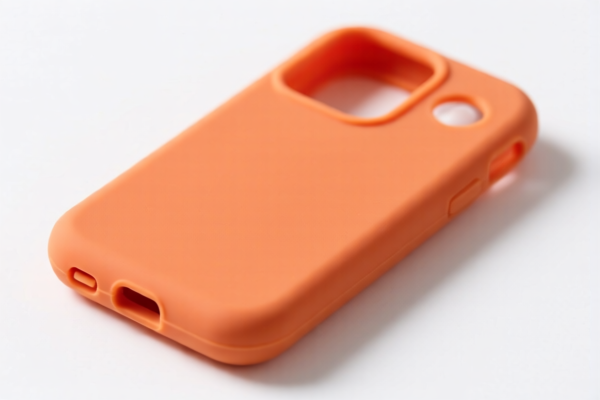
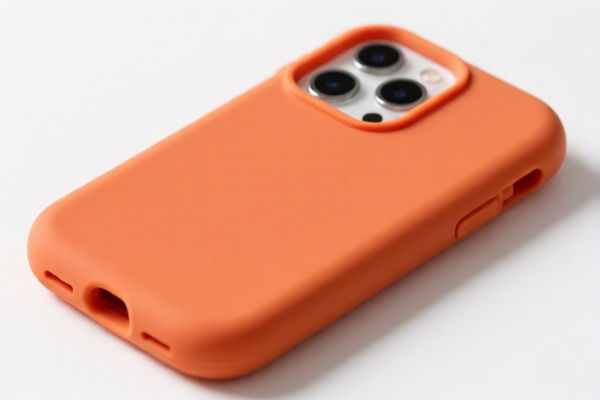
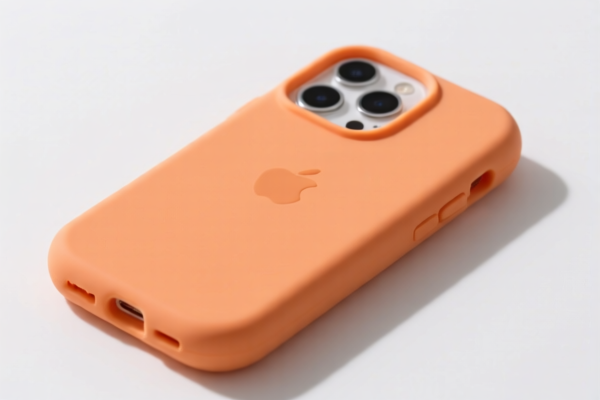
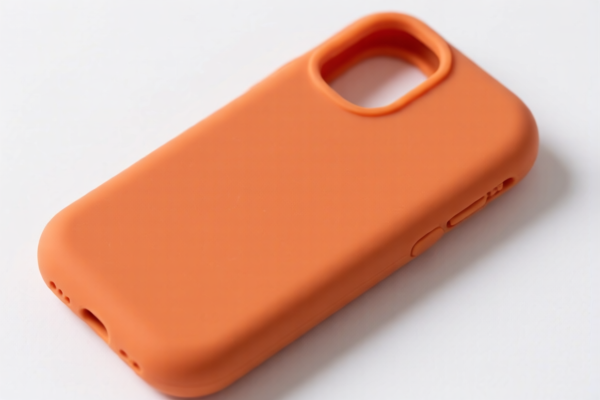
AI Analysis
📱 Silicone Remote Control Protective Case: HS Code Classification & US Customs Clearance Guide (2026)
🌐 HS Code Reference & Customs Clearance Strategy | 2026 Latest Tariff Analysis | Professional-Level Compliance Guide
📌 I. Product Definition & Classification: Do You Really Understand "Silicone Cases"?
Silicone remote control protective cases are soft, flexible covers designed to shield electronic remotes from dust, scratches, and minor impacts. In international trade, the classification is highly sensitive to the perceived function of the "silicone" material.
While logically a silicone case seems like a simple accessory, US Customs and Border Protection (CBP) often interprets "silicone" as a plastic/synthetic material for tariff purposes, placing it under broader plastic or plastic articles chapters rather than specific electronics accessories. This leads to significant tax variations depending on whether it is viewed as a generic container/accessory or a specific electronic part.
⚠️ Critical Distinction:
- If classified as a general plastic accessory/container: Likely falls under Chapter 42 (Articles of leather; traveling bags...), resulting in high duties (52%–67%) due to Section 301 tariffs.
- If classified as an electronic accessory: Might fall under Chapter 85 (Electrical machinery), potentially allowing for lower base duties (0%–20%), but still subject to heavy penalties.
- The "Silicone" Trap: CBP frequently reclassifies silicone products as "plastic sheeting or similar material" under Chapter 42, ignoring the "soft goods" nature of silicone.
📦 II. HS Code Classification Details (2026 Latest Tariff Authoritative Comparison)
| HS Code | Product Description | Matching Logic (Based on Provided Data) | Total Tax Rate |
|---|---|---|---|
8517.13.00.00 |
Part of Telephone/Communication Apparatus | "Silicone" inferred as protective part; matches logic of "parts/accessories" with no material conflict. | 10.0% |
4202.39.90.00 |
Articles of Plastics (Traveling Bags/Cases) | Formed as a "case/cover"; material inferred as plastic/synthetic (silicone). Matches definition of articles made from plastic sheeting. | 55.0% |
8517.79.00.00 |
Other Electrical Machinery Parts | Form is a "protective case" (part); material "silicone" matches common electronic part material. No conflict with "other" parts logic. | 67.5% |
4202.92.97.00 |
Articles of Leather/Plastic (Other) | Name "Silicone" implies plastic/synthetic; form "protective case" matches "similar container" logic. No obvious conflict. | 52.6% |
🔍 Key Insight:
- The lowest duty (10%) is achieved by classifying it as an electronic part (8517.13).
- The highest duty (67.5%) occurs when classified as a general electrical part with heavy penalties (8517.79).
- The Chapter 42 classifications (52.6%–55%) are common pitfalls where silicone is treated as generic plastic packaging/accessories.
💰 III. 2026 Latest Tariff Rate Breakdown (Including Add-on Taxes & Policy Surcharges)
✅ Applicable Country: United States (US)
✅ Country of Origin: China (CN)
✅ Effective Time: From November 10, 2025 (including subsequent imports)
🎯 1. 8517.13.00.00 —— Best Case Scenario: Electronic Accessory
| Item | Content |
|---|---|
| Base Duty | 0% (Ad Valorem) |
| Section 301 Duty | 0% (No additional penalty under this specific subheading in the provided data) |
| IEEPA Duty | +10% (Targeted at China/HK products, effective Nov 10, 2025) |
| Total Rate | 10.0% |
| Tax Calculation | CIF Value × 10% |
| De Minimis Exemption | ❌ Not Applicable (Due to IEEPA) |
| Legal Basis Path | IEEPA:9903.01.25 → USITC:8517.13.00.00 |
📌 Explanation:
- This is the most favorable classification if you can prove the case is a functional accessory specifically designed for telecommunications equipment (e.g., landline phones, VoIP handsets).
- The 10% IEEPA tax is the only cost; there are no 25% Section 301 penalties listed for this specific code in the data.
🎯 2. 4202.39.90.00 —— Common Pitfall: Plastic Case/Container
| Item | Content |
|---|---|
| Base Duty | 20.0% |
| Section 301 Duty | +25.0% |
| IEEPA Duty | +10.0% |
| Total Rate | 55.0% |
| Tax Calculation | CIF Value × 55% |
| De Minimis Exemption | ❌ Not Applicable |
| Legal Basis Path | USITC:4202.39.90.00 → IEEPA:9903.01.24 |
📌 Explanation:
- This classification treats the silicone case as a general plastic article (like a pouch or bag).
- The 20% base duty is high, plus the 25% Section 301 penalty and 10% IEEPA tax.
- Risk: This is the most common misclassification because "silicone" is often grouped with plastics in Chapter 42.
🎯 3. 8517.79.00.00 —— High Risk: Other Electrical Parts
| Item | Content |
|---|---|
| Base Duty | 0.0% |
| Section 301 Duty | +7.5% |
| IEEPA Duty | +10.0% |
| Steel/Aluminum/Copper Surcharge | +50.0% (If applicable, but likely not for silicone) |
| Total Rate | 67.5% |
| Tax Calculation | CIF Value × 67.5% |
| De Minimis Exemption | ❌ Not Applicable |
| Legal Basis Path | USITC:8517.79.00.00 → IEEPA:9903.01.24 |
📌 Explanation:
- This code is for "other" electrical parts. While the base duty is 0%, the Section 301 duty is listed as 7.5% (possibly a partial penalty or specific rule) plus 10% IEEPA.
- Warning: The provided data indicates a total of 67.5%, suggesting significant penalties. This is the most expensive option and should be avoided.
🎯 4. 4202.92.97.00 —— Alternative Plastic Article
| Item | Content |
|---|---|
| Base Duty | 17.6% |
| Section 301 Duty | +25.0% |
| IEEPA Duty | +10.0% |
| Total Rate | 52.6% |
| Tax Calculation | CIF Value × 52.6% |
| De Minimis Exemption | ❌ Not Applicable |
| Legal Basis Path | USITC:4202.92.97.00 → IEEPA:9903.01.24 |
📌 Explanation:
- Similar to4202.39.90.00, this falls under Chapter 42.
- Slightly lower total duty than4202.39.90.00(52.6% vs 55%) due to a lower base rate (17.6% vs 20%).
- Still a very high cost compared to the 10% option.
🛠️ IV. Customs Clearance Practical Advice (Real-World Pitfall Avoidance Guide)
✅ 1. Document Checklist (Essential)
| Document | Required | Description |
|---|---|---|
| ✅ Product Specification Sheet | ✔️ | Must specify "Silicone", "Protective Case for [Specific Device]", dimensions, weight. |
| ✅ Commercial Invoice | ✔️ | Clearly state: "Silicone Protective Case for Remote Control, Model XYZ, Material: Silicone Rubber." |
| ✅ Product Photos | ✔️ | Show the case on the remote, close-up of material, and packaging. |
| ✅ Material Certificate | ✔️ | Proof that the material is Silicone (not PVC, TPE, or other plastics), if possible. |
| ✅ Origin Certificate | ❌ Not Critical for Rate, but required for Compliance | Standard Form A or Declaration of Origin. |
✅ 2. Declaration Strategy (Key Tips)
🔥 "Be Specific, Avoid 'Plastic' Labeling, Link to Electronics!"
| Scenario | Correct Declaration | Incorrect Declaration |
|---|---|---|
| Best Case | "Silicone Protective Case for Telecom Remote Control" → 8517.13.00.00 |
"Plastic Case" or "Silicone Pouch" → 4202.xxxx |
| Safe Case | "Rubberized Protective Cover for Electronic Device" → 8517.13.00.00 |
"Electronic Accessory" (too vague) |
| Worst Case | "General Plastic Storage Case" → 4202.39.90.00 |
Misleading description hiding the remote control function |
📌 Critical Advice:
- Do NOT describe the product merely as a "silicone pouch" or "plastic case." This triggers Chapter 42.
- DO emphasize that it is a "protective part for an electronic device" to support classification under Chapter 85 (8517.13).
- If the remote is for a telephone/landline/VoIP device,8517.13is the strongest argument.
🌍 V. Global Market Comparison (2026 Latest)
| Country/Region | Recommended HS Code | Duty Rate | Certification Required | Notes |
|---|---|---|---|---|
| 🇺🇸 USA | 8517.13.00.00 |
10% | FCC (if active), but passive case only | Avoid Chapter 42 (50%+ taxes). |
| 🇨🇳 China | 8517.13.00.00 |
5% | CCC (if active) | Lower base duty, no IEEPA. |
| 🇪🇺 EU | 3926.90.97 |
0% (if under FTA) | CE, REACH | Silicone often falls under plastics in EU. |
| 🇦🇺 Australia | 3926.90.97 |
5% | RCM | No heavy Section 301 penalties. |
| 🇯🇵 Japan | 3926.90.97 |
0% | PSE | Low duty environment. |
📌 Conclusion:
- The US is the most challenging market due to IEEPA and Section 301 taxes.
- Classification is everything: A shift from4202to8517saves 42.6%–57.5% in duties.
📌 VI. Common Errors & Pitfall Guide (Lessons Learned)
❌ Mistake 1: Describing the item as a "Silicone Pouch" or "Storage Bag"
👉 Result: CBP classifies it under Chapter 42 (4202.39 or 4202.92) → 52%–55% duty.
❌ Mistake 2: Using generic terms like "Electronic Part" without specifying the device
👉 Result: CBP may assign 8517.79 → 67.5% duty (Highest risk!).
❌ Mistake 3: Ignoring the IEEPA 10% surcharge in cost calculations
👉 Result: Profit margin erosion, especially on low-value items.
✅ Correct Practice:
"Silicone Protective Case for [Specific Telecom/Remote Control Model], Designed to Fit [Device Name], Material: 100% Silicone."
🎯 VII. Conclusion: Precision Classification Saves Money!
🎯 Remember the Mantra:
🔹 "Silicone is Silicone, but Tax Code is Plastic... unless Linked to Electronics!"
🔹 "Chapter 85 (10%) vs. Chapter 42 (55%): A 45% Difference in Costs!"
🔹 "Don't let your protective case cost more than the remote itself!"
📌 Pro Tip:
If your remote controls are for landline phones, VoIP gateways, or specialized telecom equipment, strongly argue for 8517.13.00.00. Provide technical drawings showing the case's fit and function.
For TV remotes, classification is trickier; 8517.13 may still apply if considered a "telephone apparatus" part, but be prepared for CBP scrutiny. Consider Advance Rulings to secure the 10% rate.
📣 Immediate Action:
📞 Consult a US Customs Broker for a Pre-Ruling on HS Code
8517.13.00.00.
📝 Update your commercial invoices to explicitly link the case to telecom/electronic devices.
🚀 Reduce your duty burden from 55% to 10% with precise classification!
✨ Professional Customs Compliance Starts with Accurate HS Codes!
💼 Every Percentage Point Saved is Pure Profit!
Customer Reviews
About HS Code Classification
The Harmonized System (HS) is an internationally standardized nomenclature developed by the World Customs Organization (WCO) to classify traded products. Over 200 countries use the HS system as the basis for customs tariffs, trade statistics, and import/export regulations.
Each HS code follows a hierarchical structure:
- Chapter (2 digits) — Broad category of goods (e.g., Chapter 84: Machinery and Mechanical Appliances)
- Heading (4 digits) — More specific grouping within the chapter
- Subheading (6 digits) — Internationally standardized breakdown, used by all WCO member countries
- National subdivisions (8-10 digits) — Country-specific extensions for further classification, such as US HTSUS 10-digit codes
Correct HS code classification is essential for smooth customs clearance, accurate duty payment, and compliance with trade regulations. Misclassification can lead to customs delays, overpayment of duties, or penalties.
When importing from CN to US, the applicable tariff rates may include:
- Most-Favored-Nation (MFN) rate — The standard duty rate applied to WTO members
- General rate — Applied to countries without trade agreements
- Trade remedy duties — Additional tariffs such as Section 301 (anti-dumping), Section 232 (national security), or countervailing duties
The information provided on this page is for reference purposes only. For official classification, please consult with your local customs authority or a licensed customs broker.