Silicone Spatula Set
CN → US| HS Code | Tariff Rate | Origin | Destination | Doc |
|---|---|---|---|---|
| 3924104000 | 13.4% | CN | US | Official Doc |
| 8215994060 | 15.0% | CN | US | Official Doc |
| 3924905650 | 20.9% | CN | US | Official Doc |
Product Images
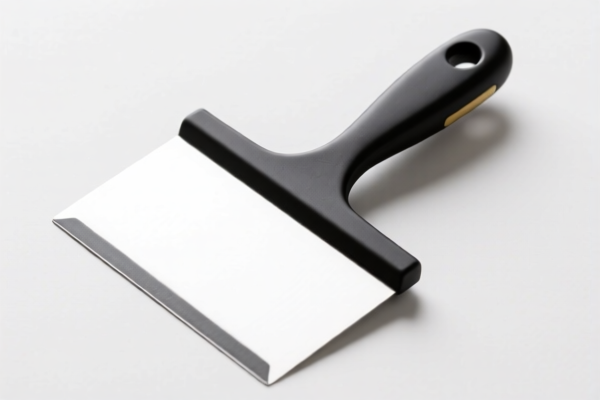
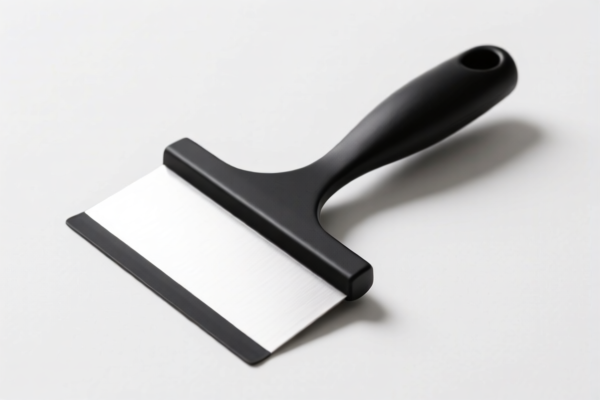
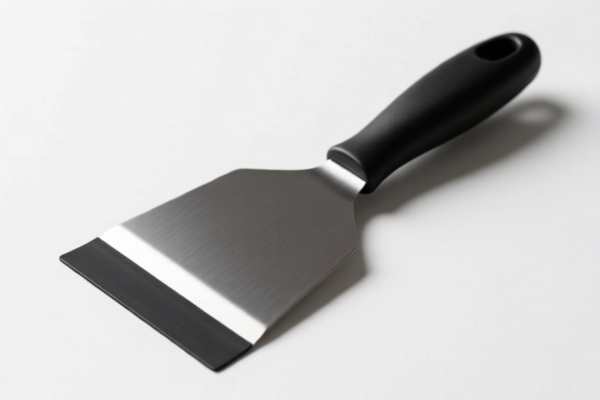
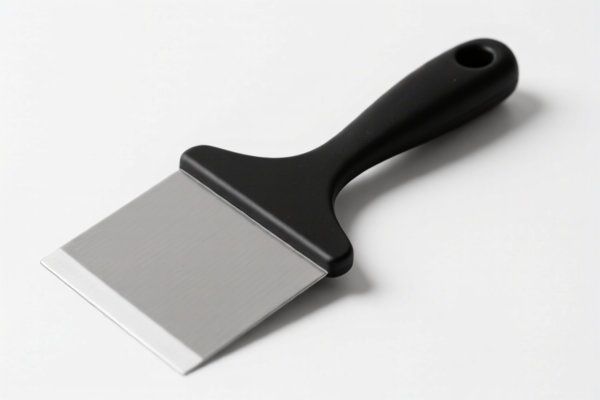
AI Analysis
🥄 Silicone Spatula Set | Kitchen Utensils & Tools
🌐 HS Code Classification & Customs Clearance Guide | 2024 Latest Tariff Analysis | Professional Compliance Strategy
📌 I. Product Definition & Categorization: What Exactly is a "Silicone Spatula"?
A Silicone Spatula Set typically refers to kitchen tools used for mixing, scraping, and spreading ingredients. In international trade, the classification depends heavily on the material composition (pure silicone vs. mixed materials), primary function, and component structure.
⚠️ Critical Distinction:
- If the spatula is predominantly silicone and used as kitchenware → Generally falls under Chapter 39 (Plastics).
- If it has a non-metallic handle (e.g., plastic/wood) and is viewed as a general utensil → May fall under 8215 (Spoons, Ladles, etc.) or remain in Chapter 39.
- Key Factor: Does the product have a rigid handle that defines its identity as a "tool" or purely as a "plastic container/utensil"?
📦 II. HS Code Classification Matrix (Based on Provided Data)
| HS Code | Product Description | Tax Rate (Total) | Tax Details Breakdown |
|---|---|---|---|
| 3924.10.40.00 | Silicone Spatula as Kitchenware Classified as plastic kitchenware due to silicone material and kitchen use. |
13.4% | Base Tariff: 3.4% Section 301 Tariff: 0.0% Section 122 Tariff: 10% |
| 8215.99.40.60 | Silicone Spatula as Non-Metallic Handle Tool Classified under "Spoons, Ladles, etc." for non-metallic handle tools. |
15.0% | Base Tariff: 5.0% Section 301 Tariff: 0.0% Section 122 Tariff: 10% |
| 3924.90.56.50 | Silicone Scraper/Spreader Classified as plastic/synthetic rubber kitchen utensil, fitting plastic product category. |
20.9% | Base Tariff: 3.4% Section 301 Tariff: 7.5% Section 122 Tariff: 10% |
| 3924.10.40.00 | Silicone Spatula as Cutlery/Cookware Classified as "Other" cutlery and cookware category. |
13.4% | Base Tariff: 3.4% Section 301 Tariff: 0.0% Section 122 Tariff: 10% |
🔍 Key Insight:
- 3924.10.40.00 appears twice in the data with identical tax rates (13.4%), suggesting strong consensus for pure silicone kitchenware.
- 3924.90.56.50 carries the highest total tax (20.9%) due to the addition of 7.5% Section 301 tariff.
- 8215.99.40.60 is a middle-ground classification for "tool-like" spatulas with non-metallic handles, taxed at 15.0%.
💰 III. Detailed Tariff Breakdown & Legal Basis
✅ Applicable Market: United States (US)
✅ Origin: China (CN)
✅ Tariff Structure Components:
🎯 1. 3924.10.40.00 – Best Rate Option (13.4%)
Applied to: Silicone Spatulas classified as Plastic Kitchenware/Cutlery
| Item | Content |
|---|---|
| Base Tariff | 3.4% (Ad Valorem) |
| Section 301 Tariff | 0.0% (Exempt or not applicable to this specific subheading in this dataset) |
| Section 122 Tariff | 10.0% (Specific regulatory surcharge) |
| Total Tax Rate | 13.4% |
| Calculation | CIF Value × 13.4% |
| Legal Path | 3924.10.40.00 → Section 122 Assessment |
📌 Explanation:
- This classification views the spatula primarily as a plastic kitchen utensil.
- Advantage: Lowest total duty rate (13.4%) among the options.
- Condition: Product must be predominantly silicone/plastic with no significant non-metallic handle component that shifts it to "tools."
🎯 2. 8215.99.40.60 – Tool Classification (15.0%)
Applied to: Spatulas with Non-Metallic Handles
| Item | Content |
|---|---|
| Base Tariff | 5.0% (Ad Valorem) |
| Section 301 Tariff | 0.0% |
| Section 122 Tariff | 10.0% |
| Total Tax Rate | 15.0% |
| Calculation | CIF Value × 15.0% |
| Legal Path | 8215.99.40.60 → Section 122 Assessment |
📌 Explanation:
- Used when the spatula is perceived as a manual tool with a handle.
- Slightly higher base tariff (5.0%) compared to 3.4%, but still avoids Section 301.
🎯 3. 3924.90.56.50 – Highest Risk (20.9%)
Applied to: Silicone Scrapers/General Plastic Kitchenware
| Item | Content |
|---|---|
| Base Tariff | 3.4% |
| Section 301 Tariff | 7.5% (Applicable to this broader "Other" plastic category) |
| Section 122 Tariff | 10.0% |
| Total Tax Rate | 20.9% |
| Calculation | CIF Value × 20.9% |
| Legal Path | 3924.90.56.50 → Section 301 + Section 122 |
📌 Explanation:
- Avoid if possible. The 7.5% Section 301 tariff significantly increases costs.
- Likely applies if the product is not clearly defined as a "spatula" or "cutlery" but falls into a generic "other plastic kitchenware" bucket.
🛠️ IV. Customs Clearance Practical Advice (Pitfall Avoidance)
✅ 1. Recommended HS Code Strategy
Priority 1: 3924.10.40.00 (13.4%)
- Why: Lowest tax rate, clearly defined as plastic kitchenware.
- How to Justify: Emphasize that the product is a silicone utensil used for kitchen tasks (mixing, scraping). Highlight flexibility, heat resistance, and food-safe silicone material.
Priority 2: 8215.99.40.60 (15.0%)
- Use Case: If the spatula has a rigid, distinct handle (e.g., plastic, wood, or composite) that makes it function more like a "spoon/ladle tool."
- Note: Ensure the handle is not metallic (which would change classification to Chapter 82 or 73).
✅ 2. Documentation & Declaration Tips
| Document | Requirement | Reason |
|---|---|---|
| Product Description | Use terms like "Silicone Kitchen Spatula," "Food-Grade Silicone Utensil" | Avoid vague terms like "Plastic Tool" which may trigger 3924.90.56.50. |
| Composition Statement | Specify "100% Silicone" or "Silicone Blade + Plastic Handle" | Helps customs determine if it fits 3924.10 (kitchenware) or 8215 (tool). |
| Product Images | Show the spatula in use (mixing, scraping) | Demonstrates kitchen utensil function. |
| Material Certificate | Food-Safe Silicone Certification (FDA/LFGB) | Reinforces classification as kitchenware, not industrial plastic. |
✅ 3. Common Errors to Avoid
❌ Error 1: Classifying as 3924.90.56.50 without justification.
👉 Consequence: 20.9% tax rate (7.5% extra Section 301 tariff).
👉 Fix: Ensure product is specifically identified as a "spatula" or "cutlery," not generic "plastic container/utensil."
❌ Error 2: Misclassifying a metallic-handled spatula as silicone kitchenware.
👉 Consequence: Incorrect HS Code, potential penalties.
👉 Fix: If handle is metal, consider Chapter 82 or 73 (not covered in this data, but important to note).
❌ Error 3: Ignoring Section 122 Tariff.
👉 Consequence: All listed HS Codes include a 10% Section 122 tariff. Ensure your CIF calculation includes this surcharge.
✅ 4. Clearance Checklist
- [ ] Confirm Material: Pure silicone vs. mixed materials.
- [ ] Select HS Code: Prefer
3924.10.40.00(13.4%) unless handle structure dictates8215.99.40.60(15.0%). - [ ] Declare Accurately: "Silicone Spatula Set, Food Grade, Kitchen Utensil."
- [ ] Calculate Duties: Include Base + Section 122 (10%). Avoid Section 301 if possible by choosing correct subheading.
- [ ] Attach Certifications: FDA/LFGB compliance for food-safe silicone.
🌍 V. Market Comparison & Risk Summary
| HS Code | Total Tax | Section 301 | Section 122 | Risk Level | Recommendation |
|---|---|---|---|---|---|
| 3924.10.40.00 | 13.4% | 0.0% | 10.0% | 🟢 Low | Best Option for pure silicone spatulas. |
| 8215.99.40.60 | 15.0% | 0.0% | 10.0% | 🟡 Medium | Use if handle is prominent/rigid. |
| 3924.90.56.50 | 20.9% | 7.5% | 10.0% | 🔴 High | Avoid unless necessary; high tax burden. |
📌 Conclusion:
For a Silicone Spatula Set, the optimal classification is3924.10.40.00with a total duty of 13.4%. This minimizes Section 301 exposure and aligns with the product's primary function as a kitchen utensil.
📌 VI. Final Clearance Advice
- Pre-Ruling: Consider applying for an Advance Ruling from US Customs to confirm
3924.10.40.00is accepted for your specific design. - Documentation: Always include material breakdown and product photos in commercial invoices.
- Labeling: Clearly mark "Silicone" and "Kitchen Utensil" on packaging and labels.
- Compliance: Ensure all silicone components meet FDA 21 CFR 177.2600 or EU 10/2011 standards for food contact.
🎯 Pro Tip:
"Silicone Spatula = Kitchenware = 3924.10.40.00 (13.4%)
Avoid "Other Plastic" = 3924.90.56.50 (20.9%)
Save 7.5% by getting the HS Code right!"
📣 Immediate Action:
📞 Consult with a licensed customs broker to verify
3924.10.40.00applicability.
📄 Prepare detailed product specifications and material certificates.
🚀 Optimize your supply chain cost by choosing the lowest duty classification!
✨ Professional Compliance, Smarter Clearance, Lower Costs!
💼 Every cent saved on duty is pure profit!
Customer Reviews
About HS Code Classification
The Harmonized System (HS) is an internationally standardized nomenclature developed by the World Customs Organization (WCO) to classify traded products. Over 200 countries use the HS system as the basis for customs tariffs, trade statistics, and import/export regulations.
Each HS code follows a hierarchical structure:
- Chapter (2 digits) — Broad category of goods (e.g., Chapter 84: Machinery and Mechanical Appliances)
- Heading (4 digits) — More specific grouping within the chapter
- Subheading (6 digits) — Internationally standardized breakdown, used by all WCO member countries
- National subdivisions (8-10 digits) — Country-specific extensions for further classification, such as US HTSUS 10-digit codes
Correct HS code classification is essential for smooth customs clearance, accurate duty payment, and compliance with trade regulations. Misclassification can lead to customs delays, overpayment of duties, or penalties.
When importing from CN to US, the applicable tariff rates may include:
- Most-Favored-Nation (MFN) rate — The standard duty rate applied to WTO members
- General rate — Applied to countries without trade agreements
- Trade remedy duties — Additional tariffs such as Section 301 (anti-dumping), Section 232 (national security), or countervailing duties
The information provided on this page is for reference purposes only. For official classification, please consult with your local customs authority or a licensed customs broker.