Silicone Tableware
CN → US| HS Code | Tariff Rate | Origin | Destination | Doc |
|---|---|---|---|---|
| 3924104000 | 13.4% | CN | US | Official Doc |
| 3924102000 | 24.0% | CN | US | Official Doc |
| 3924901050 | 13.3% | CN | US | Official Doc |
| 3924104000 | 13.4% | CN | US | Official Doc |
| 3924102000 | 24.0% | CN | US | Official Doc |
Product Images
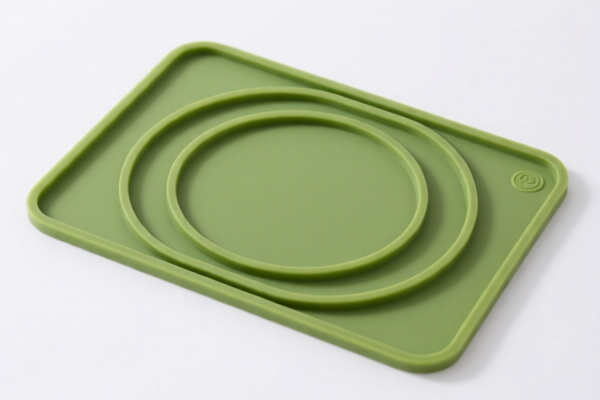
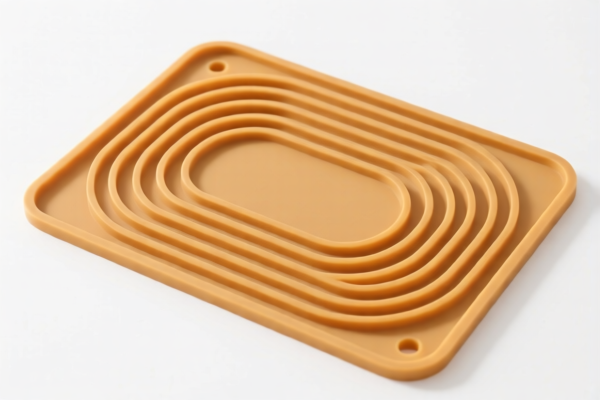
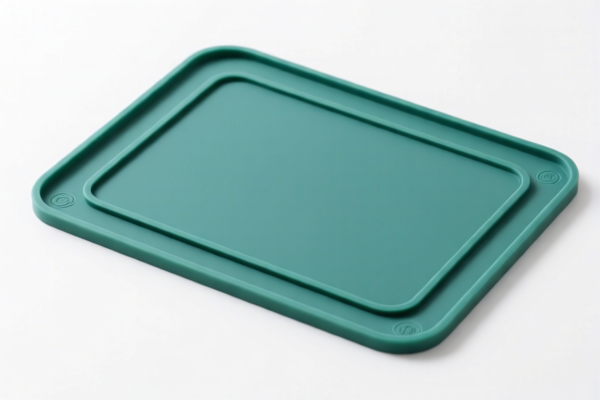
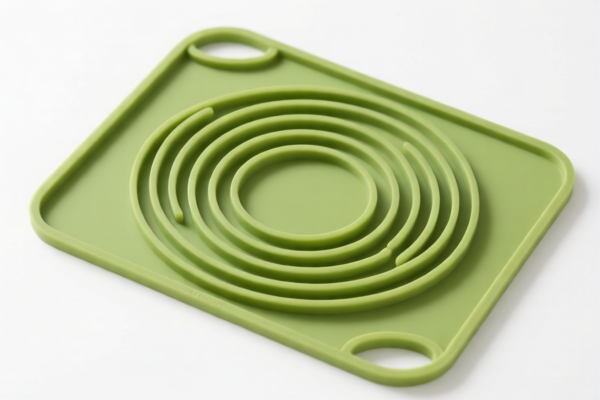
AI Analysis
🍽️ Silicone Tableware: HS Code Classification & Duty Strategy (US Market)
🌐 HS Code Reference & Customs Clearance Guide | 2026 Latest Tariff Analysis | Professional Customs Strategy
📌 I. Product Definition & Classification: Do You Really Understand "Silicone Tableware"?
Silicone tableware, made from food-grade silicone rubber, has become a staple in modern households due to its heat resistance, flexibility, and safety. In international trade, specifically for US Imports from China, the classification is not singular. It depends heavily on the specific form factor and intended use description.
The data reveals a critical dichotomy: 1. "Plastic Tableware" (Broad Category): Includes plates, bowls, cups. High Duty Risk. 2. "Other Household Articles" (Specific/Niche): Includes placemats or general items labeled as "household goods." Lower Duty Risk.
⚠️ Key Distinction Point:
- If the item is explicitly described as "Plates, Bowls, Cups" → It falls under Plastic Tableware (3924.10.20.00) → 24.0% Total Tax.
- If the item is described as "Household Articles" or "Placemats" and not explicitly as cutlery/table setting → It may fall under Other Household Articles (3924.10.40.00 / 3924.90.10.50) → 13.3% - 13.4% Total Tax.
📦 II. HS Code Classification Details (2026 Latest Tariff Authority Comparison)
| HS Code | Product Description | Scenario | Total Tax Rate | Base Tariff | Section 301/122 Surcharge |
|---|---|---|---|---|---|
3924.10.20.00 |
Plastic Tableware (Silicone Plates/Bowls/Cups) | Kitchenware: Dishes, bowls, mugs | 24.0% | 6.5% | 17.5% (7.5% + 10% Sec 122) |
3924.10.40.00 |
Other Household Articles (Silicone Ware) | General Silicone Tableware/Household Goods | 13.4% | 3.4% | 10.0% (Sec 122) |
3924.90.10.50 |
Other Plastic Articles (Silicone Placemats) | Food Service: Mats, Runners | 13.3% | 3.3% | 10.0% (Sec 122) |
🔍 Critical Note:
-3924.10.20.00is the default for most "Silicone Plates/Bowls." It attracts the highest surcharge because it is explicitly categorized as "Tableware."
-3924.10.40.00applies if you classify the item as a general "Household Article" rather than specific "Tableware." This is a strategic classification for items that blur the line (e.g., silicone bibs, general kitchen mats).
-3924.90.10.50is specific to Placemats. Do not use this for plates or cups, or face customs penalties.
💰 III. 2026 Latest Tariff Rate Details (Including Surcharges)
✅ Applicable Country: United States (US)
✅ Country of Origin: China (CN)
✅ Effective Date: Current ongoing tariffs
🎯 1. 3924.10.20.00 – Plastic Tableware (The "Standard" High-Duty Route)
This is the most common classification for silicone plates, bowls, and cups.
| Item | Details |
|---|---|
| Base Tariff | 6.5% (Ad Valorem) |
| Section 301/122 Surcharge | +17.5% (Combined) |
| - Part 1: General Surcharge | +7.5% |
| - Part 2: Section 122 Tariff | +10.0% |
| Total Tax Rate | 24.0% |
| Tax Calculation | CIF Value × 24.0% |
| De Minimis Exemption | ❌ NOT Eligible (De Minimis rules do not apply to Section 301/122 surcharges) |
| Legal Basis | HTSUS:3924.10.20.00 → 301 Tariff List → Sec 122 Authority |
📌 Explanation:
- The 6.5% is the standard MFN (Most Favored Nation) rate for plastic tableware.
- The 17.5% surcharge is the killer. It comprises a 7.5% general additional duty (under Section 301 or related trade acts) plus a specific 10% tariff under Section 122 (often associated with recent trade enforcement actions).
- Total: 24%. This is a high-cost item for US importers.
🎯 2. 3924.10.40.00 – Other Household Articles (The "Strategic" Lower-Duty Route)
Applicable if the item is classified as a general "Household Article" rather than specific "Tableware" (e.g., some silicone bibs, general kitchen tools not defined as plates/cups).
| Item | Details |
|---|---|
| Base Tariff | 3.4% (Ad Valorem) |
| Section 122 Surcharge | +10.0% |
| Total Tax Rate | 13.4% |
| Tax Calculation | CIF Value × 13.4% |
| De Minimis Exemption | ❌ NOT Eligible (Section 122 still applies) |
| Legal Basis | HTSUS:3924.10.40.00 → Sec 122 Authority |
📌 Explanation:
- The base rate is lower (3.4%) because it is not "Tableware" but "Other Household Articles."
- It only attracts the 10% Section 122 surcharge, not the additional 7.5% general surcharge.
- Total: 13.4%. This is a significant savings (10.6% less) compared to the tableware category.
🎯 3. 3924.90.10.50 – Silicone Placemats (Specific Use Case)
Only for Placemats (flat items used under dishes).
| Item | Details |
|---|---|
| Base Tariff | 3.3% (Ad Valorem) |
| Section 122 Surcharge | +10.0% |
| Total Tax Rate | 13.3% |
| Tax Calculation | CIF Value × 13.3% |
| De Minimis Exemption | ❌ NOT Eligible |
| Legal Basis | HTSUS:3924.90.10.50 → Sec 122 Authority |
🛠️ IV. Customs Clearance Practical Advice (Battle-Proven Guide)
✅ 1. Preparation Checklist (Must-Haves)
| Document | Required | Notes |
|---|---|---|
| ✅ Product Specifications | ✔️ | Clearly state material: 100% Food-Grade Silicone. |
| ✅ Product Photos | ✔️ | Show the item clearly. If it’s a plate, label it as such. If it’s a general kitchen tool, avoid "Plate/Bowl" in the title if possible. |
| ✅ Commercial Invoice | ✔️ | Crucial: Match the description to the HS Code. - For 3924.10.20.00: Use "Silicone Plates/Bowls." - For 3924.10.40.00: Use "Silicone Household Articles" or "Silicone Kitchen Utensils (Non-Tableware)." |
| ✅ Certificate of Origin | ✔️ | Required for US imports from China to confirm origin and apply correct surcharges. |
| ✅ FDA Compliance Docs | ✔️ | Since it’s food contact, provide FDA LFGB or FDA 21 CFR proof. Customs may inspect for safety. |
✅ 2. Declaration Tips (Key Mantras)
🔥 “Match the Form, Match the Form, Avoid ‘Tableware’ if You Can!”
| Situation | Correct Declaration | Incorrect Declaration |
|---|---|---|
| Silicone Plates/Bowls/Cups | 3924.10.20.00Desc: "Silicone Plate" |
Try to call it "Household Art." 👉 Risk: Customs will override to Tableware → 24%. |
| Silicone Bibs/General Kitchen Mats | 3924.10.40.00Desc: "Silicone Household Article" |
Call it "Silicone Tablecloth." 👉 Risk: If seen as table linen, might go elsewhere. But "Household Article" is safer for 13.4%. |
| Silicone Placemats | 3924.90.10.50Desc: "Silicone Placemat" |
Call it "Silicone Plate." 👉 Risk: Misdeclaration → Penalty + Back Taxes. |
✅ 3. Special Cases Handling
| Situation | Recommendation |
|---|---|
| Mixed Shipments | If you ship Plates (24%) and Placemats (13.3%) together, split the lines on the commercial invoice. Do not lump them as "Tableware" at 24%. Declare placemats separately at 3924.90.10.50. |
| Silicone + Other Materials | If the handle is wood or the plate has a non-silicone base, the product may no longer be "of plastic/silicone" entirely. Check HTSUS Chapter 39 Note 1. If >50% by weight is silicone, it likely stays in Chapter 39. |
| FDA Inspection | Silicones are high-risk for chemical migration. Ensure you have Third-Party Lab Reports (SGS, Intertek) proving LFGB/FDA compliance. Without this, customs may hold the shipment for lab testing, causing delays. |
🌍 V. Global Market Comparison (2026 Latest)
| Country/Region | Recommended HS Code | Tariff Rate | Certification | Notes |
|---|---|---|---|---|
| 🇺🇸 USA | 3924.10.20.00 |
24.0% | FDA | High surcharges (Sec 122 + 301). Avoid if possible by restructuring description. |
| 🇺🇸 USA | 3924.10.40.00 |
13.4% | FDA | Lower duty if classified as "Household Article" (not specific tableware). |
| 🇪🇺 EU | 3924.10.00 |
0% - 6.5% | LFGB + REACH | No Section 301/122 surcharges. Lower base duty. |
| 🇨🇳 China | 3924.10.00 |
0% | LFGB | Export duty is 0%. |
| 🇬🇧 UK | 3924.10.00 |
0% - 6.5% | UKCA + REACH | Post-Brexit alignment with EU mostly. |
📌 Conclusion:
- The US is the most expensive market due to the 12.5% - 17.5% surcharges.
- Strategy: If you can legally justify classifying your item as a "Household Article" (3924.10.40.00) rather than "Tableware" (3924.10.20.00), you save 10.6% in tariffs.
- Warning: Customs is strict on "Tableware." If it’s clearly a plate, don’t try to trick the system. Misdeclaration leads to seizures.
📌 VI. Common Mistakes & Pitfalls (Lessons Learned)
❌ Mistake 1: Declaring all silicone kitchen goods as 3924.10.20.00 (24%)
👉 Result: Overpayment. If you have placemats or bibs, they might qualify for the 13.3-13.4% rate.
👉 Fix: Segment your product lines. Declare placemats as 3924.90.10.50.
❌ Mistake 2: Ignoring Section 122 Tariffs
👉 Result: Surprise bills. Many importers calculate only the base duty (6.5%).
👉 Fix: Always add the 10% Sec 122 surcharge for China-origin silicone goods.
❌ Mistake 3: Vague Product Descriptions
👉 Result: Customs holds shipment. "Silicone Item" is too vague.
👉 Fix: Use precise terms: "Silicone Placemat," "Silicone Bowl," "Silicone Kitchen Utensil."
✅ Correct Approach:
"Silicone Dinner Plate, Food Grade, 100% Silicone, Model XYZ, FDA Compliant" →
3924.10.20.00(24%)
"Silicone Kitchen Placemat, Heat Resistant, Model ABC, FDA Compliant" →3924.90.10.50(13.3%)
🎯 VII. Conclusion: Professional Declaration Saves Money!
🎯 Remember the Mantra:
🔹 "Plates are 24%, Mats are 13%, Household Articles are 13.4%!"
🔹 "Split your invoice, separate your forms, and save over 10% in tariffs!"
🔹 "Section 122 is always on. Don’t forget the 10%!"
📌 Pro Tip:
If you are shipping under $800 per person per day (De Minimis), note that Section 122 and Section 301 surcharges typically DO NOT apply to De Minimis shipments in some interpretations, but recent regulatory changes have increased scrutiny on Chinese e-commerce packages. Assume no De Minimis exemption for high-risk HS codes until confirmed by your broker. For formal entries, the 24% rate is absolute.
📣 Immediate Action:
📞 Contact your Customs Broker to review your product descriptions.
📄 Request a Binding Ruling from CBP if your items are borderline (e.g., silicone mats vs. tableware).
🚀 Optimize your supply chain to classify items accurately and avoid the 24% trap!
✨ Precision in Classification, Precision in Profit!
💼 Every percentage point saved is pure margin!
Customer Reviews
About HS Code Classification
The Harmonized System (HS) is an internationally standardized nomenclature developed by the World Customs Organization (WCO) to classify traded products. Over 200 countries use the HS system as the basis for customs tariffs, trade statistics, and import/export regulations.
Each HS code follows a hierarchical structure:
- Chapter (2 digits) — Broad category of goods (e.g., Chapter 84: Machinery and Mechanical Appliances)
- Heading (4 digits) — More specific grouping within the chapter
- Subheading (6 digits) — Internationally standardized breakdown, used by all WCO member countries
- National subdivisions (8-10 digits) — Country-specific extensions for further classification, such as US HTSUS 10-digit codes
Correct HS code classification is essential for smooth customs clearance, accurate duty payment, and compliance with trade regulations. Misclassification can lead to customs delays, overpayment of duties, or penalties.
When importing from CN to US, the applicable tariff rates may include:
- Most-Favored-Nation (MFN) rate — The standard duty rate applied to WTO members
- General rate — Applied to countries without trade agreements
- Trade remedy duties — Additional tariffs such as Section 301 (anti-dumping), Section 232 (national security), or countervailing duties
The information provided on this page is for reference purposes only. For official classification, please consult with your local customs authority or a licensed customs broker.