Silicone Toast Mold
CN → US| HS Code | Tariff Rate | Origin | Destination | Doc |
|---|---|---|---|---|
| 3926909905 | 22.8% | CN | US | Official Doc |
| 3924102000 | 24.0% | CN | US | Official Doc |
| 8438100010 | 17.5% | CN | US | Official Doc |
| 7323930035 | 62.0% | CN | US | Official Doc |
| 3924104000 | 13.4% | CN | US | Official Doc |
| 8438909015 | 37.8% | CN | US | Official Doc |
Product Images
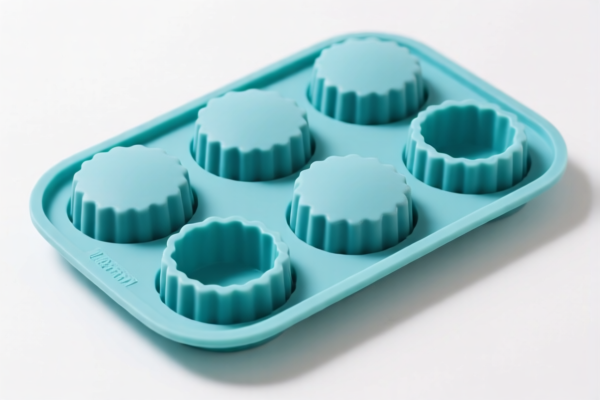
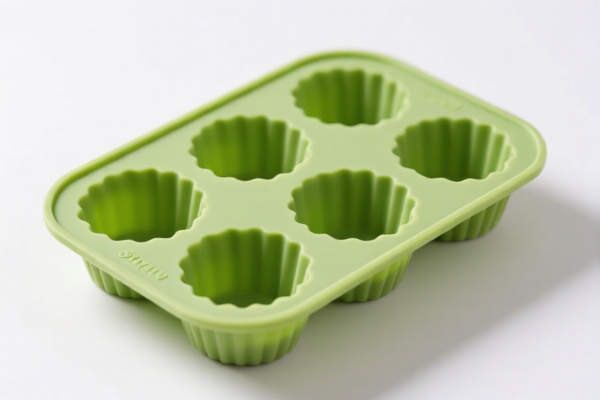
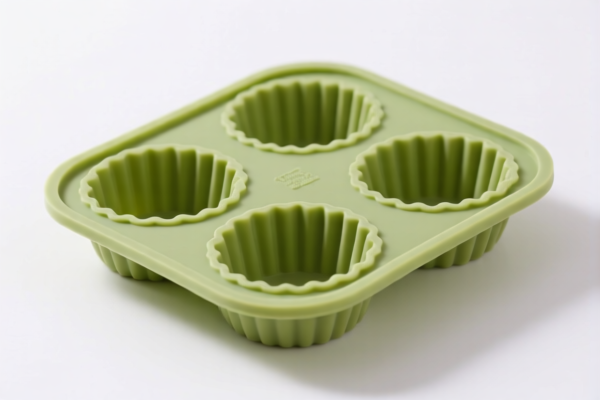

AI Analysis
🍞 Silicone Toast Mold: HS Code Classification & Customs Clearance Guide (2026)
🌐 HS Code Reference & Customs Clearance Guide | 2026 Latest Tariff Analysis | Professional Customs Strategy
📌 I. Product Definition & Classification: What Exactly Is a "Silicone Toast Mold"?
A Silicone Toast Mold is a kitchen utensil used for shaping bread or toast. In international trade, its classification depends heavily on material and intended use:
- Silicone/Plastic Molds: If made of silicone (classified as synthetic rubber/plastic in HS codes), it falls under Chapter 39 (Plastics and Articles Thereof) or Chapter 40 (Rubber and Articles Thereof).
- Metal Baking Pans: If made of metal (e.g., stainless steel), it falls under Chapter 73 (Articles of Iron or Steel) or Chapter 84 (Machinery) if considered an accessory to bread-making machinery.
⚠️ Key Distinction:
- If it is a silicone/plastic mold → Likely 3926.90.99.05 or 3924.10.20.00.
- If it is a metal mold → Likely 7323.93.00.35 or 8438.10.00.10.
- Misclassification can lead to massive tariff differences (from 13.4% to 62%+).
📦 II. HS Code Classification Details (2026 Latest Tariff Authority Comparison)
Based on the provided data, here are the possible HS Codes for "Silicone Toast Mold" with their tax implications:
| HS Code | Product Description | Material Assumption | Key Attribute | Total Tax Rate |
|---|---|---|---|---|
3926.90.99.05 |
Silicone molds classified as plastic products | Plastic / Synthetic Rubber | General plastic articles | 22.8% |
3924.10.20.00 |
Plastic kitchen utensils (molds) | Plastic | Kitchen utensils | 24.0% |
8438.10.00.10 |
Accessory to bread-making machinery | Metal (inferred) | Machinery part | 17.5% |
7323.93.00.35 |
Baking utensils, metal | Stainless Steel / Iron | Metal kitchenware | 62.0% |
3924.10.40.00 |
Cookware/plastic kitchenware | Plastic or Metal (inferred) | Cookware | 13.4% |
8438.90.90.15 |
Component of bread-making machinery | Metal (inferred) | Machinery part | 37.8% |
🔍 Key Insight:
- Lowest Tax:3924.10.40.00(13.4%) – if classified as cookware.
- Highest Tax:7323.93.00.35(62.0%) – if classified as metal baking utensils with steel/aluminum surcharge.
- Most Common for Silicone:3926.90.99.05(22.8%) or3924.10.20.00(24.0%).
💰 III. 2026 Latest Tariff Rate Breakdown (Including Additional Taxes & Policy Surcharges)
✅ Applicable Country: United States (US)
✅ Origin: China (CN)
✅ Effective Date: 2025+ (Current Trade Environment)
🎯 1. 3926.90.99.05 – Plastic Articles (Silicone Molds)
| Item | Detail |
|---|---|
| Base Tariff | 5.3% |
| Section 301 Surcharge | 7.5% |
| Section 122 Tariff | 10% |
| Total Rate | 22.8% |
| Calculation | CIF Value × 22.8% |
| De Minimis Exemption | ❌ Not Applicable |
| Legal Basis | Standard USITC Tariff + Section 301 + Section 122 |
📌 Explanation:
- Silicone is often classified under "Plastics and Articles Thereof" (Chapter 39) in US HS codes.
- The 10% Section 122 tariff applies to certain imports, adding significant cost.
- 7.5% Section 301 is the standard US-China trade war surcharge.
🎯 2. 3924.10.20.00 – Plastic Kitchen Utensils
| Item | Detail |
|---|---|
| Base Tariff | 6.5% |
| Section 301 Surcharge | 7.5% |
| Section 122 Tariff | 10% |
| Total Rate | 24.0% |
| Calculation | CIF Value × 24.0% |
| De Minimis Exemption | ❌ Not Applicable |
| Legal Basis | Standard USITC Tariff + Section 301 + Section 122 |
📌 Note:
- Slightly higher than3926.90.99.05due to higher base rate.
- "Kitchen utensils" category may attract stricter scrutiny on material claims.
🎯 3. 8438.10.00.10 – Bread-Making Machinery Accessory
| Item | Detail |
|---|---|
| Base Tariff | 0.0% |
| Section 301 Surcharge | 7.5% |
| Section 122 Tariff | 10% |
| Total Rate | 17.5% |
| Calculation | CIF Value × 17.5% |
| De Minimis Exemption | ❌ Not Applicable |
| Legal Basis | Chapter 84 (Machinery) + Section 301 + Section 122 |
📌 Caution:
- Requires proof that the mold is an accessory to machinery (e.g., industrial bread makers).
- Not suitable for simple consumer silicone molds unless explicitly marketed as such.
🎯 4. 7323.93.00.35 – Metal Baking Utensils (Stainless Steel)
| Item | Detail |
|---|---|
| Base Tariff | 2.0% |
| Section 301 Surcharge | 0.0% |
| Section 122 Tariff | 10% |
| Steel/Aluminum Surcharge (Section 232) | 50% |
| Total Rate | 62.0% |
| Calculation | CIF Value × 62.0% |
| De Minimis Exemption | ❌ Not Applicable |
| Legal Basis | Chapter 73 + Section 232 + Section 122 |
🚨 Critical Warning:
- Steel/Aluminum products are subject to 50% Section 232 tariff.
- This is the highest possible rate in the dataset.
- Only applicable if the mold is metal, not silicone.
🎯 5. 3924.10.40.00 – Plastic Cookware/Kitchenware
| Item | Detail |
|---|---|
| Base Tariff | 3.4% |
| Section 301 Surcharge | 0.0% |
| Section 122 Tariff | 10% |
| Total Rate | 13.4% |
| Calculation | CIF Value × 13.4% |
| De Minimis Exemption | ❌ Not Applicable |
| Legal Basis | Chapter 39 + Section 122 |
📌 Best Option for Silicone:
- Lowest total tax in the dataset.
- If the silicone mold is considered "cookware" or "kitchenware," this is the most cost-effective classification.
- Ensure product description matches "cookware" to avoid misclassification.
🎯 6. 8438.90.90.15 – Machinery Component
| Item | Detail |
|---|---|
| Base Tariff | 2.8% |
| Section 301 Surcharge | 25.0% |
| Section 122 Tariff | 10% |
| Total Rate | 37.8% |
| Calculation | CIF Value × 37.8% |
| De Minimis Exemption | ❌ Not Applicable |
| Legal Basis | Chapter 84 + Section 301 + Section 122 |
📌 Not Recommended:
- High Section 301 surcharge (25%).
- Only for machinery parts, not consumer molds.
🛠️ IV. Customs Clearance Practical Advice (Avoid Pitfalls)
✅ 1. Required Documentation Checklist
| Document | Required? | Description |
|---|---|---|
| ✅ Product Specification Sheet | ✔️ | Material (silicone vs. metal), dimensions, food-safe certification |
| ✅ Product Photos | ✔️ | Clear images showing texture, flexibility (for silicone), and packaging |
| ✅ Commercial Invoice | ✔️ | Clearly state "Silicone Toast Mold" and correct HS Code |
| ✅ Material Declaration | ✔️ | Explicitly state "Silicone" or "Plastic" to avoid metal surcharge |
| ✅ Food Contact Safety Certificate | ✔️ | FDA, LFGB, or equivalent for food-grade silicone |
| ✅ Packing List | ✔️ | Net/Gross weight, quantity per carton |
✅ 2. Declaration Tips (Critical Mnemonic)
🔥 "Material Matters, HS Code Saves, 122 Adds 10%, 301 Adds 7.5% or 25%!"
| Scenario | Correct HS Code | Risk if Wrong |
|---|---|---|
| Silicone/Plastic Mold | 3924.10.40.00 (13.4%) or 3926.90.99.05 (22.8%) |
If misclassified as metal → 62% |
| Metal Baking Pan | 7323.93.00.35 (62.0%) |
High tax due to Section 232 |
| Machinery Accessory | 8438.10.00.10 (17.5%) |
Only if for industrial machines |
| General Kitchenware | 3924.10.20.00 (24.0%) |
Higher base rate than cookware |
📌 Key Advice:
- Do NOT declare silicone molds as metal → Avoid 62% tax.
- Do NOT declare as machinery parts unless explicitly for industrial use → Avoid 37.8% tax.
- Best Case: Classify as3924.10.40.00(13.4%) if eligible as "cookware."
✅ 3. Special Circumstances
| Situation | Recommendation |
|---|---|
| OEM Custom Silicone Molds | Provide design files and material safety certs to justify 3924.10.40.00 |
| Metal-Free Guarantee | Include a declaration that the product contains no metal to avoid Section 232 |
| Food-Grade Claims | Ensure FDA/LFGB compliance to prevent rejection at US Customs |
| Bulk Import | Consider consolidation to reduce per-unit clearance costs, but keep HS Code consistent |
🌍 V. Global Market Comparison (2026)
| Country/Region | Recommended HS Code | Tariff (China Origin) | Key Certifications | Notes |
|---|---|---|---|---|
| 🇺🇸 USA | 3924.10.40.00 |
13.4% | FDA, RoHS | Lowest tax in dataset; avoid metal classification |
| 🇺🇸 USA | 3926.90.99.05 |
22.8% | FDA, RoHS | Alternative for general plastic articles |
| 🇨🇳 China | 3924.10.40.00 |
~13-15% | CCC (if applicable) | No Section 301/122 surcharges |
| 🇪🇺 EU | 3924.10.40.00 |
~6.5% | LFGB, REACH | No Section 301/122; lower base rate |
| 🇬🇧 UK | 3924.10.40.00 |
~6.5% | UKCA, LFGB | Post-Brexit tariffs apply |
| 🇯🇵 Japan | 3924.10.40.00 |
~5% | JIS, LFGB | Low tariff; strict food safety |
📌 Conclusion:
- USA has the most complex tariff structure due to Section 301, 122, and 232.
- EU/UK/JP have simpler, lower tariffs for plastic kitchenware.
- Silicone molds are safest under3924.10.40.00in the US if classified as cookware.
📌 VI. Common Errors & Pitfalls (Lessons Learned)
❌ Mistake 1: Declaring silicone molds as "Metal Baking Pans"
👉 Consequence: 62% tariff instead of 13.4% → +$48.6 per unit on $100 CIF.
❌ Mistake 2: Using "Mold" without specifying material
👉 Consequence: Customs may assume metal → 62% tariff or detention for inspection.
❌ Mistake 3: Ignoring Section 122 (10%)
👉 Consequence: Unexpected additional cost on all Chinese imports.
❌ Mistake 4: Not providing Food-Safe Certificates
👉 Consequence: Customs detention, return, or destruction of goods.
✅ Correct Approach:
"Silicone Toast Mold, Food-Grade, FDA Approved, HS Code: 3924.10.40.00, Value: $10 CIF"
🎯 VII. Conclusion: Professional Declaration, Save Costs!
🎯 Remember the Mnemonic:
🔹 "Silicone = Plastic (Ch 39), Metal = Steel (Ch 73), Machinery = Ch 84"
🔹 "Section 122 adds 10%, Section 301 adds 7.5-25%, Section 232 adds 50%"
🔹 "Best US Tax: 13.4% (3924.10.40.00), Worst: 62% (7323.93.00.35)"
📌 Pro Tip:
If your silicone molds are food-grade, ensure you have FDA/LFGB certificates ready.
For US imports, apply for an Advance Ruling from CBP to confirm 3924.10.40.00 eligibility.
📣 Action Required:
📞 Contact a licensed customs broker + Provide product specs + Request HS Code Advance Ruling
🚀 Ensure smooth clearance, minimize taxes, and maximize profit!
✨ Professional Customs Clearance Starts with Accurate Classification!
💼 Every Percentage Point of Tariff Matters!
Customer Reviews
About HS Code Classification
The Harmonized System (HS) is an internationally standardized nomenclature developed by the World Customs Organization (WCO) to classify traded products. Over 200 countries use the HS system as the basis for customs tariffs, trade statistics, and import/export regulations.
Each HS code follows a hierarchical structure:
- Chapter (2 digits) — Broad category of goods (e.g., Chapter 84: Machinery and Mechanical Appliances)
- Heading (4 digits) — More specific grouping within the chapter
- Subheading (6 digits) — Internationally standardized breakdown, used by all WCO member countries
- National subdivisions (8-10 digits) — Country-specific extensions for further classification, such as US HTSUS 10-digit codes
Correct HS code classification is essential for smooth customs clearance, accurate duty payment, and compliance with trade regulations. Misclassification can lead to customs delays, overpayment of duties, or penalties.
When importing from CN to US, the applicable tariff rates may include:
- Most-Favored-Nation (MFN) rate — The standard duty rate applied to WTO members
- General rate — Applied to countries without trade agreements
- Trade remedy duties — Additional tariffs such as Section 301 (anti-dumping), Section 232 (national security), or countervailing duties
The information provided on this page is for reference purposes only. For official classification, please consult with your local customs authority or a licensed customs broker.