Silicone rubber tube
CN → US| HS Code | Tariff Rate | Origin | Destination | Doc |
|---|---|---|---|---|
| 3917290090 | 38.1% | CN | US | Official Doc |
| 3926909989 | 22.8% | CN | US | Official Doc |
| 4009120050 | 20.0% | CN | US | Official Doc |
Product Images
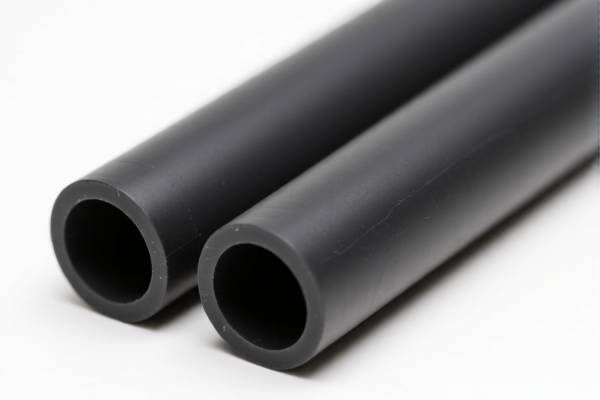
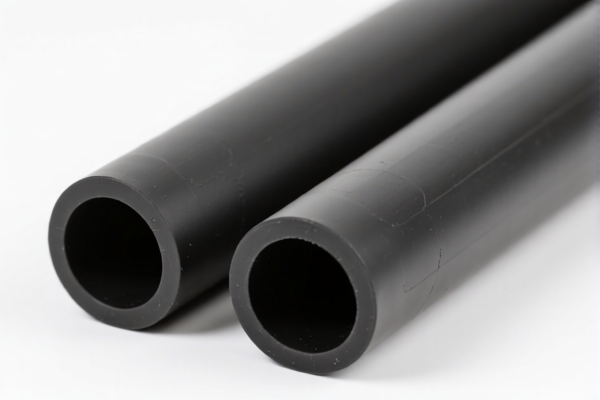
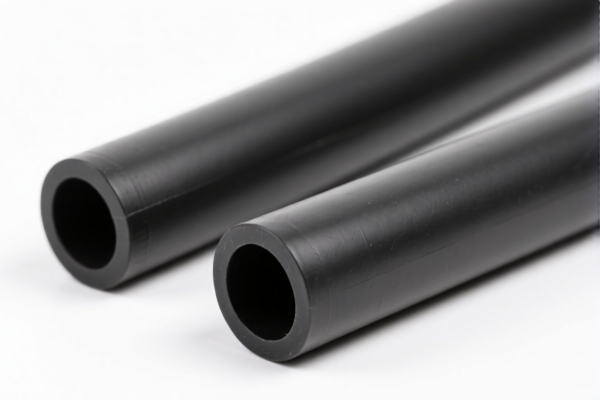
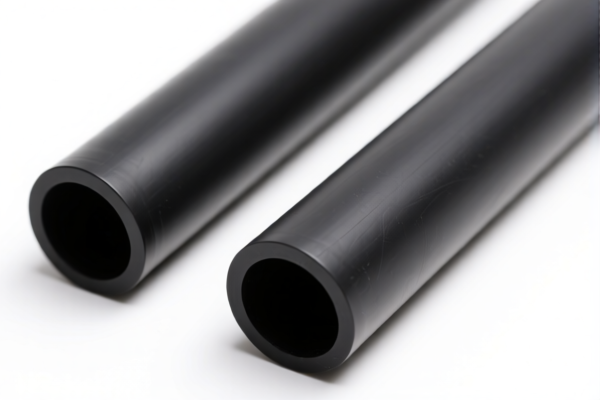
AI Analysis
🧪 Silicone Rubber Tubes: Classification, Tax Breakdown & Clearance Strategy
🌐 HS Code Reference & Clearance Guide | 2026 Latest Tariff Analysis | Professional Customs Strategy
📌 一、Product Definition & Classification: What Exactly Is a "Silicone Rubber Tube"?
Silicone rubber tubes are flexible, hollow structures made from synthetic silicone elastomers. They are widely used in medical devices, food processing, automotive, and industrial applications due to their heat resistance, chemical inertness, and flexibility.
In international trade, classification depends heavily on material composition and structural form:
- Pure Silicone Rubber Tubes: If the tube is made entirely or primarily of vulcanized silicone rubber (Chapter 40), it is classified under Heading 4009.
- Composite/Synthetic Plastic Tubes: If the tube is made of plastics or synthetic rubber compounds that do not meet the strict definition of "vulcanized rubber" (or are reinforced with materials that change their essential character), they may fall under Chapter 39 (Plastics).
⚠️ Key Distinction Point:
- If the product is vulcanized rubber (even if silicone) and shaped as a tube → 4009.
- If the product is thermoplastic or unvulcanized synthetic rubber → 3917 or 3926.
- Critical Check: Does it have a "rubbery" feel, resilience, and heat resistance consistent with silicone elastomers? If yes, lean towards 4009. If it’s stiff or clearly plastic-based, consider 3917.
📦 二、HS Code Classification Matrix (Based on Provided Data)
The following HS Codes are derived directly from the provided <DATA> block. Each code represents a potential classification path based on material and form.
| HS Code | Product Description | Summary | Total Tax Rate | Tax Breakdown |
|---|---|---|---|---|
3917.29.00.90 |
Plastic/Synthetic Rubber Tubes & Fittings | Material inferred as plastic/synthetic rubber; shape matches tubing/accessories. | 38.1% | Base: 3.1% Add'l: 25.0% Section 122: 10% |
3926.90.99.89 |
Other Plastic Articles/Accessories | Material falls under Chapter 39; form is plastic product/other accessories. | 22.8% | Base: 5.3% Add'l: 7.5% Section 122: 10% |
4009.12.00.50 |
Vulcanized Rubber Tubes/Hoses | Material matches vulcanized rubber attributes; form is tubing/hose. | 20.0% | Base: 2.5% Add'l: 7.5% Section 122: 10% |
🔍 Priority Analysis:
- Best Case:4009.12.00.50(20.0%) — If the product is confirmed as vulcanized silicone rubber, this is the most accurate and cost-effective classification.
- Middle Ground:3926.90.99.89(22.8%) — If the product is considered a "plastic accessory" due to additives or composite nature.
- Worst Case:3917.29.00.90(38.1%) — If customs determines the material is not vulcanized rubber but rather a synthetic plastic/rubber blend.
💰 三、2026 Tariff Rate Detailed Explanation
✅ Applicable Country: United States (US)
✅ Origin: China (CN)
✅ Effective Date: 2025/2026 (Post-Trade War Rates)
🎯 1. 4009.12.00.50 — Vulcanized Rubber Tubes (Most Likely for Silicone)
| Item | Details |
|---|---|
| Base Duty | 2.5% |
| Section 301 Add'l Duty | 7.5% (Note: Provided data lists 7.5% for 3926/4009, likely reflecting a specific sub-section or reduced rate scenario for rubber) |
| Section 122 Duty | 10% |
| Total Effective Rate | 20.0% |
| Calculation | CIF Value × 20.0% |
| De Minimis Eligibility | ❌ No (Deny De Minimis) |
| Legal Basis Path | USITC:4009.12.00.50 → FOOTNOTE:Section 122 |
📌 Explanation:
- Silicone rubber is technically a vulcanized rubber. Therefore, 4009 is the most technically correct HS Code for pure silicone tubes.
- The 20.0% total rate includes a 10% Section 122 duty (additional tariffs on Chinese goods) and a 7.5% additional duty (potentially from Section 301 or specific rubber protocols).
- Advantage: This is the lowest tax rate among the three options.
🎯 2. 3926.90.99.89 — Other Plastic Articles (Composite/Accessory)
| Item | Details |
|---|---|
| Base Duty | 5.3% |
| Section 301 Add'l Duty | 7.5% |
| Section 122 Duty | 10% |
| Total Effective Rate | 22.8% |
| Calculation | CIF Value × 22.8% |
| De Minimis Eligibility | ❌ No |
| Legal Basis Path | USITC:3926.90.99.89 → FOOTNOTE:Section 122 |
📌 Explanation:
- Used if the silicone tube is reinforced with plastic or considered an "accessory" rather than a primary tubular product.
- Slightly higher than 4009, but still manageable.
🎯 3. 3917.29.00.90 — Plastic/Synthetic Rubber Tubes (Non-Vulcanized)
| Item | Details |
|---|---|
| Base Duty | 3.1% |
| Section 301 Add'l Duty | 25.0% |
| Section 122 Duty | 10% |
| Total Effective Rate | 38.1% |
| Calculation | CIF Value × 38.1% |
| De Minimis Eligibility | ❌ No |
| Legal Basis Path | USITC:3917.29.00.90 → FOOTNOTE:Section 122 |
📌 Explanation:
- Applied if the material is not vulcanized (e.g., thermoplastic silicone or plastic blend).
- High Risk: The 25% Section 301 duty significantly increases costs.
- Avoid this classification if the product is truly silicone rubber.
🛠️ 四、Customs Clearance Practical Advice
✅ 1. Documentation Checklist (Mandatory)
| Document | Required | Notes |
|---|---|---|
| ✅ Product Specification Sheet | ✔️ | Must explicitly state "100% Silicone Rubber" or "Vulcanized Silicone". |
| ✅ Material Safety Data Sheet (MSDS) | ✔️ | Confirms chemical composition and vulcanization status. |
| ✅ Product Photos | ✔️ | Show flexibility, cross-section, and any markings. |
| ✅ Commercial Invoice | ✔️ | Clearly describe as "Silicone Rubber Tubing, Vulcanized". |
| ✅ Packing List | ✔️ | Detail quantity, weight, and dimensions. |
| ✅ Certificate of Origin | ✔️ | Required for tariff determination. |
✅ 2. Classification Strategy (Key Tips)
🔥 "Rubber vs. Plastic: Vulcanization is Key!"
| Scenario | Correct HS Code | Reason |
|---|---|---|
| Pure Silicone Tubing | 4009.12.00.50 |
Silicone is a rubber; vulcanized rubber falls under Chapter 40. |
| Silicone-coated Plastic Hose | 3917.29.00.90 or 3926.90.99.89 |
Base material is plastic; coating doesn't change classification. |
| Composite Tube (Rubber + Reinforcement) | 4009.12.00.50 |
If rubber is still the essential character. |
📌 Warning:
- Do NOT declare silicone tubes as "plastic tubes" to avoid Section 301 duties unless the material is genuinely plastic-based. Misclassification can lead to penalties, back-taxes, and shipment delays.
- Provide MSDS and test reports to prove vulcanization.
✅ 3. Special Considerations
| Situation | Advice |
|---|---|
| Medical Grade Silicone | Still 4009.12.00.50. Add "Medical Grade" to description for compliance (FDA), but not for HS change. |
| Food Grade Silicone | Same as above. Ensure FDA/EC1935 compliance documentation is ready. |
| High-Value Custom Tubing | Consider Advance Ruling from US Customs to lock in 4009 classification. |
| Small Quantity Samples | Still subject to duties. De Minimis ($800) exemption does not apply to China-origin goods under Section 122/301. |
🌍 五、Global Market Comparison (2026)
| Market | Recommended HS Code | Total Duty (China Origin) | Notes |
|---|---|---|---|
| 🇺🇸 USA | 4009.12.00.50 |
20.0% | Includes Section 122 & Add'l Duty. Lowest risk. |
| 🇪🇺 EU | 4009.12.00.00 |
3.5% | No Section 301. Standard EU tariff. |
| 🇨🇳 China | 4009.12.00.00 |
3.0% | Low import duty. |
| 🇬🇧 UK | 4009.12.00.00 |
4.5% | Post-Brexit standard rate. |
| 🇦🇺 Australia | 4009.12.00.00 |
5.0% | Low tariff. |
📌 Conclusion:
- The USA is the most complex market due to Section 122 and Section 301 duties.
- Correct classification as4009saves 15-18% in taxes compared to misclassifying as plastic (3917).
- Always prove vulcanization with technical documents.
📌 六、Common Mistakes & Pitfalls (Learn from Others)
❌ Mistake 1: Declaring Silicone Tubes as "Plastic Hoses" (3917)
👉 Result: 38.1% duty instead of 20.0%. Loss: 18.1% of CIF value.
👉 Fix: Provide MSDS showing silicone rubber composition.
❌ Mistake 2: Using "Rubber" generically without specifying "Vulcanized"
👉 Result: Customs may question if it's unvulcanized (Chapter 40) or plastic (Chapter 39).
👉 Fix: Use precise terms: "Vulcanized Silicone Rubber Tubing".
❌ Mistake 3: Ignoring Section 122 Duty
👉 Result: Unexpected 10% charge at border.
👉 Fix: Always budget for Section 122 + Add'l Duty in cost calculations.
✅ Best Practice:
"Silicone Rubber Tube, Vulcanized, Inner Diameter X mm, Wall Thickness Y mm, FDA Compliant, HS Code 4009.12.00.50"
🎯 七、Conclusion: Precision Saves Money!
🎯 Key Takeaway:
🔹 Silicone = Rubber (Chapter 40), not Plastic (Chapter 39).
🔹4009.12.00.50is your best friend: 20.0% total duty vs. 38.1%.
🔹 Documentation is King: MSDS, Specs, and Photos prove your case.
📌 Pro Tip:
If your shipment is high-value, apply for a US Customs Advance Ruling to confirm 4009.12.00.50 classification. This prevents disputes and ensures consistent clearance.
📣 Immediate Action:
📞 Contact your customs broker with product specs and MSDS.
🚀 Declare accurately: "Vulcanized Silicone Rubber Tube" → 4009.12.00.50.
💰 Save up to 18% in duties by correct classification!
✨ Smart Classification, Smarter Profits!
💼 Your Silicone Tube Deserves the Right HS Code!
Customer Reviews
About HS Code Classification
The Harmonized System (HS) is an internationally standardized nomenclature developed by the World Customs Organization (WCO) to classify traded products. Over 200 countries use the HS system as the basis for customs tariffs, trade statistics, and import/export regulations.
Each HS code follows a hierarchical structure:
- Chapter (2 digits) — Broad category of goods (e.g., Chapter 84: Machinery and Mechanical Appliances)
- Heading (4 digits) — More specific grouping within the chapter
- Subheading (6 digits) — Internationally standardized breakdown, used by all WCO member countries
- National subdivisions (8-10 digits) — Country-specific extensions for further classification, such as US HTSUS 10-digit codes
Correct HS code classification is essential for smooth customs clearance, accurate duty payment, and compliance with trade regulations. Misclassification can lead to customs delays, overpayment of duties, or penalties.
When importing from CN to US, the applicable tariff rates may include:
- Most-Favored-Nation (MFN) rate — The standard duty rate applied to WTO members
- General rate — Applied to countries without trade agreements
- Trade remedy duties — Additional tariffs such as Section 301 (anti-dumping), Section 232 (national security), or countervailing duties
The information provided on this page is for reference purposes only. For official classification, please consult with your local customs authority or a licensed customs broker.