Silk Beaded Handbag
CN → US| HS Code | Tariff Rate | Origin | Destination | Doc |
|---|---|---|---|---|
| 4202227000 | 42.0% | CN | US | Official Doc |
| 4202224010 | 42.4% | CN | US | Official Doc |
| 4202227000 | 42.0% | CN | US | Official Doc |
| 4202224010 | 42.4% | CN | US | Official Doc |
| 4202224010 | 42.4% | CN | US | Official Doc |
Product Images
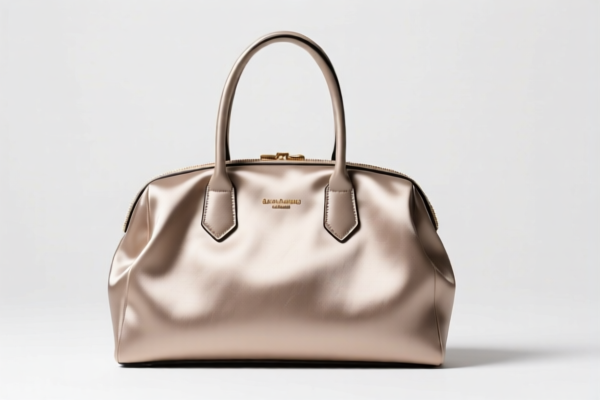
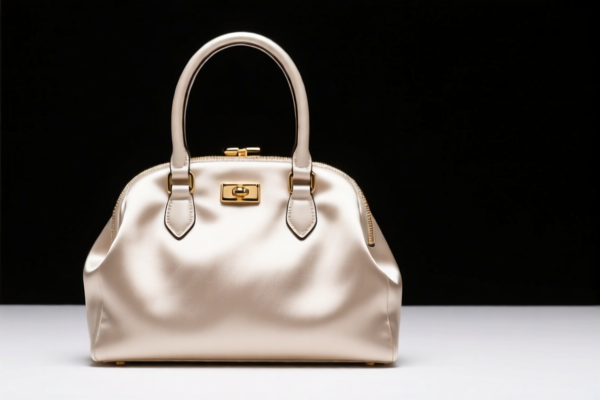
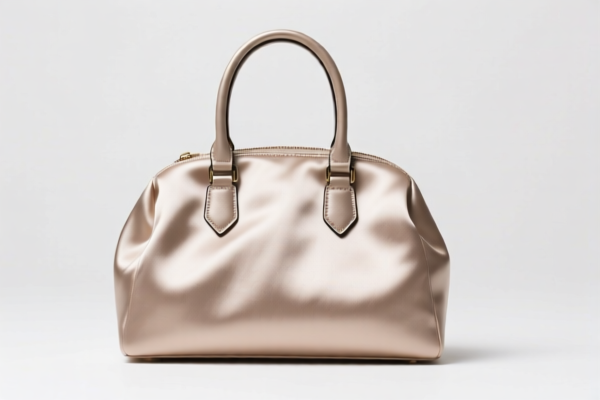
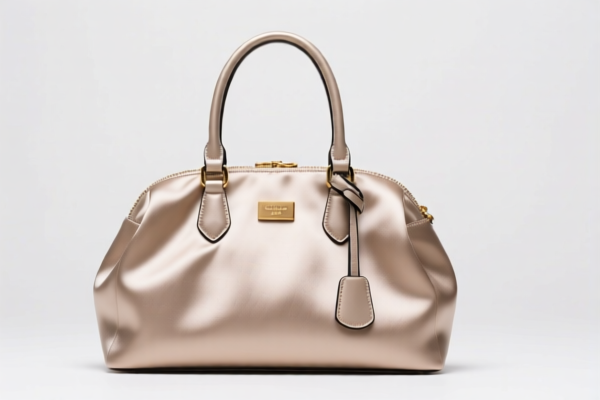
AI Analysis
🎒 Silk Beaded Handbag (Silk Fabric Handbag with Beads)
🌐 HS Code Reference & Customs Clearance Guide | 2024 Latest Tariff Full Analysis | Professional Clearance Strategy
📌 Part 1: Product Definition & Classification: Do You Really Know "Silk Handbags"?
A Silk Beaded Handbag is a luxury fashion accessory, typically defined by its primary material (satin, silk twill, or silk fabric) and decorative elements (beads, sequins, or embroidery). In international trade, the classification hinges on two critical factors: 1. Surface Material: Is the outer surface primarily textile (s Silk)? 2. Composition: Does it meet the specific "85% or more silk" threshold, or is it a general silk blend?
⚠ Critical Distinction: - If the bag is made of 85% or more silk and is clearly a handbag (not a wallet or clutch under different headings), it often qualifies for specific sub-headings requiring precise declaration. - If the bag features lace or specific fabric constructions, it may fall under different sub-headings despite being silk. - Key Note: All items below are subject to Section 301 Tariffs and Section 122 Tariffs for imports into the USA from China.
📦 Part 2: DetailedHS Code Classification (2024 Latest Tariff Authority Comparison)
| HS Code | Product Description | Applicable Scenario | Key Material Requirement |
|---|---|---|---|
4202.22.70.00 |
Silk fabric beaded handbag | Handbags with pure silk or high-silk content (≥85%) | Silk Content ≥85% Outer surface is textile. |
4202.22.40.10 |
Silk fabric handbag (Lace) | Handbags made of silk lace or silk blends | Silk Fabric (with Lace/Blend) Outer surface is textile. |
4202.22.40.10 |
Silk crossbody bag | Crossbody/Shoulder bags made of silk fabric | Silk Fabric Classified as Handbag/Tote type. |
4202.22.40.10 |
Silk handbag (Lace) | Handbags where the outer surface is silk lace | Silk Lace Fabric Meets textile outer surface criteria. |
🔍 Important Remind: - Handbag vs. Clutch: Ensure the product is classified as a "Handbag" (Chapter 42.02) and not a "Wallet" or "Purse" (which might fall under different sections). - Silk Definition: "Silk" includes raw silk, thrown silk, and silk waste. The specific sub-code
70.00often implies a stricter definition of pure/high-content silk compared to40.10which may include blends or lace constructions. - Beading: The presence of beads does not change the classification from textile to other materials unless beads cover >50% of the surface area and constitute the primary characteristic (rare for handbags).
💰 Part 3: 2024 Latest Tariff Rate Breakdown (Including Additional Taxes & Policy Add-ons)
✅ Applicable Country: United States (US)
✅ Country of Origin: China (CN)
✅ Effective Time: Current applicable rates for 2024/2025 imports
🎯 1. 4202.22.70.00 – Silk Handbag (≥85% Silk)
| Item | Detail |
|---|---|
| Base Duty Rate | 7.0% (Ad Valorem) |
| Section 301 Additional Duty | +25.0% (List 4A - General Consumer Goods) |
| Section 122 Duty | +10.0% (Specific to certain silk/textile goods under enforcement measures) |
| Total Effective Tax Rate | 42.0% |
| Duty Calculation | CIF Value × 42.0% |
| De Minimis Eligibility | ❌ Not Eligible (Section 301 & 122 duties do not apply to de minimis in the same way, but generally, commercial shipments of this type are scrutinized. Note: For LCL/FCL, duties apply fully.) |
| Legal Basis Path | HTSUS:4202.22.70 → USITC Footnote: 9903.88.01 (Sec 301) → 122 Clause |
📌 Explanation: - The 7.0% is the standard Most Favored Nation ( MFN ) rate for silk handbags. - The 25% is the Section 301 tariff, which applies to nearly all Chinese consumer goods including fashion accessories. - The 10% is the Section 122 duty, which has been applied to certain silk products in recent enforcement actions. - Total 42% is a significant cost driver. Profit margin calculations must include this.
🎯 2. 4202.22.40.10 – Silk Handbag (Lace/Blend/Crossbody)
| Item | Detail |
|---|---|
| Base Duty Rate | 7.4% (Ad Valorem) |
| Section 301 Additional Duty | +25.0% |
| Section 122 Duty | +10.0% |
| Total Effective Tax Rate | 42.4% |
| Duty Calculation | CIF Value × 42.4% |
| De Minimis Eligibility | ❌ Not Eligible |
| Legal Basis Path | HTSUS:4202.22.40 → USITC Footnote: 9903.88.01 → 122 Clause |
📌 Note: - The 7.4% base rate is slightly higher than the pure silk category, possibly due to the complexity of lace or blend definitions. - The 25% + 10% additional tariffs remain the same, leading to a 42.4% total. - Crossbody bags made of silk are often grouped here under "Handbags/Totes" rather than pure "Handbag" classifications, leading to the slight rate difference.
🛠 Part 4: Customs Clearance Practical Advice (Real-World Pitfall Guide)
✅ 1. Required Documentation Checklist (No Omissions)
| Document | Required? | Notes |
|---|---|---|
| ✅ Commercial Invoice | ✔ | Must clearly state "Silk Beaded Handbag" and material composition (e.g., "100% Silk" or "Silk-Lace Blend"). |
| ✅ Packing List | ✔ | Include weight, dimensions, and quantity. |
| ✅ Product Photos | ✔ | High-resolution images showing the outer surface material and beading details. |
| ✅ Material Test Report | ✔ | Crucial: A lab report confirming silk content (e.g., "85% Silk, 15% Polyester"). This determines if you use 70.00 or 40.10. |
| ✅ Country of Origin Cert | ✔ | To confirm Chinese origin (triggering 301/122 tariffs). |
| ✅ Declaration Statement | ✔ | "I declare that the goods are subject to Section 301 and Section 122 duties." |
✅ 2. Declaration Tips (Key Mnemonics)
🔥 "Silk Content is King, Labeling is Queen, Beads Don't Change the Scene!"
| Scenario | Correct Declaration | Wrong Practice |
|---|---|---|
| High-Silk (≥85%) | 4202.22.70.00Material: "Silk, ≥85%" |
Label as "Synthetic Fabric" → 42.0% vs 8.5% risk |
| Silk Lace/Blend | 4202.22.40.10Material: "Silk Lace" |
Label as "Pure Silk" → Misclassification penalty |
| Crossbody Bag | 4202.22.40.10Type: "Crossbody/Shoulder Bag" |
Label as "Wallet" → Wrong Chapter |
| Beading Details | Describe as "Decorative Beads" | Claim "Main Material is Beads" → Wrong Heading (95.03/71.16?) |
✅ 3. Special Handling Cases
| Case | Handling Advice |
|---|---|
| Sample Shipments | Even for samples, if commercial value exists, duties apply. Do not use "Gift" to evade if it's a bulk order. |
| Mixed Material | If silk is <85%, you must use 40.10. Using 70.00 for <85% silk is fraud. |
| Private Label/OEM | Ensure the brand owner is declared. If the brand is Chinese, additional scrutiny may occur. |
| Returns/Replacements | If goods are defective, file for Duty Relief with proof of return. |
🌍 Part 5: Global Market Comparison (2024 Latest)
| Country/Region | RecommendedHS Code | Duty Rate | Certification | Notes |
|---|---|---|---|---|
| 🇺🇸 USA | 4202.22.70.00 or 40.10 |
42.0% - 42.4% | No special cert, but strict labeling | High Duty due to 301+122 |
| 🇨🇳 China | 4202.22.70.00 |
10% (Import) | N/A | Export from China: 0% (if VAT refund applies) |
| 🇪🇺 EU | 4202.22.91 |
0% - 4% | CE (if applicable), REACH | No Section 301 equivalent, but anti-dumping may apply |
| 🇬🇧 UK | 4202.22.91 |
0% - 4% | UKCA | Post-Brexit tariffs vary |
| 🇦🇺 Australia | 4202.22.91 |
5% | GTSR | No significant anti-dumping |
📌 Conclusion: - USA is the most expensive market for Chinese silk handbags due to the 42%+ effective duty rate. - EU/UK/Australia are more favorable, with rates typically under 5% for silk goods. - Strategy: If exporting to the USA, consider value engineering (lower silk content? no, that changes code) or supply chain diversification (manufacture in Vietnam/Thailand to avoid Chinese origin, if feasible).
📌 Part 6: Common Mistakes & Pitfall Guide (Blood & Tears Lessons)
❌ Mistake 1: Labeling "Silk Blend" as "100% Silk"
👉 Consequence: Use 70.00 when 40.10 is required → Underpayment of duty by 0.4% + Penalties.
❌ Mistake 2: Claiming "Beads" as primary material
👉 Consequence: Customs may reclassify under Chapter 95 (Toys/Accessories) or 71 (Jewelry), leading to higher duties and legal risks.
❌ Mistake 3: Omitting Section 122 Declaration
👉 Consequence: Customs Audit, seizure of goods, and back-treatment of 10% duty + interest.
❌ Mistake 4: Using "Handbag" for a "Clutch"
👉 Consequence: Clutches may fall under different sub-headings. Ensure correct shape description.
✅ Best Practice:
"Silk Handbag, Beaded, 100% Silk Outer Surface, Model: ABC123, Made in China"
🎯 Part 7: Conclusion: Precise Classification Saves Money!
🎯 Remember the Mantra:
🔹 "Silk ≥85%: 42.0% Total. Silk Lace/Blend: 42.4% Total. 301+122 is Real!"
🔹 "Declare Accurately, Avoid Audits, Maximize Profits!"
📌 Pro Tip:
If your silk handbag is made in Vietnam, Thailand, or India, you can avoid Section 301 and 122 tariffs, reducing the duty to the base rate (7.0% or 7.4%). This is a massive saving of ~35%!
✅ Recommendation: Consider near-shoring or contract manufacturing in non-China countries for US-bound silk handbags.
📣 Take Action Now:
📞 Consult a Customs Broker + Provide Material Test Report + Apply for Advance Ruling
🚀 Clear Customs Smoothly, Maximize Your Margin, and Expand Your Business!
✨ Professional Clearance Starts with Accurate Classification!
💼 Every Cent of Duty Saved is Pure Profit!
Customer Reviews
About HS Code Classification
The Harmonized System (HS) is an internationally standardized nomenclature developed by the World Customs Organization (WCO) to classify traded products. Over 200 countries use the HS system as the basis for customs tariffs, trade statistics, and import/export regulations.
Each HS code follows a hierarchical structure:
- Chapter (2 digits) — Broad category of goods (e.g., Chapter 84: Machinery and Mechanical Appliances)
- Heading (4 digits) — More specific grouping within the chapter
- Subheading (6 digits) — Internationally standardized breakdown, used by all WCO member countries
- National subdivisions (8-10 digits) — Country-specific extensions for further classification, such as US HTSUS 10-digit codes
Correct HS code classification is essential for smooth customs clearance, accurate duty payment, and compliance with trade regulations. Misclassification can lead to customs delays, overpayment of duties, or penalties.
When importing from CN to US, the applicable tariff rates may include:
- Most-Favored-Nation (MFN) rate — The standard duty rate applied to WTO members
- General rate — Applied to countries without trade agreements
- Trade remedy duties — Additional tariffs such as Section 301 (anti-dumping), Section 232 (national security), or countervailing duties
The information provided on this page is for reference purposes only. For official classification, please consult with your local customs authority or a licensed customs broker.