Silk Fabric Handbag (Lace)
CN → US| HS Code | Tariff Rate | Origin | Destination | Doc |
|---|---|---|---|---|
| 4202227000 | 42.0% | CN | US | Official Doc |
| 4202224010 | 42.4% | CN | US | Official Doc |
| 5007906090 | 38.9% | CN | US | Official Doc |
| 6307909891 | 24.5% | CN | US | Official Doc |
| 4202227000 | 42.0% | CN | US | Official Doc |
Product Images
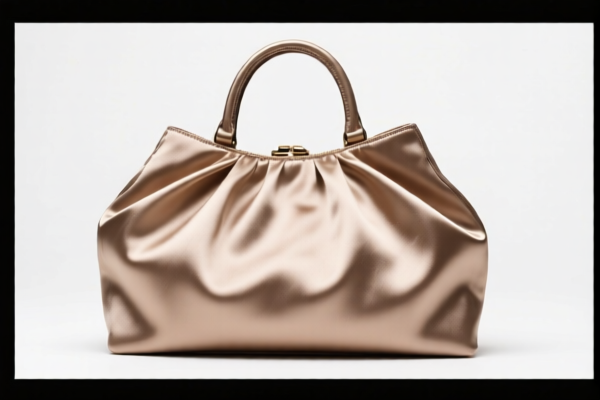
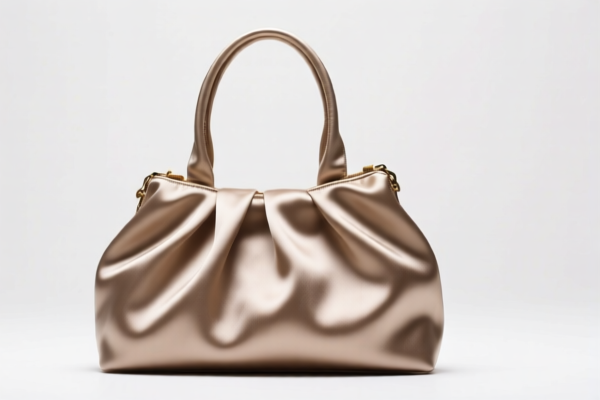
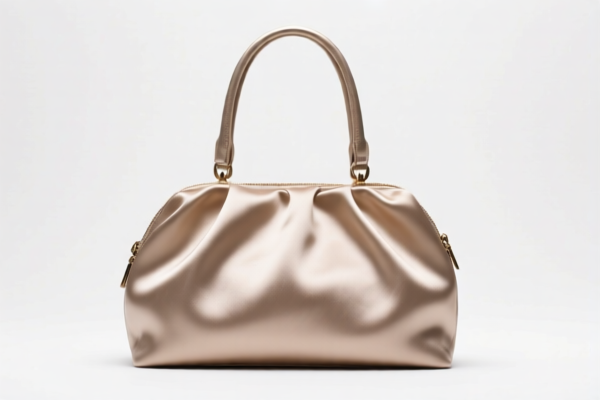
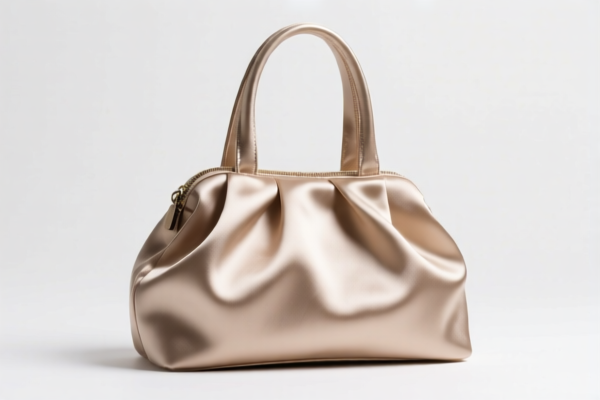
AI Analysis
👜 Silk Fabric Handbag (Lace)
🌐 HS Code Reference & Customs Clearance Guide | 2026 Latest Tariff Analysis | Professional Classification Strategy
📌 I. Product Definition & Classification: What Exactly is a "Silk Fabric Handbag"?
A Silk Fabric Handbag (Lace) is a luxury accessory characterized by its delicate material composition and intricate design. In international trade, the classification hinges on two critical factors: 1. Material Composition: Is it primarily silk fabric, textile lace, or a mixture? 2. Functional Form: Is it a ready-to-use handbag (Chapter 42) or a textile article/curtain-like item (Chapter 63)?
⚠️ Key Distinction Point:
- If the item is a finished handbag with structure, handles, and closure mechanisms, it generally falls under Chapter 42 (Articles of Leather; Travel Goods).
- If it is merely fabric/curtain-like without the specific handbag structure, it may fall under Chapter 63 (Other Made-up Textile Articles).
- Crucial Note: The presence of "Lace" does not automatically place it in Chapter 60 (Lace). If it is a finished bag, Chapter 42 prevails over Chapter 60/63 unless specific textile exclusions apply.
📦 II. HS Code Classification Matrix (2026 Latest Tariff Authority Mapping)
Based on the provided data, here is the precise mapping for Silk Fabric Handbags. Note that two distinct classification pathways exist depending on how Customs interprets the "Handbag" vs. "Textile Article" definition.
| HS Code | Product Description | Classification Logic | Total Tax Rate | Tax Breakdown |
|---|---|---|---|---|
4202.22.70.00 |
Silk Handbags (Primary Classification) Matches textile materials & silk composition features. |
Classified as Handbags (Chapter 42). The primary attribute is "Handbag," made of silk/textile. | 42.0% | Base: 7.0% Additional: 25.0% Section 122: 10.0% |
4202.22.40.10 |
Silk Handbags (Specific Sub-category) Fully complies with textile material & silk component requirements. |
Another sub-category under Handbags (Chapter 42), specifically targeting pure silk/textile handbags. | 42.4% | Base: 7.4% Additional: 25.0% Section 122: 10.0% |
5007.90.60.90 |
Silk Fabric Form Core material attribute matches silk fabric. |
Classified as Silk Fabric (Chapter 50). NOT a handbag. Only apply if the item is unfinished fabric or curtain-like textile, not a structured bag. | 38.9% | Base: 3.9% Additional: 25.0% Section 122: 10.0% |
6307.90.98.91 |
Silk Made-up Articles Other made-up textile articles. |
Classified as Other Made-up Textile Articles (Chapter 63). Used if Customs deems it a "textile good" rather than a "handbag." | 24.5% | Base: 7.0% Additional: 7.5% Section 122: 10.0% |
🔍 Critical Insight:
- Most Likely:4202.22.70.00or4202.22.40.10are the correct codes for a finished handbag.
- High Risk: Classifying a structured handbag as5007(Fabric) or6307(Textile Article) may lead to misclassification penalties because Chapter 42 explicitly covers handbags.
- Cost Savings:6307.90.98.91has the lowest total tax (24.5%), but only applies if the item is NOT considered a handbag (e.g., a decorative textile pouch with no rigid structure or handles). Do not use this code for standard handbags unless legally justified.
💰 III. 2026 Latest Tariff Rate Breakdown (Including Surtaxes)
✅ Applicable Country: United States (US)
✅ Origin: China (CN)
✅ Effective Date: Current (Includes Section 122 & 301 Surtaxes)
🎯 1. 4202.22.70.00 & 4202.22.40.10 – Silk Handbags (Chapter 42)
| Item | Details |
|---|---|
| Base Duty Rate | 7.0% ~ 7.4% (Ad Valorem) |
| Section 301 Surcharge | +25.0% (On China-origin goods) |
| Section 122 Surcharge | +10.0% (Specific tariff provision) |
| Total Effective Rate | 42.0% ~ 42.4% |
| Tax Calculation | CIF Value × Total Rate |
| De Minimis Exemption | ❌ NOT Eligible (Deny de minimis) |
| Legal Basis Path | HTSUS:4202.22 → USITC Footnote → IEEPA:9903 (Section 122) |
📌 Explanation:
- Base Duty (7.0-7.4%): Standard MFN rate for silk handbags.
- Section 301 (25%): Standard additional tariff on Chinese manufactured goods.
- Section 122 (10%): Specific additional tariff applied to this category.
- Total Impact: Over 40% duty significantly increases landed cost.
🎯 2. 5007.90.60.90 – Silk Fabric (Chapter 50)
| Item | Details |
|---|---|
| Base Duty Rate | 3.9% |
| Section 301 Surcharge | +25.0% |
| Section 122 Surcharge | +10.0% |
| Total Effective Rate | 38.9% |
| Tax Calculation | CIF Value × 38.9% |
| De Minimis Exemption | ❌ NOT Eligible |
| Legal Basis Path | HTSUS:5007.90 → USITC Footnote → IEEPA:9903 |
⚠️ Warning: This rate is lower only if the item is NOT a handbag. Using this code for a handbag is high-risk.
🎯 3. 6307.90.98.91 – Other Made-up Textile Articles (Chapter 63)
| Item | Details |
|---|---|
| Base Duty Rate | 7.0% |
| Section 301 Surcharge | +7.5% (Reduced from 25% for specific textile categories under certain rules) |
| Section 122 Surcharge | +10.0% |
| Total Effective Rate | 24.5% |
| Tax Calculation | CIF Value × 24.5% |
| De Minimis Exemption | ❌ NOT Eligible |
| Legal Basis Path | HTSUS:6307.90 → USITC Footnote → IEEPA:9903 |
✅ Opportunity: This is the lowest tax rate (24.5%). However, it requires proving the item is an "Other Made-up Textile Article" and not a handbag under Chapter 42.
🛠️ IV. Customs Clearance Practical Advice (Risk Mitigation Guide)
✅ 1. Documentation Checklist (Non-Negotiable)
| Document | Required? | Purpose |
|---|---|---|
| ✅ Product Specification Sheet | ✔️ | Must detail material: "100% Silk Fabric with Lace Trim" vs. "Silk Blend." |
| ✅ High-Res Photos | ✔️ | Show structure: Handles, closure, lining, shape. Proves it’s a "handbag." |
| ✅ Commercial Invoice | ✔️ | Must clearly state: "Silk Handbag, Lace Detail, Model XXX." Avoid vague terms like "Textile Gift." |
| ✅ Packing List | ✔️ | Item count, weight, dimensions. |
| ✅ Certificate of Origin | ✔️ | Confirm China origin to assess surtax eligibility. |
| ✅ Prior Ruling (If Available) | ✔️ | If you have an existing HS Code ruling, attach it. |
✅ 2. Declaration Strategy (Key Mnemonics)
🔥 "Structure Defines Chapter, Not Just Material!"
| Scenario | Correct HS Code | Incorrect Code | Consequence |
|---|---|---|---|
| Finished Handbag (Handles, Closure, Shape) | 4202.22.70.00 |
6307.90.98.91 |
Misclassification Penalty. High risk of audit. |
| Unstructured Pouch (No handles, flat textile) | 6307.90.98.91 |
4202.22.70.00 |
Overpaying tax (24.5% vs 42.0%). Justifiable if no structure. |
| Raw Silk Fabric (Rolls, not cut) | 5007.90.60.90 |
4202.22.70.00 |
Major error. Fabric ≠ Handbag. |
✅ 3. Special Handling Tips
| Situation | Recommendation |
|---|---|
| Lace Material | If lace is >50% of surface area, argue for Chapter 63 (6307.90.98.91) ONLY if the item lacks handbag structure. Otherwise, stick to Chapter 42. |
| Mixed Materials | If silk is mixed with synthetic lace, declare as "Textile Handbag" under 4202.22.70.00. Do not try to claim pure silk if it’s blended. |
| OEM/Custom Designs | Provide design drawings to prove the item is a "handbag" and not a "decoration." |
| Low-Value Shipments | Remember: De Minimis (Section 321) is NOT available for China-origin goods under Section 122. Plan for duty payment. |
🌍 V. Global Market Comparison (2026)
| Region | Recommended HS Code | Estimated Duty | Notes |
|---|---|---|---|
| 🇺🇸 USA | 4202.22.70.00 |
42.0% | High due to Section 301 + 122. |
| 🇨🇳 China | 4202.22.70.00 |
7.0% | No Section 301/122. Low duty. |
| 🇪🇺 EU | 4202.29.90 |
~12% | No Section 122. Standard EU duty. |
| 🇬🇧 UK | 4202.22.90 |
~12% | Similar to EU. |
| 🇨🇦 Canada | 4202.22.90 |
~10% | Lower than US. |
📌 Conclusion:
- USA is the most expensive market for silk handbags due to layered surtaxes.
- EU/UK/Canada are significantly cheaper, offering ~30% lower duty rates.
- Strategy: If exporting to the US, consider tariff engineering (e.g., ensuring the item is classified as a textile accessory under6307if legally possible) or supply chain diversification (though Section 301 often applies regardless of assembly location if Chinese materials are used).
📌 VI. Common Errors & Pitfalls (Lessons Learned)
❌ Error 1: Declaring a structured handbag as 6307.90.98.91 to save tax.
👉 Result: Customs audit, seizure, and penalties. Chapter 42 has legal precedence for handbags.
❌ Error 2: Using 5007 (Fabric) for a finished bag.
👉 Result: Immediate rejection. A bag is not fabric.
❌ Error 3: Ignoring "Section 122" in tax calculations.
👉 Result: Under-quoting taxes by 10%, leading to back-taxes and delays.
❌ Error 4: Vague Description: "Silk Bag."
👉 Result: Customs officer may apply the highest default rate.
✅ Correct Description: "Women's Silk Handbag with Lace Trim, Chapter 42, Model XYZ, 100% Silk Lining."
🎯 VII. Conclusion: Precision is Profit
🎯 Key Takeaway:
🔹 "Handbag = Chapter 42. Fabric = Chapter 50. Textile Article = Chapter 63."
🔹 USA Duty = 42% for Handbags. Be meticulous with documentation.
🔹 Section 122 is unavoidable for China-origin silk goods.
📌 Pro Tip:
If your handbag has minimal silk content (e.g., silk trim only) and is mostly synthetic, re-evaluate classification under 4202.22.70.00 vs. 4202.22.40.10. Always prioritize accurate material description over tax savings to avoid compliance risks.
📣 Immediate Action:
📞 Consult a Licensed Customs Broker to confirm if your specific "Silk Lace Handbag" can legally be classified under
6307.90.98.91to save 17.5% in duties.
📄 Prepare detailed photos and specs to support Chapter 42 classification if required.
🚀 Clear customs smoothly, avoid penalties, and protect your margins!
✨ Professional Classification Saves Money. Accurate Declarations Ensure Speed.
💼 Every Percent Counts in the Age of Trade Wars.
Customer Reviews
About HS Code Classification
The Harmonized System (HS) is an internationally standardized nomenclature developed by the World Customs Organization (WCO) to classify traded products. Over 200 countries use the HS system as the basis for customs tariffs, trade statistics, and import/export regulations.
Each HS code follows a hierarchical structure:
- Chapter (2 digits) — Broad category of goods (e.g., Chapter 84: Machinery and Mechanical Appliances)
- Heading (4 digits) — More specific grouping within the chapter
- Subheading (6 digits) — Internationally standardized breakdown, used by all WCO member countries
- National subdivisions (8-10 digits) — Country-specific extensions for further classification, such as US HTSUS 10-digit codes
Correct HS code classification is essential for smooth customs clearance, accurate duty payment, and compliance with trade regulations. Misclassification can lead to customs delays, overpayment of duties, or penalties.
When importing from CN to US, the applicable tariff rates may include:
- Most-Favored-Nation (MFN) rate — The standard duty rate applied to WTO members
- General rate — Applied to countries without trade agreements
- Trade remedy duties — Additional tariffs such as Section 301 (anti-dumping), Section 232 (national security), or countervailing duties
The information provided on this page is for reference purposes only. For official classification, please consult with your local customs authority or a licensed customs broker.