Silk Handbag
CN → US| HS Code | Tariff Rate | Origin | Destination | Doc |
|---|---|---|---|---|
| 4202224010 | 42.4% | CN | US | Official Doc |
| 4202227000 | 42.0% | CN | US | Official Doc |
| 4202224010 | 42.4% | CN | US | Official Doc |
| 4202227000 | 42.0% | CN | US | Official Doc |
| 4202227000 | 42.0% | CN | US | Official Doc |
Product Images
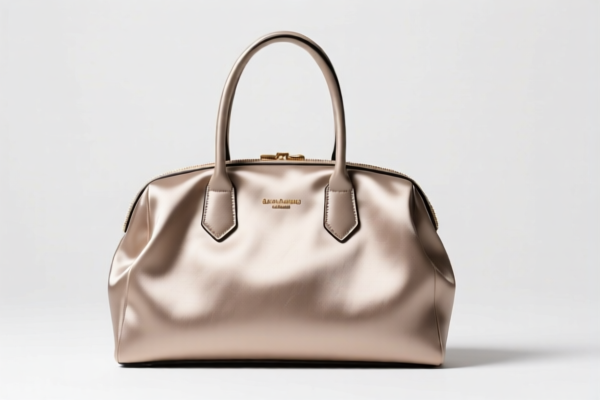
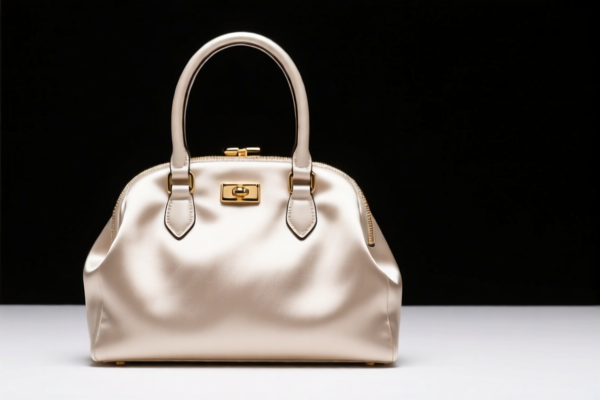
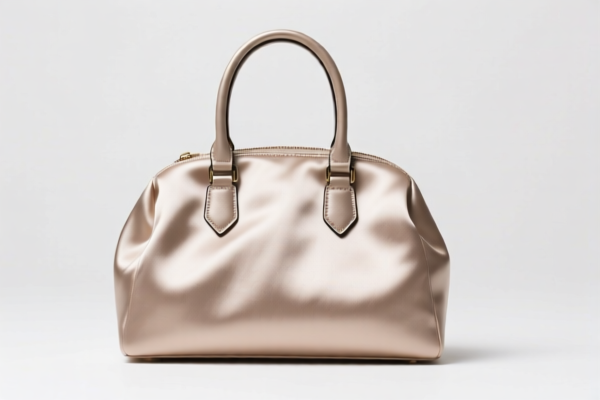
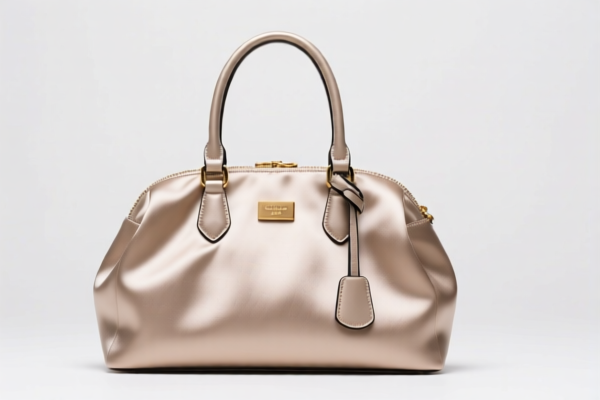
AI Analysis
👜 Silk Handbags & Shoulder Bags (The "Silk" Luxury Accessory)
🌐 HS Code Reference & Customs Clearance Guide | 2026 Latest Tariff Analysis | Professional Strategy for High-Value Textile Goods
📌 1. Product Definition & Classification: Do You Know Your "Silk"?
Silk handbags represent the pinnacle of luxury fashion accessories. In international trade, classification hinges strictly on the outer surface material and the form factor (Shoulder/Handbag). Under Chapter 42, goods are not classified by "bag" generally, but by the material of the outer surface.
Key Distinctions:
* Shoulder/Handbags (4202.22): Items designed to be carried in the hand or slung over the shoulder.
* Material Specificity:
* If the outer surface is Silk, it falls under specific sub-headings requiring precise HS codes (e.g., 4202.22.40.10 or 4202.22.70.00).
* Embellishments: Beaded or lace-embellished silk bags do not change the base material classification if silk remains the dominant outer surface feature.
⚠️ Critical Classification Point: - If the bag’s outer surface is Silk → Must use 4202.22.40.10 or 4202.22.70.00 based on specific regulatory sub-categories. - If Silk is merely an interior lining and the exterior is another textile, the code changes entirely (not covered in this specific dataset). - Lace made from Silk is treated as Silk for classification purposes.
📦 2. HS Code Breakdown (2026 Latest Tariff Authority Comparison)
| HS Code | Product Description | Key Features | Applicable Scenarios |
|---|---|---|---|
4202.22.40.10 |
Silk Shoulder/Handbag | Material: Silk. Form: Shoulder/Handbag. | Pure silk bags, silk shoulder bags. |
4202.22.70.00 |
Silk Shoulder/Handbag | Material: Textile (explicitly containing Silk). | Silk bags where textile classification allows broader "textile" grouping, yet retains silk content. |
4202.22.40.10 |
Silk Fabric Beaded Handbag | Material: Silk fabric. Form: Handbag. Feature: Beaded. | Handbags with bead embellishments on silk fabric. |
4202.22.70.00 |
Silk Fabric Beaded Handbag | Material: Textile (Silk-containing). Form: Handbag. | Beaded bags classified under broader textile sub-category due to silk content. |
4202.22.70.00 |
Silk Fabric Handbag (Lace) | Material: Silk (Lace fits silk characteristics). Form: Handbag. | Handbags made of silk lace, meeting textile outer surface requirements. |
🔍 Key Insight: -
4202.22.40.10is often used for specific Silk classifications with a 7.4% base duty. -4202.22.70.00is used for Textile surfaces explicitly including Silk, with a 7.0% base duty. - Both codes apply to Shoulder Bags and Handbags. The distinction lies in the precise regulatory sub-heading interpretation of "Silk" vs. "Textile containing Silk."
💰 3. 2026 Latest Tariff Rate Details (Including Surtaxes & Policy Add-ons)
✅ Applicable Country: United States (US)
✅ Country of Origin: China (CN)
✅ Effective Date: Post-2025 (Current Trade Environment)
🎯 1. HS Code 4202.22.40.10 – Silk Shoulder/Handbag (Specific Silk Classification)
| Item | Detail |
|---|---|
| Base Tariff | 7.4% (Ad Valorem) |
| Section 301 Surcharge | +25.0% |
| Section 122 Tariff | +10.0% |
| Total Effective Rate | 42.4% |
| Calculation Basis | CIF Value × 42.4% |
| De Minimis Eligibility | ❌ NOT Eligible (High value/textile restrictions usually apply, plus surtaxes often block Section 321 exemptions for high-value goods or specific Chinese origin goods under current strict enforcement). |
| Legal Path | HTSUS:4202.22.40.10 → Section 301: Footnote 1 → Section 122: 19 CFR Part 133 |
📌 Explanation: - The 7.4% is the standard MFN (Most Favored Nation) duty for silk handbags. - The 25% is the standard Section 301 tariff on Chinese-origin goods in this category. - The 10% is the "Section 122" tariff, often applied to certain textile/apparel items under specific executive actions or recent regulatory updates targeting specific Chinese imports. - Total Cost Impact: A $100 bag incurs $42.40 in duties alone.
🎯 2. HS Code 4202.22.70.00 – Silk/Textile Shoulder/Handbag (Textile Classification)
| Item | Detail |
|---|---|
| Base Tariff | 7.0% (Ad Valorem) |
| Section 301 Surcharge | +25.0% |
| Section 122 Tariff | +10.0% |
| Total Effective Rate | 42.0% |
| Calculation Basis | CIF Value × 42.0% |
| De Minimis Eligibility | ❌ NOT Eligible |
| Legal Path | HTSUS:4202.22.70.00 → Section 301: Footnote 1 → Section 122 |
📌 Explanation: - Slightly lower base duty (7.0% vs 7.4%) due to the "Textile" classification nuance. - However, the surcharge structure remains identical. - Total Cost Impact: A $100 bag incurs $42.00 in duties. - Note: Beaded or Lace silk bags fall here if the regulatory body interprets them under the broader textile sub-category
4202.22.70.00.
🛠️ 4. Customs Clearance Practical Advice (Battle-Tested Pitfall Guide)
✅ 1. Documentation Checklist (Non-Negotiable)
| Document | Required? | Explanation |
|---|---|---|
| ✅ Commercial Invoice | ✔️ | Must clearly state: "Silk Handbag" or "Silk Shoulder Bag." |
| ✅ Product Description | ✔️ | Must specify: "Outer Surface Material: Silk." |
| ✅ Material Composition Sheet | ✔️ | Detail % of Silk vs. other threads (even if minor, proves Silk dominance). |
| ✅ Photos of Bag (Exterior) | ✔️ | Crucial for Customs to verify "Silk" texture/pattern. |
| ✅ Lace/Beading Details | ✔️ | If beaded/lace, provide close-ups to confirm material (Silk lace = Silk classification). |
| ✅ Country of Origin Label | ✔️ | Must be visible. "Made in China" triggers the 35%+ surtaxes. |
✅ 2. Declaration Strategy (Key Mnemonics)
🔥 "Silk Outer, High Duty; Beads/Lace Still Silk; Don't Lie About Material!"
| Scenario | Correct Declaration | Incorrect Declaration | Consequence |
|---|---|---|---|
| Pure Silk Bag | 4202.22.40.10 |
4202.22.70.00 (if specific silk subheading applies) |
Potential audit, but rates are close (42.4% vs 42.0%). |
| Silk Bag with Beads | 4202.22.40.10 OR 4202.22.70.00 |
"Accessories" or "Plastic Bag" | Severe penalty, misclassification fines. |
| Silk Lace Bag | 4202.22.70.00 (as per data) |
"Linen Bag" | Incorrect HS, higher/lower duty risk, delays. |
| Interior Silk, Exterior Cotton | NOT COVERED in this data | 4202.22.xxxx |
Wrong Code Entirely. Must use Cotton textile code (different rate). |
⚠️ Warning: - Never declare a silk bag as "Leather" or "Plastic" to evade tariffs. Modern customs use AI image recognition and fiber testing. - Beads do not change the material classification if silk is the primary outer surface.
✅ 3. Special Case Handling
| Situation | Handling Advice |
|---|---|
| Lace Bags | Explicitly state "Silk Lace" on invoice. Customs must recognize lace made of silk as silk. Use 4202.22.70.00 as per data. |
| Beaded Bags | Provide photo of bead attachment (thread type). If attached with silk thread, reinforces silk classification. |
| OEM/Custom Designs | Ensure the "Outer Surface" is clearly defined. If the bag has a silk front but synthetic back, Customs may classify based on the primary material or reject. |
| Value Declaration | Ensure declared value matches the high-end nature of silk. Under-invoicing triggers audits for luxury textiles. |
🌍 5. Global Market Clearance Comparison (2026 Snapshot)
| Region | HS Code (General) | Base Tariff | Surcharge (China) | Total Estimate | Notes |
|---|---|---|---|---|---|
| 🇺🇸 USA | 4202.22.40.10 / .70 |
7.0% - 7.4% | +35% (301+122) | ~42% | Highest Cost. Section 122 adds significant burden. |
| 🇪🇺 EU | 4202.22.91 / .99 |
~8% - 12% | None (if no anti-dumping) | ~8-12% | No Section 301/122 equivalents. VAT applies separately. |
| 🇨🇳 China | 4202.22.91 |
~10% - 12% | None | ~10-12% | Import duty for foreign silk bags. |
| 🇬🇧 UK | 4202.22.91 |
~8% - 10% | None | ~8-10% | Post-Brexit tariff structure similar to EU. |
📌 Conclusion: - The US is the most expensive market for Chinese silk handbags due to the combination of base duties and the Section 122 + Section 301 surcharges. - Total Tariff Impact: 42.0% - 42.4%. This significantly erodes margin for luxury goods.
📌 6. Common Errors & Pitfalls (Lessons Learned)
❌ Error 1: Declaring a Silk Bag as "Cotton" or "Synthetic" | 👉 Consequence: Customs fiber test reveals Silk → 2x Duty Penalty + Seizure. ❌ Error 2: Ignoring "Section 122" | 👉 Consequence: Underpaying by 10% → Audit & Back-taxes + Interest. ❌ Error 3: Confusing "Silk Lining" with "Silk Outer" | 👉 Consequence: Wrong HS Code. If exterior is polyester, rate is lower (but still subject to 301). Misdeclaration = Fraud risk. ❌ Error 4: Using "Textile Bag" as generic description | 👉 Consequence: Customs may assign highest duty code or request re-classification, causing delay.
✅ Correct Practice:
"Women's Handbag, Outer Surface: Silk Fabric, Beaded Embellishment, Model XYZ, Origin: China, CIF: $100"
🎯 7. Conclusion: Professional Declaration, Save Cost & Time!
🎯 Remember the Rule:
🔹 "Silk Outer = 42%+ Duty in US." 🔹 "Beads/Lace don't change the Silk Classification." 🔹 "Section 122 is the Hidden Cost Killer."
📌 Pro Tip: If your silk handbags are re-exported or processed in a third country (with substantial transformation), you might avoid the "Made in China" surcharges. However, simple assembly is not enough. Consult a trade lawyer for Substantial Transformation strategies.
📣 Immediate Action:
📞 Verify HS Code Pre-Ruling with US CBP before shipping. 💰 Calculate Landed Cost including the 42.4% duty buffer. 📄 Document "Silk" Dominance clearly in all invoices.
✨ Precise Classification, Profitable Trade! 💼 Your Silk Bags Deserve Accurate Duty Rates!
Customer Reviews
About HS Code Classification
The Harmonized System (HS) is an internationally standardized nomenclature developed by the World Customs Organization (WCO) to classify traded products. Over 200 countries use the HS system as the basis for customs tariffs, trade statistics, and import/export regulations.
Each HS code follows a hierarchical structure:
- Chapter (2 digits) — Broad category of goods (e.g., Chapter 84: Machinery and Mechanical Appliances)
- Heading (4 digits) — More specific grouping within the chapter
- Subheading (6 digits) — Internationally standardized breakdown, used by all WCO member countries
- National subdivisions (8-10 digits) — Country-specific extensions for further classification, such as US HTSUS 10-digit codes
Correct HS code classification is essential for smooth customs clearance, accurate duty payment, and compliance with trade regulations. Misclassification can lead to customs delays, overpayment of duties, or penalties.
When importing from CN to US, the applicable tariff rates may include:
- Most-Favored-Nation (MFN) rate — The standard duty rate applied to WTO members
- General rate — Applied to countries without trade agreements
- Trade remedy duties — Additional tariffs such as Section 301 (anti-dumping), Section 232 (national security), or countervailing duties
The information provided on this page is for reference purposes only. For official classification, please consult with your local customs authority or a licensed customs broker.