Silk Handbag (Lace)
CN → US| HS Code | Tariff Rate | Origin | Destination | Doc |
|---|---|---|---|---|
| 6307909891 | 24.5% | CN | US | Official Doc |
| 5007906090 | 38.9% | CN | US | Official Doc |
| 4202227000 | 42.0% | CN | US | Official Doc |
| 4202224010 | 42.4% | CN | US | Official Doc |
| 4202227000 | 42.0% | CN | US | Official Doc |
Product Images
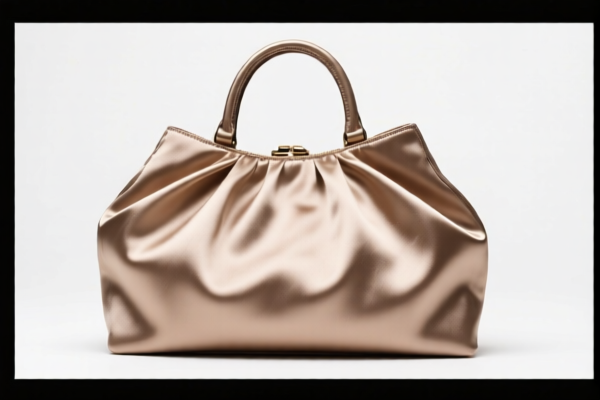
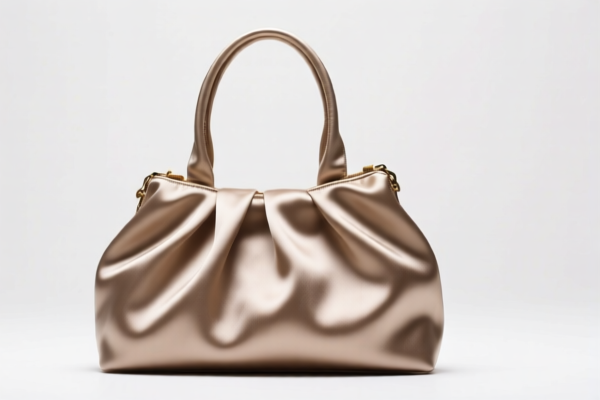
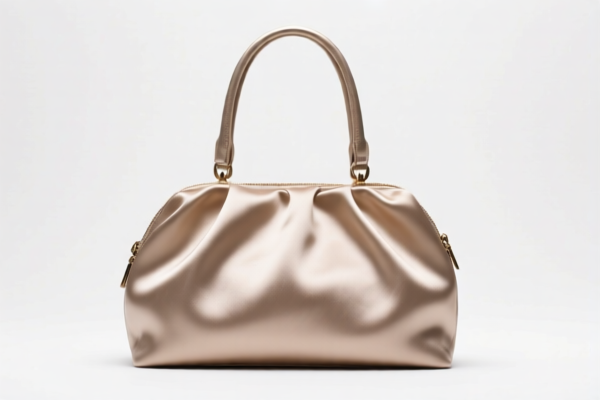
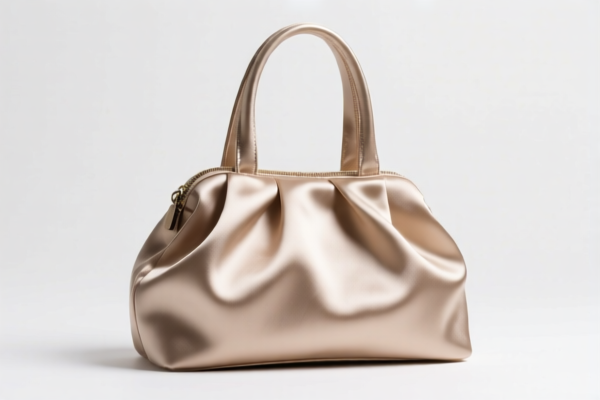
AI Analysis
👜 Silk Handbags (Lace/Textile) – The "Fabric vs. Finished Goods" Trap
🌐 HS Code Reference & Customs Clearance Guide | 2026 Latest Tariff Analysis | Professional Clearance Strategy for Silk Accessories
📌 I. Product Definition & Classification: Is it a "Bag" or "Fabric" in Disguise?
Silk handbags, particularly those with lace detailing or high silk content, are often misclassified due to the ambiguity between finished articles and raw materials. In international trade, the distinction is critical:
- Finished Handbags (Articles of Apparel/Accessories): Pre-cut, sewn, lined, and assembled bags. These fall under Chapter 42 (Articles of Leather; Saddle and Harness...).
- Raw/Material Goods: Silk fabrics, laces, or uncut materials intended for manufacturing. These fall under Chapter 50 (Silk).
⚠️ Key Distinction Point:
- If the product is assembled, sewn, and ready for use as a handbag → It is a Finished Good (Chapter 42 or 63).
- If the product is rolled fabric, bolt of silk, or lace material sold by weight/length → It is a Material (Chapter 50).
- Note: "Silk Lace" handbags are still considered handbags, not "lace material," unless sold as raw lace rolls.
📦 II. HS Code Classification Details (2026 Latest Tariff Authority Comparison)
| HS Code | Product Description | Application Scenario | Classification Logic |
|---|---|---|---|
6307.90.98.91 |
Silk Handbags, Other Made-Up Articles | Generic silk bags, lace-trimmed bags, non-specific silk content | ❌ Under-classified: Often used for low-silk content or general "other made-up textile articles." Lowest tariff but risky if silk content is high. |
5007.90.60.90 |
Silk Fabric Handbags, Core Material Silk Fabric | Bags where the primary declaration is on the silk fabric itself (rare for finished bags) | ❌ Misclassification Risk: This code is for fabric, not bags. If declared here, customs may reclassify to Chapter 42, leading to penalties. |
4202.22.70.00 |
Silk-Lined/Shell Handbags, >85% Silk | High-end silk handbags, luxury items, fully lined with silk | ✅ Standard Classification: Correct for finished bags with high silk content. |
4202.22.40.10 |
Silk Handbags, Textile Material Silk Content | Bags meeting specific textile silk requirements (e.g., 70-85% silk) | ✅ Specific Classification: For bags where silk is the key textile component but may not be >85%. |
4202.22.70.00 |
Custom Silk Handbags, Outer Surface Silk | OEM/ODM custom bags, silk outer shell | ✅ Standard Classification: Same as above; depends on exact silk percentage and construction. |
🔍 Critical Reminder:
- Finished bags MUST be classified under Chapter 42 (4202) or Chapter 63 (6307).
- Do NOT declare finished bags under Chapter 50 (Silk Fabric) unless you are shipping raw fabric.
- The difference between4202.22.70.00and4202.22.40.10often lies in the exact percentage of silk and specific national sub-heading interpretations.
💰 III. 2026 Latest Tariff Rate Breakdown (Including Add-ons, Policy Add-ons)
✅ Applicable Country: United States (US)
✅ Origin: China (CN)
✅ Effective Date: November 10, 2025 (and subsequent imports)
🎯 1. 6307.90.98.91 – Other Made-Up Textile Articles (Low-Silk/General)
| Item | Content |
|---|---|
| Base Rate | 7.0% (ad valorem) |
| Section 301 Add-on | +7.5% (Specific to this sub-heading) |
| Section 122 Add-on | +10% (China-specific) |
| Total Rate | 24.5% |
| Calculation | CIF Value × 24.5% |
| De Minimis Eligibility | ❌ No (Deny de minimis) |
| Legal Path | IEEPA:9903.01.25 → USITC:6307.90.98.91 → FOOTNOTE:Section122 |
📌 Explanation:
- This is the lowest tax burden among the options, but it is only valid if the bag is considered a "general made-up article" and not a specific "handbag" under Chapter 42.
- Risk: If customs determines the item is a "handbag" (Chapter 42), you will face reclassification penalties and owe the difference.
🎯 2. 5007.90.60.90 – Silk Fabric (MISCLASSIFICATION WARNING)
| Item | Content |
|---|---|
| Base Rate | 3.9% |
| Section 301 Add-on | +25.0% (Standard Section 301 for textiles) |
| Section 122 Add-on | +10% |
| Total Rate | 38.9% |
| Calculation | CIF Value × 38.9% |
| De Minimis Eligibility | ❌ No |
| Legal Path | IEEPA:9903.01.25 → USITC:5007.90.60.90 |
📌 WARNING:
- This code is for SILK FABRIC, NOT BAGS.
- If you declare a finished silk handbag under5007.90.60.90, customs may:
1. Accept it at 38.9% (but flag for audit);
2. Reclassify it to4202.22.70.00(42.0%) and issue a penalty for misdeclaration.
- Do not use this code for finished handbags.
🎯 3. 4202.22.70.00 – Silk Handbags (>85% Silk) / Custom Silk Handbags
| Item | Content |
|---|---|
| Base Rate | 7.0% |
| Section 301 Add-on | +25.0% (Standard Section 301 for leather/textile goods) |
| Section 122 Add-on | +10% |
| Total Rate | 42.0% |
| Calculation | CIF Value × 42.0% |
| De Minimis Eligibility | ❌ No |
| Legal Path | IEEPA:9903.01.25 → USITC:4202.22.70.00 |
📌 Explanation:
- This is the correct classification for high-end, fully assembled silk handbags.
- The "25% Section 301" is the standard punitive tariff for textile/leather goods from China.
- Total 42.0% is the realistic, compliant cost for luxury silk handbags.
🎯 4. 4202.22.40.10 – Silk Handbags (Specific Textile Content)
| Item | Content |
|---|---|
| Base Rate | 7.4% |
| Section 301 Add-on | +25.0% |
| Section 122 Add-on | +10% |
| Total Rate | 42.4% |
| Calculation | CIF Value × 42.4% |
| De Minimis Eligibility | ❌ No |
| Legal Path | IEEPA:9903.01.25 → USITC:4202.22.40.10 |
📌 Explanation:
- Slightly higher base rate (7.4% vs 7.0%) due to specific sub-heading nuances.
- Use this if the bag’s silk content does not meet the ">85%" threshold for4202.22.70.00but still qualifies as a silk textile handbag.
🛠️ IV. Customs Clearance Practical Advice (Avoid Pitfalls)
✅ 1. Required Documentation Checklist (Non-Negotiable)
| Document | Must Provide | Description |
|---|---|---|
| ✅ Product Spec Sheet | ✔️ | Include: Material composition (e.g., 100% Silk, Silk-Lace), Dimensions, Liner material. |
| ✅ Photos (Front/Back/Interior) | ✔️ | Show seams, handles, lining, and any labels. Prove it’s a "finished bag." |
| ✅ Commercial Invoice | ✔️ | Clearly state: "Silk Handbag, Finished, Not Raw Fabric." |
| ✅ Origin Certificate (CO) | ✔️ | To confirm China origin (triggers Section 301/122). |
| ✅ Labeling Info | ✔️ | Must include "Made in China" and fiber content. |
✅ 2. Declaration Strategy (Key Mantras)
🔥 "Finished Bag? Chapter 42. Raw Fabric? Chapter 50. Don't Mix!"
| Scenario | Correct Declaration | Incorrect Declaration |
|---|---|---|
| High-End Silk Handbag | 4202.22.70.00 (42.0%) |
6307.90.98.91 (24.5%) → Risk of Penalty |
| Silk Lace Handbag (Assembled) | 4202.22.70.00 |
5007.90.60.90 → Misclassification |
| Raw Silk Fabric Roll | 5007.90.60.90 (38.9%) |
4202.22.70.00 → Wrong Code |
| Generic Fabric Bag (Low Silk) | 6307.90.98.91 (24.5%) |
4202.22.70.00 → Overpaid Tariff |
✅ 3. Special Cases & Handling
| Scenario | Handling Advice |
|---|---|
| Silk + Lace Trim | If silk is the primary material (>50%), classify under Chapter 42. |
| OEM Custom Bags | Provide design drawings and client order. Proves it’s a "finished article." |
| "Lace" Handbags | Even if mostly lace, if assembled as a bag, it’s 4202, not lace fabric (5007). |
| Sample Shipments | No De Minimis exemption. Still subject to 24.5%-42.4% tariffs. |
🌍 V. Global Market Comparison (2026 Latest)
| Country/Region | Recommended HS Code | Tariff | Certification | Remarks |
|---|---|---|---|---|
| 🇺🇸 USA | 4202.22.70.00 |
42.0% | None (but strict labeling) | Section 301 + 122 apply. High cost. |
| 🇨🇳 China | 4202.22.70.00 |
5-10% | None | Import duty only. |
| 🇪🇺 EU | 4202.22.70.00 |
12% | CE (if applicable) | No Section 301/122. |
| 🇬🇧 UK | 4202.22.70.00 |
12% | UKCA | Post-Brexit rules. |
| 🇯🇵 Japan | 4202.22.70.00 |
8% | None | Low tariff. |
📌 Conclusion:
- USA has the highest effective tariff (42.0%) for genuine silk handbags due to Section 301 and 122.
- EU/UK/Japan are more favorable, but you still lose the De Minimis exemption.
- Cost Optimization: If your bag has <50% silk content, consider6307.90.98.91(24.5%) to save 17.5% tariff.
📌 VI. Common Mistakes & Pitfalls (Blood-Test Lessons)
❌ Mistake 1: Declaring a finished silk handbag as 5007.90.60.90 (Silk Fabric)
👉 Consequence: Customs may reject, demand reclassification, and impose penalties for false declaration.
👉 Correct: Use 4202.22.70.00.
❌ Mistake 2: Using 6307.90.98.91 for a high-end luxury silk bag
👉 Consequence: High risk of audits and reclassification to 4202.22.70.00 + back taxes.
👉 Correct: If silk content >85%, use 4202.22.70.00.
❌ Mistake 3: Claiming "De Minimis" exemption for silk handbags
👉 Consequence: Denied. Textile and leather goods from China are explicitly excluded.
👉 Correct: Budget for 24.5%-42.4% tariff in all cases.
✅ Correct Practice:
"Silk Handbag, 100% Silk Lining, Fabric Outer, Assembled, Model XYZ, Made in China"
🎯 VII. Conclusion: Professional Declaration, Cost Savings!
🎯 Remember the Mantra:
🔹 "Finished Bag = Chapter 42. Raw Fabric = Chapter 50. Don't Confuse!"
🔹 "Silk Bag Tariff: 42% (Safe) vs 24.5% (Risky). Check Silk %!"
🔹 "No De Minimis for Silk. Pay Up or Risk Penalties!"
📌 Pro Tip:
If your silk handbag is not made in China (e.g., Vietnam, Italy, France), you can avoid Section 301 and 122 tariffs, reducing the rate to ~7-12%.
Consider supply chain diversification if shipping large volumes to the US.
📣 Immediate Action:
📞 Contact a licensed customs broker + Provide product photos + Apply for Advance Ruling if unsure.
🚀 Clear customs smoothly, avoid penalties, protect your profit margin!
✨ Professional Clearance Starts with Accurate Classification!
💼 Every Dollar of Tariff is Calculated Precision!
Customer Reviews
About HS Code Classification
The Harmonized System (HS) is an internationally standardized nomenclature developed by the World Customs Organization (WCO) to classify traded products. Over 200 countries use the HS system as the basis for customs tariffs, trade statistics, and import/export regulations.
Each HS code follows a hierarchical structure:
- Chapter (2 digits) — Broad category of goods (e.g., Chapter 84: Machinery and Mechanical Appliances)
- Heading (4 digits) — More specific grouping within the chapter
- Subheading (6 digits) — Internationally standardized breakdown, used by all WCO member countries
- National subdivisions (8-10 digits) — Country-specific extensions for further classification, such as US HTSUS 10-digit codes
Correct HS code classification is essential for smooth customs clearance, accurate duty payment, and compliance with trade regulations. Misclassification can lead to customs delays, overpayment of duties, or penalties.
When importing from CN to US, the applicable tariff rates may include:
- Most-Favored-Nation (MFN) rate — The standard duty rate applied to WTO members
- General rate — Applied to countries without trade agreements
- Trade remedy duties — Additional tariffs such as Section 301 (anti-dumping), Section 232 (national security), or countervailing duties
The information provided on this page is for reference purposes only. For official classification, please consult with your local customs authority or a licensed customs broker.