Silk Hiking Backpack
CN → USProduct Images
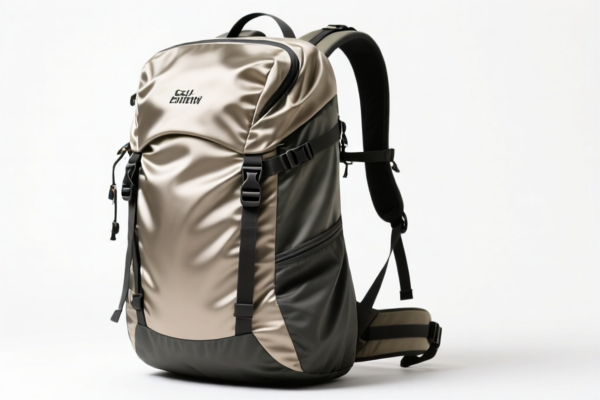
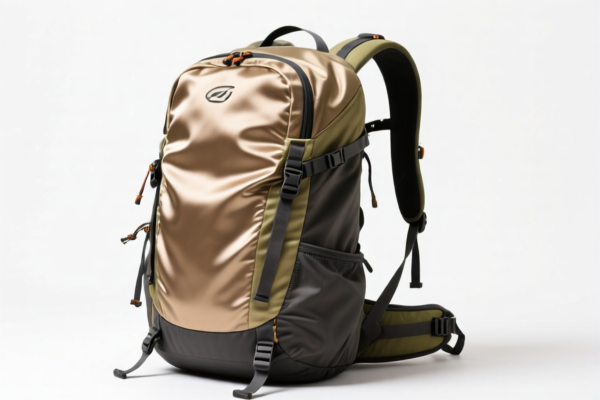
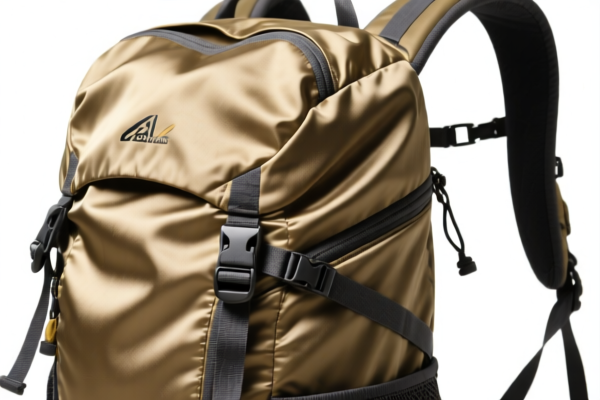
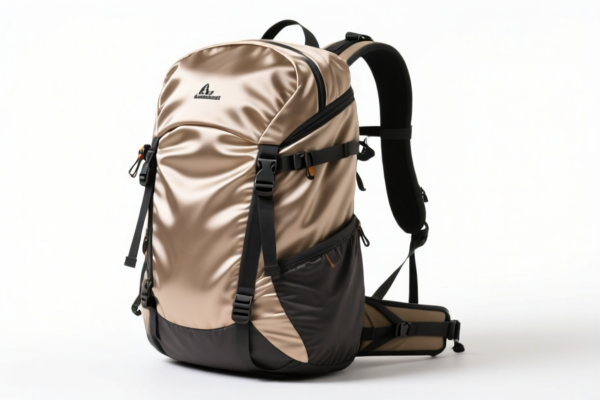
AI Analysis
🎒 Silk Hiking Backpack (Sleek Travel & Leisure Bags)
🌐 HS Code Reference & Clearance Guide | 2026 Latest Tariff Analysis | Professional Customs Strategy
📌 I. Product Definition & Classification: Is Your "Hiking" Bag Really a "Leisure" Bag?
A Silk Hiking Backpack presents a unique classification challenge in international trade. While marketed for "hiking," the material (Silk) and typical form factor determine its HS Code under US Customs regulations.
In customs terminology, "Hiking Backpacks" made of textile materials are often scrutinized to distinguish between: 1. Travel/Luggage Bags (Chapter 42): Finished articles specifically shaped for carrying personal items, often with handles or shoulder straps. 2. Textile Articles (Chapter 50/63): Raw silk fabrics or unfinished goods.
⚠️ Key Classification Point:
- If the bag is a finished article (has lining, zippers, handles/straps, and specific shape) → It falls under Chapter 42 (Articles of Leather; Travel Goods, Handbags...).
- If it is just silk fabric cut but not assembled into a specific bag shape → It falls under Chapter 50 (Silk).
- Crucial Distinction for US Import: Even if called a "Hiking Backpack," if it is made of silk and resembles a handbag, satchel, or briefcase, it is often classified as a Handbag/Leisure Bag, not a general "rucksack" for sporting goods (which might fall elsewhere if made of synthetic materials). Silk luxury goods are heavily taxed.
📦 II. HS Code Classification Details (2026 Latest Authorized Tariff Schedule)
Based on the provided dataset, here are the three potential HS Codes for Silk Bags/Backpacks. Note the significant tax implications.
| HS Code | Product Description | Material/Form Fit | Why This Code? |
|---|---|---|---|
4202.22.40.10 |
Silk Satchel or Handbag with Shoulder Strap | Silk exterior; Shape: Handbag/Shoulder Bag | ✅ Most Likely for fashion-style silk bags. Fits "Satchel/Handbag" category. |
4202.22.70.00 |
Silk Handbag/Bag with Textile Surface | Silk (as textile); Shape: Handbag | ✅ Alternative if deemed a general textile bag. |
5007.90.60.90 |
Silk Leisure Bag (Fabric Classification) | Silk Fabric | ⚠️ Risky. Usually applies to raw silk fabric, not finished bags. Customs may reclassify to Ch 42. |
🔍 Critical Insight:
- Chapter 42 (4202.22) is the correct category for finished bags made of silk.
- Chapter 50 (5007.90) is for silk yarns and fabrics. If you ship a finished backpack, declaring it as5007.90is a misdeclaration risk, leading to penalties or reclassification.
- The term "Hiking" is a marketing term. Customs looks at function and form. A silk bag is rarely durable for rugged hiking, so it’s classified as Leisure/Handbag.
💰 III. 2026 Latest Tariff Rate Breakdown (Including Additional Duties & Policy Surcharges)
✅ Applicable Country: United States (US)
✅ Origin: China (CN)
✅ Effective Date: Post-November 2025 (Includes Section 301 & IEEPA surcharges)
🎯 1. 4202.22.40.10 — Silk Satchel/Handbag (Shoulder Strap)
| Item | Detail |
|---|---|
| Base Duty Rate | 7.4% |
| Section 301 Surcharge | +25.0% (25% on $300B+ Chinese goods) |
| IEEPA Section 122 Surcharge | +10.0% (New tariff on Chinese silk/textile goods) |
| Total Effective Tax Rate | 42.4% |
| Tax Calculation | CIF Value × 42.4% |
| De Minimis Exemption? | ❌ NO (Section 301 and IEEPA taxes cannot be waived under $800 de minimis) |
| Legal Basis Path | USITC:4202.22.40.10 → USITC:Footnote 9903.88.01 → IEEPA:9903.01.24 |
📌 Explanation:
- This is a high-cost import. For a $100 silk backpack, you pay $42.40 in duties alone.
- The 25% Section 301 tax is standard for many Chapter 42 goods from China.
- The 10% IEEPA is a new layer specifically targeting silk/textile items, making silk bags extremely expensive to import duty-free.
🎯 2. 4202.22.70.00 — Silk Handbag (Textile Surface)
| Item | Detail |
|---|---|
| Base Duty Rate | 7.0% |
| Section 301 Surcharge | +25.0% |
| IEEPA Section 122 Surcharge | +10.0% |
| Total Effective Tax Rate | 42.0% |
| Tax Calculation | CIF Value × 42.0% |
| De Minimis Exemption? | ❌ NO |
| Legal Basis Path | USITC:4202.22.70.00 → USITC:Footnote 9903.88.01 → IEEPA:9903.01.24 |
📌 Note:
- Slightly lower base rate (7.0% vs 7.4%) but the surcharges are identical.
- Total rate 42.0% is still very high.
- Use this code if the bag is considered a general "textile bag" rather than a specific "satchel/handbag" structure.
🎯 3. 5007.90.60.90 — Silk Leisure Bag (Fabric Classification)
| Item | Detail |
|---|---|
| Base Duty Rate | 3.9% |
| Section 301 Surcharge | +25.0% |
| IEEPA Section 122 Surcharge | +10.0% |
| Total Effective Tax Rate | 38.9% |
| Tax Calculation | CIF Value × 38.9% |
| De Minimis Exemption? | ❌ NO |
| Legal Basis Path | USITC:5007.90.60.90 → USITC:Footnote 9903.88.01 → IEEPA:9903.01.24 |
📌 Warning:
- While this code has a lower total rate (38.9%), it is incorrect for finished bags.
- If you declare a finished silk backpack as5007.90(raw fabric), Customs may:
1. Reject the entry.
2. Reclassify it to4202.22(higher base duty).
3. Impose penalties for misdeclaration.
- Only use this if you are shipping raw silk fabric rolls, NOT bags.
🛠️ IV. Customs Clearance Practical Advice (Avoid Pitfalls)
✅ 1. Documentation Checklist (Non-Negotiable)
| Document | Required? | Notes |
|---|---|---|
| ✅ Commercial Invoice | ✔️ | Must state: "Silk Leisure Bag," not just "Backpack." |
| ✅ Product Photos | ✔️ | Clear images of the bag’s structure (handles, straps, lining). |
| ✅ Material Composition | ✔️ | Must specify "100% Silk" or "% Silk." Synthetic blends change the code. |
| ✅ Origin Certificate | ✔️ | Proves China origin (triggers 301/IEEPA taxes). |
| ✅ HS Code Justification | ✔️ | Explain why it’s Ch 42 (finished good) and not Ch 50 (fabric). |
✅ 2. Classification Strategy (Key Tips)
| Scenario | Correct Action | Incorrect Action |
|---|---|---|
| Silk Backpack with Handles | Use 4202.22.40.10 or 4202.22.70.00 |
Declare as 5007.90 (Fabric) → Misdeclaration Risk |
| Silk "Hiking" Bag (No Handles) | Still likely 4202 if it has a shape for carrying. |
Declare as "Sporting Equipment" → Wrong Chapter |
| Silk Lining Only | Still 4202 if exterior is silk or textile. |
Declare as "Leather Bag" → False Declaration |
🔥 Golden Rule:
"Silk Bags are Luxury Goods, Not Sportswear."
Even if called "Hiking," if it’s made of silk, it’s treated as a fashion/leisure item (Ch 42), not a durable sporting good. This affects both classification and duty rates.
✅ 3. Cost Optimization Tips
| Strategy | Impact |
|---|---|
| Pre-Ruling (Advance Ruling) | Apply for an Advance Ruling from CBP to confirm 4202.22 vs 5007.90. Avoids penalties. |
| De Minimis Trap | Remember: $800 de minimis exemption does NOT apply to goods subject to Section 301 or IEEPA taxes. Even small shipments pay ~42% tax. |
| Supply Chain Diversification | Consider sourcing from Vietnam, India, or Italy to avoid China-specific 301/122 tariffs. |
| Bonded Warehouses | Use a US Customs Bonded Warehouse to delay tax payment until the bag is sold domestically. |
🌍 V. Global Market Comparison (2026)
| Country/Region | Recommended HS Code | Total Tax (China Origin) | Notes |
|---|---|---|---|
| 🇺🇸 USA | 4202.22.40.10 |
42.4% | Highest tax due to 301 + IEEPA 122. |
| 🇪🇺 EU | 4202.22.40 |
~8-12% | No Section 301. Standard EU tariff. |
| 🇨🇳 China (Import) | 4202.22.40 |
~5-10% | Lower import duty if importing into China. |
| 🇬🇧 UK | 4202.22.40 |
~12-15% | Post-Brexit tariff structure applies. |
📌 Conclusion:
The US is the most expensive market for silk bags from China. If your target market is the US, consider rebranding or shifting production to a non-China origin to save 42% in duties.
📌 VI. Common Mistakes & Pitfalls (Lessons Learned)
❌ Mistake 1: Declaring a silk bag as "Sporting Goods" (e.g., 6307.90) to avoid Ch 42 duties.
👉 Result: Customs reclassifies to 4202.22, adds back duties + penalties.
❌ Mistake 2: Using 5007.90 (Silk Fabric) for finished bags to get a lower rate (38.9%).
👉 Result: Entry rejected. Misdeclaration. Goods held for months.
❌ Mistake 3: Assuming "Hiking" implies durability and lower duty.
👉 Result: Silk is not durable for hiking. Customs sees it as a fashion item, not utility gear.
✅ Best Practice:
"Be Honest, Be Precise: 'Silk Handbag' or 'Silk Satchel' is better than 'Silk Hiking Backpack' for classification purposes."
🎯 VII. Conclusion: Professional Clearance, Minimized Cost, Maximized Profit
🎯 Remember:
🔹 "Silk Bags = Ch 42 (Luxury/Leisure)"
🔹 "China Origin = 42%+ Tax in the US"
🔹 "No De Minimis for Section 301/IEEPA"
📌 Pro Tip:
If your silk backpacks are valued under $800, you still pay 42% tax. There is no exemption.
For high-volume shipments, consider using a Free Trade Zone (FTZ) or re-routing through a third country (e.g., Vietnam) if possible, though rules of origin must be strictly met.
📣 Immediate Action:
📞 Consult a Customs Broker to file an Advance Ruling for your specific bag design.
🚀 Evaluate Supply Chain: Can you source silk from non-China origins to avoid the 35% surcharge?
✨ Precision in Classification Saves Thousands!
💼 Your Silk Backpack’s Success Depends on the First Line of Its Customs Entry.
Customer Reviews
About HS Code Classification
The Harmonized System (HS) is an internationally standardized nomenclature developed by the World Customs Organization (WCO) to classify traded products. Over 200 countries use the HS system as the basis for customs tariffs, trade statistics, and import/export regulations.
Each HS code follows a hierarchical structure:
- Chapter (2 digits) — Broad category of goods (e.g., Chapter 84: Machinery and Mechanical Appliances)
- Heading (4 digits) — More specific grouping within the chapter
- Subheading (6 digits) — Internationally standardized breakdown, used by all WCO member countries
- National subdivisions (8-10 digits) — Country-specific extensions for further classification, such as US HTSUS 10-digit codes
Correct HS code classification is essential for smooth customs clearance, accurate duty payment, and compliance with trade regulations. Misclassification can lead to customs delays, overpayment of duties, or penalties.
When importing from CN to US, the applicable tariff rates may include:
- Most-Favored-Nation (MFN) rate — The standard duty rate applied to WTO members
- General rate — Applied to countries without trade agreements
- Trade remedy duties — Additional tariffs such as Section 301 (anti-dumping), Section 232 (national security), or countervailing duties
The information provided on this page is for reference purposes only. For official classification, please consult with your local customs authority or a licensed customs broker.