Silk Powder Box
CN → US| HS Code | Tariff Rate | Origin | Destination | Doc |
|---|---|---|---|---|
| 7326903500 | 92.8% | CN | US | Official Doc |
| 8306300000 | 87.7% | CN | US | Official Doc |
| 3926904510 | 38.5% | CN | US | Official Doc |
| 3926400090 | 15.3% | CN | US | Official Doc |
| 7326908688 | 87.9% | CN | US | Official Doc |
Product Images
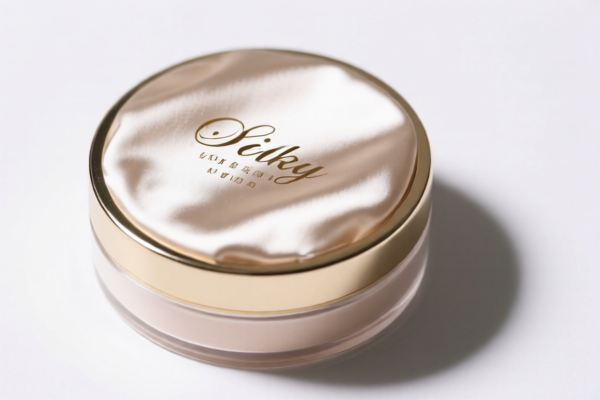
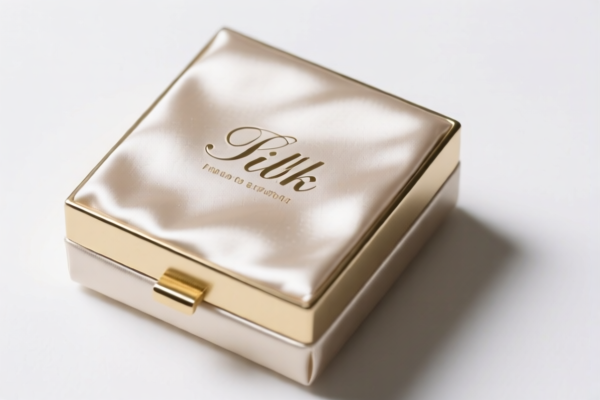
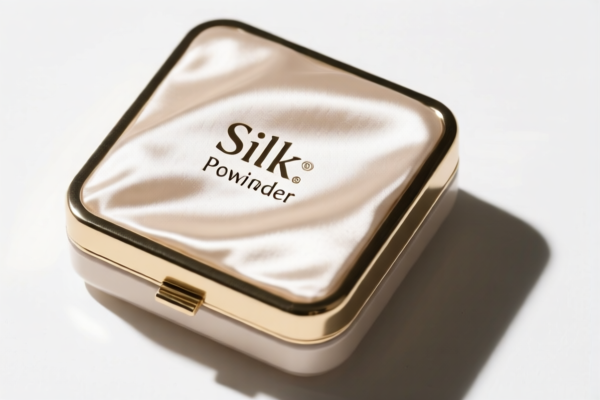
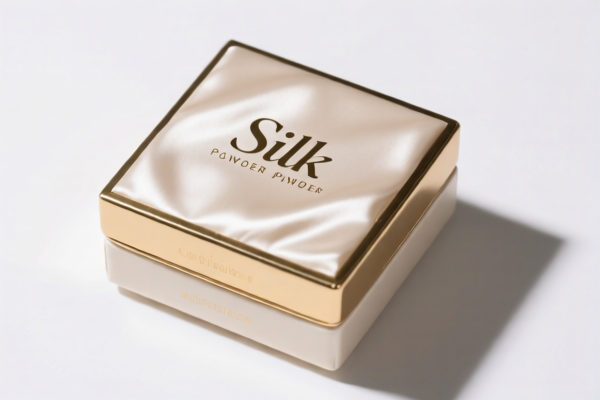
AI Analysis
💄 Silk Powder Box (Compacts)
🌐 HS Code Reference & Customs Clearance Guide | 2026 Latest Tariff Analysis | Professional Entry Strategy
📌 I. Product Definition & Classification: Do You Really Know "Silk Powder Box"?
A "Silk Powder Box" is a handheld cosmetic container, primarily used for storing pressed powder, blush, or bronzer. In international trade, it is classified based on its material composition and function. Despite the name "Silk," which often refers to the texture, packaging style, or a decorative pattern, the actual material of the box determines the HS Code.
There are two primary material paths: 1. Plastic Compacts: The vast majority of modern powder boxes. 2. Metal/Iron Compacts: Higher-end or vintage-style cases.
⚠️ Key Distinction Point:
- If the main body is Plastic → Classify under Chapter 39 (Plastics)
- If the main body is Metal (Iron/Steel) → Classify under Chapter 73 (Articles of Iron or Steel)
- Note: "Silk" is a marketing term, not a material classification. Do not use HS codes for "Textiles" unless the box itself is made of fabric-lined wood or similar (which is rare for standard compacts).
📦 II. HS Code Classification Details (2026 Latest Tariff Authority Comparison)
The provided data indicates four distinct classifications based on material and specific sub-categories. Below is the detailed breakdown.
| HS Code | Product Description | Material Inference | Applicable Scenario |
|---|---|---|---|
3926.90.45.10 |
Other articles of plastic | Plastic | Standard plastic powder compacts, consumer goods |
3926.40.00.90 |
Other ornaments and articles of plastic | Plastic | Plastic powder boxes categorized as "ornaments" or general daily use |
7326.90.35.00 |
Other articles of iron or steel | Metal (Iron/Steel) | Metal powder compacts, rigid cases |
7326.90.86.88 |
Other articles of iron or steel (misc) | Metal or Plastic? | Container/shell type; generic "other articles" classification |
🔍 Key Reminder:
- The term "Silk" does not trigger a textile classification.
- Plastic options (3926...) generally have significantly lower tariffs than Metal options (7326...).
-7326.90.86.88is a ambiguous "catch-all" code in the provided data, implying potential for higher scrutiny or mixed material interpretations.
💰 III. 2026 Latest Tariff Rate Breakdown (Including Surcharges & Policy Add-ons)
✅ Applicable Country: USA (US)
✅ Origin: China (CN) (Implied by the specific tariff structures: Section 301 + Section 122/Steel-Aluminum)
✅ Effective Time: Current 2025/2026 Import Regulations
🎯 1. 3926.90.45.10 —— Plastic Powder Box (Consumer Goods)
| Item | Content |
|---|---|
| Base Tariff | 3.5% |
| Section 301 Surcharge | +25.0% |
| Other Surcharges | None specified for plastic in this code |
| Total Effective Rate | 38.5% |
| Tax Calculation | CIF Value × 38.5% |
| Legal Basis | Standard Chapter 39 + USITC Footnote 301 |
📌 Explanation:
- This is the most cost-effective option for plastic compacts.
- The 25% surcharge is the standard USITC Section 301 tariff on Chinese plastics.
- No additional "Section 122" (Steel/Aluminum) tax applies here.
🎯 2. 3926.40.00.90 —— Plastic Ornament/Accessory (Plastic)
| Item | Content |
|---|---|
| Base Tariff | 5.3% |
| Section 301 Surcharge | 0.0% |
| Other Surcharges | None specified |
| Total Effective Rate | 15.3% |
| Tax Calculation | CIF Value × 15.3% |
| Legal Basis | USITC Footnote specific to this subheading |
📌 CRITICAL INSIGHT:
- This is the LOWEST TARIFF OPTION in the dataset.
- The 301 surcharge is explicitly listed as 0.0% for this code.
- Classification as "Other ornaments" rather than general "plastic articles" triggers this preferential treatment.
- Strategy: If the box is designed decoratively, argue for this classification to save ~23% in taxes compared to standard plastic codes.
🎯 3. 7326.90.35.00 —— Metal Powder Box (Iron/Steel Container)
| Item | Content |
|---|---|
| Base Tariff | 7.8% |
| Section 301 Surcharge | +25.0% |
| Section 122 Surcharge | +50% (Steel/Aluminum/Copper Products) |
| Total Effective Rate | 92.8% |
| Tax Calculation | CIF Value × 92.8% |
| Legal Basis | IEEPA:9903.01.24 → USITC:7326.90.35.00 → SECTION 122: Steel |
📌 WARNING:
- This is an EXTREMELY HIGH tariff category.
- The 50% Section 122 tariff applies because the item is inferred as Steel/Iron.
- Total tax of 92.8% makes metal compacts financially unviable for mass import unless heavily subsidized or priced for luxury niches.
🎯 4. 8306.30.00.00 —— Metal Ornament/Accessory (Decorative Metal)
| Item | Content |
|---|---|
| Base Tariff | 2.7% |
| Section 301 Surcharge | +25.0% |
| Section 122 Surcharge | +50% (Steel/Aluminum/Copper Products) |
| Total Effective Rate | 87.7% |
| Tax Calculation | CIF Value × 87.7% |
| Legal Basis | Chapter 83 (Miscellaneous Metal Articles) + Section 122 |
📌 WARNING:
- Even though the base tariff is low (2.7%), the 50% Section 122 surcharge dominates.
- Classified as a "small metal ornament," but still subject to steel tariffs.
- Total 87.7% is slightly better than7326...but still prohibitively high for most retailers.
🎯 5. 7326.90.86.88 —— Other Metal/Plastic Container (Misc)
| Item | Content |
|---|---|
| Base Tariff | 2.9% |
| Section 301 Surcharge | +25.0% |
| Section 122 Surcharge | +50% (Steel/Aluminum/Copper Products) |
| Total Effective Rate | 87.9% |
| Tax Calculation | CIF Value × 87.9% |
| Legal Basis | Mixed/Miscellaneous Article + Section 122 |
📌 Note:
- Despite the description mentioning "Plastic or Metal," the tariff calculation includes the 50% Steel surcharge.
- This implies Customs is treating it as a metal article or mixed article where metal dominates the value/nature.
- Avoid this code if you can classify as Plastic.
🛠️ IV. Customs Clearance Practical Advice (Battle-Tested Pitfall Avoidance)
✅ 1. Material Declaration Strategy
| Material | Recommended HS Code | Tariff Risk | Declaration Tip |
|---|---|---|---|
| Plastic | 3926.40.00.90 |
LOW (15.3%) | Explicitly state "100% Plastic Compact". Avoid words like "Metallic Finish" in the primary description unless backed by proof. |
| Plastic | 3926.90.45.10 |
MED (38.5%) | Use if the box is purely functional with no ornamental features. |
| Metal | 7326... / 8306... |
HIGH (87-92%) | Only import if luxury margin allows. Must declare "Iron/Steel". Expect heavy scrutiny on Section 122. |
🔥 Golden Rule:
"Plastic saves 70% tax. Metal kills profit."
If your "Silk Powder Box" has a plastic body with a metallic print/foil, it is likely classified as Plastic. Ensure the base material is plastic.
✅ 2. Documentation Checklist (Must-Haves)
| Document | Required? | Purpose |
|---|---|---|
| ✅ Product Spec Sheet | ✔️ | Must list Main Material (e.g., "PP Plastic Case, Mirror, Sponge") |
| ✅ Photos (Open/Closed) | ✔️ | Show hinges, mirror, and compartment. Confirm no solid metal casing. |
| ✅ Material Composition Statement | ✔️ | Explicitly state: "Main body is Polypropylene (Plastic). Decorative foil is <1% weight." |
| ✅ Commercial Invoice | ✔️ | Description: "Plastic Cosmetic Compact for Powder, Model XYZ" |
| ✅ Origin Certificate | ✔️ | If applicable, to prove non-Chinese origin (if sourced elsewhere to avoid 301/122). |
✅ 3. Special Handling & Pitfalls
| Scenario | Advice |
|---|---|
| "Silk" Pattern/Foil | Do not declare as "Textile" or "Metal" if it's just a print. Argue for Plastic (Chapter 39). |
| Mixed Material (Plastic + Metal Hinge) | If metal components are <5% by weight/value, still classify as Plastic. If metal hinge is structural, risk Section 122. |
| Luxury Metal Case | If truly metal, accept 87-92% tax. Consider Section 321 de minimis if shipping individual samples < $800 (check current limits). |
Avoid 7326.90.86.88 |
This code has conflicting descriptions (Plastic/Metal) but applies high steel tariffs. Use it only if legally required and tax is acceptable. |
🌍 V. Global Market Comparison (2026)
| Market | Best HS Code for Plastic | Tariff (China Origin) | Key Certifications |
|---|---|---|---|
| 🇺🇸 USA | 3926.40.00.90 |
15.3% | FDA (if food contact, unlikely), Prop 65 |
| 🇪🇺 EU | 3926.90.90 |
~4-6% | REACH, CPNP Notification |
| 🇨🇳 China | 3926.90.90 |
~5-9.5% | CCC (if electrical, unlikely) |
| 🇬🇧 UK | 3926.90.90 |
~4-6% | UKCA, CPNP |
📌 US Specific Note:
The 15.3% rate for3926.40.00.90is a strategic advantage. The 92.8% rate for metal is a strategic risk.
Recommendation: Switch supply chain to Plastic compacts to avoid Section 301 + Section 122 double jeopardy.
📌 VI. Common Mistakes & Blood-Crying Lessons
❌ Mistake 1: Declaring a plastic box as "Metal Compact" because it has a shiny finish.
👉 Consequence: 92.8% tax instead of 15.3%. Loss of 77.5% profit margin.
❌ Mistake 2: Using "Silk" in the HS Code description.
👉 Consequence: Customs may classify under Textiles (Chapter 61/62), which has different, potentially higher tariffs or quota restrictions.
❌ Mistake 3: Ignoring Section 122.
👉 Consequence: Metal items are subject to a 50% surcharge. Always verify if the item is "Steel/Iron."
❌ Mistake 4: Splitting a plastic compact into "Mirror" (Glass) + "Case" (Plastic).
👉 Consequence: Higher combined tax and complexity. Declare as One Unit.
✅ Correct Declaration Example:
"Plastic Cosmetic Powder Compact, with Mirror and Sponge, Model ABC. Main Material: Polypropylene. Decorative Foil Finish."
🎯 VII. Conclusion: Precision Classification for Maximum Profit
🎯 Remember the Mantra:
🔹 "Plastic is King (15-38%). Metal is Death (87-92%). Silk is a Print, Not a Material!"
🔹 "Check the 301 and 122 Footnotes. If you see Steel, Run."
🔹 "Use3926.40.00.90if you can, to unlock the 0% surcharge privilege."
📌 Pro Tip:
If your supplier insists on Metal for aesthetic reasons, calculate the Landed Cost including 92.8% tax.
If the margin is thin, switch to Plastic with a Metallic Foil Print. The visual difference is negligible to consumers, but the tax difference is 77.5%.
📣 Immediate Action:
📞 Contact your broker to confirm if your specific "Silk" design qualifies as Plastic (Ch 39).
📝 Update your invoices to emphasize "Plastic Composition."
🚀 Save 70%+ in taxes. Let your beauty brand shine, not your tax bill.
✨ Smart Customs Starts with Smart Classification!
💼 Your Cost Savings Are Calculated in HS Codes!
Customer Reviews
About HS Code Classification
The Harmonized System (HS) is an internationally standardized nomenclature developed by the World Customs Organization (WCO) to classify traded products. Over 200 countries use the HS system as the basis for customs tariffs, trade statistics, and import/export regulations.
Each HS code follows a hierarchical structure:
- Chapter (2 digits) — Broad category of goods (e.g., Chapter 84: Machinery and Mechanical Appliances)
- Heading (4 digits) — More specific grouping within the chapter
- Subheading (6 digits) — Internationally standardized breakdown, used by all WCO member countries
- National subdivisions (8-10 digits) — Country-specific extensions for further classification, such as US HTSUS 10-digit codes
Correct HS code classification is essential for smooth customs clearance, accurate duty payment, and compliance with trade regulations. Misclassification can lead to customs delays, overpayment of duties, or penalties.
When importing from CN to US, the applicable tariff rates may include:
- Most-Favored-Nation (MFN) rate — The standard duty rate applied to WTO members
- General rate — Applied to countries without trade agreements
- Trade remedy duties — Additional tariffs such as Section 301 (anti-dumping), Section 232 (national security), or countervailing duties
The information provided on this page is for reference purposes only. For official classification, please consult with your local customs authority or a licensed customs broker.