Silk Steel Leather Spring
CN → US| HS Code | Tariff Rate | Origin | Destination | Doc |
|---|---|---|---|---|
| 732090 | 0.0% | CN | US | Official Doc |
| 500600 | 0.0% | CN | US | Official Doc |
| 7326190080 | 87.9% | CN | US | Official Doc |
| 7326908688 | 87.9% | CN | US | Official Doc |
Product Images
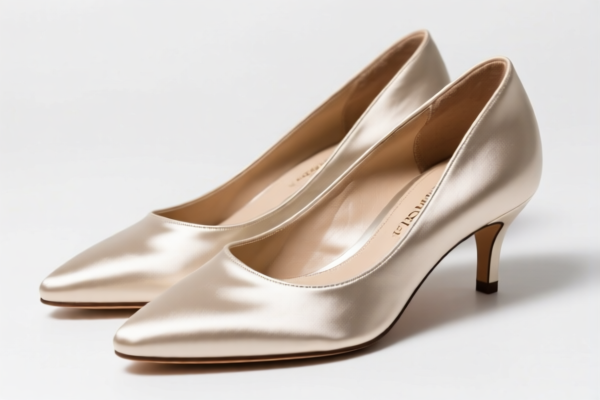
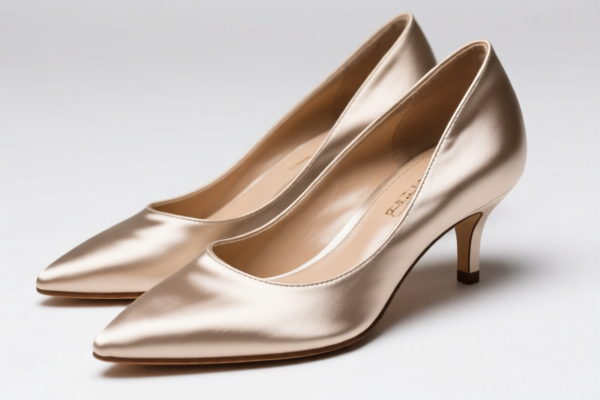
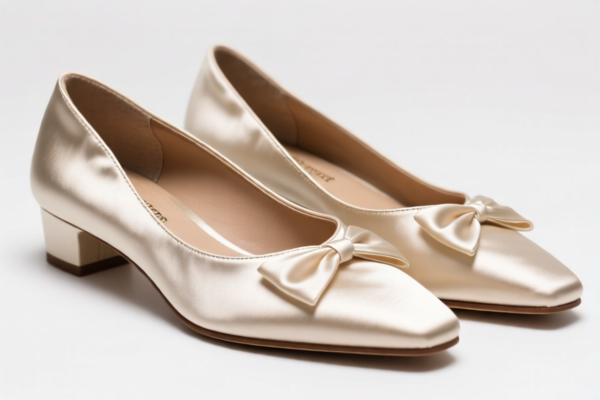
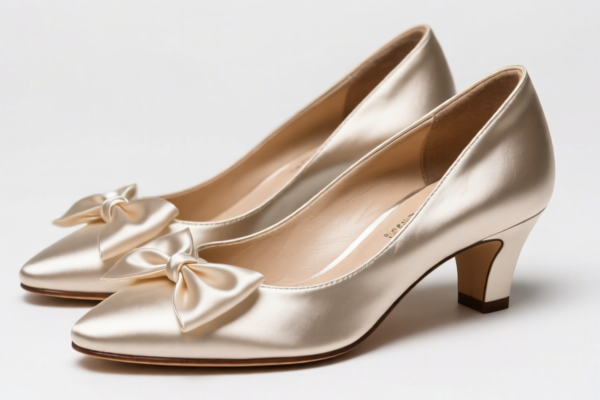
AI Analysis
🧵 Iron & Steel Articles: Forged, Stamped, Springs & Silk Yarn
🌐 HS Code Reference & Customs Clearance Guide | 2026 Latest Tariff Analysis | Professional Strategy 📌 I. Product Definition & Classification: Decoding the "Silk, Steel, Leather, Spring" Mix
This query involves a mix of raw materials and semi-finished goods. In international trade, HS Codes are product-specific, not material-aggregated. "Leather" and "Silk" here likely refer to the material composition or surface treatment of the steel articles, or separate commodities. Below is the precise breakdown for each distinct category mentioned.
⚠️ Key Distinction: - "Steel Articles" (Forged/Stamped vs. Other): Depends on whether they are only shaped (forged/stamped) or further worked (drilled, threaded, assembled). - "Springs": Must be specifically designed for elastic recovery. If not, they fall under general steel articles. - "Silk": If mixed with steel, it’s usually a textile item. If referring to "silk-finish" steel, it stays in steel codes.
📦 II. HS Code Classification Matrix (2026 Latest Tariff Reference)
| HS Code | Product Description | Scenario / Application | Worked Status |
|---|---|---|---|
| 7326.19.00.80 | Other articles of iron or steel: Forged or stamped, but not further worked | Simple brackets, stamped plates, basic metal casings (no drilling/threading) | ✅ Only Forged/Stamped |
| 7326.90.86.88 | Other articles of iron or steel: Other | Complex assemblies, welded structures, or items "not further worked" but not forged/stamped (e.g., cast or machined) | ✅ Further Worked / Cast / Other |
| 7320.90 | Springs and leaves thereof, of iron or steel | Car suspensions, mattress springs, industrial shock absorbers | ✅ Elastic Function |
| 5006.00 | Silk yarn and waste silk | Textile raw material, sewing thread, fabric yarn | ✅ Textile |
🔍 Critical Note on "Leather": - There is no HS Code for "Steel with Leather". If steel is wrapped in leather (e.g., handles, straps), it is usually classified by the primary function: - If it’s a tool handle → Chapter 82 or 84. - If it’s a fashion accessory → Chapter 42 (Leather goods). - Assumption: The user’s data excludes leather-specific codes, implying the focus is on Steel and Springs and Silk as separate lines.
💰 III. 2026 Latest Tariff Rate Breakdown (US Market Focus)
✅ Applicable Country: United States (US) ✅ Origin: China (CN) ✅ Effective Date: Post-2025 Trade Policies (Section 301 + IEEPA)
🎯 1. 7326.19.00.80 — Forged or Stamped Steel Articles (Not Further Worked)
| Item | Detail |
|---|---|
| Base Tariff | 2.9% |
| Section 301 Tariff | 25.0% |
| Steel/Aluminum/Products Surcharge | 50.0% |
| Total Tax Rate | 77.9% |
| Tax Calculation | CIF Value × 77.9% |
| De Minimis Exemption | ❌ Denied (Section 301 goods ineligible for $800 exemption) |
| Legal Basis | USITC:7326.19.00.80 → Footnote:301 + IEEPA Steel Surcharge |
📌 Explanation: - This code applies to simple metal parts that are only stamped or forged. - High Penalty: Due to the 50% steel surcharge (new policy for certain steel articles) + 25% Section 301 + 2.9% base, the total burden is severe. - Risk: If customs determine the item is further worked (e.g., drilled holes), it will be reclassified to
7326.90, still subject to similar rates but with different scrutiny.
🎯 2. 7326.90.86.88 — Other Steel Articles (Further Worked/Complex)
| Item | Detail |
|---|---|
| Base Tariff | 2.9% |
| Section 301 Tariff | 25.0% |
| Steel/Aluminum/Products Surcharge | 50.0% |
| Total Tax Rate | 77.9% |
| Tax Calculation | CIF Value × 77.9% |
| De Minimis Exemption | ❌ Denied |
| Legal Basis | USITC:7326.90.86.88 → Footnote:301 + IEEPA Steel Surcharge |
📌 Explanation: - This is the catch-all for steel articles not covered in 7326.19. - Common Items: Welded frames, complex assemblies, steel parts with additional machining. - Key Difference: Unlike
7326.19, these items may have undergone drilling, tapping, or assembly, making them "further worked."
🎯 3. 7320.90 — Springs of Iron or Steel
| Item | Detail |
|---|---|
| Base Tariff | Failed to Retrieve |
| Total Tax Rate | Error |
| Tax Calculation | N/A (Pending Verification) |
| De Minimis Exemption | ❓ Unclear (Springs may be subject to Section 301 if listed in exclusions) |
| Legal Basis | USITC:7320.90 |
📌 Critical Warning: - Spring-Specific Tariffs: Springs are often excluded from the general "steel article" surcharge if they are considered "specialized machinery parts." - Action Required: You MUST verify if
7320.90is exempt from the 50% steel surcharge. Historically, some springs have lower rates, but recent policies vary. - Recommendation: Apply for a Pre-Ruling to confirm if springs qualify for the steel surcharge exemption.
🎯 4. 5006.00 — Silk Yarn and Waste Silk
| Item | Detail |
|---|---|
| Base Tariff | Failed to Retrieve |
| Total Tax Rate | Error |
| Tax Calculation | N/A (Pending Verification) |
| De Minimis Exemption | ✅ Likely Eligible (Textiles often have different rules) |
| Legal Basis | USITC:5006.00 |
📌 Critical Warning: - Silk is NOT Steel: This is a textile item. It is not subject to the 50% steel surcharge or Section 301 steel tariffs. - Textile Rules Apply: Check Chapter 50 specific rates. Silk often has high base tariffs but no steel-related penalties. - Misclassification Risk: Do NOT declare silk as "steel accessory." It will trigger incorrect high tariffs and potential fraud investigations.
🛠️ IV. Customs Clearance Practical Advice (Pitfall Avoidance Guide)
✅ 1. Documentation Checklist (Mandatory)
| Document | Required? | Note |
|---|---|---|
| ✅ Product Specification | ✔️ | Must clearly state: "Forged Steel," "Spring," or "Silk Yarn" |
| ✅ Material Declaration | ✔️ | Explicitly state: "100% Steel," "100% Silk," etc. |
| ✅ Technical Drawing | ✔️ | For 7326.19 vs 7326.90: Show if parts are only stamped or further worked |
| ✅ Spring Test Report | ✔️ | For 7320.90: Prove elastic recovery property |
| ✅ Commercial Invoice | ✔️ | Separate invoices for Steel and Silk are recommended to avoid cross-contamination of tariffs |
✅ 2. Declaration Strategy (Key Rules)
🔥 "Steel is Heavy, Silk is Light, Springs are Special!"
| Scenario | Correct HS Code | Wrong Code | Consequence |
|---|---|---|---|
| Stamped Metal Bracket | 7326.19.00.80 |
7326.90.86.88 |
Over-complexity, potential audit |
| Welded Steel Frame | 7326.90.86.88 |
7326.19.00.80 |
Under-declaration → Fine + Back Taxes |
| Car Suspension Spring | 7320.90 |
7326.90.86.88 |
Misclassification → Possible exemption loss |
| Silk Thread Spool | 5006.00 |
7326.xx |
Severe Error → Steel tariffs applied to textiles! |
✅ 3. Special Handling for "Silk-Steel" Mix
- If Steel is Coated with Silk (Rare): This is a composite good. Classify by essential character.
- If the steel provides the structure → Steel Code.
- If the silk is decorative → Silk Code.
- If Leather is on Steel Handles:
- Do NOT use
7326codes. - Use Chapter 82 (Tools) or Chapter 42 (Leather Goods) if the leather is the primary value.
🌍 V. Global Market Comparison (2026)
| Region | Recommended HS Code | Tariff (China Origin) | Key Requirement |
|---|---|---|---|
| 🇺🇸 USA | 7326.19.00.80 / 7326.90.86.88 |
77.9% (Steel) | No De Minimis. Must prove "Not Further Worked" for lower base. |
| 🇺🇸 USA | 5006.00 (Silk) |
Low/Varies | Textile rules. No Steel Penalty. |
| 🇪🇺 EU | 7326.19 |
~2.9% + VAT | No Section 301. Lower burden. |
| 🇨🇳 China | 7326.19 |
~6% | Import duty. No steel surcharge. |
📌 Conclusion: - US Market is High Risk for steel articles due to 77.9% total tax. - Silk is Safe from steel penalties but must be declared separately. - Springs Need Verification: Confirm exemption from steel surcharge.
📌 VI. Common Mistakes & Pitfalls (Blood & Tears)
❌ Mistake 1: Declaring Springs as 7326.90 (General Steel)
👉 Result: Missed potential exemption. Springs (7320.90) may have different rates or exemptions.
❌ Mistake 2: Declaring Silk Yarn as 7326.19 (Steel) because it’s "packaged in steel containers"
👉 Result: 77.9% Tariff applied to silk. Massive Overpayment.
❌ Mistake 3: Claiming "Forged" for a Machined part to avoid "Further Worked" scrutiny
👉 Result: Customs audit. If drilling/tapping is found, reclassification to 7326.90 + penalties.
✅ Correct Practice:
"Forged Steel Bracket, No Drilling, Model XYZ" →
7326.19.00.80
"Silk Yarn 100% Mulberry, Spool 500m" →5006.00
"Car Suspension Spring, Steel, Model ABC" →7320.90(Verify Rate)
🎯 VII. Conclusion: Precision Saves Money!
🎯 Remember the Rules:
🔹 "Steel Stamped: 77.9% | Silk is Separate | Springs Check Exemptions"
🔹 "Don't Mix Materials! Declaring Silk as Steel is Costly!"
🔹 "Forged vs. Further Worked Determines the Sub-Code!"
📌 Pro Tip:
- For Steel Articles: Apply for a Customs Ruling to confirm if the 50% surcharge applies to your specific item type.
- For Silk: Ensure you have Origin Certificates to qualify for any textile-specific free trade agreements (e.g., if applicable).
- For Springs: Provide Technical Data Sheets to prove they are "Springs" and not just "Steel Rods."
📣 Immediate Action:
📞 Consult a Licensed Customs Broker to verify the
7320.90and5006.00current rates.
🚀 Separate Invoices for Steel and Silk to simplify clearance and avoid cross-charge errors.
✨ Smart Classification, Lower Tariffs, Smooth Clearance!
💼 Every HS Code Detail Counts!
Customer Reviews
About HS Code Classification
The Harmonized System (HS) is an internationally standardized nomenclature developed by the World Customs Organization (WCO) to classify traded products. Over 200 countries use the HS system as the basis for customs tariffs, trade statistics, and import/export regulations.
Each HS code follows a hierarchical structure:
- Chapter (2 digits) — Broad category of goods (e.g., Chapter 84: Machinery and Mechanical Appliances)
- Heading (4 digits) — More specific grouping within the chapter
- Subheading (6 digits) — Internationally standardized breakdown, used by all WCO member countries
- National subdivisions (8-10 digits) — Country-specific extensions for further classification, such as US HTSUS 10-digit codes
Correct HS code classification is essential for smooth customs clearance, accurate duty payment, and compliance with trade regulations. Misclassification can lead to customs delays, overpayment of duties, or penalties.
When importing from CN to US, the applicable tariff rates may include:
- Most-Favored-Nation (MFN) rate — The standard duty rate applied to WTO members
- General rate — Applied to countries without trade agreements
- Trade remedy duties — Additional tariffs such as Section 301 (anti-dumping), Section 232 (national security), or countervailing duties
The information provided on this page is for reference purposes only. For official classification, please consult with your local customs authority or a licensed customs broker.