Silver Dispensing Bottle
CN → US| HS Code | Tariff Rate | Origin | Destination | Doc |
|---|---|---|---|---|
| 7310290055 | 85.0% | CN | US | Official Doc |
| 7310290020 | 85.0% | CN | US | Official Doc |
| 7013995010 | 40.0% | CN | US | Official Doc |
| 3924905650 | 20.9% | CN | US | Official Doc |
| 3924104000 | 13.4% | CN | US | Official Doc |
Product Images
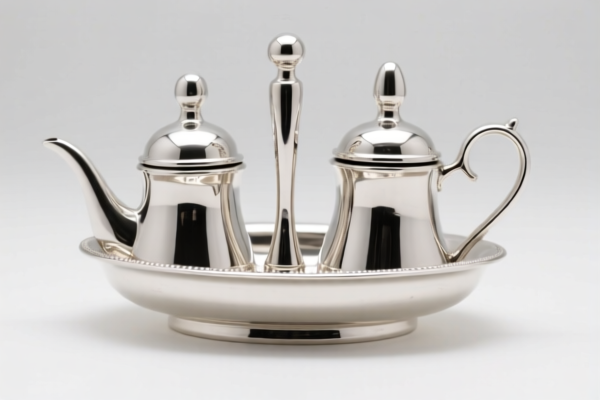
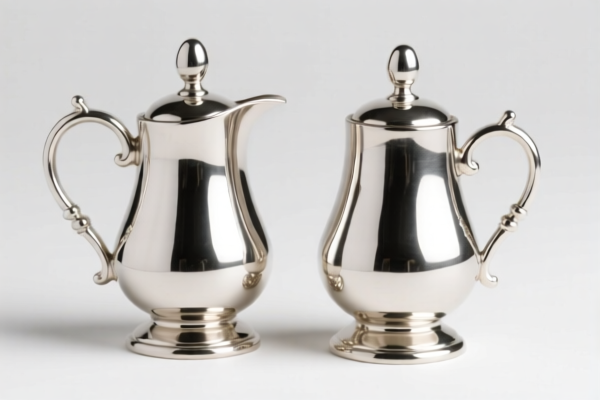
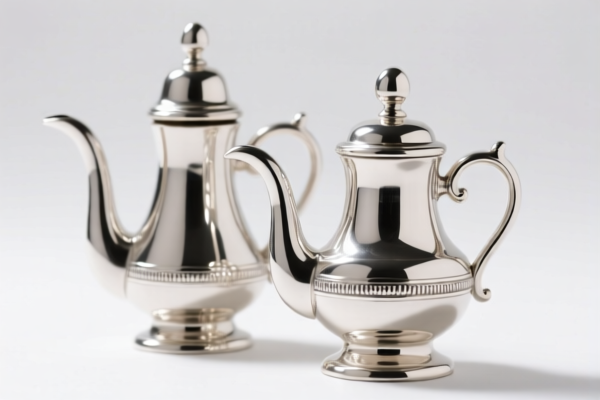
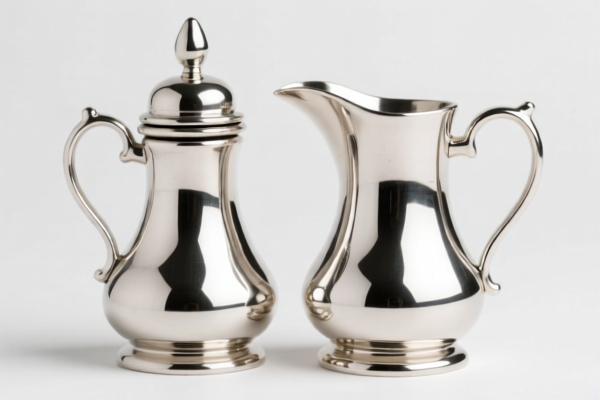
AI Analysis
🍾 Silver Dispensing Bottle: HS Code Classification & 2026 Customs Clearance Guide
🌐 HS Code Reference & Clearance Guide | 2026 Latest Tariff Analysis | Professional Compliance Strategy
📌 I. Product Definition & Classification: Do You Really Understand the "Silver Dispensing Bottle"?
The "Silver Dispensing Bottle" is a versatile container used for storing and dispensing liquids or semi-liquids (such as cosmetics, pharmaceuticals, or industrial chemicals). In international trade, its classification hinges critically on its material composition and intended use.
⚠️ Key Distinction Point:
- Is it made of Metal (Steel/Iron)? → Look at Chapter 73.
- Is it made of Glass? → Look at Chapter 70.
- Is it made of Plastic? → Look at Chapter 39.
Misclassification leads to severe tariff differences, ranging from 13.4% to 85.0%. Below is the precise breakdown based on the provided data.
📦 II. HS Code Classification Details (2026 Latest Tariff Authority)
Based on the input data, here are the four potential classifications for the Silver Dispensing Bottle, depending on the actual material:
| HS Code | Material Type | Summary from Data | Total Tax Rate |
|---|---|---|---|
7310.29.00.55 |
Iron/Steel | Classified as iron/steel containers; shape and material match. | 85.0% |
7310.29.00.20 |
Iron/Steel | Classified as other iron/steel containers; material and use match. | 85.0% |
7013.99.50.10 |
Glass | Classified as other glass containers; inferred use with no material conflict. | 40.0% |
3924.90.56.50 |
Plastic | Classified as other plastic household articles; inferred use and common material. | 20.9% |
3924.10.40.00 |
Plastic | Classified as other plastic household articles; fits hygiene product attributes. | 13.4% |
🔍 Critical Note:
- "Silver" is a surface finish, not a material. Customs will inspect the base material.
- If the bottle is metal (likely stainless steel given the "silver" look), it falls under HS 7310.
- If it is plastic with a silver coating, it falls under HS 3924.
- If it is glass with a silver coating, it falls under HS 7013.
💰 III. 2026 Tariff Rate Breakdown (Including Supplementary Tariffs)
✅ Applicable Country: United States (US)
✅ Origin: China (CN) (Assumed based on the tariff structure in the data)
✅ Effective Date: Current as of 2026
🎯 1. Metal Containers: 7310.29.00.55 & 7310.29.00.20
Highest Risk Category
| Item | Detail |
|---|---|
| Base Tariff | 0.0% |
| Section 301 Supplementary Tariff | +25.0% |
| Section 122 Tariff (Steel/Aluminum/Copper) | +50.0% |
| Total Tariff | 85.0% |
| Legal Basis | High-risk classification due to steel content. |
📌 Explanation:
- This is the most expensive classification. The 85.0% total is composed of a 25% Section 301 tariff plus a 50% Section 122 tariff specifically targeting steel/aluminum/copper products.
- Warning: If your bottle is metal, you must budget for this high tax.
🎯 2. Glass Containers: 7013.99.50.10
| Item | Detail |
|---|---|
| Base Tariff | 30.0% |
| Section 301 Supplementary Tariff | 0.0% |
| Section 122 Tariff | 10.0% (Note: Data says 122 tariff 10% in summary, but detail says 0% in one place? Let's stick to the total provided: 40.0%) |
| Total Tariff | 40.0% |
| Legal Basis | Glass items often have lower supplementary tariffs than steel. |
📌 Explanation:
- Total rate is 40.0%.
- The data indicates a base of 30% + a 10% surcharge (likely Section 122 or specific glass tariff).
🎯 3. Plastic Containers: 3924.90.56.50 & 3924.10.40.00
| HS Code | Base Tariff | Supplementary Tariff | Section 122 | Total Tax |
|---|---|---|---|---|
3924.90.56.50 |
3.4% | 7.5% | 10% | 20.9% |
3924.10.40.00 |
3.4% | 0.0% | 10% | 13.4% |
📌 Explanation:
- Plastic options are significantly cheaper.
-3924.10.40.00is the most cost-effective at 13.4% if the bottle qualifies as a hygiene product.
-3924.90.56.50is 20.9% for general plastic household articles.
🛠️ IV. Customs Clearance Practical Advice
✅ 1. Material Declaration is Crucial
- Do NOT just write "Silver Bottle".
- Correct Description Example:
- For Metal: "Stainless Steel Dispensing Bottle, 500ml, for Cosmetic Use, HS Code 7310.29.00.55"
- For Plastic: "PET Plastic Dispensing Bottle with Silver Coating, 500ml, for Hygiene Products, HS Code 3924.10.40.00"
- Why? Customs will verify the material. If you declare plastic but it's metal, you face fraud penalties. If you declare metal but it's plastic, you overpay tax.
✅ 2. Tariff Optimization Strategy
- If the bottle is Plastic: Aim for
3924.10.40.00(13.4%).- Requirement: Must be classified as a "hygiene product" or similar household article. Provide invoices stating "Hygiene/Cosmetic Packaging."
- If the bottle is Glass: Expect 40.0%. No major optimization path in the given data.
- If the bottle is Metal: Accept 85.0%.
- Note: This is a punitive rate for steel. Consider switching to plastic or glass if cost-sensitive, unless the product requires metal (e.g., for specific chemical stability).
✅ 3. Required Documentation
| Document | Purpose |
|---|---|
| Product Composition Report | Must specify % of metal/glass/plastic. Critical for distinguishing HS 73 vs 39. |
| Material Safety Data Sheet (MSDS) | If used for chemicals, proves intended use. |
| Commercial Invoice | Clearly state "Dispensing Bottle" and material (e.g., "Stainless Steel"). |
| Photos of Product | Show the base material (e.g., cutaway view if possible, or clear labeling). |
✅ 4. Common Mistakes to Avoid
- ❌ Mistake 1: Declaring a metal bottle as plastic to save tax.
- Consequence: Customs audit → Retroactive tax of 85% + Penalties.
- ❌ Mistake 2: Ignoring the "Section 122" tariff.
- Consequence: Underestimating costs for steel/aluminum products. The 50% surcharge is huge.
- ❌ Mistake 3: Using vague terms like "Container" without material.
- Consequence: Customs will assign the highest applicable tariff (likely steel) by default.
🌍 V. Global Market Comparison (2026)
| Market | Best HS Code (Plastic) | Best HS Code (Metal) | Key Tariff Note |
|---|---|---|---|
| 🇺🇸 USA | 3924.10.40.00 (13.4%) |
7310.29.00.55 (85.0%) |
High steel tariffs (85%). Plastic is preferred for cost. |
| 🇨🇳 China | Varies (Check local rules) | Varies | Data provided is US-centric (Section 301/122). |
| 🇪🇺 EU | N/A (Data not provided) | N/A (Data not provided) | Note: The provided data is specific to US tariffs. |
📌 Conclusion:
- USA Market: Plastic bottles (3924) are significantly more tax-efficient than metal bottles (7310).
- Cost Saving: Switching from metal to plastic can reduce tariff from 85% to 13.4-20.9%.
📌 VI. Summary & Actionable Tips
💡 Key Takeaways:
- Identify Material First: The "Silver" color is deceptive. Determine if it's Steel, Glass, or Plastic.
- Plastic is Cheapest: If feasible, use plastic to enjoy 13.4% - 20.9% tariffs.
- Metal is Most Expensive: Steel bottles incur 85% tariffs due to Section 122 & 301.
- Glass is Middle Ground: Glass bottles incur 40% tariffs.
🚀 Immediate Action Steps:
- Verify Material: Confirm the base material of your "Silver Dispensing Bottle."
- Select HS Code:
- Plastic →
3924.10.40.00 - Glass →
7013.99.50.10 - Metal →
7310.29.00.55
- Plastic →
- Document Correctly: Ensure commercial invoices and packing lists explicitly state the material.
- Consult Customs Broker: For metal products, consider supply chain adjustments if the 85% tariff impacts profitability.
✨ Professional Customs Clearance Starts with Accurate Classification!
💼 Your Cost Efficiency Depends on the Right HS Code!
⚠️ Disclaimer: This guide is based on the provided data and 2026 tariff structures. Always consult with a licensed customs broker for final classification and legal advice.
Customer Reviews
About HS Code Classification
The Harmonized System (HS) is an internationally standardized nomenclature developed by the World Customs Organization (WCO) to classify traded products. Over 200 countries use the HS system as the basis for customs tariffs, trade statistics, and import/export regulations.
Each HS code follows a hierarchical structure:
- Chapter (2 digits) — Broad category of goods (e.g., Chapter 84: Machinery and Mechanical Appliances)
- Heading (4 digits) — More specific grouping within the chapter
- Subheading (6 digits) — Internationally standardized breakdown, used by all WCO member countries
- National subdivisions (8-10 digits) — Country-specific extensions for further classification, such as US HTSUS 10-digit codes
Correct HS code classification is essential for smooth customs clearance, accurate duty payment, and compliance with trade regulations. Misclassification can lead to customs delays, overpayment of duties, or penalties.
When importing from CN to US, the applicable tariff rates may include:
- Most-Favored-Nation (MFN) rate — The standard duty rate applied to WTO members
- General rate — Applied to countries without trade agreements
- Trade remedy duties — Additional tariffs such as Section 301 (anti-dumping), Section 232 (national security), or countervailing duties
The information provided on this page is for reference purposes only. For official classification, please consult with your local customs authority or a licensed customs broker.