Silver Halide Continuous Tone Inkjet Photo Paper
CN → US| HS Code | Tariff Rate | Origin | Destination | Doc |
|---|---|---|---|---|
| 3701996060 | 35.0% | CN | US | Official Doc |
| 3701996030 | 35.0% | CN | US | Official Doc |
| 4823906700 | 35.0% | CN | US | Official Doc |
| 4823908680 | 35.0% | CN | US | Official Doc |
Product Images
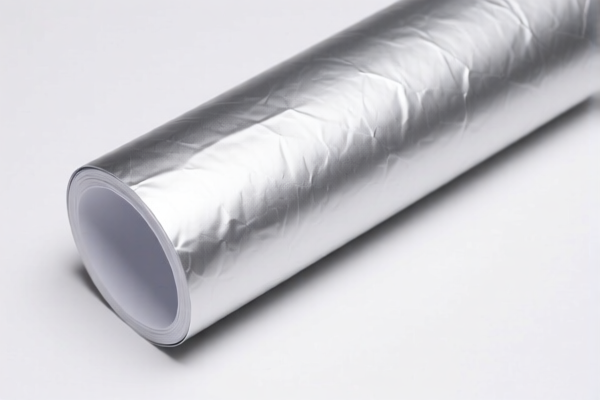
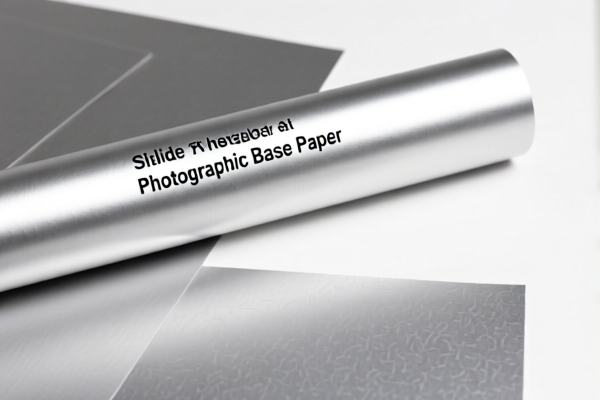
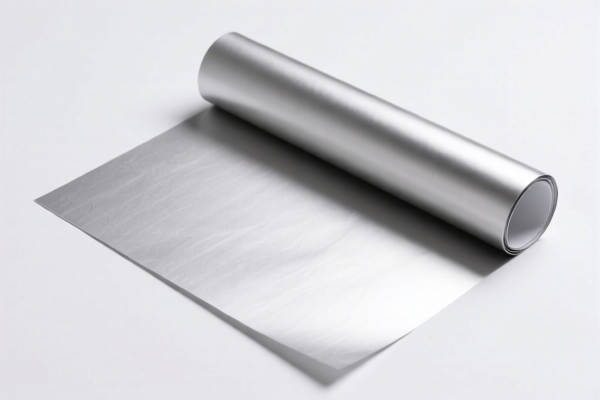
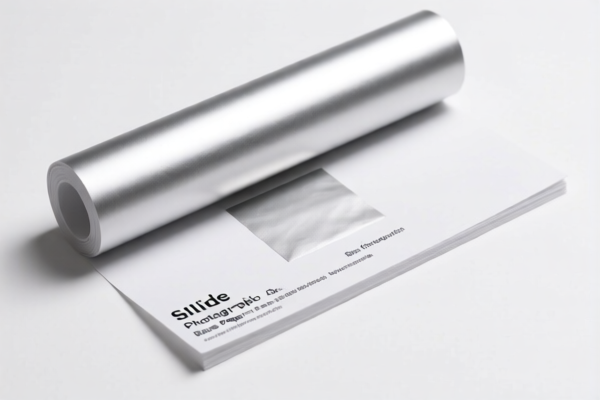
AI Analysis
📸 Silver Halide Continuous Tone Inkjet Photo Paper
🌐 HS Code Reference & Customs Clearance Guide | 2026 Latest Tariff Full Analysis | Professional-Level Clearance Strategy
📌 I. Product Definition & Classification: Do You Really Understand "Silver Halide Photo Paper"?
Silver Halide Continuous Tone Inkjet Photo Paper is a high-end photographic output medium. Unlike standard inkjet paper that uses dye-sublimation or pigment inks on a coated surface, this product involves a light-sensitive silver halide emulsion that reacts to heat/laser exposure to form an image.
In international trade, it is critical to distinguish between: 1. Purely Photographic/Sensitized Materials (HS 3701): Products where the core function relies on the chemical reaction of silver halides to light/heat to create an image. 2. Paper/Cardboard Products (HS 4823): Products where the core attribute is the paper substrate, and any coating is secondary or merely preparatory for printing, lacking the specific "sensitized" chemical properties of photographic emulsions.
⚠️ Key Distinction Point:
- If the product contains silver halides and functions as a sensitized material (image forms via chemical/physical change of the emulsion) → It belongs to Chapter 37 (Photographic Goods).
- If the product is merely coated paper without sensitive silver emulsions, or the "silver halide" description is marketing jargon for a standard inkjet paper → It may be classified as Chapter 48 (Paper).
- Warning: Misclassification between Chapter 37 and 48 can lead to significant tariff differences and customs delays.
📦 II. HS Code Classification Details (2026 Latest Tariff Authoritative Comparison)
| HS Code | Product Description | Application Scenario | Key Classification Logic |
|---|---|---|---|
3701.99.60.60 |
Silver Halide Continuous Tone Laser/Photo Paper; Classified as Sensitized Material; Continuous Tone Format; Non-paper/Non-textile Sensitized Material Attribute | High-end professional photo labs, laser printing systems using silver halide technology | ✅ Sensitized Material (Chapter 37 Logic) |
3701.99.60.30 |
Silver Halide Photo Paper; "Silver Halide" confirms Sensitized Nature; "Photo Paper" is a Flat Sensitized Material; Functionally Consistent with Graphic Arts Film | Professional printing, graphic arts, high-quality output requiring chemical emulsion reaction | ✅ Sensitized Material (Chapter 37 Logic) |
4823.90.67.00 |
Photo Paper Material; Classified as Paper/Cardboard Product; Format: Inkjet Photo Paper; Material Attribute Consistent with Coated Paper/Cardboard | Standard coated photo paper without true silver halide sensitivity; Marketing misnomer scenario | ✅ Paper Product (Chapter 48 Logic) |
4823.90.86.80 |
Core Material: Photo Paper; Classified as Paper/Cardboard; Format: Cut to Specific Size; Consistent with Other Paper Products | Finished paper goods, cut-to-size photo paper lacking sensitive emulsion properties | ✅ Paper Product (Chapter 48 Logic) |
🔍 Critical Reminder:
- The term "Silver Halide" (银卤素) is the deciding factor. If the product truly contains silver halide emulsions that react to light/heat to form images, it must be classified under 3701, not 4823.
- If the product is standard Inkjet Paper (no silver halide) and the "Silver Halide" claim is false or refers to a different technology, it falls under 4823.
- Customs authorities will likely require technical data sheets to verify the presence of silver halide emulsions.
💰 III. 2026 Latest Tariff Rate Details (Including Additional Taxes, Policy Surcharges)
✅ Applicable Country: United States (US)
✅ Country of Origin: China (CN)
✅ Effective Time: From November 10, 2025 (including subsequent imports)
🎯 1. 3701.99.60.60 —— Silver Halide Continuous Tone Photo Paper (Sensitized Material)
| Item | Content |
|---|---|
| Base Tariff | 0.0% (ad valorem) |
| Section 301 Surcharge | +25.0% |
| Section 122 Tariff | +10.0% |
| Total Tariff Rate | 35.0% |
| Tax Calculation | CIF Value × 35% |
| De Minimis Exemption | ❌ Not Applicable (denied_de_minimis) |
| Legal Basis Path | USITC:3701.99.60.60 → SECTION_301:25% → SECTION_122:10% |
📌 Explanation:
- Although the base tariff is 0%, the combined additional tariffs (25% + 10%) result in a 35% total rate.
- Section 301 (25%): Applies to most goods from China.
- Section 122 (10%): Additional tariff on certain goods, including specific photo materials.
- High Cost Warning: This rate is significantly higher than standard paper imports.
🎯 2. 3701.99.60.30 —— Silver Halide Photo Paper (Sensitized Material)
| Item | Content |
|---|---|
| Base Tariff | 0.0% |
| Section 301 Surcharge | +25.0% |
| Section 122 Tariff | +10.0% |
| Total Tariff Rate | 35.0% |
| Tax Calculation | CIF × 35% |
| De Minimis Exemption | ❌ Not Applicable |
| Legal Basis Path | USITC:3701.99.60.30 → SECTION_301:25% → SECTION_122:10% |
📌 Note:
- Identical tariff structure to3701.99.60.60.
- Both codes fall under Chapter 37, which is heavily scrutinized for "sensitized material" claims.
🎯 3. 4823.90.67.00 —— Coated Photo Paper (Paper Product)
| Item | Content |
|---|---|
| Base Tariff | 0.0% |
| Section 301 Surcharge | +25.0% |
| Section 122 Tariff | +10.0% |
| Total Tariff Rate | 35.0% |
| Tax Calculation | CIF × 35% |
| De Minimis Exemption | ❌ Not Applicable |
| Legal Basis Path | USITC:4823.90.67.00 → SECTION_301:25% → SECTION_122:10% |
📌 Note:
- Despite being classified as a paper product (Chapter 48), it is still subject to 35% total tariffs under current US trade policies.
- There is no tariff advantage in misclassifying sensitized paper as regular paper if the product actually contains silver halide.
🎯 4. 4823.90.86.80 —— Cut Photo Paper (Paper Product)
| Item | Content |
|---|---|
| Base Tariff | 0.0% |
| Section 301 Surcharge | +25.0% |
| Section 122 Tariff | +10.0% |
| Total Tariff Rate | 35.0% |
| Tax Calculation | CIF × 35% |
| De Minimis Exemption | ❌ Not Applicable |
| Legal Basis Path | USITC:4823.90.86.80 → SECTION_301:25% → SECTION_122:10% |
📌 Note:
- Same 35% rate applies.
- Classification depends on whether the paper is "cut to size" and lacks sensitive emulsions.
📌 Summary of Tariff Logic:
- All four HS codes listed result in a 35.0% total tariff rate (0% base + 25% Section 301 + 10% Section 122).
- The primary risk is not the tariff rate difference among these codes, but the accuracy of classification.
- Misclassification Risk: If the product is actually a sensitized silver halide paper (Chapter 37) but is declared as coated paper (Chapter 48) to avoid scrutiny, customs may reject the entry, impose penalties, or reclassify it, leading to delays and additional fees.
- Technical Proof Required: Importers must provide Technical Data Sheets (TDS) confirming the presence (or absence) of silver halide emulsions.
🛠️ IV. Customs Clearance Practical Advice (Combat Pitfall Guide)
✅ 1. Required Documentation List (None are Optional)
| Document | Mandatory | Explanation |
|---|---|---|
| ✅ Technical Data Sheet (TDS) | ✔️ | Must explicitly state whether the product contains Silver Halide Emulsions. If yes, it must support Chapter 37 classification. |
| ✅ Product Photos | ✔️ | Clear images of packaging, labeling, and the product itself. Show any "Silver Halide" or "Light Sensitive" markings. |
| ✅ Commercial Invoice | ✔️ | Must accurately describe the product. Avoid vague terms like "Photo Paper" without specifying the technology (e.g., "Silver Halide Laser Photo Paper"). |
| ✅ Packing List | ✔️ | Detail the weight, dimensions, and quantity. |
| ✅ Certificate of Origin (CO) | ✔️ | Required for Section 301 determination. |
| ✅ Labeling | ✔️ | Products must be labeled "Light Sensitive" or similar if classified under Chapter 37. |
✅ 2. Declaration Tips (Key Mantra)
🔥 "Verify Emulsion, Label Correctly, Declare Precisely!"
| Scenario | Correct Declaration | Error to Avoid |
|---|---|---|
| Product contains Silver Halide | HS: 3701.99.60.60 Desc: "Silver Halide Continuous Tone Photo Paper" |
Misdeclaring as "Coated Paper" (4823...) → Misclassification Penalty |
| Product is Standard Inkjet Paper | HS: 4823.90.67.00 Desc: "Coated Inkjet Photo Paper (No Silver Halide)" |
Misdeclaring as "Silver Halide" → Unnecessary Compliance Checks |
| Cut-to-Size Paper | HS: 4823.90.86.80 (if non-sensitive) |
Failing to specify size/format if it triggers different subheadings |
| Laser vs. Inkjet Technology | Specify technology in description | Using generic "Photo Paper" without technology detail |
✅ 3. Special Situation Handling
| Situation | Handling Advice |
|---|---|
| OEM Custom Photo Paper | Provide client orders and technical specs to prove the exact nature of the emulsion/coating. |
| "Silver Halide" is a Marketing Term | If the product does not contain actual silver halide chemicals, you must declare it as Paper (Chapter 48). Misuse of chemical terms can lead to fraud charges. |
| Customs Inquiry on Emulsion | Be prepared to provide a Lab Test Report from a third-party laboratory confirming the chemical composition. |
| Small Sample Shipments | Even small samples are subject to the 35% tariff. No de minimis exemption applies. |
🌍 V. Global Market Clearance Comparison (2026 Latest)
| Country/Region | Recommended HS Code | Tariff (China Origin) | Certification Requirements | Notes |
|---|---|---|---|---|
| 🇺🇸 United States | 3701.99.60.60 (if sensitized) |
35% (0% Base + 25% Sec 301 + 10% Sec 122) | None specific for paper, but chemical safety data may be requested | High tariff due to multiple surcharges. |
| 🇨🇳 China | 3701.99.60.60 |
0% - 6% (varies) | CCC (if applicable for equipment, not paper) | Lower domestic tariffs. |
| 🇪🇺 European Union | 3701.99.00 |
~5% - 10% | REACH (Chemical Safety) | Strict chemical regulations for silver halides. |
| 🇦🇺 Australia | 3701.99.00.00 |
5% | None specific | Moderate tariff. |
| 🇯🇵 Japan | 3701.99.00.00 |
5% - 10% | None specific | Moderate tariff. |
📌 Conclusion:
- The United States imposes the highest effective tariff rate (35%) due to the combination of Section 301 and Section 122.
- EU and other markets do not have equivalent "Section 122" type surcharges, but REACH regulations in the EU may require additional chemical safety documentation for silver halide products.
- Strategic Advice: For US-bound shipments, ensure accurate classification to avoid costly delays. Consider supply chain diversification if tariffs are too high.
📌 VI. Common Mistakes & Pitfall Guide (Blood and Tears Lessons)
❌ Mistake 1: Declaring "Silver Halide Photo Paper" as "Coated Paper" (4823) to avoid Chapter 37 scrutiny.
👉 Consequence: Customs will request technical proof. If proven to be sensitized, they will reclassify it, impose misclassification penalties, and delay clearance.
👉 Result: Higher total cost due to penalties and demurrage.
❌ Mistake 2: Assuming "Photo Paper" always means Chapter 48.
👉 Consequence: Misclassification. Silver halide paper is chemically distinct from coated paper and belongs to Chapter 37.
👉 Result: Potential fraud charges if intent to deceive is found.
❌ Mistake 3: Ignoring the 10% Section 122 tariff.
👉 Consequence: Underpaying duties.
👉 Result: CBP will assess additional duties and interest upon audit.
❌ Mistake 4: Using vague descriptions like "Photo Paper" without specifying "Silver Halide" or "Coated".
👉 Consequence: Customs ambiguity, leading to detention for further examination.
👉 Result: Delays and storage fees.
✅ Correct Approach:
"Silver Halide Continuous Tone Laser Photo Paper, Light Sensitive, Sensitized Material, Model XYZ, TDS Attached, FCC/REACH Compliant"
🎯 VII. Conclusion: Precise Classification, Smooth Clearance, Cost Control!
🎯 Remember the Mantra:
🔹 "Silver Halide = Chapter 37, Coated Paper = Chapter 48."
🔹 "Check the Emulsion, Not Just the Paper."
🔹 "35% Total Rate in the US, No De Minimis Exemption."
📌 Pro Tip:
If your photo paper is sourced from Vietnam, Mexico, or Thailand, you may be eligible for Section 301 exemptions or lower tariffs.
It is highly recommended to apply for a Pre-Ruling (Advance Ruling) from US CBP if the chemical composition is borderline. This provides legal certainty and prevents future disputes.
📣 Immediate Action:
📞 Consult a licensed customs broker + Provide Product TDS + Verify Chemical Composition
🚀 Ensure your photo paper clears customs smoothly, efficiently, and profitably!
✨ Professional Clearance Starts with Accurate Classification!
💼 Every Cent of Cost Deserves Precise Calculation!
Customer Reviews
About HS Code Classification
The Harmonized System (HS) is an internationally standardized nomenclature developed by the World Customs Organization (WCO) to classify traded products. Over 200 countries use the HS system as the basis for customs tariffs, trade statistics, and import/export regulations.
Each HS code follows a hierarchical structure:
- Chapter (2 digits) — Broad category of goods (e.g., Chapter 84: Machinery and Mechanical Appliances)
- Heading (4 digits) — More specific grouping within the chapter
- Subheading (6 digits) — Internationally standardized breakdown, used by all WCO member countries
- National subdivisions (8-10 digits) — Country-specific extensions for further classification, such as US HTSUS 10-digit codes
Correct HS code classification is essential for smooth customs clearance, accurate duty payment, and compliance with trade regulations. Misclassification can lead to customs delays, overpayment of duties, or penalties.
When importing from CN to US, the applicable tariff rates may include:
- Most-Favored-Nation (MFN) rate — The standard duty rate applied to WTO members
- General rate — Applied to countries without trade agreements
- Trade remedy duties — Additional tariffs such as Section 301 (anti-dumping), Section 232 (national security), or countervailing duties
The information provided on this page is for reference purposes only. For official classification, please consult with your local customs authority or a licensed customs broker.