Silver Halide Continuous Tone Negative Film
CN → US| HS Code | Tariff Rate | Origin | Destination | Doc |
|---|---|---|---|---|
| 3705000000 | 35.0% | CN | US | Official Doc |
| 3701996030 | 35.0% | CN | US | Official Doc |
| 3702320160 | 38.7% | CN | US | Official Doc |
| 3701996060 | 35.0% | CN | US | Official Doc |
| 3702440160 | 38.7% | CN | US | Official Doc |
Product Images
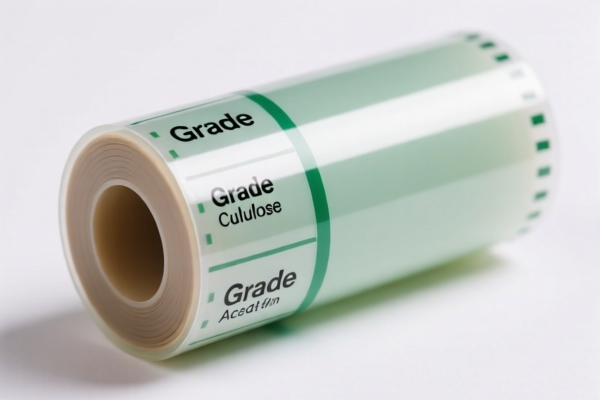
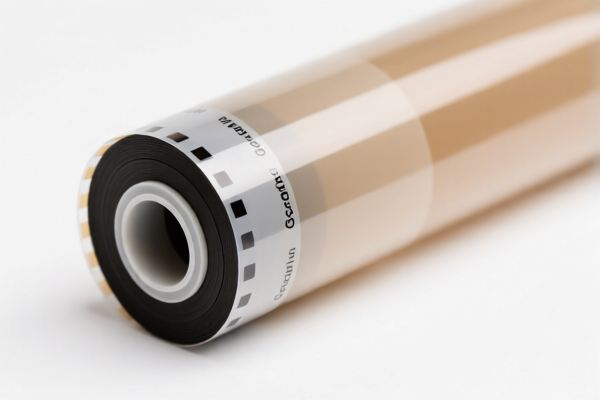
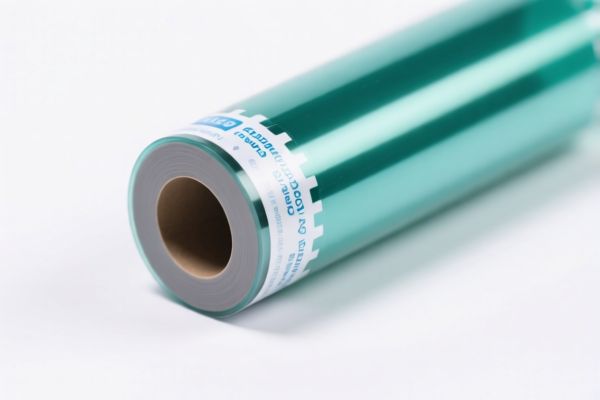
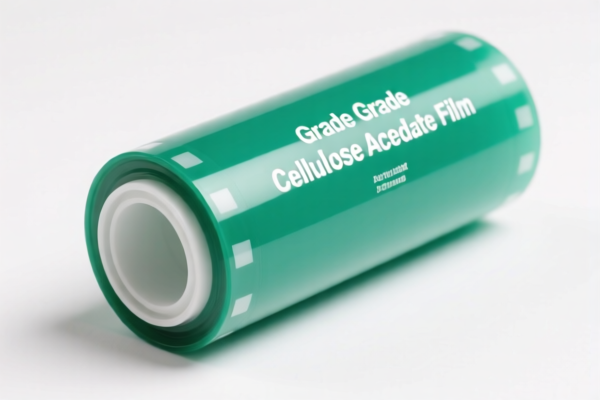
AI Analysis
🎞️ Silver Halide Continuous Tone Negative Film (卤化银连续调正片/负片)
🌐 HS Code Reference & Clearance Guide | 2026 Latest Tariff Analysis | Professional Customs Strategy
📌 I. Product Definition & Classification: What exactly is "Silver Halide Film"?
Silver Halide Continuous Tone Negative Film belongs to the category of photographic films. Its core chemical component is silver halide (halide of silver), which serves as the light-sensitive emulsion. It is characterized by: 1. Material: Non-paper, photosensitive material (film base). 2. Structure: Continuous-tone (gradational density, not halftone dots), unperforated (usually). 3. Function: Used in photography to create negative images, which are then used to produce positive prints.
⚠️ Key Distinction Point:
- If it is a sheet/plate or non-perforated roll: It often falls under Chapter 37.01 (Photographic Plates and Film in the Flat).
- If it is a perforated roll or specific photographic paper/roll format: It may fall under Chapter 37.02 (Photographic Film in Rolls).
- The presence of Silver Halide is the definitive chemical identifier for Chapter 37.
📦 II. HS Code Classification Details (2026 Latest Tariff Authority Comparison)
Based on the provided data, the product is classified into four potential HS Codes depending on the specific physical form (sheet vs. roll, perforation status) and sub-category precision.
| HS Code | Product Description & Logic | Key Characteristics |
|---|---|---|
| 3705.00.00.00 | Photographic Plates and Film | "Continuous tone negative film" fits the general definition of photographic plates/film. Silver halide is the core chemical material. |
| 3701.99.60.30 | Other Photographic Plates and Film | Recognized as photosensitive film with silver halide emulsion. Fits "graphic art film" material and usage features. |
| 3702.32.01.60 | Other Photographic Film in Rolls | Specifically identifies it as unperforated roll film (continuous tone). Silver halide latex classification matches. |
| 3701.99.60.60 | Other Photographic Plates and Film | Described as photosensitive film (film form), non-paper material. Silver halide is the chemical base. |
| 3702.44.01.60 | Other Photographic Film in Rolls | Core sensitivity is silver halide. Identified as specific-purpose photosensitive roll film (non-paper). |
🔍 Important Note:
- All codes involve Silver Halide as the key sensitivity agent. - The difference between 3701 and 3702 often lies in the physical form (flat plates/film vs. rolls) and whether they are for photographic printing (3702) or recording/plate making (3701/3705). - The sub-codes (e.g.,.30,.60,.01) reflect specific duty rates and regulatory treatments for different film types (continuous tone, unperforated, etc.).
💰 III. 2026 Latest Tariff Rate Breakdown (Including Surcharge Policies)
✅ Applicable Country: USA (US)
✅ Origin: China (CN)
✅ Effective Date: From November 10, 2025 (for subsequent imports)
The tax structure is consistent across all provided HS Codes, driven by two major surcharges on top of the base rate.
🎯 General Tariff Structure for All Listed Codes
| Item | Content |
|---|---|
| Base Tariff Rate | 0.0% for Codes 3705, 3701; 3.7% for Codes 3702 |
| Section 301 Surcharge | +25.0% (Additional Duties under Section 301) |
| Section 122 / IEEPA Surcharge | +10.0% (Additional Duties under Section 122/IEEPA provisions for China) |
| Total Tariff Rate | 35.0% (for 3701/3705) OR 38.7% (for 3702) |
| Tax Calculation | CIF Value × Total Rate |
| De Minimis Exemption | ❌ Not Applicable (High tariff rates generally exclude de minimis benefits for commercial shipments) |
| Legal Basis Path | Section 301 → Section 122/IEEPA → USITC Subheading → FOOTNOTE |
📌 Detailed Explanation of Surcharges: 1. Section 301 (25%): Imposed on goods of Chinese origin under the US Trade Act of 1974. This is a standard punitive tariff for many manufactured goods from China. 2. Section 122 / IEEPA (10%): Additional tariffs applied under the International Emergency Economic Powers Act (IEEPA) or Section 122 of the Trade Act of 1974 (if applicable for short-term protection), specifically targeting Chinese imports. 3. Base Rate Variation: - Codes
3705and3701have a 0% base rate, so the total is 25% + 10% = 35%. - Codes3702have a 3.7% base rate, so the total is 3.7% + 25% + 10% = 38.7%.⚠️ Critical Warning:
- These are cumulative tariffs. Do not mistake the base rate for the final cost. - The 10% Section 122 is a significant additional burden on top of the existing 301 tariffs. - Total costs will be 35% to 38.7% of the CIF value, which is substantial for low-value photographic supplies.
🛠️ IV. Practical Clearance Advice (Pitfall Avoidance Guide)
✅ 1. Required Documentation (Mandatory)
| Document | Must Provide? | Description |
|---|---|---|
| ✅ Product Specification Sheet | ✔️ | Must explicitly state: "Silver Halide Emulsion", "Continuous Tone", "Negative Film". |
| ✅ Chemical Composition Report | ✔️ | Proof that silver halide is the primary light-sensitive component. |
| ✅ Product Photos | ✔️ | Show packaging, film rolls/sheets, and label indicating "For Photographic Use". |
| ✅ Commercial Invoice | ✔️ | Must describe items as "Silver Halide Photographic Film", not generic "Plastic Film". |
| ✅ Packing List | ✔️ | Detail units (rolls/plates) and dimensions. |
| ✅ Country of Origin Certificate | ✔️ | Crucial for determining tariff applicability (China origin triggers 301+122). |
✅ 2. Declaration Tips (Key Mantras)
🔥 “Declare Chemistry, Not Just Plastic”
| Scenario | Correct Declaration | Incorrect Practice |
|---|---|---|
| Silver Halide Film | "Photographic Film, Silver Halide, Continuous Tone Negative" | "Plastic Sheet" or "Recording Media" |
| Roll vs. Plate | Specify "Roll Film" or "Flat Film" clearly | Vague term "Film" without form description |
| HS Code Selection | Match physical form: 3702 for rolls, 3701/3705 for plates/sheets |
Guessing HS Code leads to misclassification penalties |
| Valuation | Declare CIF accurately | Under-declaring leads to audits and fines |
✅ 3. Special Circumstances
| Situation | Handling Advice |
|---|---|
| OEM/Private Label Film | Provide brand authorization and product specs. Avoid generic descriptions. |
| Samples for Testing | Still subject to tariffs unless eligible for personal use (but commercial samples are taxed). |
| Mixed Containers | If mixed with other non-silver-halide items, declare separately to avoid scrutiny of the whole container. |
| Exemption Claims | No general exemption for silver halide film from China. Check for specific HTS exceptions, but generally unlikely. |
🌍 V. Global Market Comparison (2026 Update)
| Country/Region | Recommended HS Code | Est. Tariff (China Origin) | Certification | Notes |
|---|---|---|---|---|
| 🇺🇸 USA | 3705.00.00.00 / 3702.32.01.60 |
35% - 38.7% | None specific | High tariffs due to 301 + 122. |
| 🇨🇳 China | 3705.00.00.00 |
Varies by import policy | CCC (if applicable) | Reference market for manufacturing. |
| 🇪🇺 EU | 3702.32.01.00 (Typical) |
4.2% | CE (for cameras, not film) | Standard MFN rate, no major surcharges like US. |
| 🇬🇧 UK | 3702.32.01.00 |
4.0% | UKCA | Post-Brexit independent tariffs. |
| 🇦🇺 Australia | 3702.32.01.00 |
5.0% | RCM (if electronic) | Moderate tariff, no anti-dumping. |
📌 Conclusion:
- The USA imposes the highest cost due to trade war tariffs (301 + 122). - European and Asian markets are significantly more tariff-friendly for Chinese-made photographic film. - For US imports, cost calculation must include 35-38.7% duty.
📌 VI. Common Mistakes & Pitfall Guide (Lessons Learned)
❌ Mistake 1: Declaring as "Plastic Roll" or "Recording Medium"
👉 Consequence: Misclassification → Potential higher duties or seizure → Delay + Fines.
❌ Mistake 2: Ignoring the "Silver Halide" component
👉 Consequence: Customs may classify under "Other Plastic Films" (Chapter 39) which has different duties, leading to retroactive tax adjustments.
❌ Mistake 3: Not specifying "Continuous Tone"
👉 Consequence: May be classified under halftone or other film types, which could have different base rates or regulatory requirements.
❌ Mistake 4: Assuming De Minimis applies
👉 Consequence: Small shipments are still subject to full tariffs if value exceeds threshold and no exemption exists. Expect duties on every shipment.
✅ Correct Approach:
"Silver Halide Continuous Tone Negative Photographic Film, Unperforated, Roll Form, Chemical Emulsion, Model XYZ, Origin China"
🎯 VII. Conclusion: Precise Classification for Cost Control
🎯 Remember the Key Rules:
🔹 “Chemistry is King: Silver Halide = Chapter 37”
🔹 “Form Matters: Roll = 3702, Plate/Sheet = 3701/3705”
🔹 “Tariff Reality: 35%-38.7% for US Imports from China”
🔹 “No De Minimis: Pay duties on every unit”
📌 Pro Tip:
If your silver halide film is originating from Vietnam, Mexico, or Thailand, you may qualify for lower or zero Section 301/122 duties.
🚀 Recommendation: Consider supply chain diversification if US market is the primary destination to reduce tariff burden.
📝 Action: Apply for a Binding Ruling (Advance Ruling) from US Customs and Border Protection (CBP) to confirm the exact HS code and duty rate before shipping.
📣 Immediate Action Required:
📞 Consult with a licensed customs broker.
📄 Prepare detailed chemical and physical specifications.
💸 Factor 35-38.7% duty into your landed cost model.
🚀 Ensure smooth clearance by accurate description and complete documentation.
✨ Professional Clearance Starts with Accurate Classification!
💼 Every percent of tariff saved is pure profit!
Customer Reviews
About HS Code Classification
The Harmonized System (HS) is an internationally standardized nomenclature developed by the World Customs Organization (WCO) to classify traded products. Over 200 countries use the HS system as the basis for customs tariffs, trade statistics, and import/export regulations.
Each HS code follows a hierarchical structure:
- Chapter (2 digits) — Broad category of goods (e.g., Chapter 84: Machinery and Mechanical Appliances)
- Heading (4 digits) — More specific grouping within the chapter
- Subheading (6 digits) — Internationally standardized breakdown, used by all WCO member countries
- National subdivisions (8-10 digits) — Country-specific extensions for further classification, such as US HTSUS 10-digit codes
Correct HS code classification is essential for smooth customs clearance, accurate duty payment, and compliance with trade regulations. Misclassification can lead to customs delays, overpayment of duties, or penalties.
When importing from CN to US, the applicable tariff rates may include:
- Most-Favored-Nation (MFN) rate — The standard duty rate applied to WTO members
- General rate — Applied to countries without trade agreements
- Trade remedy duties — Additional tariffs such as Section 301 (anti-dumping), Section 232 (national security), or countervailing duties
The information provided on this page is for reference purposes only. For official classification, please consult with your local customs authority or a licensed customs broker.