Silver Halide Continuous Tone Positive Film
CN → US| HS Code | Tariff Rate | Origin | Destination | Doc |
|---|---|---|---|---|
| 3701996060 | 35.0% | CN | US | Official Doc |
| 3702440160 | 38.7% | CN | US | Official Doc |
| 3705000000 | 35.0% | CN | US | Official Doc |
| 3701996030 | 35.0% | CN | US | Official Doc |
| 3701996060 | 35.0% | CN | US | Official Doc |
Product Images
AI Analysis
🎞️ Silver Halide Continuous Tone Positive Film
🌐 HS Code Reference & Customs Clearance Guide | 2026 Latest Tariff Analysis | Professional Clearance Strategy
📌 I. Product Definition & Classification: What is "Silver Halide Continuous Tone Positive Film"?
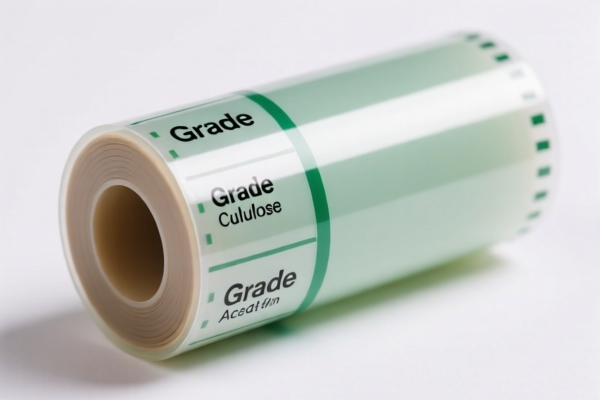
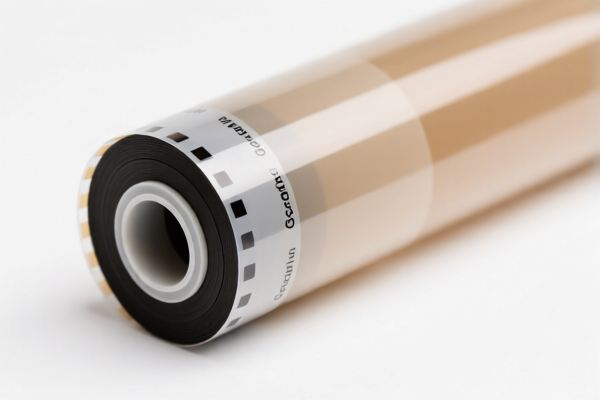
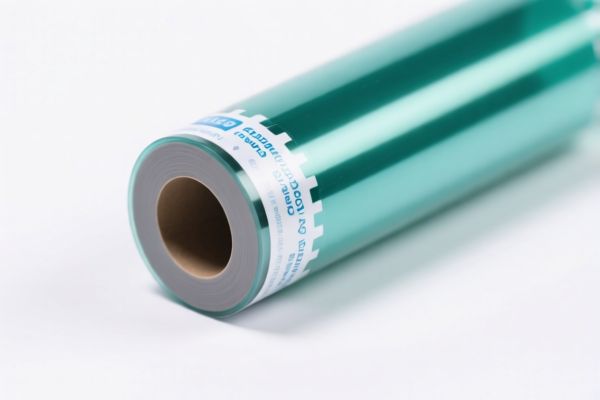
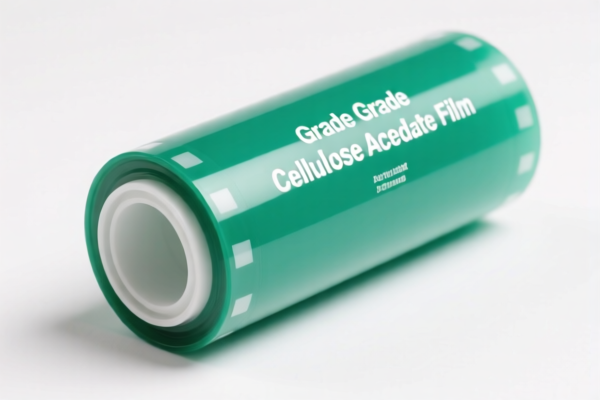
Silver Halide Continuous Tone Positive Film is a specialized photographic material characterized by: * Material: Silver Halide (AgX) emulsion on a plastic base. * Type: Continuous Tone (not halftone/stripe), meaning it reproduces images with smooth gradations rather than dots. * State: It can be Unexposed (raw film) or Exposed/Developed (finished image). * Form: It exists in various formats: Rolls (卷装), Sheets/Plates (感光板), or Graphic Arts Sheets (图形艺术胶片).
⚠️ Critical Distinction:
The HS Code depends heavily on three factors:
1. State: Is it unexposed (raw) or exposed/developed (finished)?
2. Form: Is it rolled (photographic film) or flat (graphic arts plate)?
3. Usage: Is it for general photography, graphic arts, or specific printing processes?
📦 II. HS Code Classification Details (2026 Latest Tariff Authority Comparison)
Based on the provided data, here are the specific classifications for Silver Halide Continuous Tone Positive Film:
| HS Code | Product Description | Key Characteristics | Tax Category |
|---|---|---|---|
3701.99.60.60 |
Other Sensitized Films (Non-paper) | Unexposed; Non-paper base; General photographic positive film. | 🟡 35.0% |
3702.44.01.60 |
Unexposed Rolls of Photographic Film | Unexposed; Roll format; Continuous tone positive; Specific subheading for roll film. | 🔴 38.7% |
3705.00.00.00 |
Photographic Plates | Exposed & Developed; Silver halide; Finished image. | 🟡 35.0% |
3701.99.60.30 |
Graphic Arts Films | Unexposed; Flat/Sheet format; Used in graphic arts/printing industry. | 🟡 35.0% |
3701.99.60.60 |
Other Sensitized Films (Photographic Positive) | Duplicate entry; Unexposed; General photographic positive use. | 🟡 35.0% |
🔍 Key Interpretation:
- Unexposed vs. Exposed: If the film is already developed/printed, it likely falls under3705.00.00.00(Photographic Plates) or remains in Chapter 3701/3702 depending on format. If unexposed, it falls under3701or3702.
- Rolls vs. Sheets: Roll film uses3702; Flat sheets/plates often use3701or3705.
- Graphic Arts: If used for pre-press printing plates,3701.99.60.30is the precise fit.
💰 III. 2026 Latest Tariff Rate Breakdown (Including Surcharges & Policy Surcharges)
✅ Applicable Country: United States (US)
✅ Origin: China (CN)
✅ Effective Date: From November 10, 2025 onwards
🎯 1. HS Code 3701.99.60.60 / 3701.99.60.30 / 3705.00.00.00
Scenario: Most Silver Halide Positive Films (Unexposed Non-paper or Exposed Plates)
| Item | Content |
|---|---|
| Base Tariff | 0.0% (Ad Valorem) |
| Section 301 Tariff (USITC) | +25.0% (Additional Duty under Section 301) |
| Section 122 Tariff (IEEPA) | +10.0% (Additional Duty under IEEPA for China/HK products) |
| Total Effective Rate | 35.0% |
| Tax Calculation | CIF Value × 35% |
| De Minimis Eligibility | ❌ Not Eligible (High tariff items are excluded from de minimis) |
| Legal Basis Path | USITC:3701.99.60.60 → FOOTNOTE:Section301 → IEEPA:9903.01.24 → FOOTNOTE:122 |
📌 Explanation:
- 0% Base: Standard MFN rate for many photographic chemicals/films.
- 25% Section 301: Retaliatory tariff on Chinese manufactured goods.
- 10% Section 122: Emergency economic powers tariff.
- Total 35%: This is a high-cost item for importers. No discounts apply.
🎯 2. HS Code 3702.44.01.60
Scenario: Unexposed Roll Format Photographic Film
| Item | Content |
|---|---|
| Base Tariff | 3.7% (Ad Valorem) |
| Section 301 Tariff (USITC) | +25.0% |
| Section 122 Tariff (IEEPA) | +10.0% |
| Total Effective Rate | 38.7% |
| Tax Calculation | CIF Value × 38.7% |
| De Minimis Eligibility | ❌ Not Eligible |
| Legal Basis Path | USITC:3702.44.01.60 → FOOTNOTE:Section301 → IEEPA:9903.01.24 → FOOTNOTE:122 |
📌 Note:
- This is the most expensive classification among the options.
- Even though the base rate is slightly higher (3.7%), the total burden is the highest due to the same surcharges.
- Use this code only if the product is strictly unexposed roll film. Using it for sheets will cause misclassification penalties.
🛠️ IV. Customs Clearance Practical Advice (Pitfall Avoidance Guide)
✅ 1. Required Documentation Checklist
| Document | Must Provide? | Purpose |
|---|---|---|
| ✅ Product Specification Sheet | ✔️ | Confirm: Silver Halide? Continuous Tone? Exposed/Unexposed? |
| ✅ Material Safety Data Sheet (MSDS) | ✔️ | Silver halide emulsions may be hazardous; required for shipping. |
| ✅ Commercial Invoice | ✔️ | Must clearly state: "Silver Halide Continuous Tone Positive Film, HS Code [XXXX]" |
| ✅ Certificate of Origin | ✔️ | Crucial for verifying China origin to apply correct surcharges. |
| ✅ Packaging List | ✔️ | Specify if rolls, sheets, or plates. |
| ✅ Photo of Product/Packaging | ✔️ | Visual proof of form factor (roll vs. sheet). |
✅ 2. Declaration Tips (Key Mantras)
🔥 "State Determines Code, Form Determines Chapter, Origin Determines Tax!"
| Scenario | Correct HS Code | Wrong Code & Consequence |
|---|---|---|
| Unexposed, Flat Sheet | 3701.99.60.60 or 3701.99.60.30 |
Misclassifying as 3702 (Roll) → Potential penalty. |
| Unexposed, Roll | 3702.44.01.60 |
Misclassifying as 3701 (Sheet) → Wrong tax base (3.7% vs 0%). |
| Exposed/Developed | 3705.00.00.00 |
Misclassifying as unexposed → Higher scrutiny, possible re-classification. |
| Graphic Arts Use | 3701.99.60.30 |
Generalizing as 3701.99.60.60 → Acceptable but less precise. |
✅ 3. Special Handling
| Situation | Advice |
|---|---|
| Mixed Shipment | Separate invoices for rolls vs. sheets. Do not lump under one HS code. |
| Pre-press/Printing Industry | Emphasize "Graphic Arts" in description to justify 3701.99.60.30. |
| Laboratory/Photographic Use | Use 3701.99.60.60 for general unexposed positives. |
| Already Developed Images | Must declare as 3705.00.00.00. Do not declare as "film" if it's a finished plate. |
🌍 V. Global Market Comparison (2026 Update)
| Country/Region | Recommended HS Code | Tariff Rate (China Origin) | Notes |
|---|---|---|---|
| 🇺🇸 USA | 3701.99.60.60 / 3702.44.01.60 |
35% - 38.7% | High Section 301 & 122 surcharges. |
| 🇨🇳 China | 3701.99.60 / 3702.44 |
Varies (0-5%) | Lower base rates, no US surcharges. |
| 🇪🇺 EU | 3701.99 / 3702.44 |
0% - 6% | Generally lower tariffs for photographic materials. |
| 🇯🇵 Japan | 3701.99 / 3702.44 |
0% - 5% | FTAs may apply if originating from partner countries. |
📌 Conclusion:
- USA is the most expensive market for Silver Halide film due to dual surcharges (25% + 10%).
- Ensure precise classification to avoid over-taxation (e.g., using roll code for sheets) or under-taxation (penalties).
📌 VI. Common Mistakes & Pitfall Guide
❌ Mistake 1: Declaring exposed/developed film as unexposed
👉 Consequence:海关 may detect inconsistency in product description vs. HS code. Risk of re-classification and fines.
❌ Mistake 2: Using 3702.44.01.60 (38.7%) for flat sheets
👉 Consequence: Overpaying by 3.7% on base value, or misclassification penalties if audited.
❌ Mistake 3: Ignoring Section 122 (10%) surcharge
👉 Consequence: Under-declaration of duties. The 10% IEEPA tariff is mandatory for China-origin goods.
❌ Mistake 4: Not specifying "Continuous Tone"
👉 Consequence: Customs may question if it's halftone (printing) or continuous tone (photography). Ambiguity leads to delays.
✅ Correct Description Example:
"Silver Halide Continuous Tone Positive Film, Unexposed, Flat Sheet, Graphic Arts Application, HS Code 3701.99.60.30"
🎯 VII. Conclusion: Precision in Classification, Savings in Clearance
🎯 Remember:
🔹 "Unexposed Sheet: 35% | Unexposed Roll: 38.7% | Exposed Plate: 35%"
🔹 "Section 301 (25%) + Section 122 (10%) = 35%+ Total Burden!"
🔹 "Don't guess: Check State (Exposed/Unexposed) and Form (Roll/Sheet)!"
📌 Pro Tip:
If your film is not from China (e.g., manufactured in Japan, Germany, or Korea), the 25% Section 301 and 10% Section 122 tariffs may not apply. Check the Country of Origin carefully!
For China-origin goods, pre-classification and accurate documentation are the only ways to manage this high cost.
📣 Immediate Action:
📞 Contact a licensed customs broker.
📄 Provide detailed specs: Emulsion type, Format, Exposure State.
📊 Calculate landed cost with 35-38.7% total duty.
✨ Professional clearance starts with precise classification!
💼 Every percentage point matters in the age of trade tariffs!
Customer Reviews
About HS Code Classification
The Harmonized System (HS) is an internationally standardized nomenclature developed by the World Customs Organization (WCO) to classify traded products. Over 200 countries use the HS system as the basis for customs tariffs, trade statistics, and import/export regulations.
Each HS code follows a hierarchical structure:
- Chapter (2 digits) — Broad category of goods (e.g., Chapter 84: Machinery and Mechanical Appliances)
- Heading (4 digits) — More specific grouping within the chapter
- Subheading (6 digits) — Internationally standardized breakdown, used by all WCO member countries
- National subdivisions (8-10 digits) — Country-specific extensions for further classification, such as US HTSUS 10-digit codes
Correct HS code classification is essential for smooth customs clearance, accurate duty payment, and compliance with trade regulations. Misclassification can lead to customs delays, overpayment of duties, or penalties.
When importing from CN to US, the applicable tariff rates may include:
- Most-Favored-Nation (MFN) rate — The standard duty rate applied to WTO members
- General rate — Applied to countries without trade agreements
- Trade remedy duties — Additional tariffs such as Section 301 (anti-dumping), Section 232 (national security), or countervailing duties
The information provided on this page is for reference purposes only. For official classification, please consult with your local customs authority or a licensed customs broker.