Silver Halide Continuous Tone Semi Gloss Photo Paper
CN → US| HS Code | Tariff Rate | Origin | Destination | Doc |
|---|---|---|---|---|
| 4823906700 | 35.0% | CN | US | Official Doc |
| 4823904000 | 35.0% | CN | US | Official Doc |
| 3701996060 | 35.0% | CN | US | Official Doc |
| 3701996030 | 35.0% | CN | US | Official Doc |
Product Images
AI Analysis
📸 Silver Halide Continuous Tone Semi-Gloss Photo Paper (银卤素连续色调半光相纸)
🌐 HS Code Reference & Customs Clearance Guide | 2026 Latest Tariff Analysis | Professional Strategy for Photographic Media
📌 I. Product Definition & Classification: What Exactly Are You Shipping?
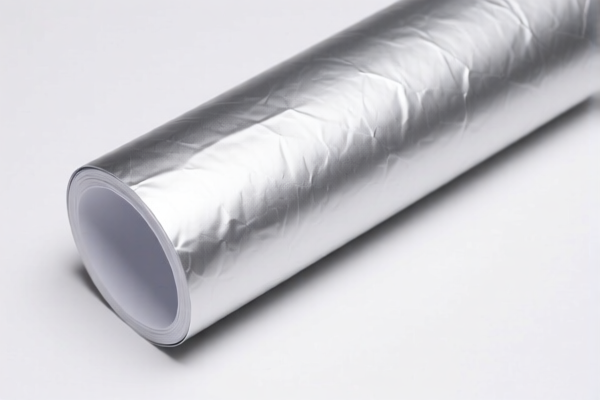
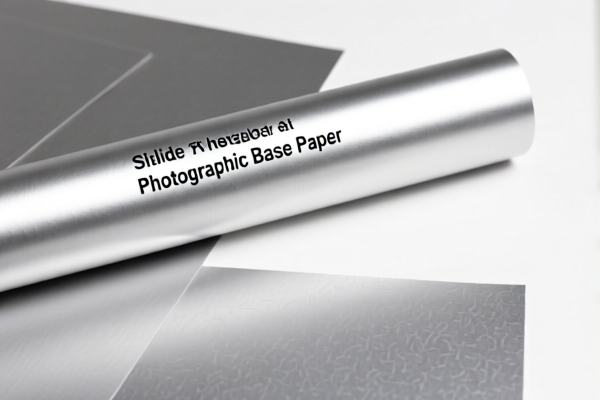
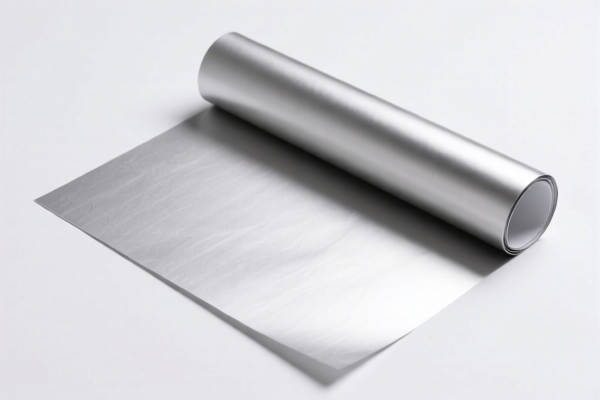
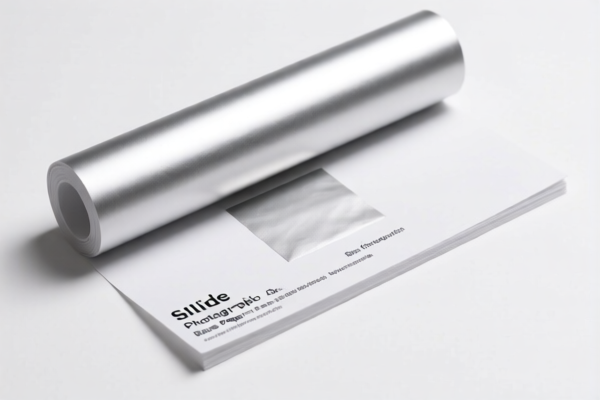
"Silver Halide Continuous Tone Semi-Gloss Photo Paper" is a high-precision photographic output medium. In international trade, the classification hinges on whether the paper is classified primarily as a paper product or as a sensitized photographic material. The ambiguity often lies in the coating technology and the specific chemical composition (silver halides vs. ink-receptive coatings for dye-sublimation or inkjet).
Two Primary Classification Paths:
-
Path A: Classified as "Other Paper" (Paper-based)
- Characteristics: The base is cellulose/paper. The coating may be for silver salt photography but is considered a treated paper rather than a "sensitized medium" in the strict legal sense of Heading 3701/3702.
- Key Feature: It behaves like paper in handling and is often used for standard photographic printing processes where the "silver" aspect is secondary to the paper support.
-
Path B: Classified as "Sensitized Photographic Media" (Photo-specific)
- Characteristics: Contains silver halide crystals that are sensitive to light/radiation. It is specifically designed for continuous-tone imaging (laser or traditional photo processes).
- Key Feature: If the product is explicitly defined as "Silver Halide" (AgX) and not just "dye-transfer" or "inkjet," it may fall under Chapter 37 (Photographic Goods).
⚠️ Critical Distinction Point:
- If the product is coated paper intended for silver-salt photography but falls outside the specific technical definitions of Heading 3701/3702 (e.g., it lacks specific emulsion sensitivity profiles required for Ch 37), it is classified as Paper (Chapter 48).
- If it is a sensitized medium with a defined silver halide emulsion for continuous-tone imaging, it falls under Chapter 37.
- Note on "Semi-Gloss": The finish (semi-gloss) does not change the HS code but affects the description.
📦 II. HS Code Classification Details (2026 Latest Tariff Alignment)
Based on the provided data, here are the four possible HS Codes and their specific rationales. All options carry a 35% Total Tax Rate for US imports from China.
| HS Code | Product Description & Rationale | Applicable Scenario | Key Classification Feature |
|---|---|---|---|
4823.90.67.00 |
Semi-Gloss Silver-Salt Photo Paper Roll. Material: Paper/Cellulose. Form: Roll. Meets characteristics of coated paper. | Standard photographic paper rolls where the primary classification is "paper." | ✅ Paper-Based (Chapter 48) |
4823.90.40.00 |
Semi-Gloss Silver-Salt Photo Paper Roll. Material: Paper/Cellulose. Use: Printing. Meets attribute of image paper products. | Similar to above, but emphasizes the "printed image" attribute under paper headings. | ✅ Paper-Based (Chapter 48) |
3701.99.60.60 |
Silver Halide Continuous-Tone Laser Photo Paper. Category: Sensitized Material. Form: Continuous-Tone Printing Photo Paper. Meets non-paper sensitized material attribute. | High-end laser photo systems using true silver halide emulsion. | ✅ Sensitized Material (Chapter 37) |
3701.99.60.30 |
Silver Halide Continuous-Tone Laser Photo Paper. Material: Silver Halide Sensitized Material. Form: Sensitized Flat Sheet/Medium. Meets sensitized media category. | Specific sensitized media for flat or roll formats, strictly defined as photographic chemical goods. | ✅ Sensitized Material (Chapter 37) |
🔍 重点提醒 (Key Reminder):
- Ch 48 vs. Ch 37: The split is between 4823 (Paper) and 3701 (Photographic Goods).
- Risk: Misclassifying a sensitized silver-halide product (Ch 37) as simple coated paper (Ch 48) can lead to customs audits, as Ch 37 products often have different technical specifications. However, the tax rate is identical (35%) in this dataset, simplifying the financial impact but not the compliance risk.
- Form Factor:3701.99.60.60specifies "Roll" or "Continuous-Tone," while3701.99.60.30specifies "Flat/Sheet" or general "Sensitized Medium." Ensure your physical format matches the code.
💰 III. 2026 Latest Tariff Rate Breakdown (Including Surtaxes & Policy Surcharges)
✅ Applicable Country: United States (US)
✅ Country of Origin: China (CN)
✅ Effective Date: November 10, 2025 (and subsequent imports)
All four HS Codes share the same tax structure in the provided data:
🎯 Total Tax Rate: 35.0%
| Component | Rate | Description |
|---|---|---|
| Base Tariff | 0.0% | Standard Most Favored Nation (MFN) rate is often 0% for these subheadings. |
| Section 301 Surtax | +25.0% | Applied to goods from China under USITC Footnote 9903.88.01 (or similar). |
| Section 122 Tariff (IEEPA) | +10.0% | Additional tariff under the International Emergency Economic Powers Act (IEEPA) targeting China. |
| Total Effective Rate | 35.0% | Sum of Base + 301 + 122 |
| Calculation Basis | Ad Valorem | Calculated on the CIF (Cost, Insurance, and Freight) value. |
| De Minimis Exemption | ❌ Not Eligible | Cannot use Section 321 (de minimis) for these codes; all imports are subject to full duty. |
📌 Legal Basis Path:
IEEPA:9903.01.25(10% Surcharge) →USITC:301 List(25% Surcharge) →HS Code (4823 or 3701)→Total: 35%
🛠️ IV. Customs Clearance Practical Advice (Avoiding Pitfalls)
✅ 1. Documentation Checklist (Non-Negotiable)
| Document | Required? | Why? |
|---|---|---|
| ✅ Product Specification Sheet | ✔️ | Must explicitly state "Silver Halide," "Continuous Tone," and "Semi-Gloss." |
| ✅ Composition Analysis | ✔️ | Proves if it's a sensitized emulsion (Ch 37) or just coated paper (Ch 48). |
| ✅ Commercial Invoice | ✔️ | Must clearly describe the product as "Photographic Paper" or "Sensitized Media," not just "Paper." |
| ✅ Photos of Product & Packaging | ✔️ | To verify format (roll vs. sheet) and labeling. |
| ✅ COO (Certificate of Origin) | ✔️ | To confirm China origin and apply the correct 301/122 surcharges. |
✅ 2. Declaration Tips (Key Mnemonic)
🔥 "Match Material to Chapter, Sensitization Defines the Code!"
| Scenario | Correct Declaration | Incorrect Declaration | Consequence |
|---|---|---|---|
| True Silver Halide Emulsion | Use 3701.99.60.xx | Declare as "Coated Paper" (4823) | Audit risk: Customs may reclassify to Ch 37 (though tax is same, technical compliance is violated). |
| Roll Format | Specify "Roll" in description | Vague "Paper" | Delays: Customs asks for format clarification. |
| Semi-Gloss Finish | Mention "Semi-Gloss" | Omit finish | Minor: May affect sample selection but not code. |
| Continuous Tone | Specify "Continuous Tone" | Say "Dot Matrix" or "Inkjet" | Major: Wrong code if not silver halide. |
✅ 3. Special Considerations
| Situation | Advice |
|---|---|
| Laser Photo Printers | If used specifically for laser systems, emphasize "Laser Photo Paper" in description to align with 3701.99.60. |
| Roll vs. Sheet | 3701.99.60.60 often aligns with roll/continuous feed. If shipping sheets, use 3701.99.60.30 or ensure 4823 is appropriate. |
| OEM/Private Label | Provide manufacturer’s tech data sheet to justify the "Silver Halide" claim. |
| High Value | Since tax is 35%, ensure CIF value is accurate. Over-under-declaring leads to penalties. |
🌍 V. Global Market Comparison (2026)
| Market | Recommended HS Code | Tariff (China Origin) | Key Requirement |
|---|---|---|---|
| 🇺🇸 USA | 4823.90.67.00 / 3701.99.60.xx |
35% (25% 301 + 10% 122) | Detailed technical specs required. |
| 🇨🇳 China | 4823.90.67.00 |
~6-10% | Standard import duties. |
| 🇪🇺 EU | 4823.90 or 3701 |
0% - 6.5% | CE marking may not apply, but chemical regulations (REACH) do. |
| 🇬🇧 UK | 4823.90 or 3701 |
0% - 6.5% | Post-Brexit customs rules apply. |
📌 Conclusion:
- USA is the most expensive market due to combined 301 and 122 tariffs.
- Accuracy in classification (Ch 48 vs Ch 37) is less about cost (since rate is same) and more about regulatory compliance.
- No de minimis means even small samples are subject to 35% duty.
📌 VI. Common Errors & Pitfalls (Blood & Tears Lessons)
❌ Error 1: Classifying as "Inkjet Paper" (e.g., 4823.63)
👉 Result: If the product is actually Silver Halide, it is not inkjet. Misclassification leads to wrong tax rate or seizure.
Fix: Check chemical composition. Silver Halide ≠ Inkjet.
❌ Error 2: Omitting "Semi-Gloss" or "Continuous Tone" in description
👉 Result: Customs may reject the entry for insufficient detail.
Fix: Always include finish and tone type.
❌ Error 3: Assuming "Photo Paper" automatically means Ch 37
👉 Result: Many "photo papers" are actually treated paper (Ch 48).
Fix: Verify if it contains a light-sensitive silver halide emulsion.
✅ Correct Declaration Example:
"Silver Halide Continuous Tone Semi-Gloss Photo Paper, Roll, for Laser Printing, Coated Paper/Cellulose Base, HS Code: 4823.90.67.00"
🎯 VII. Conclusion: Precision in Classification, Efficiency in Clearance
🎯 Key Takeaways:
🔹 Tax Rate is Fixed at 35% for US imports from China, regardless of Ch 48 vs Ch 37.
🔹 Classification Choice (4823 vs 3701) depends on technical nature: Paper Support vs. Sensitized Emulsion.
🔹 Documentation is Critical: Provide tech sheets to prove "Silver Halide" content.
🔹 No De Minimis: All shipments, regardless of value, are taxed.
📌 Pro Tip:
If you are unsure whether your product is "Sensitized" (Ch 37) or "Treated Paper" (Ch 48), apply for a US CBP Advance Ruling. This provides legal certainty and prevents future disputes.
📣 Immediate Action:
📞 Engage a Customs Broker with experience in photographic materials.
📄 Provide Technical Data Sheets to support the "Silver Halide" claim.
🚀 Ensure Accurate HS Code Selection to avoid post-entry audits.
✨ Professional Clearance Starts with Accurate Classification!
💼 Every 35% Saved Starts with the Right Code!
Customer Reviews
About HS Code Classification
The Harmonized System (HS) is an internationally standardized nomenclature developed by the World Customs Organization (WCO) to classify traded products. Over 200 countries use the HS system as the basis for customs tariffs, trade statistics, and import/export regulations.
Each HS code follows a hierarchical structure:
- Chapter (2 digits) — Broad category of goods (e.g., Chapter 84: Machinery and Mechanical Appliances)
- Heading (4 digits) — More specific grouping within the chapter
- Subheading (6 digits) — Internationally standardized breakdown, used by all WCO member countries
- National subdivisions (8-10 digits) — Country-specific extensions for further classification, such as US HTSUS 10-digit codes
Correct HS code classification is essential for smooth customs clearance, accurate duty payment, and compliance with trade regulations. Misclassification can lead to customs delays, overpayment of duties, or penalties.
When importing from CN to US, the applicable tariff rates may include:
- Most-Favored-Nation (MFN) rate — The standard duty rate applied to WTO members
- General rate — Applied to countries without trade agreements
- Trade remedy duties — Additional tariffs such as Section 301 (anti-dumping), Section 232 (national security), or countervailing duties
The information provided on this page is for reference purposes only. For official classification, please consult with your local customs authority or a licensed customs broker.