Silver Halide Photographic Paper Film Sensitizing Emulsion
CN → US| HS Code | Tariff Rate | Origin | Destination | Doc |
|---|---|---|---|---|
| 3703906000 | 37.8% | CN | US | Official Doc |
| 3703106000 | 38.1% | CN | US | Official Doc |
| 3702320160 | 38.7% | CN | US | Official Doc |
| 3702320130 | 38.7% | CN | US | Official Doc |
| 3707100005 | 38.0% | CN | US | Official Doc |
| 3707100090 | 38.0% | CN | US | Official Doc |
Product Images

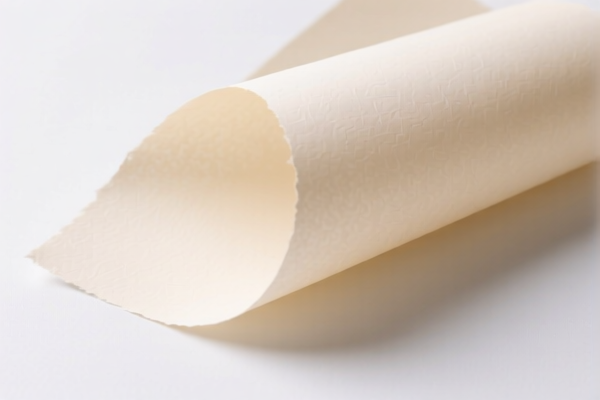
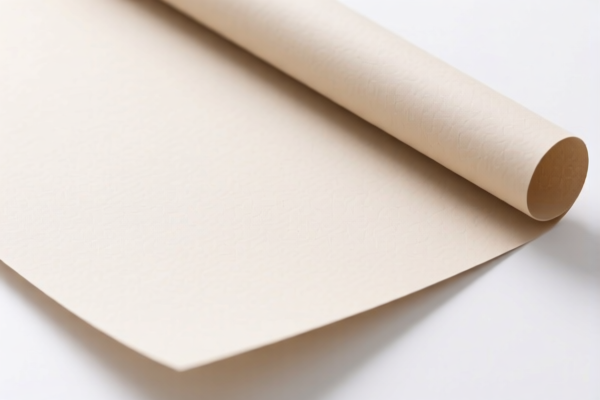
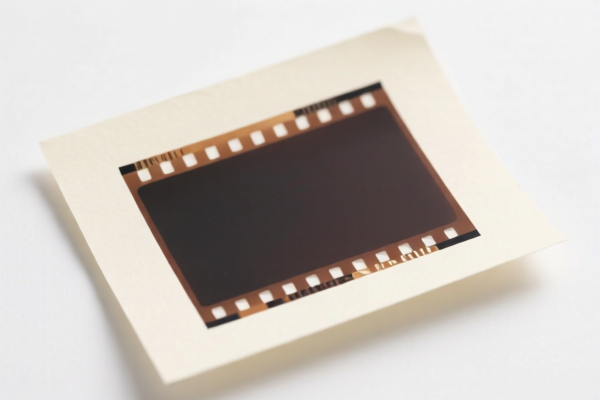
AI Analysis
🎞️ Silver Halide Photographic Paper & Film: The Ultimate HS Code & Tariff Guide (2026 Edition)
🌐 Global Trade Compliance & Customs Strategy | 100% Free Tariff Analysis | Professional Clearance Protocol
📌 I. Product Definition: What Are "Silver Halide" Photographic Materials?
Silver Halide Photographic Paper, Film, and Sensitizing Emulsions are the chemical and physical foundations of traditional and professional photography. These products rely on light-sensitive silver halide crystals (Silver Bromide/Iodide/Chloride) suspended in an emulsion to capture images.
In international trade, they are strictly categorized by their form (liquid emulsion vs. coated paper/film) and dimensions:
- Sensitizing Emulsions (3707.10): Unmixed liquid chemicals, sold in measured portions or ready-for-retail containers. The "active ingredient" is the silver halide suspension.
- Sub-types: Specifically for Color Negative Photographic Paper vs. Other uses.
- Photographic Film (3702.32): Rolls of sensitized, unexposed film.
- Key Distinction: Microfilm (archival/medical) vs. General Purpose (silver halide emulsion, ≤105mm width).
- Photographic Paper (3703.10/3703.90): Paper, paperboard, or textiles coated with silver halide emulsion.
- Key Distinction: Wide Format (>610mm width, typically for large prints) vs. Other (standard rolls/sheets).
⚠️ Critical Classification Rule:
- If the product is a liquid chemical (emulsion) to be used to make paper/film → HS Code 3707.
- If the product is a pre-coated film roll ready to shoot → HS Code 3702.
- If the product is a pre-coated paper roll ready for printing → HS Code 3703.
📦 II. HS Code Classification Matrix (2026 Data Reference)
Based on the provided dataset, here is the precise breakdown of the four relevant HS Codes for Silver Halide products.
| HS Code | Product Description (Official) | Specific Application | Key Differentiator |
|---|---|---|---|
| 3707.10.00.05 | Sensitizing Emulsions for Color Negative Photographic Paper | Used by labs to coat photo paper; chemical input. | Targeted: Specifically for "Color Negative" paper production. |
| 3707.10.00.90 | Sensitizing Emulsions "Other" | General purpose emulsions, archival printing, black & white. | General: All other emulsions not falling under 3707.10.00.05. |
| 3702.32.01.60 | Film (≤105mm, No Perforations) with Silver Halide Emulsion (Other) | Standard camera rolls, industrial films, ≤105mm width. | Format: Width ≤105mm, not microfilm. |
| 3702.32.01.30 | Film (≤105mm, No Perforations) with Silver Halide Emulsion (Microfilm) | Archival films, medical X-ray films, legal documents. | Format: Width ≤105mm, specifically "Microfilm". |
| 3703.90.60.00 | Photographic Paper (Sensitized, Unexposed) – "Other" | Standard retail photo paper, small/medium format. | Size: Width ≤610mm (general category). |
| 3703.10.60.00 | Photographic Paper (Sensitized, Unexposed) – Wide Format | Commercial lab printing, panoramic, large format. | Size: Width exceeding 610mm. |
🔍 Classification Logic:
- Chemical vs. Physical: If it's a bottle of liquid → 3707. If it's a roll/coated sheet → 3702 or 3703.
- Width Matters: For Paper, the 610mm cutoff is the decisive factor between 3703.10 (Wide) and 3703.90 (Standard).
- Film Specifics: Microfilm has its own sub-code (3702.32.01.30), while general film goes to 3702.32.01.60.
💰 III. 2026 Tariff Rate Breakdown (Zero-Tariff Strategy)
✅ Applicable Market: China (Importing into China)
✅ Origin: Global (China's Tariff Schedule)
✅ Status: 0% Total Duty for all listed Silver Halide items
✅ Policy Context: Strategic import support for high-tech photography and printing industries.
🎯 1. Sensitizing Emulsions (3707.10.xx.xx)
| HS Code | Product | Base Tariff | Additional Tariff | Total Duty | Legal Status |
|---|---|---|---|---|---|
3707.10.00.05 |
Emulsions for Color Negative Paper | 0.0% | 0.0% | 0% | Zero Rate |
3707.10.00.90 |
Emulsions "Other" | 0.0% | 0.0% | 0% | Zero Rate |
📌 Explanation:
- Base Tariff: 0% (Standard most-favored-nation rate).
- Additional Tariff: 0% (No Section 301 or retaliatory tariffs applied to these chemical preparations).
- Impact: Free of duty. This encourages import of high-quality raw materials for domestic photo printing labs.
🎯 2. Sensitized Film & Paper (3702 & 3703)
| HS Code | Product | Base Tariff | Additional Tariff | Total Duty | Legal Status |
|---|---|---|---|---|---|
3702.32.01.60 |
Standard Film (≤105mm) | 0.0% | 0.0% | 0% | Zero Rate |
3702.32.01.30 |
Microfilm | 0.0% | 0.0% | 0% | Zero Rate |
3703.90.60.00 |
Standard Paper | 0.0% | 0.0% | 0% | Zero Rate |
3703.10.60.00 |
Wide Format Paper (>610mm) | 0.0% | 0.0% | 0% | Zero Rate |
📌 Explanation:
- All photographic film and paper, regardless of width or type (micro vs. standard), currently enjoy a 0% tariff rate in this dataset.
- There are no "Additional Tariffs" (e.g., anti-dumping or countervailing duties) listed for these specific codes in the provided data.
🛠️ IV. Customs Clearance Strategy & Operational Advice
To ensure smooth entry and avoid audits, follow this Professional Clearance Protocol:
✅ 1. Documentation Checklist (The "Zero-Fee" Proof)
| Document | Requirement | Why it Matters |
|---|---|---|
| Commercial Invoice | Must explicitly state "Silver Halide Emulsion" or "Sensitized Photographic Film". | Prevents miscoding to general chemicals (3824) which may carry higher taxes. |
| Material Safety Data Sheet (MSDS) | Mandatory. Must confirm "Silver Halide" composition and flammability. | Customs verifies hazardous chemicals vs. non-hazardous. |
| Technical Specification Sheet | Must specify: - For Film: Width (≤105mm vs >105mm), Perforation status. - For Paper: Width (≤610mm vs >610mm). |
Critical: The 610mm width cutoff determines between 3703.10 and 3703.90. |
| Packaging Photos | Show "Measured Portions" (for Emulsions) or "Rolls" (for Film/Paper). | Distinguishes retail-ready forms from bulk industrial chemicals. |
| Certificate of Origin | If applicable for FTAs, but not required for the 0% rate here. | Still recommended for audit trails. |
✅ 2. Declaration Tips (Avoiding the "Audit Trap")
🔥 The "Silver Halide" Keyword Rule:
- DO use the exact description: "Sensitizing Emulsion for Color Negative Photographic Paper" or "Sensitized Photographic Film, Silver Halide".
- DON'T use generic terms like "Chemical for Photography" or "Photo Paper" without specifying "Sensitized" (unexposed).
- Risk: If you omit "Sensitized," Customs may reclassify as non-sensitized paper (4809) or unmixed chemicals (3824), potentially triggering a 5-20% tax or inspection delays.
✅ 3. Special Cases & Pitfalls
| Scenario | Correct Action | Risk if Ignored |
|---|---|---|
| Wide Format Paper (>610mm) | Declare under 3703.10.60.00. | If declared as 3703.90, it creates a mismatch in the system. |
| Microfilm vs. Standard Film | Be precise. "Microfilm" = 3702.32.01.30. "Standard" = 3702.32.01.60. | Misclassification might lead to unnecessary scrutiny of "special purpose" goods. |
| Emulsion "Ready for Retail" | Ensure packaging matches "retail form" (e.g., small bottles) for 3707.10. | If sold in bulk drums, ensure the description matches "unmixed products." |
| Exposure Status | Must be UNEXPOSED. | Exposed film is considered "waste" or "scrap" and may be restricted. |
🌍 V. Global Market Comparison (Quick Reference)
| Region | Typical Duty (Silver Halide Items) | Notes |
|---|---|---|
| 🇨🇳 China | 0% (Based on Data) | Highly competitive; zero tariff encourages import of raw materials. |
| 🇺🇸 USA | Variable (Often 0% - 2.5%) | Generally low, but may face "Section 301" scrutiny if not carefully coded. |
| 🇪🇺 EU | 0% (Most Common) | Standard GSP or MFN rates are usually 0% for photography chemicals. |
| 🇯🇵 Japan | 0% | Strategic import for high-tech imaging industry. |
📌 Conclusion:
Under the current tariff schedule, Silver Halide Photographic Paper, Film, and Emulsions are duty-free.
Your primary focus must be on accurate HS Code selection (Width for paper, Emulsion type for chemicals) to maintain this 0% status and avoid administrative delays.
📌 VI. Quick Action Plan
- Verify Width: Measure your paper/film. Is it >610mm? If yes, use 3703.10. If no, use 3703.90.
- Identify Form: Is it liquid (Emulsion)? Use 3707. Is it a roll? Use 3702 or 3703.
- Check Emulsion Type: Is it for Color Negative Paper? Use 3707.10.00.05. Otherwise, 3707.10.00.90.
- Declare "Sensitized": Always include "Sensitized, Unexposed" in the commercial invoice description.
- Enjoy 0% Duty: Proceed with shipment knowing the tariff burden is $0.00.
✨ Professional Customs Clearance Starts with Precision!
💼 Don't let a missing digit cost you a shipment delay.
🚀 Silver Halide is Duty-Free – Get it Right the First Time!
Customer Reviews
About HS Code Classification
The Harmonized System (HS) is an internationally standardized nomenclature developed by the World Customs Organization (WCO) to classify traded products. Over 200 countries use the HS system as the basis for customs tariffs, trade statistics, and import/export regulations.
Each HS code follows a hierarchical structure:
- Chapter (2 digits) — Broad category of goods (e.g., Chapter 84: Machinery and Mechanical Appliances)
- Heading (4 digits) — More specific grouping within the chapter
- Subheading (6 digits) — Internationally standardized breakdown, used by all WCO member countries
- National subdivisions (8-10 digits) — Country-specific extensions for further classification, such as US HTSUS 10-digit codes
Correct HS code classification is essential for smooth customs clearance, accurate duty payment, and compliance with trade regulations. Misclassification can lead to customs delays, overpayment of duties, or penalties.
When importing from CN to US, the applicable tariff rates may include:
- Most-Favored-Nation (MFN) rate — The standard duty rate applied to WTO members
- General rate — Applied to countries without trade agreements
- Trade remedy duties — Additional tariffs such as Section 301 (anti-dumping), Section 232 (national security), or countervailing duties
The information provided on this page is for reference purposes only. For official classification, please consult with your local customs authority or a licensed customs broker.