Silver Halide Photographic Paper Roll (Engineering Drawing Archival)
CN → US| HS Code | Tariff Rate | Origin | Destination | Doc |
|---|---|---|---|---|
| 4811902000 | 35.0% | CN | US | Official Doc |
| 3701996060 | 35.0% | CN | US | Official Doc |
| 3703103060 | 38.7% | CN | US | Official Doc |
| 3703103090 | 38.7% | CN | US | Official Doc |
| 4811908050 | 35.0% | CN | US | Official Doc |
Product Images
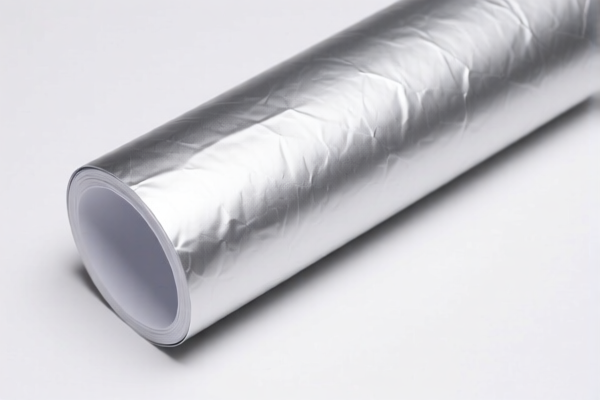
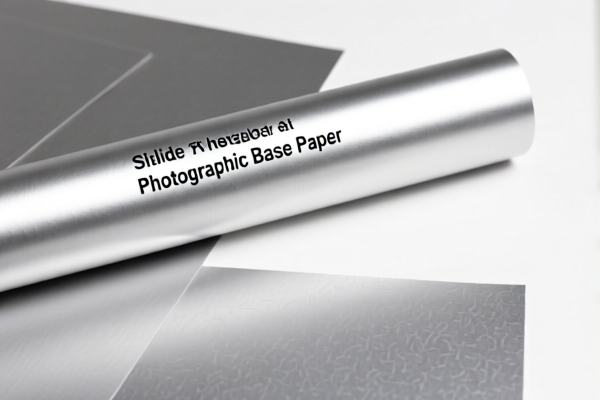
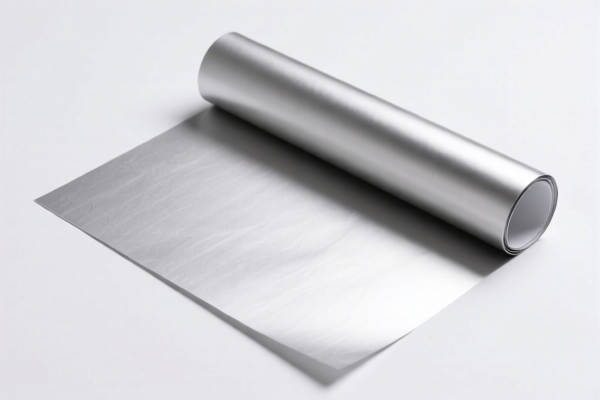
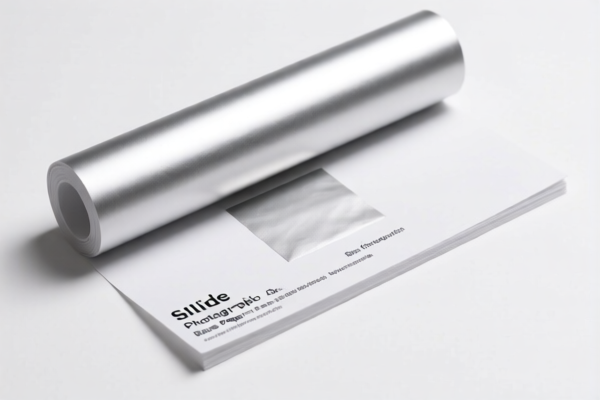
AI Analysis
📸 Silver Halide Photographic Paper Roll (Engineering Drawing Archival)
🌐 HS Code Reference & Customs Clearance Guide | 2026 Latest Tariff Analysis | Professional通关 Strategy
📌 I. Product Definition & Classification: Do You Really Understand "Photographic Paper"?
Silver Halide Photographic Paper, often referred to as "Silver Gelatin Paper" or "Baryta Paper," is a light-sensitive material used for producing permanent prints from negative films. In the context of Engineering Drawing Archival storage and reproduction, it serves as high-precision, acid-free, and archival-grade output media.
In international trade, the classification depends heavily on the physical form, base material, and specific chemical coating. It is distinct from thermal paper, inkjet photo paper, and standard commercial paper.
⚠️ Key Distinction Points:
- Base Material: Is it paper-based (cellulose) or plastic-based (polyester/paper composite)?
- If it is primarily paper-based with silver halide emulsion → Often falls under Chapter 48 (Paper/Paperboard).
- If it is a dedicated silver halide photographic material regardless of slight paper content, it may fall under Chapter 37 (Photographic Goods).
- Format: Is it rolled or cut? Rolls are easier to classify under specific sub-headings for "rolls."
- Usage: "Archival/Engineering" implies high stability, but does not change the chemical classification unless the base is entirely non-paper (e.g., pure polyester).
📦 II. HS Code Classification Details (2026 Latest Tariff Authority Comparison)
Based on the provided data, there are five potential HS Codes. The choice depends on the precise interpretation of whether the product is classified as "Paper" (Ch 48) or "Photographic Material" (Ch 37).
| HS Code | Product Description | Applicable Scenario | Key Classification Logic |
|---|---|---|---|
4811.90.20.00 |
Silver-halide sensitized roll paper, wide width, for photography | Paper-based photographic paper, wide roll format | Classified as Paper (Ch 48) coated with light-sensitive emulsion. Base is paper. |
3701.99.60.60 |
Wide-format silver-halide photographic material, roll form, consistent function | Dedicated photographic roll, potentially with non-paper base or specific technical specs | Classified as Photographic Material (Ch 37). General silver-halide goods. |
3703.10.30.60 |
Halide silver material, wide-format roll, meets classification requirements | Specific halide paper (often blueprints or technical archives), roll form | Classified as Halide Paper (Ch 37, heading 3703). Often used for technical/engineering archives. |
3703.10.30.90 |
Width > 610mm, halide silver material, roll form | Extra-wide format archival paper (>24 inches) | Specific sub-category for extra-wide halide paper. Critical for engineering drawings. |
4811.90.80.50 |
Coated photographic paper, roll form, non-thermally sensitive or gift packaging | General coated photographic paper, not fitting other specific Ch 37 definitions | Paper-based, coated for photographic use, but distinct from specific "silver-halide" Ch 37 definitions if deemed general purpose. |
🔍 Critical Reminder:
- Chapter 37 vs. Chapter 48: This is the biggest pitfall.
- If the product is considered a finished photographic good (even on paper), it goes to Ch 37 (3701/3703).
- If the customs authority views it as paper coated with light-sensitive chemicals for general use, it goes to Ch 48 (4811).
- Width Matters: For Ch 37 codes like3703.10.30.90, width (>610mm) is a deciding factor. Engineering drawings often exceed standard A3/Letter sizes.
- Archival Nature: "Archival" does not automatically change the HS code but justifies the high-quality emulsion, which supports the Ch 37 classification (higher technical specification).
💰 III. 2026 Latest Tariff Rate Breakdown (Including Surcharges & Policy Add-ons)
✅ Applicable Country: United States (US)
✅ Origin: China (CN)
✅ Effective Date: From November 10, 2025 onwards (including subsequent imports)
🎯 1. 4811.90.20.00 & 4811.90.80.50 —— Paper-Based Photographic Paper (Chapter 48)
| Item | Content |
|---|---|
| Basic Tariff | 0% (ad valorem) |
| Section 301 Surcharge | +25% (From USITC Footnote 9903.88.01 or equivalent for Ch 48) |
| IEEPA Surcharge | +10% (Targeting China/HK products, effective Nov 10, 2025) |
| Total Tariff Rate | 35.0% |
| Tax Calculation | CIF Value × 35% |
| De Minimis Eligibility | ❌ No (deny_de_minimis applies to these surcharges) |
| Legal Basis Path | IEEPA:9903.01.25 → IEEPA:9903.01.24 → USITC:4811.90.20.00 → FOOTNOTE:301_Surcharge |
📌 Explanation:
- The "Basic Tariff" is 0% because most paper products have low baseline duties.
- However, the 25% Section 301 and 10% IEEPA surcharges are heavy burdens.
- Total 35% is significant for low-margin paper goods.
- Note:4811.90.80.50also has a 35% total rate (0% base + 25% + 10%).
🎯 2. 3701.99.60.60 —— Wide-Format Silver-Halide Material (Chapter 37, General)
| Item | Content |
|---|---|
| Basic Tariff | 0% (ad valorem) |
| Section 301 Surcharge | +25% |
| IEEPA Surcharge | +10% |
| Total Tariff Rate | 35.0% |
| Tax Calculation | CIF Value × 35% |
| De Minimis Eligibility | ❌ No |
| Legal Basis Path | IEEPA:9903.01.25 → IEEPA:9903.01.24 → USITC:3701.99.60.60 |
📌 Note:
- Similar to Chapter 48, the base duty is 0%.
- The surcharges push the total to 35%.
- This code is for "Other" photographic materials that don't fit the specific "Halide Paper" definition of 3703.
🎯 3. 3703.10.30.60 & 3703.10.30.90 —— Halide Silver Paper (Engineering/Archival Grade) (Chapter 37, Specific)
| Item | Content |
|---|---|
| Basic Tariff | 3.7% (ad valorem) |
| Section 301 Surcharge | +25% |
| IEEPA Surcharge | +10% |
| Total Tariff Rate | 38.7% |
| Tax Calculation | CIF Value × 38.7% |
| De Minimis Eligibility | ❌ No |
| Legal Basis Path | IEEPA:9903.01.25 → IEEPA:9903.01.24 → USITC:3703.10.30.xx |
📌 Warning:
- These codes have a higher base rate (3.7%) compared to Ch 48/3701 (0%).
- Therefore, the total rate is 38.7%, which is 3.7% higher than the 35% options.
-3703.10.30.90is specifically for width > 610mm. If your engineering drawings are wider than 24 inches, this code is mandatory, increasing your cost.
-3703.10.30.60is for standard width halide paper.
- Recommendation: If your product can be classified under4811.90.20.00(35%) instead of3703.10.30.xx(38.7%), it saves 3.7% in duty. However, accuracy is key. Misclassification can lead to penalties.
🛠️ IV. Customs Clearance Practical Advice (Real-World Pitfall Avoidance)
✅ 1. Required Documentation Checklist (Non-Negotiable)
| Document | Must Provide | Description |
|---|---|---|
| ✅ Product Specification Sheet | ✔️ | Must detail: Base material (Paper/Polyester), Emulsion type (Silver Halide), Width, Length, Light Sensitivity. |
| ✅ Technical Data Sheet (TDS) | ✔️ | Proves "Archival" status and "Non-Thermal" nature. Distinguishes from inkjet or thermal paper. |
| ✅ Product Photos | ✔️ | Clear shots of the roll, labeling, and any packaging showing "Silver Halide" or "Light Sensitive." |
| ✅ Composition Statement | ✔️ | Explicitly state: "99% Paper Base, 1% Silver Halide Emulsion" (or similar) to support Ch 48 or Ch 37 argument. |
| ✅ Commercial Invoice | ✔️ | Must explicitly state: "Silver Halide Photographic Paper for Archival Engineering Drawings." Do not just say "Paper." |
| ✅ Packing List | ✔️ | Detail roll dimensions (width/length) to justify width-based HS codes (e.g., >610mm). |
✅ 2. Declaration Strategy (Key Mnemonic)
🔥 “Base Material Defines Chapter, Width Defines Sub-Code, Emulsion Defines Nature.”
| Scenario | Correct Declaration | Wrong Practice |
|---|---|---|
| Paper-based, Wide Roll | 4811.90.20.00 (35%) |
Declare as 3703 (38.7%) → Unnecessary 3.7% extra tax |
| Paper-based, Standard Roll | 4811.90.20.00 or 3703.10.30.60 |
Declare as "Inkjet Paper" → Wrong Chapter, Potential Penalty |
| Width > 610mm | 3703.10.30.90 (38.7%) or 4811.90.20.00 |
Declare as <610mm → Customs may reclassify and surcharge |
| Polyester-Based (Film-like) | 3701.99.60.60 (35%) |
Declare as "Paper" → Misclassification |
📌 Strategic Tip:
- If the product is strictly paper-based and the emulsion is considered a "coating,"4811.90.20.00(35%) is often the most cost-effective and defensible classification.
- Avoid3703codes if possible, as they carry a 3.7% base duty on top of the surcharges.
- However, if the product is marketed as "Photographic Material" rather than "Paper," customs may insist on Ch 37. Consult a broker for Advance Ruling if unsure.
✅ 3. Special Cases Handling
| Situation | Handling Advice |
|---|---|
| OEM for Architecture Firms | Provide letters from customers stating "Archival Engineering Use" to justify high-quality emulsion, but ensure HS code reflects physical product. |
| Mixed Shipment (Paper + Film) | Separate declarations. Do not mix Ch 48 and Ch 37 in one line item. |
| "Blue Print" vs. "Silver Halide" | If it's actual diazo-based "blue prints," it might be Ch 48. If it's silver halide (black/white or color), it's Ch 37/48. Be precise. |
| Small Samples (< $800) | No De Minimis Exemption! The 25% + 10% surcharges apply even to small shipments. Budget accordingly. |
🌍 V. Global Market Customs Comparison (2026 Latest)
| Country/Region | Recommended HS Code | Tariff (China Origin) | Certification Req. | Notes |
|---|---|---|---|---|
| 🇺🇸 USA | 4811.90.20.00 or 3703.10.30.xx |
35% (Ch 48) 38.7% (Ch 37) |
None Specific | Highest duty burden due to IEEPA/301. |
| 🇨🇳 China | 4811.90.20.00 |
5-8% | RoHS | Lower base duty. |
| 🇪🇺 EU | 4811.90.20.00 |
6.5% | REACH | No 25%/10% surcharges. |
| 🇦🇺 Australia | 4811.90.20.00 |
5% | None | Moderate duty. |
| 🇯🇵 Japan | 4811.90.20.00 |
0-8% | JIS | Often lower duties. |
📌 Conclusion:
- The US market is the most expensive for this product due to the 35-38.7% effective tariff rate.
- EU/Asia markets are significantly cheaper (5-8%).
- For US exports, optimizing the HS code to4811.90.20.00saves 3.7% compared to3703codes.
📌 VI. Common Errors & Pitfall Guide (Blood & Tears Lessons)
❌ Error 1: Classifying "Photographic Paper" as "Inkjet Photo Paper" (4911.10)
👉 Consequence: Inkjet paper is not light-sensitive. If inspected, customs will reject it and reclassify, leading to delays and penalties.
❌ Error 2: Ignoring the Width for 3703.10.30.90
👉 Consequence: If width > 610mm, using 3703.10.30.60 is incorrect. Customs may assess the higher rate or require amendment.
❌ Error 3: Failing to disclose Silver Halide Content
👉 Consequence: Customs may classify it as regular paper (4811 without emulsion details) or, worse, suspect it's a controlled chemical. Always declare "Light Sensitive."
❌ Error 4: Assuming "Archival" means Tax Exemption
👉 Consequence: No tax exemption exists for archival goods in the US under current trade policy. The 35-38.7% still applies.
✅ Correct Practice:
"Silver Halide Sensitized Photographic Paper, Roll, Width 610mm, Paper Base, for Archival Engineering Drawings, Light Sensitive, Model XYZ."
🎯 VII. Conclusion: Professional Declaration, Cost Control, Risk Mitigation!
🎯 Remember the Mantra:
🔹 "Paper Base = Ch 48 (35%), Halide Paper = Ch 37 (38.7%), Width > 610mm = Specific Sub-code."
🔹 "Surcharges are King: 25% + 10% = 35% Minimum. No De Minimis!"
🔹 "Declare 'Light Sensitive' to avoid misclassification penalties!"
📌 Pro Tip:
If your engineering drawings are on Polyester Base (not paper), use 3701.99.60.60 (35%). If it's Paper Base, use 4811.90.20.00 (35%) to avoid the 3.7% base duty of 3703.
Always request an Advance Ruling from CBP if your volume is high to lock in the 35% rate.
📣 Take Action Now:
📞 Contact a licensed customs broker + Provide Product Specs + Confirm Base Material (Paper vs. Polyester)
🚀 Ensure your engineering paper clears US Customs smoothly and protects your margins!
✨ Professional Customs Clearance Starts with Precise Classification!
💼 Every Percent of Duty Counts in the Age of Trade Wars!
Customer Reviews
About HS Code Classification
The Harmonized System (HS) is an internationally standardized nomenclature developed by the World Customs Organization (WCO) to classify traded products. Over 200 countries use the HS system as the basis for customs tariffs, trade statistics, and import/export regulations.
Each HS code follows a hierarchical structure:
- Chapter (2 digits) — Broad category of goods (e.g., Chapter 84: Machinery and Mechanical Appliances)
- Heading (4 digits) — More specific grouping within the chapter
- Subheading (6 digits) — Internationally standardized breakdown, used by all WCO member countries
- National subdivisions (8-10 digits) — Country-specific extensions for further classification, such as US HTSUS 10-digit codes
Correct HS code classification is essential for smooth customs clearance, accurate duty payment, and compliance with trade regulations. Misclassification can lead to customs delays, overpayment of duties, or penalties.
When importing from CN to US, the applicable tariff rates may include:
- Most-Favored-Nation (MFN) rate — The standard duty rate applied to WTO members
- General rate — Applied to countries without trade agreements
- Trade remedy duties — Additional tariffs such as Section 301 (anti-dumping), Section 232 (national security), or countervailing duties
The information provided on this page is for reference purposes only. For official classification, please consult with your local customs authority or a licensed customs broker.