Simple Style Wall Lights
CN → US| HS Code | Tariff Rate | Origin | Destination | Doc |
|---|---|---|---|---|
| 9405198020 | 38.9% | CN | US | Official Doc |
| 9405196010 | 42.6% | CN | US | Official Doc |
| 9405198010 | 38.9% | CN | US | Official Doc |
Product Images
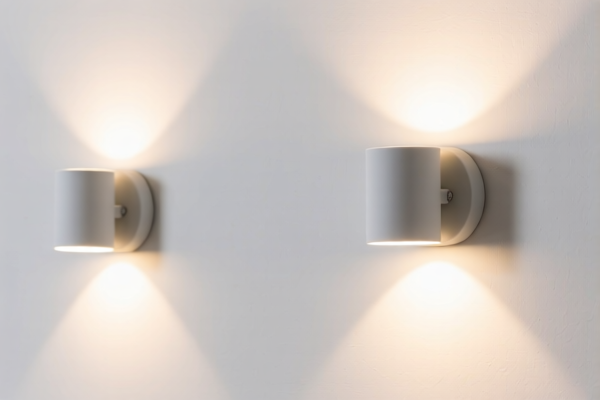
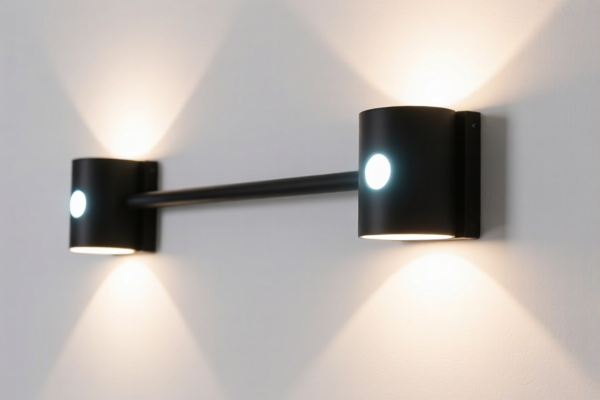
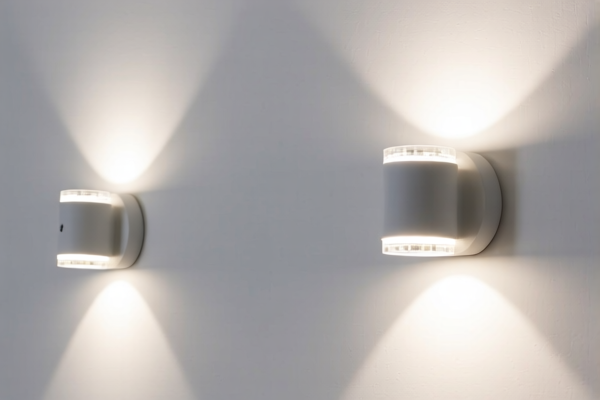
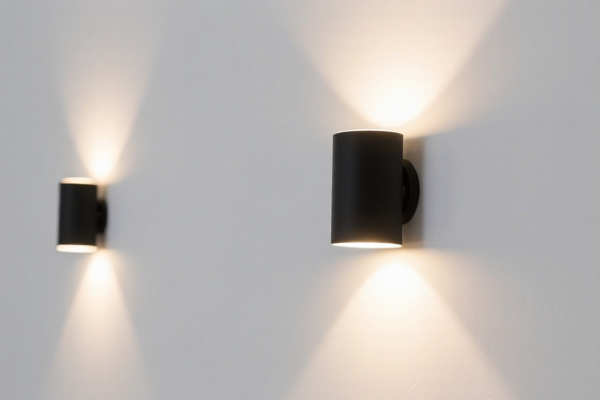
AI Analysis
💡 Simple Style Wall Lights
🌐 HS Code & Tariff Guide | 2026 Customs Classification & Duty Breakdown | Professional Import Strategy
📌 One Product, Three HS Codes – Know the Difference Before You Ship!
📦 一、Product Definition & Classification: What Exactly Is a "Simple Style Wall Light"?
A Simple Style Wall Light is a minimalist, wall-mounted electric lighting fixture designed for residential interior use. It typically features:
- Clean lines and understated design
- Mounting directly onto walls (not ceiling or floor)
- Integrated power supply (no external transformer)
- Commonly used for ambient, accent, or task lighting in bedrooms, hallways, or living rooms
⚠️ Key Classification Clue:
- If it’s wall-mounted, electrically powered, and used for home lighting → HS Code 9405.19.80.20 / 9405.19.80.10 / 9405.19.60.10
- Not a ceiling light, not a floor lamp, not a decorative non-electric fixture → Must be classified as a wall light
🧩 二、HS Code Breakdown (2026 Official Tariff Schedule)
| HS Code | Product Description | Material/Use Clue | Tax Rate | Key Differentiator |
|---|---|---|---|---|
9405.19.80.20 |
Wall lights, electric, for use in homes, non-metallic or unspecified material | "Simple style" implies modern, possibly plastic/metal composite | 38.9% | General wall light class – most common for non-metallic or mixed-material fixtures |
9405.19.60.10 |
Wall lights, electric, for household use, made of metal or other materials | Metal housing, industrial-minimalist design | 42.6% | Higher tariff due to metal construction and higher value perception |
9405.19.80.10 |
Wall lights, electric, for use in homes, including ceiling or wall-mounted types | Broad category – includes basic wall-mounted lamps | 38.9% | Similar to 9405.19.80.20, but may include slightly more basic models |
🔍 Critical Insight:
- All three codes fall under "Other electric lighting fittings" (9405.19)
- The only difference is material and specificity of use
- Do not confuse with 9405.10 (ceiling lights) or 9405.20 (floor lamps)
- Do not use 9405.19.80.20 for metal-heavy industrial fixtures → risk of misclassification
💰 三、2026 U.S. Tariff Breakdown (China-Origin, US Import)
✅ Applicable Country: United States (US)
✅ Origin: China (CN)
✅ Effective Date: November 10, 2025 (and ongoing)
✅ Legal Basis: Section 301, IEEPA, and USTR Tariff List
🎯 1. 9405.19.80.20 – Simple Style Wall Light (Non-Metal / Mixed Material)
| Component | Detail |
|---|---|
| Base Duty | 3.9% (ad valorem) |
| Section 301 (USITC) | +25.0% (from USTR List 3 & 4A) |
| IEEPA (International Emergency Economic Powers Act) | +10.0% (applies to goods from China) |
| Total Effective Duty | 38.9% |
| Tax Calculation | CIF Value × 38.9% |
| De Minimis Exemption? | ❌ No (denied under USTR Rule 301) |
| Legal Pathway | IEEPA:9903.01.25 → USITC:9405.19.80.20 → FOOTNOTE:9903.88.01 |
📌 Explanation:
- 3.9% base is standard for non-metallic lighting fixtures
- 25% Section 301 is the core punitive tariff from U.S. trade actions against China
- 10% IEEPA is an emergency economic measure targeting Chinese imports
- Total: 38.9% → High-cost import unless origin changes
🎯 2. 9405.19.60.10 – Wall Light Made of Metal or Other Materials
| Component | Detail |
|---|---|
| Base Duty | 7.6% (ad valorem) |
| Section 301 (USITC) | +25.0% |
| IEEPA | +10.0% |
| Total Effective Duty | 42.6% |
| Tax Calculation | CIF Value × 42.6% |
| De Minimis Exemption? | ❌ No |
| Legal Pathway | IEEPA:9903.01.25 → USITC:9405.19.60.10 → FOOTNOTE:9903.88.01 |
📌 Why Higher?
- 7.6% base duty reflects higher material cost (metal housing, heavier build)
- Metal construction increases perceived value → higher tariff
- Even if design is "simple", material type drives tariff rate
🎯 3. 9405.19.80.10 – General Wall Light (Home Use, Broad Category)
| Component | Detail |
|---|---|
| Base Duty | 3.9% |
| Section 301 (USITC) | +25.0% |
| IEEPA | +10.0% |
| Total Effective Duty | 38.9% |
| Tax Calculation | CIF Value × 38.9% |
| De Minimis Exemption? | ❌ No |
| Legal Pathway | IEEPA:9903.01.25 → USITC:9405.19.80.10 → FOOTNOTE:9903.88.01 |
📌 Note:
- Functionally identical to9405.19.80.20
- Use only if the product is clearly non-metallic or unspecified
- Avoid if metal parts are present → risk of audit or penalty
🛠️ 四、Customs Clearance Tips (Proven Strategies)
✅ 1. Must-Have Documentation (No Exceptions!)
| Document | Required? | Why It Matters |
|---|---|---|
| ✅ Product Specifications | ✔️ | Include material (plastic/metal), voltage, wattage, mounting type |
| ✅ Product Photos (Front, Back, Mounting Side) | ✔️ | Prove wall-mounting, design style, material |
| ✅ Circuit Diagram / Internal Layout | ✔️ | Show no external transformer – confirms "built-in" power |
| ✅ Commercial Invoice | ✔️ | Must state: "Simple Style Wall Light, Electric, for Home Use" |
| ✅ Certificate of Origin (CO) | ✔️ | Critical for tariff eligibility – China origin = 38.9–42.6% |
| ✅ Packing List | ✔️ | Show no拆分 (no splitting into parts) |
| ✅ Test Reports (FCC, CE, RoHS) | ✔️ | Prevents delays in U.S. customs |
✅ 2.申报技巧(Key Rules to Remember)
🔥 "Material Matters, Design Doesn’t – Metal = Higher Tax!"
| Scenario | Correct HS Code | Wrong Code | Risk |
|---|---|---|---|
| Plastic housing, simple design | 9405.19.80.20 or 9405.19.80.10 |
9405.19.60.10 |
Overpay |
| Metal housing, minimalist look | 9405.19.60.10 |
9405.19.80.20 |
Under-declared → Audit / Penalty |
| Mixed material (plastic + metal trim) | Use 9405.19.60.10 if metal > 30% |
9405.19.80.20 |
High risk of correction |
| Wall light with USB port | Still 9405.19.80.20 |
8517.62.00.00 (USB hub) |
Wrong classification |
✅ 3. Special Cases & Solutions
| Situation | Recommended Action |
|---|---|
| OEM Wall Lights (Private Label) | Provide design specs + proof of manufacturing location |
| Wall Lights with Smart Features (Wi-Fi/Bluetooth) | Still 9405.19.80.20/60.10 – not IT equipment |
| Wall Lights for Commercial Use (Hotels, Offices) | Still 9405.19.80.20 if functionally same as home use |
| Light with Integrated Sensor (Motion/Dimming) | Do NOT classify as "sensor" – keep as lighting fixture |
| Light with Glass Cover (non-metal) | Use 9405.19.80.20 if no metal frame |
🌍 五、Global Customs Comparison (2026)
| Country | Recommended HS Code | Base Duty | Additional Taxes | Notes |
|---|---|---|---|---|
| 🇺🇸 USA | 9405.19.80.20 / 9405.19.60.10 |
3.9%–7.6% | +25% +10% → 38.9%–42.6% | No de minimis |
| 🇨🇳 China | 9405.19.80.20 |
5% | None | No 301/IEEPA |
| 🇪🇺 EU | 9405.19.80.20 |
0% (if CE compliant) | None | No extra tariffs |
| 🇦🇺 Australia | 9405.19.80.20 |
5% | None | No 301/IEEPA |
| 🇯🇵 Japan | 9405.19.80.20 |
0% | None | No extra taxes |
📌 Takeaway:
- U.S. is the only market with 38.9%–42.6% effective duty on Chinese wall lights
- China, EU, Australia, Japan have no extra tariffs – ideal for export destinations
🚫 Six Common Mistakes (And How to Avoid Them)
❌ Mistake 1: Classifying a metal-framed wall light as 9405.19.80.20
👉 Result: Under-declared → Duty adjustment + penalty
✅ Fix: Use 9405.19.60.10 if metal > 30%
❌ Mistake 2: Splitting wall light into "light + mounting bracket + screw pack"
👉 Result: Each part taxed at 42.6% → Total tax > 127%
✅ Fix: Declare as one unit – never split lighting fixtures
❌ Mistake 3: Using "LED Wall Lamp" as product name without material description
👉 Result: Customs can’t verify material → delay or rejection
✅ Fix: Use:
"Simple Style LED Wall Light, Plastic & Metal Frame, 12W, 120V, for Home Use, Model XYZ"
❌ Mistake 4: Claiming "non-metallic" when metal is visible
👉 Result: Audit, seizure, or refund denial
✅ Fix: Be honest in photos and specs
🎯 Seven Key Takeaways (Pro Tips)
🔹 "Material drives tariff – not design"
🔹 "Metal = higher duty, even if simple"
🔹 "Never split lighting fixtures"
🔹 "CIF × 38.9% = real cost"
🔹 "U.S. has the highest tariffs – plan accordingly"
🔹 "Pre-apply for Advance Ruling" to avoid disputes
🔹 "Use a customs broker with lighting expertise"
📌 Final Word: Precision Pays Off
🎯 Remember:
🔹 One wrong HS code → 42.6% vs 38.9% → $1,000+ extra tax on $25,000 shipment
🔹 One split shipment → 127% tax → total loss
🔹 One honest declaration → smooth clearance, zero penalties
📣 Act Now!
📞 Contact a licensed customs broker with lighting experience
📄 Request HS Code Pre-Ruling for your product
🚀 Reduce risk, save money, ship faster!
✨ Smart Importing Starts with Smart Classification!
💼 Your wall lights deserve better than a tariff surprise.
Customer Reviews
About HS Code Classification
The Harmonized System (HS) is an internationally standardized nomenclature developed by the World Customs Organization (WCO) to classify traded products. Over 200 countries use the HS system as the basis for customs tariffs, trade statistics, and import/export regulations.
Each HS code follows a hierarchical structure:
- Chapter (2 digits) — Broad category of goods (e.g., Chapter 84: Machinery and Mechanical Appliances)
- Heading (4 digits) — More specific grouping within the chapter
- Subheading (6 digits) — Internationally standardized breakdown, used by all WCO member countries
- National subdivisions (8-10 digits) — Country-specific extensions for further classification, such as US HTSUS 10-digit codes
Correct HS code classification is essential for smooth customs clearance, accurate duty payment, and compliance with trade regulations. Misclassification can lead to customs delays, overpayment of duties, or penalties.
When importing from CN to US, the applicable tariff rates may include:
- Most-Favored-Nation (MFN) rate — The standard duty rate applied to WTO members
- General rate — Applied to countries without trade agreements
- Trade remedy duties — Additional tariffs such as Section 301 (anti-dumping), Section 232 (national security), or countervailing duties
The information provided on this page is for reference purposes only. For official classification, please consult with your local customs authority or a licensed customs broker.