Simulated Coral
CN → US| HS Code | Tariff Rate | Origin | Destination | Doc |
|---|---|---|---|---|
| 3926400090 | 15.3% | CN | US | Official Doc |
| 3926904000 | 12.8% | CN | US | Official Doc |
| 7018901000 | 20.7% | CN | US | Official Doc |
| 7018105000 | 35.0% | CN | US | Official Doc |
| 3926904000 | 12.8% | CN | US | Official Doc |
Product Images
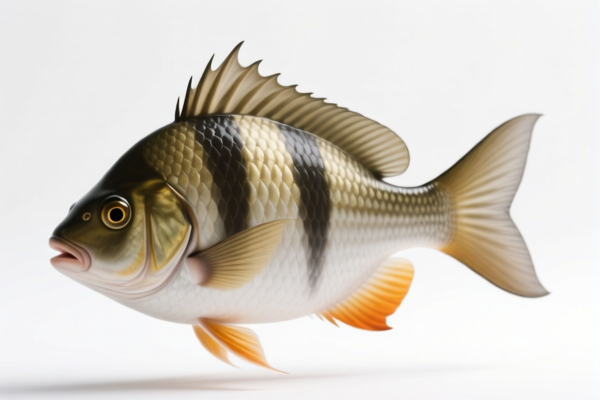
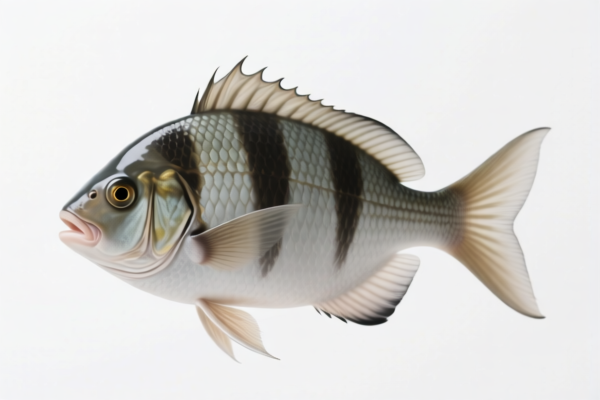
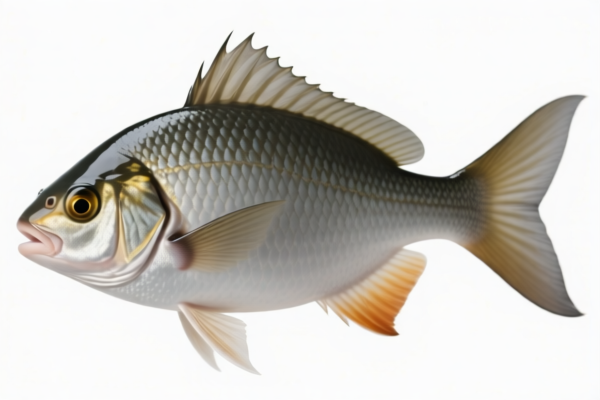
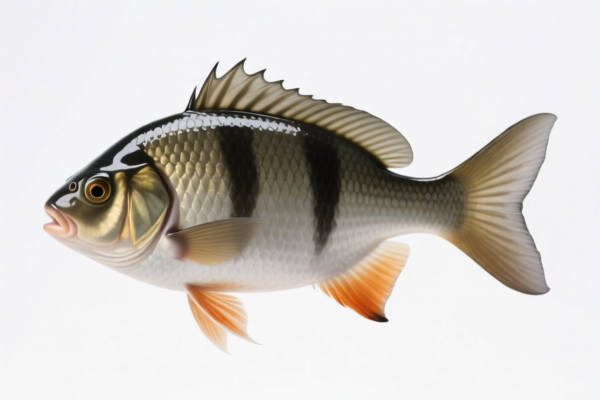
AI Analysis
🪸 Simulated Coral (Artificial Coral Decorations)
🌐 HS Code Reference & Customs Clearance Guide | 2026 Latest Tariff Analysis | Professional通关 Strategy
📌 I. Product Definition & Classification: What Exactly is "Simulated Coral"?
Simulated Coral, also known as Artificial Coral or Fake Coral, is a decorative item widely used in aquariums, home decor, and commercial displays. In international trade, its classification heavily depends on the manufacturing material. Since the prompt does not specify the exact material, we must analyze the four most likely HS Code categories based on common materials: Plastic/Resin and Glass.
⚠️ Key Distinction Point:
- If made of Plastic or Resin: It is classified as an article of plastics (Chapter 39).
- If made of Glass: It is classified as glass articles (Chapter 70).
- Misclassification Risk: Declaring glass coral as plastic (or vice versa) can lead to significant duty discrepancies and customs delays.
📦 II. HS Code Classification Details (2026 Latest Tariff Authority Comparison)
| HS Code | Product Description | Applicable Material | Summary/Reasoning |
|---|---|---|---|
3926.40.00.90 |
Articles of Plastics | Plastic / Resin | Common plastic/resin simulation coral, classified as decorative plastic articles. |
3926.90.40.00 |
Other Articles of Plastic | Plastic / Resin | Classified as other plastic products, potentially under "artificial gem/制品" attribute due to aesthetic finish. |
7018.90.10.00 |
Glass Ornaments/Art | Glass | Inferred glass material, shape fits "small glass articles" category for decoration. |
7018.10.50.00 |
Glass Small Articles | Glass / Resin | Artificial decorative small articles. Note: High additional duties apply. |
🔍 Key Reminder:
- Plastic Corals generally fall under HS 3926.
- Glass Corals generally fall under HS 7018.
- The total tax burden varies significantly between these categories due to different base rates and additional tariffs (Section 301/IEEPA).
💰 III. 2026 Latest Tariff Rate Details (Including Add-on Taxes, Policy Add-ons)
✅ Applicable Country: USA (US)
✅ Country of Origin: China (CN)
✅ Effective Time: 2025/2026 (Includes subsequent imports)
🎯 1. 3926.40.00.90 —— Plastic/Resin Simulated Coral (Decorative)
| Item | Content |
|---|---|
| Basic Tariff | 5.3% |
| Section 301 Add-on | 0.0% |
| Section 122 Add-on | 10.0% |
| Total Rate | 15.3% |
| Tax Calculation | CIF Value × 15.3% |
| De Minimis Exemption | ❌ Not Applicable (Standard Import) |
| Legal Basis Path | HTSUS:3926.40.00.90 → Section 122 Tariff |
📌 Explanation:
- This is a typical classification for plastic decorative items.
- The 10% Section 122 tariff is applied on top of the basic 5.3% rate.
- Total Duty: 15.3%. This is a moderate duty rate compared to glass alternatives.
🎯 2. 3926.90.40.00 —— Plastic/Resin Simulated Coral (Other Plastic Articles)
| Item | Content |
|---|---|
| Basic Tariff | 2.8% |
| Section 301 Add-on | 0.0% |
| Section 122 Add-on | 10.0% |
| Total Rate | 12.8% |
| Tax Calculation | CIF Value × 12.8% |
| De Minimis Exemption | ❌ Not Applicable |
| Legal Basis Path | HTSUS:3926.90.40.00 → Section 122 Tariff |
📌 Note:
- This code is used if the coral is deemed an "Other Plastic Product" rather than a specific decorative article.
- The reasoning often cites "Artificial Gem/Article" attributes due to the aesthetic nature.
- Total Duty: 12.8%. This is the most cost-effective option for plastic-based simulated coral.
🎯 3. 7018.90.10.00 —— Glass Simulated Coral
| Item | Content |
|---|---|
| Basic Tariff | 3.2% |
| Section 301 Add-on | 7.5% |
| Section 122 Add-on | 10.0% |
| Total Rate | 20.7% |
| Tax Calculation | CIF Value × 20.7% |
| De Minimis Exemption | ❌ Not Applicable |
| Legal Basis Path | HTSUS:7018.90.10.00 → Section 122 Tariff |
📌 Warning:
- Glass items often incur higher Section 301 tariffs (7.5%) in this sub-category.
- Total Duty: 20.7%. Significantly higher than plastic counterparts.
🎯 4. 7018.10.50.00 —— Glass/Resin Decorative Small Articles
| Item | Content |
|---|---|
| Basic Tariff | 0.0% |
| Section 301 Add-on | 25.0% |
| Section 122 Add-on | 10.0% |
| Total Rate | 35.0% |
| Tax Calculation | CIF Value × 35.0% |
| De Minimis Exemption | ❌ Not Applicable |
| Legal Basis Path | HTSUS:7018.10.50.00 → Section 122 Tariff |
📌 Critical Alert:
- This classification carries the highest Section 301 tariff (25%).
- Even though the basic tariff is 0%, the additional taxes make it the most expensive option.
- Total Duty: 35.0%. Avoid this code unless necessary.
🛠️ IV. Customs Clearance Practical Advice (Battle-Tested Pitfall Guide)
✅ 1. Preparation Checklist (All Documents Required)
| Document | Required | Description |
|---|---|---|
| ✅ Product Specification Sheet | ✔️ | Must clearly state Material (e.g., "100% PVC," "Borosilicate Glass"). |
| ✅ Material Composition Report | ✔️ | Third-party lab report confirming material composition to prevent misclassification. |
| ✅ Clear Product Photos | ✔️ | Show texture, weight, and structure. If it floats, it’s likely plastic/resin. |
| ✅ Commercial Invoice | ✔️ | Describe as "Artificial Coral Decoration – Made of [Material]." Avoid vague terms like "Coral." |
| ✅ Packing List | ✔️ | Clearly separate accessories if any. |
✅ 2. Declaration Tips (Critical Mnemonics)
🔥 “Material is King, Code is Queen!”
| Scenario | Correct Declaration | Wrong Action |
|---|---|---|
| Plastic/Resin Coral | Declare as Plastic Article (HS 3926) | Declaring as "Glass" → Triggers 20.7%-35% duties. |
| Glass Coral | Declare as Glass Article (HS 7018) | Declaring as "Plastic" → Customs may reclassify and penalize. |
| Mixed Materials | Separate if possible; declare primary material. | Mixing materials without clarity → High risk of audit. |
| Vague Description | "Artificial Coral Decoration" | "Coral" → Customs may default to highest duty or detain. |
✅ 3. Special Handling Scenarios
| Scenario | Recommendation |
|---|---|
| OEM Custom Colors | Provide color codes and material sheets to avoid "generic" classification issues. |
| Aquarium Use | Specify "Aquarium Decoration" in description, but do not change the HS code if material is plastic/glass. |
| High-End Crystal Glass | Ensure it’s not classified as "Crystal" (which may have different duties). Stick to general glass articles. |
| Low-End PVC | Likely qualifies for HS 3926.90.40.00 (12.8%). Ensure material proof supports this. |
🌍 V. Global Market Comparison (2026 Latest)
| Country/Region | Recommended HS Code (Plastic) | Tariff (China Origin) | Certification | Note |
|---|---|---|---|---|
| 🇺🇸 USA | 3926.90.40.00 |
12.8% | None specific | Lowest duty for plastic. |
| 🇪🇺 EU | 3926.90.99 |
~6.5% | CE | No Section 122 equivalent. |
| 🇨🇳 China | 3926.90.99 |
6.5% | CCC (if applicable) | Standard export. |
| 🇯🇵 Japan | 3926.90.90 |
6% | PSE (if electrical) | No special add-ons. |
📌 Conclusion:
- For USA imports, choosing Plastic (HS 3926) is significantly cheaper than Glass (HS 7018) due to lower Section 301 rates.
- HS 3926.90.40.00 (12.8%) is the optimal code for plastic simulated coral.
📌 VI. Common Mistakes & Pitfall Guide (Lessons Learned)
❌ Mistake 1: Using "Coral" as the sole description.
👉 Consequence: Customs may detain for lack of detail, forcing manual reclassification.
👉 Fix: Always include Material (e.g., "Plastic Simulated Coral").
❌ Mistake 2: Misidentifying Glass as Plastic to avoid duties.
👉 Consequence: If customs tests and finds it’s glass, you face penalties + back duties (up to 35%).
👉 Fix: Provide material test reports.
❌ Mistake 3: Assuming all "Decorations" are the same.
👉 Consequence: Plastic and Glass have vastly different tax structures.
👉 Fix: Analyze the primary material before declaring.
✅ Correct Practice:
"Artificial Coral Decoration, Material: 100% PVC, Color: Brown, For Aquarium Use, HS Code 3926.90.40.00"
🎯 VII. Conclusion: Precise Classification Saves Money!
🎯 Remember the Mantra:
🔹 "Plastic Coral: 12.8%-15.3%"
🔹 "Glass Coral: 20.7%-35.0%"
🔹 "Material Proof is Your Best Shield!"
📌 Pro Tip:
If your simulated coral is made of resin that resembles glass, ensure it meets the definition of Plastic (HS 39) rather than Glass (HS 70). Resin is chemically a plastic, so it should fall under HS 3926, saving you thousands in duties.
📣 Immediate Action:
📞 Contact Your Broker: Provide material specs.
📋 Request Pre-Ruling: If importing large volumes, get a formal HS Code pre-ruling from CBP.
🚀 Optimize Supply Chain: Choose plastic/resin materials if possible to minimize US tariff exposure.
✨ Professional Customs Clearance Starts with Accurate Classification!
💼 Every Percentage Point Matters in Global Trade!
Customer Reviews
About HS Code Classification
The Harmonized System (HS) is an internationally standardized nomenclature developed by the World Customs Organization (WCO) to classify traded products. Over 200 countries use the HS system as the basis for customs tariffs, trade statistics, and import/export regulations.
Each HS code follows a hierarchical structure:
- Chapter (2 digits) — Broad category of goods (e.g., Chapter 84: Machinery and Mechanical Appliances)
- Heading (4 digits) — More specific grouping within the chapter
- Subheading (6 digits) — Internationally standardized breakdown, used by all WCO member countries
- National subdivisions (8-10 digits) — Country-specific extensions for further classification, such as US HTSUS 10-digit codes
Correct HS code classification is essential for smooth customs clearance, accurate duty payment, and compliance with trade regulations. Misclassification can lead to customs delays, overpayment of duties, or penalties.
When importing from CN to US, the applicable tariff rates may include:
- Most-Favored-Nation (MFN) rate — The standard duty rate applied to WTO members
- General rate — Applied to countries without trade agreements
- Trade remedy duties — Additional tariffs such as Section 301 (anti-dumping), Section 232 (national security), or countervailing duties
The information provided on this page is for reference purposes only. For official classification, please consult with your local customs authority or a licensed customs broker.