Simulated Plants
CN → US| HS Code | Tariff Rate | Origin | Destination | Doc |
|---|---|---|---|---|
| 6702104000 | 13.4% | CN | US | Official Doc |
| 9505105020 | 10.0% | CN | US | Official Doc |
| 3926400010 | 15.3% | CN | US | Official Doc |
| 3926909989 | 22.8% | CN | US | Official Doc |
| 6702903500 | 19.0% | CN | US | Official Doc |
Product Images
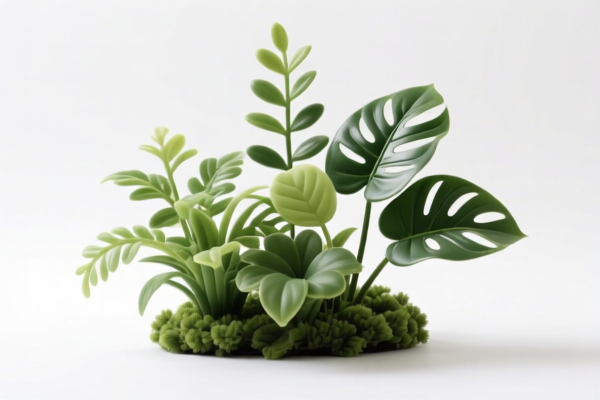
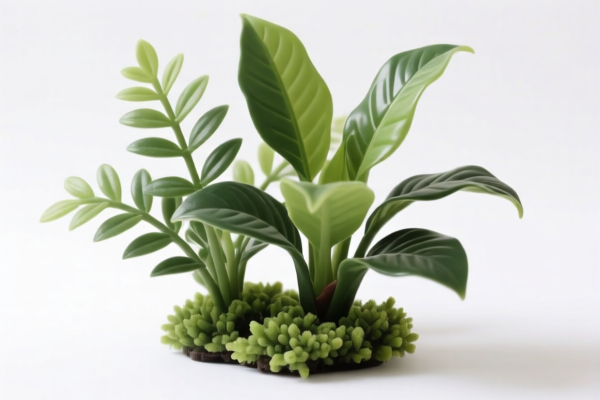


AI Analysis
🌿 Simulated Plants (Artificial Flora & Foliage)
🌐 HS Code Reference & Customs Clearance Guide | 2026 Latest Tariff Analysis | Strategic Clearance Strategy
📌 I. Product Definition & Classification: Do You Truly Understand "Simulated Plants"?
Simulated plants, widely known as artificial flowers, leaves, and fruits, are decorative items designed to mimic natural vegetation without biological viability. In international trade, they are not treated as a single homogeneous category. Their classification depends heavily on material composition (plastic, textile, etc.) and specific application/structure.
1. Primary Category: Artificial Flora (Chapter 67)
If the product is specifically designed as "artificial flowers, leaves, and fruits," it generally falls under HS 6702. This is the most direct and often most favorable classification for decorative botanicals.
2. Secondary Category: Plastic Decorative Articles (Chapter 39)
If the simulated plant is constructed primarily of plastic but does not fit the specific definition of "artificial flora" (e.g., plastic foliage used as generic decoration, stuffing, or industrial components), it may be classified under HS 3926.
3. Tertiary Category: Festival/Ornamental Articles (Chapter 95)
If the item is explicitly marketed for festive occasions (e.g., Christmas trees, Halloween decorations) or specific seasonal ornaments, it may fall under HS 9505.
⚠️ Key Distinction Point:
- If it is a complete artificial plant (stem + leaves/flowers) → Likely 6702.
- If it is a plastic component shaped like a leaf/fruit for general decoration → Likely 3926.
- If it is a Christmas tree or specific festival ornament → Likely 9505.
📦 II. HS Code Classification Details (2026 Latest Tariff Authority Comparison)
| HS Code | Product Description | Application Scenario | Material/Logic |
|---|---|---|---|
6702.10.40.00 |
Artificial flowers, leaves, and fruits | General decorative plants, home decor, wedding arrangements | Plastic or Fabric base; Direct match to "Simulated Plants" |
9505.10.50.20 |
Festive, carnival, or other entertainment articles | Christmas trees, Halloween decor, seasonal festive greenery | Plastic/Fabric; Specific to Festive/Ornamental use |
3926.40.00.10 |
Articles of plastic, other | Decorative plastic items that do not strictly qualify as "artificial flora" | Plastic; General decorative utility |
3926.90.99.89 |
Other articles of plastic, other | Generic plastic components, non-specific decorative items | Plastic; "Catch-all" category for plastic goods |
6702.90.35.00 |
Artificial flowers, leaves, and fruits | Similar to 6702.10 but possibly different material (e.g., man-made fiber) | Man-made Fiber/Other; Artificial Flora match |
🔍 Key Reminder:
- 6702 codes are preferred for items specifically designed as "plants." They often have lower base duties.
- 3926 codes carry higher risk of higher tariffs if deemed "general plastic goods" rather than "artificial flora."
- 9505 codes are only applicable if the item is distinctly a festival/seasonal ornament (e.g., Christmas).
💰 III. 2026 Latest Tariff Rate Breakdown (Including Surtaxes & Policy Add-ons)
✅ Applicable Country: United States (US)
✅ Origin: China (CN)
✅ Effective Date: From November 10, 2025 (including subsequent imports)
🎯 1. 6702.10.40.00 — Simulated Plants (Plastic/Fabric)
| Item | Content |
|---|---|
| Base Duty Rate | 3.4% (ad valorem) |
| Section 301 Surtax | +0.0% (No additional 301 tariff listed in this specific subheading breakdown) |
| Section 122 Surtax | +10.0% (Specific surcharge for this category) |
| Total Effective Rate | 13.4% |
| Tax Calculation | CIF Value × 13.4% |
| De Minimis Exemption | ❌ Not Available (deny_de_minimis) |
| Legal Basis Path | Section 122: 10% → USITC: 6702.10.40.00 → Base: 3.4% |
📌 Explanation:
- This is one of the most favorable classifications for simulated plants.
- The total tariff is 13.4%, comprising a low base duty and a specific 10% surcharge.
- Critical: Do not misclassify as general plastic (3926) to avoid jumping to 22.8%.
🎯 2. 9505.10.50.20 — Festive/Ornamental Simulated Plants
| Item | Content |
|---|---|
| Base Duty Rate | 0.0% |
| Section 301 Surtax | +0.0% |
| Section 122 Surtax | +10.0% |
| Total Effective Rate | 10.0% |
| Tax Calculation | CIF Value × 10.0% |
| De Minimis Exemption | ❌ Not Available (deny_de_minimis) |
| Legal Basis Path | Section 122: 10% → USITC: 9505.10.50.20 → Base: 0.0% |
📌 Note:
- If your product is explicitly a Christmas tree or Halloween decoration, this is the lowest cost option (10%).
- Warning: Must provide evidence of festive nature (e.g., packaging, marketing materials showing Christmas/Halloween theme). Generic "artificial plants" will be rejected.
🎯 3. 3926.40.00.10 — Plastic Decorative Articles (Non-Flora Specific)
| Item | Content |
|---|---|
| Base Duty Rate | 5.3% |
| Section 301 Surtax | +0.0% |
| Section 122 Surtax | +10.0% |
| Total Effective Rate | 15.3% |
| Tax Calculation | CIF Value × 15.3% |
| De Minimis Exemption | ❌ Not Available (deny_de_minimis) |
| Legal Basis Path | Section 122: 10% → USITC: 3926.40.00.10 → Base: 5.3% |
📌 Comparison:
- Slightly higher than6702.10.40.00(13.4% vs 15.3%).
- Applies when the item is "decorative plastic" but not strictly "artificial flora."
🎯 4. 3926.90.99.89 — Other Plastic Articles (Catch-All)
| Item | Content |
|---|---|
| Base Duty Rate | 5.3% |
| Section 301 Surtax | +7.5% (High Section 301 rate) |
| Section 122 Surtax | +10.0% |
| Total Effective Rate | 22.8% |
| Tax Calculation | CIF Value × 22.8% |
| De Minimis Exemption | ❌ Not Available (deny_de_minimis) |
| Legal Basis Path | Section 301: 7.5% → Section 122: 10% → USITC: 3926.90.99.89 → Base: 5.3% |
📌 Critical Warning:
- This is the most expensive classification (22.8%).
- Avoid this code for standard simulated plants. It is for generic "other plastic goods" and incurs the full brunt of Section 301 tariffs.
🎯 5. 6702.90.35.00 — Simulated Plants (Other Materials)
| Item | Content |
|---|---|
| Base Duty Rate | 9.0% |
| Section 301 Surtax | +0.0% |
| Section 122 Surtax | +10.0% |
| Total Effective Rate | 19.0% |
| Tax Calculation | CIF Value × 19.0% |
| De Minimis Exemption | ❌ Not Available (deny_de_minimis) |
| Legal Basis Path | Section 122: 10% → USITC: 6702.90.35.00 → Base: 9.0% |
📌 Note:
- Higher base duty (9.0%) than6702.10.40.00.
- Use only if the material is explicitly not plastic (e.g., man-made fibers) and does not fit the specific subheading for plastic fabric blends.
🛠️ IV. Customs Clearance Practical Advice (Battle-Tested Pitfall Guide)
✅ 1. Required Documentation Checklist (No Exceptions)
| Document | Mandatory | Explanation |
|---|---|---|
| ✅ Product Specification Sheet | ✔️ | Must specify: Material (Plastic/Fabric), Part Type (Flower/Leaf/Full Plant), and Use (Decorative/Festive). |
| ✅ Product Photos | ✔️ | Clear images showing the item is artificial (no soil, no water, synthetic texture). |
| ✅ Commercial Invoice | ✔️ | Must clearly state: "Simulated Plant," "Artificial Flower," or "Christmas Tree." Avoid vague terms like "Gift Item." |
| ✅ Packaging Photos | ✔️ | Show labels indicating festive nature (if claiming 9505) or material composition. |
| ✅ Material Composition Statement | ✔️ | Explicitly state "% Plastic," "% Fabric," etc. Critical for choosing between 6702 and 3926. |
✅ 2. Declaration Strategy (Key Mnemonics)
🔥 “Be Specific, Be Festive, Avoid 'Other'!”
| Scenario | Correct Declaration | Wrong Practice | Consequence |
|---|---|---|---|
| General Artificial Plant | 6702.10.40.00 ("Simulated Plant") |
Declaring as "Plastic Decoration" | Risk of being moved to 3926 (15.3%-22.8%) |
| Christmas Tree | 9505.10.50.20 ("Festive Ornament") |
Declaring as "Simulated Plant" | Missed opportunity for 10% rate |
| Generic Plastic Leaf | 3926.40.00.10 (If not flora) |
Declaring as "Flower" | Misclassification, audit risk |
| Mix of Items | Split declaration per HS Code | One "Lot" declaration | Confusion, potential higher duty on entire lot |
✅ 3. Special Circumstances Handling
| Scenario | Handling Advice |
|---|---|
| Mixed Materials | If a plant has plastic leaves and a ceramic pot, declare separately. Pot (ceramic) ≠ Plant (plastic). Do not combine into one HS code. |
| Festive Claim | To use 9505.10.50.20, marketing materials must show Christmas/Halloween context. Generic "greenery" will be rejected. |
| Plastic vs. Fabric | If made of fabric (silk, rayon), ensure it fits 6702.90.35.00 or similar, not 3926. Fabric-based artificial flora often has different base duties. |
| Pre-Cutting/Assembly | If shipped unassembled, ensure documentation states it is "ready-to-assemble artificial plant" to maintain 6702 classification. |
🌍 V. Global Market Customs Comparison (2026 Latest)
| Country/Region | Recommended HS Code | Tariff Rate (China Origin) | Certification Requirements | Notes |
|---|---|---|---|---|
| 🇺🇸 USA | 6702.10.40.00 |
13.4% (Base 3.4% + 122 10%) | None specific | Avoid 3926 (22.8%) |
| 🇨🇳 China | 6702.10.40.00 |
Varies (Import Duty) | N/A | Domestic trade varies |
| 🇪🇺 EU | 6702.10.00 |
~5-6% (Standard) | CE (if electrical), REACH | Lower base duty than US |
| 🇬🇧 UK | 6702.10.00 |
~5-6% | UKCA (if applicable) | Post-Brexit rules apply |
| 🇨🇦 Canada | 6702.10.00 |
~5% | None specific | Generally favorable |
📌 Conclusion:
- The US is the most tariff-sensitive market for simulated plants due to Section 122 and potential Section 301.
- Classification is critical: Moving from9505(10%) to3926.90.99.89(22.8%) nearly doubles your tax burden.
- China-origin goods must strictly adhere to the correct HS code to minimize costs.
📌 VI. Common Errors & Pitfall Guide (Blood & Tears Lessons)
❌ Mistake 1: Declaring a Christmas Tree as a "Simulated Plant" (6702)
👉 Consequence: You pay 13.4% instead of 10%. Small difference, but precision matters for volume.
❌ Mistake 2: Declaring a Plastic Decorative Vase with Plastic Flowers as "Artificial Plants"
👉 Consequence: The vase might be classified differently, leading to audit flags. Split the invoice!
❌ Mistake 3: Using vague terms like "Home Decor" in the description
👉 Consequence: Customs officers may guess the HS code, likely choosing 3926.90.99.89 (22.8%) because it’s the "safe" generic choice. Always specify material and form.
❌ Mistake 4: Assuming De Minimis ($800) applies
👉 Consequence: 100% of the codes listed are deny_de_minimis. Every shipment, no matter how small, is subject to duty calculation.
✅ Correct Practice:
“Artificial Silk Flower Arrangement, Plastic Stems, for Home Decoration, Model XYZ, Made in China”
🎯 VII. Conclusion: Professional Declaration Saves Money!
🎯 Remember the Mantra:
🔹 “Be Specific, Be Festive, Avoid 'Other'!”
🔹 “HS Code is Life: 10% vs 22.8% is a 12.8% Gap, which is a Profit Killer!”
🔹 “Never Use 'Home Decor' Alone! Specify Material and Form!”
📌 Pro Tip:
- If you have high-volume shipments of standard artificial plants, consider applying for an Advance Ruling (Pre-classification) with US Customs to lock in the 6702.10.40.00 classification and avoid disputes.
- For seasonal goods, ensure your marketing and packaging clearly reflect the festive nature to qualify for 9505 (10%).
📣 Immediate Action:
📞 Consult with your freight forwarder
📄 Provide detailed product photos and material specs
🚀 Optimize your HS Code, Reduce Your Duty, Maximize Your Profit!
✨ Professional Clearance Starts with Accurate Classification!
💼 Every Cent of Tax Saved is Pure Profit!
Customer Reviews
About HS Code Classification
The Harmonized System (HS) is an internationally standardized nomenclature developed by the World Customs Organization (WCO) to classify traded products. Over 200 countries use the HS system as the basis for customs tariffs, trade statistics, and import/export regulations.
Each HS code follows a hierarchical structure:
- Chapter (2 digits) — Broad category of goods (e.g., Chapter 84: Machinery and Mechanical Appliances)
- Heading (4 digits) — More specific grouping within the chapter
- Subheading (6 digits) — Internationally standardized breakdown, used by all WCO member countries
- National subdivisions (8-10 digits) — Country-specific extensions for further classification, such as US HTSUS 10-digit codes
Correct HS code classification is essential for smooth customs clearance, accurate duty payment, and compliance with trade regulations. Misclassification can lead to customs delays, overpayment of duties, or penalties.
When importing from CN to US, the applicable tariff rates may include:
- Most-Favored-Nation (MFN) rate — The standard duty rate applied to WTO members
- General rate — Applied to countries without trade agreements
- Trade remedy duties — Additional tariffs such as Section 301 (anti-dumping), Section 232 (national security), or countervailing duties
The information provided on this page is for reference purposes only. For official classification, please consult with your local customs authority or a licensed customs broker.