Simulated Reeds
CN → US| HS Code | Tariff Rate | Origin | Destination | Doc |
|---|---|---|---|---|
| 6702903500 | 19.0% | CN | US | Official Doc |
| 6702906500 | 34.5% | CN | US | Official Doc |
| 4602198000 | 37.3% | CN | US | Official Doc |
| 4602900000 | 38.5% | CN | US | Official Doc |
Product Images
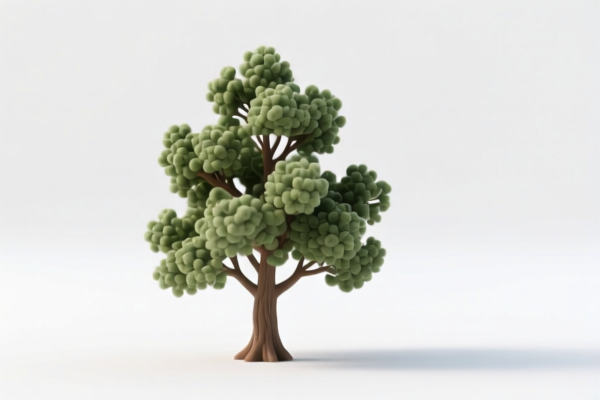
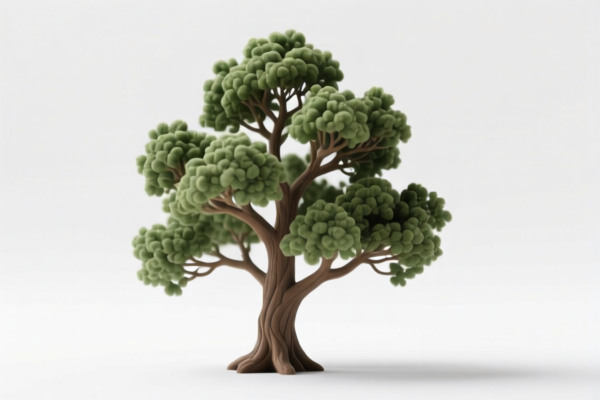
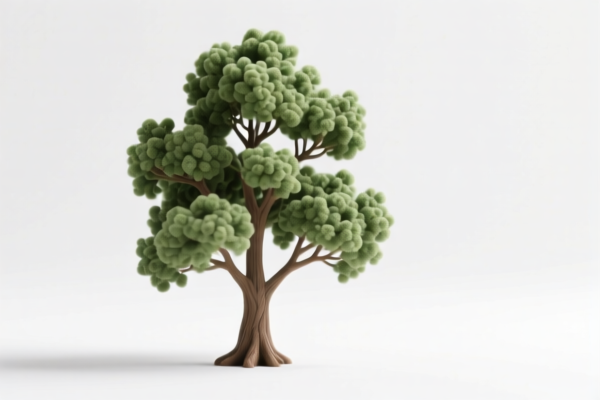

AI Analysis
🌿 Simulated Reeds (Artificial Reeds & Woven Plant-Like Artifacts)
🌐 HS Code Reference & Customs Clearance Guide | 2026 Updated Tariff Breakdown | Pro-Level Import Strategy
📌 One, Product Definition & Classification: What Exactly Are "Simulated Reeds"?
"Simulated Reeds" are artificial or non-natural plant-based decorative or functional items designed to mimic the appearance and texture of real reeds, bamboo, or natural fibers. These products are typically used in:
- Home décor (e.g., baskets, wall panels, lamp shades)
- Garden & landscape design (e.g., artificial reed fences, planters)
- Craft & DIY kits
- Religious or ceremonial décor (e.g., altar decorations, festival ornaments)
⚠️ Key Classification Insight:
- If the product is made from plastic, synthetic fibers, or non-plant materials → Not real reed → Not natural material → Not classified under plant-based HS codes
- If the product is woven, braided, or molded into a reed-like shape, even if not made from real reeds → Treated as "simulated" or "artificial" → Subject to artificial material tariffs
📦 Two, HS Code Classification Details (2026 Official Tariff Matrix)
| HS Code | Product Description | Material Type | Shape/Form | Applicable Use |
|---|---|---|---|---|
4602.90.00.00 |
Other woven or molded articles of plant materials (excluding those of bamboo, rattan, or palm) | Artificial/Non-plant (plastic, fabric, synthetic) | Woven, braided, or formed | Decorative baskets, wall hangings, lamp shades |
6702.90.35.00 |
Other articles of artificial fibers (e.g., synthetic reeds, fake plant stems) | Artificial fiber | Simulated reed form | Craft kits, garden décor, festival items |
6702.90.65.00 |
Other articles of other materials (non-plastic, non-fiber) | Other synthetic or composite | Molded, shaped, or simulated | Industrial décor, architectural elements |
4602.19.80.00 |
Woven or braided articles of natural plant materials (e.g., real reeds, bamboo) | Natural plant material | Woven or braided | Traditional baskets, mats, natural décor |
🔍 Critical Distinction:
- "Simulated" = Artificial → Not natural → Cannot be classified under natural plant materials unless proven otherwise
- "Reeds" in name ≠ real reeds → Must be verified by material, structure, and intent
💰 Three, 2026 Latest Tariff Breakdown (With Full Tax Clause Details)
✅ Applicable Country: United States (US)
✅ Origin: China (CN)
✅ Effective Date: November 10, 2025 (and ongoing)
🎯 1. 4602.90.00.00 — Other Woven or Molded Articles (Non-Plant, Simulated Reeds)
| Item | Detail |
|---|---|
| Base Tariff | 3.5% (ad valorem) |
| USITC Section 301 Additional Duty | +25.0% (from USITC Footnote 9903.88.01) |
| IEEPA Section 122 Additional Duty | +10.0% (under International Emergency Economic Powers Act) |
| Total Effective Tariff | 38.5% |
| Tax Calculation | CIF Value × 38.5% |
| De Minimis Threshold | ❌ Not applicable (denied under US law) |
| Legal Basis Path | IEEPA:9903.01.25 → IEEPA:9903.01.24 → USITC:4602.90.00.00 → FOOTNOTE:9903.88.01 |
📌 Explanation:
- "Simulated" implies non-natural material → Not real plant → Not eligible for natural material tariff
- "Woven or molded" confirms form matches → Classified under 4602.90.00.00
- 38.5% total is very high → Must be budgeted for
🎯 2. 6702.90.35.00 — Articles of Artificial Fibers (e.g., Fake Reeds, Synthetic Stems)
| Item | Detail |
|---|---|
| Base Tariff | 9.0% |
| USITC Section 301 Additional Duty | +0.0% (No 301 duty on this subheading) |
| IEEPA Section 122 Additional Duty | +10.0% |
| Total Effective Tariff | 19.0% |
| Tax Calculation | CIF Value × 19.0% |
| De Minimis Threshold | ❌ Not applicable |
| Legal Basis Path | IEEPA:9901.25 → IEEPA:9903.01.24 → 6702.90.35.00 → FOOTNOTE:9903.88.01 |
📌 Explanation:
- "Artificial fiber" is clearly defined → No 301 duty applies
- IEEPA 10% still applies due to China origin
- 19.0% is lower than 38.5% → Better for synthetic fiber products
🎯 3. 6702.90.65.00 — Other Articles of Other Materials (Non-Plastic, Non-Fiber)
| Item | Detail |
|---|---|
| Base Tariff | 17.0% |
| USITC Section 301 Additional Duty | +7.5% |
| IEEPA Section 122 Additional Duty | +10.0% |
| Total Effective Tariff | 34.5% |
| Tax Calculation | CIF Value × 34.5% |
| De Minimis Threshold | ❌ Not applicable |
| Legal Basis Path | IEEPA:9903.01.25 → IEEPA:9903.01.24 → USITC:6702.90.65.00 → FOOTNOTE:9903.88.01 |
📌 Explanation:
- "Other materials" = Non-plastic, non-fiber → e.g., composite, resin, metal-coated fake reeds
- Higher base tariff + 7.5% USITC → 34.5% total
- Still high, but lower than 4602.90.00.00
🎯 4. 4602.19.80.00 — Woven or Braided Articles of Natural Plant Materials (Real Reeds)
| Item | Detail |
|---|---|
| Base Tariff | 2.3% |
| USITC Section 301 Additional Duty | +25.0% |
| IEEPA Section 122 Additional Duty | +10.0% |
| Total Effective Tariff | 37.3% |
| Tax Calculation | CIF Value × 37.3% |
| De Minimis Threshold | ❌ Not applicable |
| Legal Basis Path | IEEPA:9903.01.25 → IEEPA:9903.01.24 → USITC:4602.19.80.00 → FOOTNOTE:9903.88.01 |
📌 Explanation:
- Only applies if product is made from real reeds → Must prove natural plant origin
- "Simulated" in name → Strong red flag → Cannot claim natural material unless certified
- 37.3% is very high → Only viable if genuine natural reed and proper documentation
🛠️ Four, Customs Clearance Best Practices (Pro Tips to Avoid Penalties)
✅ 1. Required Documentation (Must-Have Checklist)
| Document | Required? | Notes |
|---|---|---|
| ✅ Product Specification Sheet | ✔️ | Include material type, weave pattern, dimensions |
| ✅ Material Test Report | ✔️ | Prove if real reed or artificial (e.g., plastic, fiber) |
| ✅ High-Res Product Photos | ✔️ | Show texture, weave, labeling, brand |
| ✅ Commercial Invoice | ✔️ | Must clearly state: "Simulated Reeds, Artificial, Not Natural" |
| ✅ Certificate of Origin (CO) | ✔️ | If from China → expect additional duties |
| ✅ Packing List | ✔️ | Show unit count, packaging type |
| ✅ Third-Party Lab Test (e.g., ASTM, ISO) | ✔️ | Optional but recommended for high-value shipments |
✅ 2.申报技巧(Key Tips for Accurate HS Code Selection)
🔥 "Simulated ≠ Real, Artificial ≠ Plant, Form ≠ Material!"
| Scenario | Correct HS Code | Why |
|---|---|---|
| Fake reed basket made of plastic | 4602.90.00.00 |
"Simulated" + non-plant + woven → 38.5% |
| Fake reed made of synthetic fiber | 6702.90.35.00 |
"Artificial fiber" → 19.0% |
| Fake reed made of resin composite | 6702.90.65.00 |
"Other materials" → 34.5% |
| Real reed basket (no "simulated" in name) | 4602.19.80.00 |
Only if proven natural → 37.3% |
❗ Warning:
- Using "simulated" in product name → Automatic red flag → Assumed artificial
- Even if real reed, if labeled "simulated", may be rejected as misrepresentation
✅ 3. Special Cases & Risk Mitigation
| Situation | Recommended Action |
|---|---|
| Product labeled "simulated reeds" but made of real reeds | ❌ Do NOT declare as natural → Risk of misdeclaration penalty |
| Mixed shipment (real + fake reeds) | ✅ Split by HS Code → Avoid cross-claiming |
| Custom-made fake reeds with unique shape | ✅ Apply for Advance Ruling (Pre-Decision) → Avoid post-entry disputes |
| Low-value shipment (<$200) | ❌ No de minimis relief → Still pay full 38.5%+ |
🌍 Five, Global Market Comparison (2026 Update)
| Country | Recommended HS Code | Base Tariff | Additional Duties | Notes |
|---|---|---|---|---|
| 🇺🇸 USA | 4602.90.00.00 |
3.5% | +25% (USITC) +10% (IEEPA) → 38.5% | High cost, no relief |
| 🇨🇳 China | 4602.90.00.00 |
5% | 0% | No extra duties |
| 🇪🇺 EU | 4602.90.00.00 |
0% (if CE compliant) | 0% | No additional tariffs |
| 🇦🇺 Australia | 4602.90.00.00 |
5% | 0% | No extra charges |
| 🇯🇵 Japan | 4602.90.00.00 |
0% | 0% | No extra duties |
📌 Insight:
- USA is the only market with high附加 duties on simulated reeds
- China, EU, AU, JP are much more favorable for artificial reed exports
📌 Six, Common Mistakes & How to Avoid Them (Real-World Risks)
❌ Mistake 1: Labeling real reeds as "simulated" to avoid scrutiny
👉 Result: Misdeclaration → Fines, seizure, blacklisting
❌ Mistake 2: Using 4602.19.80.00 for fake reeds just because they look like reeds
👉 Result: Wrong HS Code → Higher tax, penalties, delays
❌ Mistake 3: Not providing material proof for "simulated" claim
👉 Result: Customs holds shipment → Costs $1000+/day
❌ Mistake 4: Assuming "simulated" means "lower tax"
👉 Result: 38.5% tax → Unexpected cost overrun
✅ Correct Approach:
"Artificial Reeds, Made of Plastic, Woven, for Home Décor, Not Natural, Not Bamboo"
→ Use clear, factual language in invoice and label
🎯 Seven, Final Verdict: Accuracy Wins Every Time
🎯 Remember the Golden Rule:
🔹 "Simulated = Artificial = No Natural Tariff"
🔹 "Form ≠ Material" → A reed-shaped item made of plastic is still plastic
🔹 "Labeling matters" → "Simulated" triggers high tariff automatically
📌 Pro Tip:
✅ Apply for Advance Ruling (Pre-Decision) if:
- High-value shipment (> $50,000)
- Unclear material composition
- Want to lock in HS Code & tariff before shipment
📣 Take Action Now:
📞 Contact a US Customs Broker + Submit product photos + Request HS Code Pre-Ruling
🚀 Avoid surprise tariffs, delays, and fines — ship with confidence!
✨ Smart Importing Starts with Smart Classification!
💼 Your profit margin depends on one line: the HS Code.
Customer Reviews
About HS Code Classification
The Harmonized System (HS) is an internationally standardized nomenclature developed by the World Customs Organization (WCO) to classify traded products. Over 200 countries use the HS system as the basis for customs tariffs, trade statistics, and import/export regulations.
Each HS code follows a hierarchical structure:
- Chapter (2 digits) — Broad category of goods (e.g., Chapter 84: Machinery and Mechanical Appliances)
- Heading (4 digits) — More specific grouping within the chapter
- Subheading (6 digits) — Internationally standardized breakdown, used by all WCO member countries
- National subdivisions (8-10 digits) — Country-specific extensions for further classification, such as US HTSUS 10-digit codes
Correct HS code classification is essential for smooth customs clearance, accurate duty payment, and compliance with trade regulations. Misclassification can lead to customs delays, overpayment of duties, or penalties.
When importing from CN to US, the applicable tariff rates may include:
- Most-Favored-Nation (MFN) rate — The standard duty rate applied to WTO members
- General rate — Applied to countries without trade agreements
- Trade remedy duties — Additional tariffs such as Section 301 (anti-dumping), Section 232 (national security), or countervailing duties
The information provided on this page is for reference purposes only. For official classification, please consult with your local customs authority or a licensed customs broker.